A Estratégia de Fast Fashion da Uniqlo - Como uma Marca Japonesa Vence no Varejo


Recomendação: investir em um pipeline verticalmente integrado e rigorosamente controlado encurta o ciclo de design-para-prateleira para 10–14 dias para itens principais como básicos de camisetas, permitindo respostas rápidas a clima, eventos ou pistas de rua e alcançando o último quilômetro mais rapidamente.
Em mercados, sinais de dados psicográficos moldam o sortimento; a essência é entregar estéticas minimalistas alinhadas com estilos de vida urbanos, enquanto introduzidas micro-coleções respondem a gostos passageiros na moda.
A liderança cultiva uma cultura de experimentação disciplinada, e equipes inovadoras aplicam loops de feedback rápidos que impulsionam o desenvolvimento de produtos, transformando relações com fornecedores e encurtando ciclos.
Ao focar em básicos gerenciados e alavancar uma rede próxima de parceiros, a marca ganha uma clara vantagem; linhas de cápsula introduzidas testam novos mercados enquanto mantêm estoque para faixas principais, atraíndo ímpeto de compras e minimizando desperdício, com fundamentos da moda provando resiliência contra tendências passageiras.
Saiba que empresas que incorporam essa abordagem em sua cultura superarão rivais: a combinação de design simplificado, sourcing disciplinado e lojas que consistentemente estocam o mesmo caimento e tecido reforça a confiança entre os consumidores.
Motores Estratégicos por Trás do Crescimento Global da Uniqlo
Aproveite um plano de três pilares: reforce um guarda-roupa principal atemporal de peças básicas, aperte o inventário para reduzir o risco de descontos no inverno e acelere um loop de clique-para-loja que converte interesse online em visitas à loja em mercados chave.
A estratégia se baseia nos princípios de Yanai: um modelo operacional de classe mundial, uma abordagem amigável para designers em linhas simples e um foco em componentes de vestimenta atemporais que os clientes confiam ano após ano. O inventário usa dados granulares para posicionar estoque em bolsões próximos a centros urbanos e hubs sazonais, eliminando excessos e impulsionando a rotatividade. Nos mercados europeus, a demanda favorece linhas limpas, tecidos duráveis e camadas versáteis que escalam do escritório para a rua.
A execução de mercado enfatiza um núcleo modular mais cápsulas regionais alinhadas ao clima e atividade. Em regiões com neve pesada, básicos quentes e camadas à prova de vento expandem o guarda-roupa de inverno; em áreas mais quentes, básicos respiráveis sustentam o uso diário. Um motor de marketing impulsionado por fotos destaca clientes reais, depois um snowboarder, enfatizando benefícios emocionais e práticos sobre tendências, atendendo ao desejo por roupas duráveis e versáteis. Bolsas e embalagens básicas são projetadas para uso diário, para aprimorar o valor percebido enquanto suportam um fluxo sustentável de inventário. Finalmente, o alcance verdadeiramente global fortalece o motor de reposição, mantendo uma verdadeira vantagem em mercados.
Como a Uniqlo encurta o tempo de design-para-prateleira?
Recomendação: implante um único hub de desenvolvimento que liga conceito, sourcing de têxteis, amostras e merchandising pronto para prateleira em operações em tempo real. Execute sprints de 2 semanas e mire uma janela de 6-8 semanas do conceito à disponibilidade na loja para itens principais como denim e jaquetas. Essa configuração reduz o risco de excesso de estoque e acelera a atualização do sortimento, entregando velocidade impressionante sem sacrificar a qualidade.
Principais facilitadores: integração de ponta a ponta de equipes de design e sourcing, uma biblioteca compartilhada de têxteis, blocos de padrões modulares e amostragem rápida (física e digital). Use um único modelo de dados para rastrear variações de cor, graus de tecido e aprovações; essa abordagem usa relacionamentos de longo prazo com fornecedores para manter tempos de lead previsíveis; realize revisões semanais de linha para podar lançamentos e evitar duplicação. Benchmarks de players de várias indústrias como Apple mostram como comunicações integradas e painéis em tempo real cortam tempos de ciclo.
Colaborações externas como Marimekko ilustram o valor de input externo enquanto preservam o ritmo; tais lançamentos podem ser executados em 4-6 semanas após aprovação de conceito, usando blocos padronizados e paletas de cores comuns para permanecer escalável. Esse nível de coordenação depende de equipes de têxteis e nós de design compartilhando arquivos em tempo real e alavancando bibliotecas de têxteis existentes.
Feed de insights do consumidor: extraia sinais de threads do Reddit, discussões de estilo de vida e escuta social; alimente na fila de novos lançamentos; meça o sucesso pelo nível de engajamento e vendas subsequentes. Como o feedback chega rapidamente, as equipes ajustam variações de cor, acabamentos e silhuetas para combinar com expectativas sociais.
Operações e expansão: o modelo escala em mercados; em York e outras áreas metropolitanas, iteração rápida reduz faltas de estoque e acelera a reposição. Olhando para o crescimento sustentável, a capitalização de dados e alinhamento cross-funcional impulsiona margens enquanto mantém a qualidade; a abordagem olha para a expansão em vez de perseguir picos de curta duração.
Pessoas e players: fornecedores, moinhos de têxteis e parceiros de logística formam a rede principal; a necessidade é clara: lançamentos mais rápidos e confiáveis; padrões de conduta de negócios e comunicações cross-funcionais mantêm todos alinhados; empresas que adotam essa abordagem podem alcançar resultados impressionantes, com viradas melhoradas e lançamentos mais consistentes.
Passos práticos para praticantes: nomeie squads cross-funcionais; crie painéis compartilhados; implemente sprints de 2 semanas; mantenha um calendário rolante de 12 meses; execute testes conjuntos em denim e jaquetas; monitore falta de suprimento; garanta que o ritmo alimente planos de expansão; mantenha atualizações diárias e revisões semanais.
Qual abordagem de manufatura e sourcing mantém os custos baixos enquanto preserva a qualidade?
Adote um modelo operacional SPA‑style tightly integrated que une design, sourcing de tecidos e logística com parcerias de longo prazo com fornecedores, componentes modulares e métricas de desempenho compartilhadas para manter custos unitários baixos enquanto preserva a qualidade.
- Etapa 1: design para manufaturabilidade e simplicidade use uma abordagem de filtro para limitar o número de fabricações e acabamentos em produtos. Favoreça construções modulares e costuras comuns que possam ser produzidas em escala, reduzindo configuração variável e retrabalho. Essa etapa se baseia em princípios claros: reduza complexidade, habilite reconfiguração rápida e proteja básicos atemporais que performam bem em estações.
- Etapa 2: construa uma rede de fornecedores comprometida e enxuta classifique fornecedores por custo, qualidade e confiabilidade, depois invista em upgrades de capacidade conjuntos. Um elenco pequeno e altamente capaz minimiza bolsões de desperdício, acelera o aprendizado e transforma compras em um fluxo de trabalho colaborativo em vez de um ponto de contato transacional. Tais relacionamentos melhoram margens enquanto preservam a integridade do produto, mesmo quando a demanda muda.
- Etapa 3: capacidades internas pareadas com feedback em tempo real estabeleça engenharia principal de têxteis, padrões de acabamento e portões de qualidade. Use integração de dados em tempo real para monitorar rendimento, taxas de defeito e deriva de processo no chão de fábrica. Isso mantém a qualidade alinhada com metas de custo, habilita contenção rápida de problemas e reduz recalls ou retrabalhos caros.
- Etapa 4: prontidão omnichannel reduz descontos e faltas de estoque sincronize calendários de design com redes de distribuição para que viradas de inventário sejam previsíveis em canais. Visibilidade em tempo real em fornecedores e DCs melhora a velocidade para o mercado e estabiliza preços, o que protege bolsões de lucro enquanto oferece valor consistente aos clientes, seja comprando online ou em lojas urbanas.
- Etapa 5: arquitetura de portfólio que favorece peças atemporais priorize produtos duradouros com apelo amplo, pareados com acentos sazonais que são baratos para sourcing. Tal estratégia reduz risco em mudanças society-wide e mantém um catálogo principal classificado por desempenho. Também simplifica o planejamento, reduz choques sazonais e preserva um padrão de qualidade embutido que resiste ao teste do tempo.
- Etapa 6: disciplina de custo através de integração e governança implemente portões de etapa para cada família de produto, com equipes cross-funcionais revisando custos de materiais, desempenho de fornecedores e tempos de lead. Uma abordagem disciplinada e de longo prazo ajuda o negócio a enfrentar ciclos econômicos com resiliência e mantém a qualidade consistente mesmo quando os volumes crescem.
- Etapa 7: storytelling de produto centrado no consumidor em revistas e pontos de contato apresente uma visão transparente de valor, enfatizando durabilidade, conforto e caimento. Isso suporta uma percepção de qualidade que combina com o preço, ajudando qualquer um a perceber valor de uma forma que se alinhe com estilos de vida urbanos e expectativas sociais mais amplas.
- Etapa 8: melhoria contínua e gerenciamento de risco cultive uma cultura que respeita a disciplina de processo e falha rápido quando os dados indicam um risco. Ao classificar problemas por impacto e abordar a causa raiz, a organização cresce mais capaz de entregar produtos acessíveis e confiáveis a longo prazo, apesar de desafios externos.
De uma lente prática, a abordagem poderia entregar custos unitários mais baixos através de componentes padronizados, menos handoffs de fornecedores e ferramentas de otimização compartilhadas, enquanto mantém uma alta barra para durabilidade e acabamento. Também cria uma espinha dorsal sustentável para o negócio, alinhando com metas de longo prazo, reduzindo desperdício geral e demonstrando sourcing responsável societalmente. O resultado é um sistema que transforma a forma como o valor é entregue, suporta decisões em tempo real e protege as vidas de trabalhadores e comunidades envolvidas na cadeia de suprimentos.
Como o merchandising localizado impulsiona a relevância em regiões?
Entregue sortimentos adaptados à região ancorados em clima, cultura e tolerância a preços; implante drops locais semanais para elevar vendas de itens de movimento rápido em 15-25% em áreas chave; defina 40-60 itens principais por país mais 10-20 itens sazonais por onda para atingir metas e reduzir faltas de estoque. Essa abordagem se tornou uma base para equipes regionais.
Aproveite insights do Pinterest para guiar paletas de cores, motivos e escolhas de têxteis por área; reflita gostos locais em vestuário e seccionamento; mapeie essas pistas para faixas da próxima estação e garanta que a história têxtil se alinhe com condições de inverno dentro de países.
Coordene merchandising específico de canal: aloque mais espaço para displays em loja em áreas com menor participação online; adapte páginas de produto por país e canal; mantenha opções baratas visíveis em canais de massa enquanto reserva peças aprimoradas por desempenho para canais premium; benchmark contra ofertas de concorrentes para afiar vantagem em cada país.
Engaje designers locais a cada país; integre colaborações com KAWS para sparkar apelo regional em linhas de inverno; use previsões baseadas em Gordon para selecionar famílias de cores e estampas; ligue essas escolhas ao Uniqlock para ajustes de estoque em tempo real.
Defina metas em países e áreas; monitore vendas, itens por pedido e conversão de canal; rastreie itens aprimorados por desempenho e ajuste compras da próxima estação; construa planos de longo prazo que escalem insights em mercados.
Próximos passos: pilote em duas regiões, valide efeitos de uplift e margem, depois role out para três mercados adicionais; sincronize com suprimento e logística para encurtar tempos de lead; mantenha uma mistura equilibrada em opções baratas-para-premium para preservar competitividade.
Por que os básicos do dia a dia formam o núcleo da gama da Uniqlo?
Ancore coleções em torno de básicos duráveis e versáteis para atender à necessidade mais ampla: peças acessíveis que performam em estações e anos.
A origem em Tóquio informa uma abordagem de classe mundial que prioriza simplicidade, silhuetas claras e tecidos projetados para durar.
Focar em básicos reduz a fadiga de decisão para o consumidor, deixando peças cruzarem de outono/inverno para vestuário formal com facilidade.
Colaborações Marimekko mostram como estampas ousadas podem cavalgar na espinha dorsal de essenciais enquanto preservam respeito pelo uso de longo prazo.
A descoberta de demanda em países moldou uma visão de mercado global que favorece básicos universais com acenos locais a clima e cultura.
Ciclos de produto impulsionados por liderança dependem de sinais transparentes–atualizações do Telegram e feedback no local–que aceleram decisões e mantêm preços baixos.
As metas são mostrar aos consumidores um guarda-roupa enxuto que pode ser enriquecido por algumas peças chave cada estação–tops, bottoms, vestidos e outerwear leve–enquanto mantém qualidade alta e custos previsíveis.
Em mercados ao redor do mundo, esse núcleo claro e acessível suporta demanda em climas diversos, estabelece um guarda-roupa universal e reforça uma posição de liderança no mercado global de básicos.
| Categoria | Foco em tecido | Preço típico (USD) | Notas |
|---|---|---|---|
| Tops & Tees | Algodão, misturas elásticas | 6–18 | Fundação do uso diário; reflete necessidade do consumidor |
| Bottoms | Algodão elástico, denim | 15–40 | Versatilidade acessível em mercados |
| Vestidos | Jersey leve, tricô | 20–60 | Utilidade simples, cross-season |
| Outerwear | Cascos híbridos, térmicos | 40–120 | Básicos definidores de estação para outono/inverno |
Como experiências omnichannel e em loja engajam clientes?
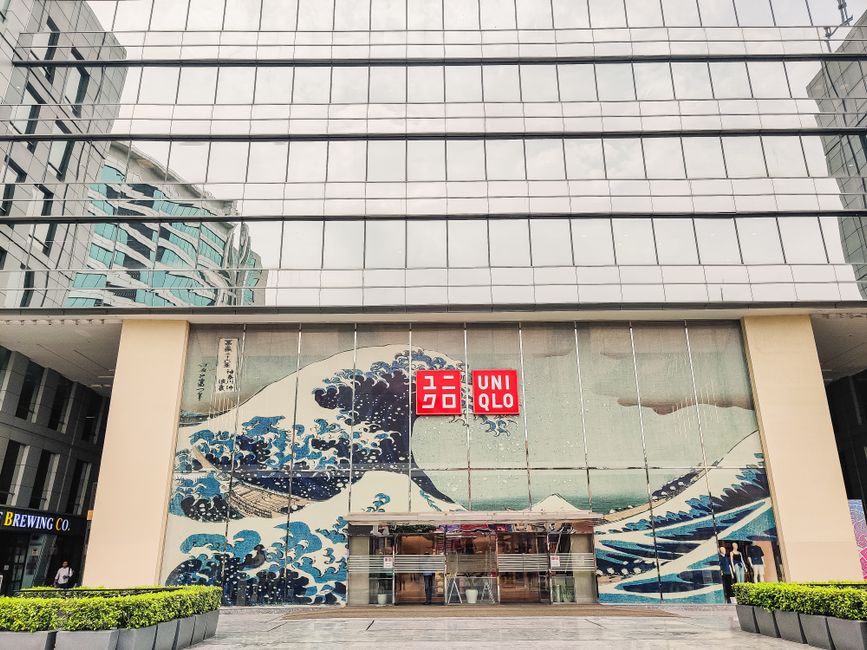
Implemente uma plataforma unificada de dados de clientes para adaptar interações cross-channel em tempo real, tornando cada ponto de contato profissional e obrigatório. Essa abordagem alinha claramente catálogos online, prompts de app e scripts em loja para impulsionar tráfego e apresentar uma imagem consistente em mercados, incluindo Singapura.
Em espaços físicos, misture testes táteis com prompts digitais: sinalização impressa e catálogos pareados com links QR, try-ons AR e checkout rápido. A equipe deve ser treinada para entregar uma mensagem uniforme e converter interesse em ação, depois guiar clientes para o app ou canal web para follow-up, preservando uma jornada seamless.
Dados demográficos devem impulsionar ofertas, rotas e formatos de loja. Compradores mais jovens respondem a opções rápidas; segmentos mais velhos valorizam orientação. Em Singapura, bairros densos impulsionam tráfego quando prompts digitais são alinhados com displays em loja. Colaborações notáveis com criadores locais e parceiros de mídia elevam visitas à loja e ticket médio; uma parceria estratégica com provedores de logística reduz fricção e impulsiona conversões cross-channel. Ao benchmark contra práticas da Inditex, manter uma imagem consistente e restock rápido se traduz em ganhos significativos. Depois, teste continuamente misturas e formatos de ativos diferentes para refinar a mistura entre experiências online e presenciais.
Desafios incluem custo, privacidade de dados e treinamento em mercados; dúvida sobre ROI pode ser mitigada por programas piloto com KPIs claros. Tornando-se rotina, o processo melhora continuamente. Parcerias notáveis com estúdios externos ajudam a estender o alcance e criar mais colaborações, impulsionando uma rede bem-sucedida. Finalmente, a conclusão é que uma abordagem coesa e impulsionada por dados, liderada por uma equipe dedicada, compõe tráfego e sustenta o crescimento.
Como sustentabilidade e gerenciamento de risco são integrados na cadeia de suprimentos?
Adote um scorecard formal de sustentabilidade e risco de fornecedores com auditorias anuais e uma pilha de monitoramento high-tech para alinhar parceiros com padrões corporativos. Esse plano é ambicioso, criando valor mensurável em operações e marketing alike.
-
Framework de scorecard e governança
- Quatro pilares: pegada ambiental, conformidade social, governança e resiliência de continuidade. Cada parceiro ganha uma pontuação numérica, atualizada anualmente; o quartil superior recebe termos favoráveis.
- Metas: até o ano 2, 40% dos fornecedores tier-1 certificados para ISO 14001 ou equivalente; até o ano 5, 80% com melhorias de eficiência energética e planos de sourcing responsável.
- Cadência de auditoria: avaliações oficiais a cada 12 meses, com verificações aleatórias para parceiros de alto risco. Metas atingidas: 40% até o ano 2; 80% até o ano 5.
-
Tecnologia, integridade de dados e sinais de risco
- Rastreabilidade high-tech: RFID em componentes críticos, sensores IoT em fábricas e painéis em nuvem que fornecem visibilidade em tempo real para equipes de procurement e operações.
- Contra-sinalização: um mecanismo para contrariar dados conflitantes entre auto-relatórios e verificações de terceiros, habilitando investigação rápida quando anomalias são detectadas.
- Fornecendo alertas e ações recomendadas quando indicadores violam thresholds, reduzindo a necessidade de brigas caras mais tarde.
- Usa detecção de anomalias automatizada para sinalizar problemas potenciais antes que se tornem incidentes, permitindo que qualquer um na equipe aja prontamente.
-
Resiliência regional e estratégia de sourcing
- Singapura serve como hub regional para encurtar tempos de lead, melhorar confiabilidade e habilitar respostas mais rápidas quando disrupções ocorrem.
- Metas de diversificação: até o ano 3, 35-40% dos componentes críticos sourced de parceiros regionais; quase 70% até o ano 5. Isso cria um caminho mais acessível e acessível para fornecedores participarem.
-
Impacto financeiro e proteção de receita
- Custo de conformidade vs redução de risco: capex inicial em milhões de dígito único baixo para uma rede de tamanho médio; despesas operacionais sobem 1-2% do gasto anual mas cortam faltas de estoque e frete expedido em 20-30%.
- Uplift de receitas: disponibilidade de produto mais confiável suporta um uplift de 2-4% em receitas anuais em três anos; a melhoria é significativa para marcas que dependem de estoque estável e preços acessíveis.
- Disrupções de suprimento passageiras são reduzidas por sourcing proativo e colaboração, melhorando margens e valor de longo prazo.
- Quando disrupções ocorrem, as métricas divulgadas e revisões anuais mostram um desempenho forte e rastreável que stakeholders podem confiar.
-
Execução, colaboração e comunicações
- Colaborando com fornecedores para implementar planos de melhoria conjuntos; fazendo workshops regulares para compartilhar melhores práticas e rastrear progresso ao longo dos anos.
- Marketing e comunicação voltada para o consumidor: anúncio, campanhas promocionais e eventos de promoção para mostrar o compromisso com produtos acessíveis e responsáveis.
- Medição, relatório e accountability: uma atualização oficial trimestral, com uma exibição pública de progresso e relatório anual de sustentabilidade.
- Engajamento que qualquer um pode seguir: painéis, estudos de caso e holofotes de fornecedores para demonstrar impacto.
Ready to leverage AI for your business?
Book a free strategy call — no strings attached.


