How to Structure Facebook Ad Campaigns for E-Commerce with Enhencer
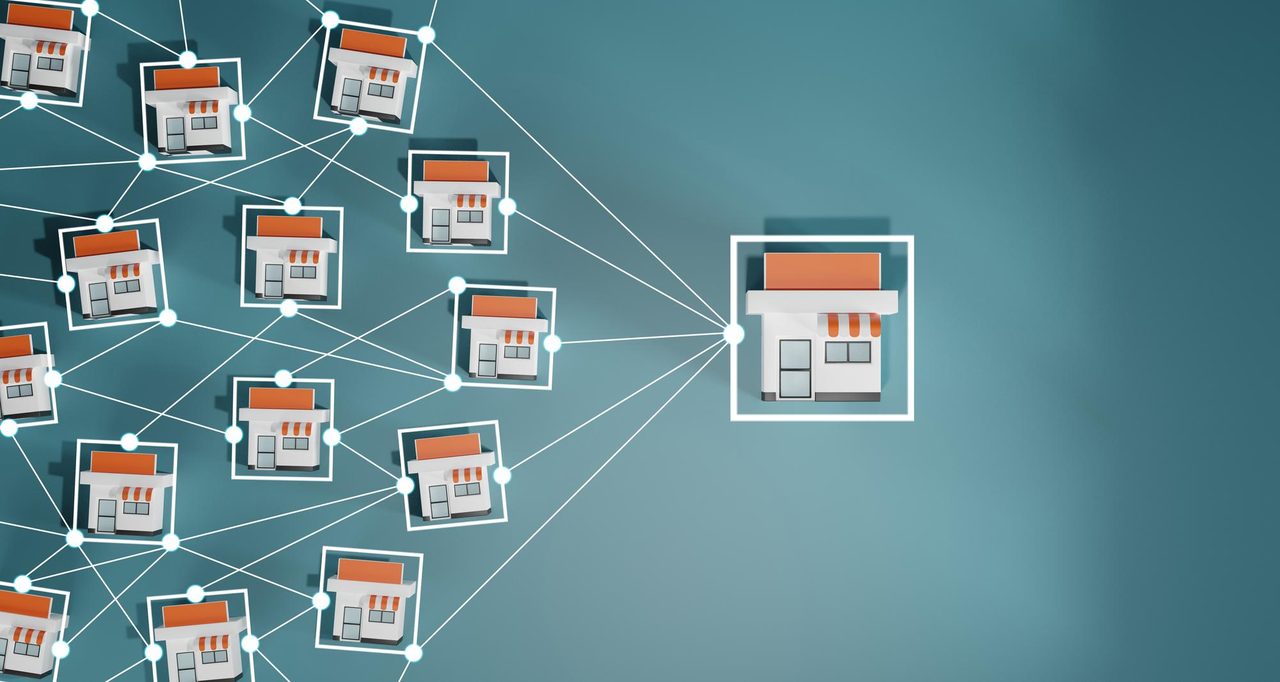
Start with a simple blueprint: one Prospecting campaign and one Retargeting path, each with 3–4 ad sets and a 60/40 budget split in Enhencer. This setup lets you steal a few hours from complex planning, while the Enhencer dashboard tracks page visits and product-page views so you can move from impressions to purchases without overspending. This path goes from impression to purchase.
Structure the journey around the page visits: product-page views trigger Prospecting sets, while viewed items and add-to-cart signals feed Retargeting. Name campaigns and ad sets to reflect the page, audience segment, and stage, so the team can continue to fine-tune quickly and not lose context. Use the code on your site to pass events into Enhencer, and rely on the dashboard to keep gains visible.
Cap frequency to control spend: limit to 2 visits per user per day for Prospecting and 3–5 exposures for Retargeting, depending on price and seasonality. If an ad set takes more than 72 hours without a purchase, pause it and reallocate toward top performers; Enhencer’s dashboard shows you which sets are viewed and which convert.
Test 2–3 creative variations per ad set and rotate weekly; use a mix of product-page angles, benefits, and social proof. essentially keep the message aligned with the page the user visited, and use code-free tracking to capture events like page views, adds-to-cart, and purchases. Continue refining.
Link Enhencer with google signals to compare cross-channel
Link Enhencer with google signals to compare cross-channel performance and optimise budgets on a single dashboard. These insights go beyond clicks, showing how visits turn into purchases and helping you reallocate budgets toward the best performing audiences and pages.
Facebook Ads for E-Commerce: Structure, Goals, and Tools with Enhencer
Begin with a three-campaign skeleton: Awareness, Consideration, and Purchase. Assign a clear purpose for each and set a dedicated budget. Create ad sets by audience: cold, warm, and returning customers. Use a product catalog to showcase items, and cap impressions per user to limit fatigue.
- Campaigns: Awareness – goal: reach new people; format: short video or image; metrics: reach, video views, and CTR.
- Campaigns: Consideration – goal: drive traffic and engagement; formats: carousel and catalog ads; metrics: CPC, site visits, add-to-cart events.
- Campaigns: Purchase – goal: conversions; formats: catalog-based ads; metrics: CPA, ROAS, orders.
Goals and measurement
- Goal alignment: build familiarity, drive site visits, and push conversions with clear milestones for each stage.
- Key metrics: CPC, CTR, CPA, ROAS, and site events, plus ROAS breakdown by audience segments.
Tools with Enhencer
- Dynamic creative with catalog integration to adapt headlines and images for each audience.
- Catalog sync and product-level ads to highlight items from your catalog.
- Forecast-driven recommendations and automation rules to adjust budgets and pause underperforming sets.
- Creative testing framework to compare variants and identify top performers quickly.
Pitfalls to avoid
- Overly broad targeting that depletes spend.
- Catalog data mismatches causing stale ads.
- Not testing variations in creative and headlines.
- Landing pages not aligned with ad messages.
- Ignoring weekly results and letting budgets drift.
How to start now
- Set up the three campaigns and connect your catalog.
- Define audiences as cold, warm, and returning.
- Enable dynamic creative with Enhencer to test assets.
- Review results weekly and adjust budgets accordingly.
Define Clear Goals and KPI for Your E-Commerce Campaigns

Set one primary goal per campaign and attach a direct KPI to
Set one primary goal per campaign and attach a direct KPI to measure it in real time. For most e-commerce teams, direct sale is the strongest outcome, with add-to-cart or checkout events serving as a sign of intent. Measure actual revenue and the cost per sale to gauge results and keep every metric aligned with the goal.
Define KPI by funnel levels: reach, traffic, engagement, and conversions. Target ranges: reach growth 15-25% monthly, traffic up 20-30%, CTR above 1.2%, and CPA below your product margin. Use greater precision by tying each level to a concrete goal and the corresponding results, highlighting the segments with the most traffic and the strongest performance. With Enhencer, map these goals to the right events and automation to keep signals aligned.
Sequential testing helps avoid wasting budget. Start with broad audiences for reach, then switch to high-intent segments based on actual results. After each milestone, switching creatives highlight different benefits and measure performance against the KPI. This approach ensures you progress from awareness to sale with clear takeaways and points.
Install and events: If you run an app, set install as a KPI alongside in-app events. Track events such as view content, add to cart, initiate checkout, and purchase. Each event gives a data point to measure progress along the funnel and to spot where you lose users.
Takeaway: keep goals visible to the team and review results weekly
Takeaway: keep goals visible to the team and review results weekly. Build a simple dashboard that shows goal, KPI, target, actual, delta, and next action. The visuals should highlight the level where performance is strongest and where switching is warranted.
Practical example: Campaign A targets direct sale with a ROAS of 3.5x; Campaign B targets traffic with CTR above 1.2% and CPC under $0.60; Campaign C retargets with purchase probability above 25% and cost per purchase under $18. Alongside, fill the budget by level to balance reach and results; monitor revenue, CPA, and install counts if applicable.
Architect Campaigns with a Three-Tier Structure: Campaign, Ad Set, and Ad
Launch every e-commerce push with a three-tier setup: one Campaign per objective, one Ad Set per core targets, and multiple Ads per Ad Set. This thing prevents wasting spend on unfocused tests and helps you decide fast over days. Maintain a living library of images, short copy, and reviews that map to relatable offers.
At Campaign level, pick a single objective: conversions for purchases, sign-ups, or paid traffic. Follow a simple rule: tie each Campaign to one objective and one funnel stage. Attach a couple of key information points about your product and customer pain points to guide creative decisions.
Ad Set level: split by audience segments (demographics,
Ad Set level: split by audience segments (demographics, interests, lookalikes, or custom audiences), placements across facebooks and Instagram, and a clean schedule. Create separate Ad Sets for cold, warm, and returning users. Allocate budgets by day parts and ensure higher bids during peak days when your targets show intent.
Ad level: build 3-5 variations per Ad Set to reveal what resonates. Use a short image or video, concise headline, and a relatable story about your product. Include loyalty offers to boost sign-ups and access to reviews from the library. Use one strong CTA and test different offers across days.
Measures and optimising: monitor CTR, CPC, CPA, ROAS; use standard dashboards and the library to compare results. Run cycles of 7-14 days; pause underperformers quickly to avoid wasting budget. Add on-site pop-ups that capture visitors and feed back into ad creative.
Decision flow: when a Creative Ad Set proves higher performance, scale by gradually increasing budgets and pausing underperformers. Maintain a consistent story across ads and keep access to product details, reviews, and loyalty offers. Capture insights in your library and use reviews to refine image choices.
Build Audience Segments and Precision Targeting for Product-Niche Ads
Create four audience segments for each product niche and run separate ad sets with tight lookalikes: 1-3% for core buyers, 3-5% for engaged purchasers, and 5-10% for discovery, then scale by adding tested broader lookalikes gradually. This structure helps control spend and increases relevance from day one.
Organize audiences by niche and source
Organize audiences by niche and source. Build four layers: loyal customers from CRM data, product-niche enthusiasts who viewed collection or product pages, price-sensitive lookalikes (5-10%) to emphasize value, and re-engagement audiences from home and shop page visits. Feed each layer with dedicated creatives and offers, ensuring trigger events guide the next step in the funnel.
Use pixel events such as view_content, add_to_cart, initiate_checkout, and purchase to trigger tailored sequences. Align each audience with the corresponding catalog product set and use dynamic product ads to show the right SKU. Consider a partnership with your data stack to attribute offline sales and refine audiences on an ongoing basis.
Creative and testing: keep copy short and compelling; emphasize clear offers and benefits; rotate 2-3 variations per niche to combat fatigue and maintain engagement. Test these combinations over 7-14 days, then preserve what works and drop what underperforms. This approach reduces overspending, builds loyal customers, and accelerates returns from many SKUs in your shop.
Measurement and optimisation: track rates (CTR, conversion rate, ROAS) by segment and by event. When a segment demonstrates stable ROAS above threshold, increase spend and scale into lookalikes of 1-2% tighter, then again broaden if needed. The truth is that precise targeting unlocks higher returns; regularly talk with stakeholders to refine alignment and keep campaigns focused on profitable offers for each niche.
Craft Creatives and Copy that Highlight Benefits and Offers
Craft Creatives and Copy that Highlight Benefits and Offers
Begin with a three-card swipeable carousel that foregrounds benefits in the first card and ends with a time-limited giveaway to drive sign-ups. Use a lookalike audience to extend reach, and tie the creative to a capi event for sharper delivery, allowing you to optimize in real time. Keep profanity out; clean, concise copy beats edgy tones for trust and clarity.
For first-time buyers, focus on outcomes rather than features. Use a strong, competitive hook and quantify the claim: "Save 25% on your first order," "Checkout in under 2 minutes," or "Skip steps with one-click pay." Keep headlines to 6–9 words and body text to 12–18 words. Since attention is brief, make the value explicit in the opening line. A focused promise improves impression quality and lifts click-through by double digits when paired with relevant visuals and a clear CTA.
Use swipeable visuals that map to the buyer journey: card 1 presents the problem, card 2 shows the solution, card 3 adds social proof, card 4 delivers the offer and a strong claim. Show the product in use to prove fits for real life, include close-ups of key features, and maintain high-contrast typography. Avoid clutter; every frame should reinforce a single benefit and a single, scannable CTA.
Offer ideas that convert: a giveaway entry tied to sign-ups, a
Offer ideas that convert: a giveaway entry tied to sign-ups, a limited-time discount, or free shipping on first order. Use a clear claim like "Join and claim your discount" and emphasize power and scarcity to accelerate decisions. Focus on visuals that communicate ease of use and value, since fast comprehension drives impulse actions and reduces friction in the checkout flow.
Structure tests to learn fast: run 4–6 variants across lookalike audiences (1%–3%) and capi-enabled events. Compare benefit-led vs. feature-led copy, and test single-sentence CTAs against longer prompts. Track impression, CTR, add-to-cart rate, and sign-ups; aim for a minimum 8–12% CTR on top-of-funnel creative and a 2–5% sign-up rate from the final frame. Use the data to break down what resonates with first-time buyers and refine accordingly, applying the most powerful elements across campaigns.
Integrate with manual optimization and practice iteration: implement manual budgets for steady reach, monitor issues like delivery gaps, and adjust frequency to prevent fatigue. Use a straightforward "Claim now" or "Get offer" CTA, and ensure the offer aligns with the landing page to minimize drop-off. Since consistent alignment matters, keep the flow cohesive from swipeable visuals to the post-click experience to maximize buyer satisfaction and overall impact.
Measure, Optimize, and Scale with Pixel Data and Enhencer Insights

Begin with a clean pixel setup: ensure all critical events fire correctly (view content, add to cart, initiate checkout, purchase). Fill gaps in data to avoid skewed results; connect Enhencer Insights to pull actual performance by segment. This foundation lets you measure, optimise, and scale with confidence.
Table of KPIs design: Create a table of metrics to track across campaigns: average order value (AOV), conversion rate, CPA, ROAS, and event count. Between channels, compare paid social, paid search, and email retargeting; count how behaviors change to convert. Use stories from the customer path to understand what makes buyers feel confident and convert.
Creative and audience optimisation: Use Enhencer to score creative quality; test 2-3 headlines, 2-3 images, and different value props; use dynamic creative to tailor to behavior. To optimise outcomes, track lead quality and convert rate; apply learning to new assets to enhance performance.
Scale with budget discipline: allocate budget to best-performing segments; set a rule to increase spend on high-ROAS audiences by 10-15% weekly, and pause underperformers. Use lookalike audiences built from purchasers with Enhencer insights. Use 1-7 day retargeting windows. Increase frequency to reinforce the message but dont let fatigue creep in; monitor issues like rising CPA and rising costs in bucks.
Operational cadence: Export a weekly summary, update the KPI table, and compare actual results to forecast. If the delta is large, adjust creative or audience. Let Enhencer Insights surface issues, and adjust bid strategies accordingly.
📚 More on E-Commerce & Business
- The Complete Product Launch Checklist - A Step-by-Step Guide for E-commerce Brands
- How to Create Click-Worthy Facebook Ads in Minutes (2026)
- 10-Step SEO Audit for E-commerce - A Practical Guide (2026)
- 5 Steps to Successful Email Marketing Campaigns with Examples
- Types of Facebook Ads - A Comprehensive Guide to Ad Formats, Objectives, and Best Practices
Related Articles
subscribe
Stay in the loop
Get new articles on AI, growth, and B2B strategy — no noise.