Cum să creați videoclipuri cu sunet folosind Veo 3 AI
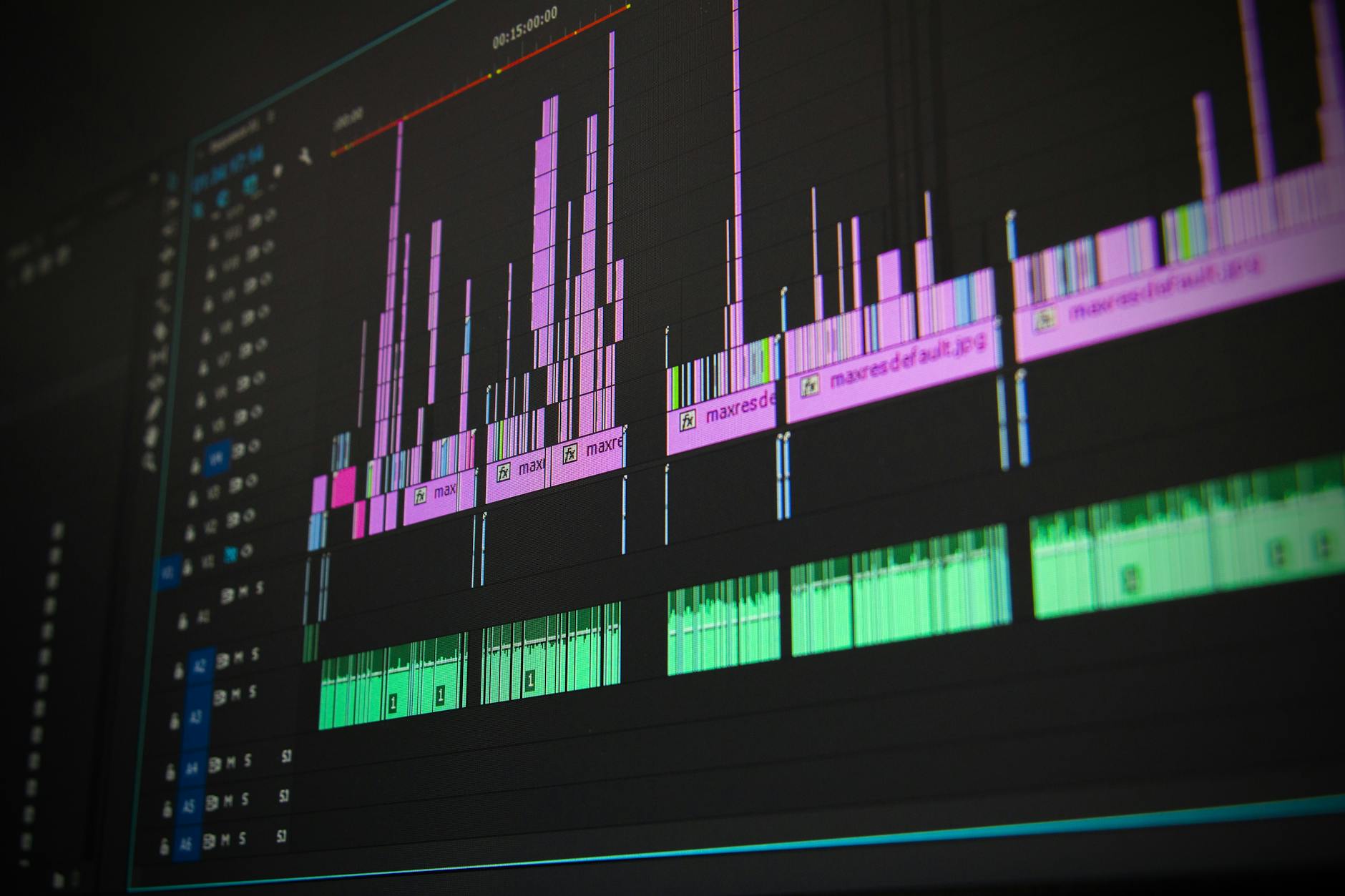

Activează videoclipuri cu sunet activat în Veo 3 AI și rulează un test rapid de 60 de secunde. Această recomandare concretă vă oferă o bază solidă pentru timing, calitatea vocii și sincronizarea cu vizualurile. Pentru aceasta, include prompturi care adaptează narațiunea la audiență; setează engleza ca limbă și ajustează tonul pentru a se potrivi ascultătorilor tăi vorbitori de limbă rusă. Urmărește prompturile și notează cuvintele folosite astfel încât să poți reproduce rezultatele pentru utilizatori. Această configurație ar trebui să livreze un rezultat clar și simplifică procesul de creare a unei narațiuni stabile și naturale.
Proiectează un model cu un flux simplu: o linie de captare, trei puncte de susținere și un outro clar. Creează prompturi care specifică scena, vocea și tempo-ul; de exemplu, instruiește unde să faci pauze, care cuvinte să emphasizezi și cum să ajustezi cadența. În unele prompturi, ancorează la un singur cuvânt pentru a ghida accentul în mod consistent. Acordă atenție detaliilor care avansează sarcina și urmărește răspunsurile utilizatorilor pentru a rafina abordarea. Înregistrează rezultatele după fiecare test și compară-le cu benchmark-urile pentru a itera eficient. Păstrează doar prompturile esențiale pentru a evita devierea. Include variante klingai când scalezi la audiențe multilingve.
Pentru a ajunge la o audiență vorbitoare de limbă rusă, adaptează profilul vocii și ritmul pentru claritate maximă. Păstrează videoclipurile sub 2 minute pentru majoritatea platformelor și rezervă puțin din polish-ul final pentru sincronizarea buzelor lină. Construiește un set de prompturi și piste audio etichetate cu klingai astfel încât analiștii să poată filtra după limbă. Rezultatul ar trebui să fie consistent pe formate, iar rezultatele vor arăta câștiguri în retenție și reamintire pentru audiențe în diferite limbi. Concentrează-te pe sarcina de a livra conținut concis și acționabil în fiecare clip.
După publicare, revizuiește metricile: timpul mediu de vizionare, scorul de aliniere audio și semnalele de nealiniere între narațiune și vizualuri. Folosește analizele Veo 3 AI pentru a cuantifica îmbunătățirile și împinge o versiune nouă la fiecare 1–2 săptămâni, aplicând mici ajustări la prompturi și parametrii vocii. Pentru utilizatori și clienți, păstrează un changelog scurt: ce s-a schimbat, la ce să asculți și ce rezultate te aștepți. Rezultatul final ar trebui să reflecte tendințe mai clare de implicare.
Creează un proiect Veo 3 AI pentru videoclipuri cu sunet activat
Elaborează un concept strâns pentru un demo de 90 de secunde și creează un plan de 2 zile pentru a valida ieșirea cu sunet activat cu Veo 3 AI. Definește scenele de bază, setează criteriile de succes (subtitrări sincronizate în 200 ms, claritate audio peste -20 dB, eroare de sincronizare buze sub 15 ms) și mapează activele necesare. Folosește 2-3 luări pe scenă pentru a compara ritmul și tonul.
Conectează-te la servicii care rulează cu capabilități de inteligență pentru a transcrie, a timestampa și a genera subtitrări automat. Veo 3 AI gestionează alinierea la nivel de fonem, în timp ce tu rafinezi ieșirea într-un editor. Această configurație este mai simplă pentru creatori solo și echipe, și poți lucra independent într-un pipeline ușor.
Pregătește o listă de active: clipuri brute, narațiune, muzică stock, logo-uri și lower thirds. Definește zonele unde calitatea audio contează cel mai mult: claritatea narațiunii, ambianța interviurilor și demo-urile de produs. Înregistrează 2-3 luări pe scenă pentru a compara tonul și ritmul și păstrează note despre decizii. Această abordare susține crearea unui proces repetabil și arată cât de repetabil poate fi fluxul de lucru.
Iterează în trei runde: subtitrări generate automat, corecții manuale, polish final cu volum nivelat și reducere a zgomotului. Folosește instrumente precum normalizarea, EQ și denoise pentru a accelera editările. Concentrează-te pe necesități: vorbire clară, niveluri consistente și timing precis. Urmărește numărul de schimbări pe proiect; țintește 3-5 iterații, apoi livrează. Înregistrează note despre ce funcționează pentru viitoare zone și proiecte. Rezultatele dezvăluie un flux de lucru mai rapid și mai previzibil.
Strategie de export: creează două ieșiri – tăieturi promoționale pentru prompturi și versiuni mai lungi pentru revizuiri interne. Această abordare se potrivește pentru zone: demo-uri de produs, tutoriale și interviuri. Avantajele Veo 3 AI includ subtitrări automate, accesibilitate îmbunătățită și repurposing mai ușor pe platforme. Fluxul de lucru necesită disciplină, dar când îl aplici consistent, poți scala numărul de proiecte independent. Rezultatele arată viteză, consistență și încredere cu fiecare proiect.
Înregistrează narațiune clară cu controalele de microfon ale Veo 3 AI
Setează câștigul microfonului Veo 3 AI la 70% și activează suprimarea zgomotului în controalele de microfon ale Chrome pentru acest model specific al acestei generații. Acest lucru va face narațiunea mai clară, iar menționarea în UI te va ajuta să confirmi schimbarea.
Poziționează microfonul la 2–3 cm de buze, folosește o capsulă cardioide cu corp și adaugă un filtru pop mic. Materialul filtrului contează; alege spumă pentru înalte mai curate și țesătură pentru un ton mai cald.
Fă o listă de verificări pentru fiecare fragment de filmare: câștig microfon, distanță, zgomot de vânt și monitorizare cu căști, apoi rulează un test rapid de 3 luări pentru a verifica consistența pe segmente. Conceptul din spatele acestor controale este să păstrezi narațiunea stabilă de la un fragment la altul.
În timpul înregistrării, vorbește cu o cadență clară, proiectează fiecare cuvânt și face pauze între propoziții. Monitorizează în timp real și ajustează ușor câștigul dacă forma de undă spikează; dacă camera se schimbă, aplică o ajustare mică la câștig.
Pentru sesiuni gigachat și interviuri casual, aceste controale vor oferi niveluri stabile, voce mai clară și mai puțin spill de cameră. Avantajele se acumulează cu fiecare filmare și devin evidente în post-producție.
Activează subtitrarea automată și aliniază subtitrările la audio
Activează subtitrarea automată în Veo 3 AI deschizând editorul, selectând Subtitrări și activând Subtitrări Generate Automat; setează limba și activează alinierea la audio. Această cerere ghidează sarcina și accelerează procesul de creare a subtitrărilor complete pentru videoclipul generat.
Pentru a alinia subtitrările cu precizie, folosește forma de undă audio și timeline-ul subtitrărilor. Dacă o linie deviază, împinge timpul de start în incremente mici (5–40 ms) până când rămâne sincronizată. Pe platformele unde publici, descrie o metodă care setează offset-uri la granițele propozițiilor, folosind tehnici precum timing per cuvânt și pauze conștiente de punctuație, susținând crearea de texte pentru suport multilingv. Subtitrările joacă un rol în accesibilitate și au un rol cheie în modul în care audiențele înțeleg conținutul.
Verificări de calitate

Rulează o verificare rapidă prin ascultare pentru pronunții greșite și devieri de timing; ajustează timeline-ul subtitrărilor în incremente mici și re-redă pentru a verifica. Folosește setările de stil (styles) pentru a păstra font consistent, mărime și fundal pe întreg videoclipul. Caracteristicile unice ale sarcinii pot fi ajustate verificând schimbările de vorbitor și etichete, asigurând că sarcina este îndeplinită și textul se citește natural pentru audiențe diverse. Sincronizarea corespunzătoare îmbunătățește înțelegerea și implicarea.
Exportă subtitrările ca SRT sau VTT pentru utilizare pe platforme, apoi atașează-le la proiectul tău de videoclip sau împărtășește cu colegii de echipă. Această abordare oferă o bază solidă pentru crearea de conținut: planifică generarea de texte și reutilizează tehnici pentru subtitrări consistente pe videoclipuri.
Adaugă piste de voiceover și temporalizează-le la video
Creează o pistă dedicată de voiceover pentru narațiunea ta de bază și temporalizează-o la timeline-ul video folosind Veo 3 AI. Această abordare acoperă necesitățile de ritm clar și accent și se potrivește pentru videoclipuri tutoriale și explicative.
Planifică și înregistrează
- Scrie un script concis cu propoziții simple; țintește 2–3 propoziții pe moment pentru a menține claritatea.
- Identifică momente cu imagini sau demonstrații, apoi marchează timestamp-uri (de exemplu 00:12, 00:34, 01:05) pentru a ghida timing-ul.
- Alege o abordare a vocii: folosește vocea ta proprie sau selectează din modelele disponibile.
- Creează piste separate pentru intro, explicație de bază și outro pentru a acoperi nevoile specifice de storytelling.
Temporalizează și rafinează în Veo 3 AI
- Adaugă o pistă de voiceover în Veo 3 AI și fie înregistrează narațiunea, fie importă audio; păstrează alinierea cu vizualurile ca sarcina ta de aliniere precisă.
- Redă cu video și ajustează lungimile astfel încât fiecare segment vorbit să se potrivească cadenței imaginii; inserează pauze unde este necesar pentru un flux neîntrerupt.
- Aplică fade-uri la granițe, normalizează nivelurile și, dacă este necesar, reduce volumul când apare text pe ecran pentru a păstra ascultătorii concentrați.
- Dacă planifici o narațiune în stil podcast, menține un ritm și ton consistente pe secțiuni; îndeplinește cererile prin repetiții, apoi re-înregistrând liniile tale.
- Testează redarea în Chrome pentru a verifica timing-ul și consistența cross-device, apoi salvează ca un modul reutilizabil pentru videoclipuri viitoare, extinzând orizonturile.
Aplică reducerea zgomotului și nivelarea volumului la audio
Activează Reducerea Zgomotului la un nivel ușor și activează nivelarea volumului cu o țintă conservatoare pentru a păstra dialogul clar în videoclipul tău. După aplicare, previzualizează pe căști și difuzoare pentru a confirma naturalitatea și a evita pumping sau șuierat.
Pași practici
- Încarcă pista audio în Veo 3 AI și setează NR la Light pentru vorbire curată; dacă zgomotul rămâne, crește la Medium, dar monitorizează pentru artefacte precum margine metalică.
- Activează nivelarea automată a volumului (normalizarea loudness-ului) și alege o țintă în jurul de -14 LUFS integrat pentru videoclipuri standard; limitează vârfurile la -1 dBFS pentru a preveni clipping-ul.
- Previzualizează atât înainte, cât și după, apoi încearcă puteri NR alternative pentru a găsi echilibrul care păstrează inteligibilitatea fără să sune procesat.
- După finalizare, montează clipurile editate cu tranziții seamless, asigurând că schimbările curg natural între scene (permițând menținerea conturului emoțional).
Verificări de calitate
- Ascultă pentru artefacte: dacă auzi pumping, reduce intensitatea NR sau ajustează pragul adaptiv.
- Verifică consistența emoțională: nivelarea ar trebui să netezească loudness-ul fără să aplatizeze dinamica, ceea ce îmbunătățește conexiunea privitorului cu materialul.
- După export, redă videoclipul pe mai multe dispozitive pentru a asigura loudness perceput stabil și vorbire clară pe contexte.
necesități,joacă,desigur,material,gratuit,descrieri,stabil,prompt, după,încearcă, videoclip,produs,îmbunătățește,emoțional,a fi,definește,modelelor,monta,permisând,care,eliberând,una
Exportă cu audio încorporat pentru platforme sociale
Exportă ca un singur MP4 cu audio încorporat. În Veo 3 AI, selectează presetul Audio Încorporat și verifică dacă audio este cusut la pista video; rezultatul este păstrat pe platforme precum YouTube, Instagram și TikTok. Dacă extragi audio din generatoare de sunet, coace-l în video pentru a preveni devierea pe măsură ce privitorii derulează, adresând necesitățile pentru consistență cross-platform.
Specificații tehnice asigură compatibilitatea: container MP4, video H.264, 8–12 Mbps și AAC stereo la 128 kbps cu 44.1 sau 48 kHz. Pentru formate verticale (cu corp), exportă 9:16 cu o zonă sigură de titlu; această configurație reduce semnificativ re-exporturile și păstrează calitatea vizualizării pe mobil.
Dacă primești o cerere, poți re-exporta rapid pentru a satisface cererile. Audio încorporat rămâne sincronizat, iar suprapunerile de text (texte) rămân clare pentru privitori. Păstrează metadatele consistente pentru a ajuta descoperirea pe platforme.
Folosește șabloane pentru a standardiza exporturile: stochează niveluri audio, subtitrări și metadate într-un flux de lucru instrumental. Poți implementa aceste șabloane pentru a economisi timp și a asigura consistența brandului; cu prompturi, editorii păstrează tonul și ritmul aliniat. Dacă este necesar, poți ajusta prompturile la brief-urile clienților.
Pentru a promova conținutul, publică pe platforme cu etichete curate și o subtitrare concisă. Răspunde la întrebări în comentarii, folosind prompturi pentru a scala implicarea. Veo 3 AI se bazează pe algoritmi neuronali pentru a alinia vorbirea și vizualurile, acționând ca instrument pentru a accelera ciclul tău de producție; aceste abordări pot crește semnificativ reach-ul.
Depanează probleme comune de audio în Veo 3 AI
Setează intrarea microfonului la 48 kHz și înregistrează un test de 5 secunde; redă pentru a verifica audio curat și sincronizat. Dacă sunetul pare distorsionat, repetă cu o altă intrare și cabluri pentru a izola problema.
Verifică conexiunile hardware: reasigură cabluri USB sau 3.5 mm și încearcă alte microfoane pentru a compara rezultatele. Acest lucru ajută să izolezi dacă vina este în cabluri, porturi sau microfonul însuși. Testează în diferite zone ale spațiului tău pentru a vedea dacă problema urmează setup-ul sau rămâne locală.
În Veo 3 AI, verifică setările căii audio: selectează sursa de intrare corectă, setează rata de eșantionare la 48 kHz și dezactivează temporar filtrele neuronale agresive în timpul depanării. Când le reactivezi, monitorizează cum rezultatele schimbă claritatea și inteligibilitatea.
Înregistrează clipuri scurte la diverse niveluri pentru a mapa cum câștigul afectează calitatea. Reduce semnificativ nivelurile de vârf pentru a evita clipping-ul și crește treptat câștigul până auzi sunet curat și natural. Documentează rezultatele de fiecare dată pentru a determina cum schimbările se traduc în îmbunătățiri peste baseline.
Evaluează mediul: zgomotul de fundal, reverberația și poziționarea microfonului influențează semnificativ percepția. Folosește o cameră liniștită, poziționează microfonul la aproximativ 15 cm de gură și testează cu diferite modele de vorbire. Dacă spațiul are suprafețe reflective, adaugă ilustrații precum un panou de spumă simplu sau mobilier moale pentru a ilustra impactul; astfel de ajustări adesea aduc câștiguri notabile în claritate (orizonturi de idei).
Pentru un flux de lucru rapid și acționabil, urmează checklist-ul primului pas: testează, compară, ajustează și re-testează. Dacă documentezi fiecare acțiune și descrii ce ai schimbat, poți accelera depanarea pe alte scenarii și cuceri orizonturi de îmbunătățiri audio.
| Problemă | Cauză probabilă | Soluție rapidă | Note |
|---|---|---|---|
| Fără audio după start | Intrare neselectată sau mutată | Re-selectează microfonul în Veo 3 AI; demutează și rulează un test nou | Confirmă permisiunile la nivel de sistem dacă e pe laptop |
| Volum scăzut sau sunet înăbușit | Suprimare zgomot cu câștig înalt sau distanță microfon | Reduce suprimarea, ajustează distanța microfonului la ~15 cm, re-testează | Înregistrează multiple mostre pentru comparație |
| Distorsionare sau clipping | Câștig de intrare excesiv | Scade câștigul, activează indicatori de vârf, testează cu clipuri scurte | Reintrodu treptat câștigul în timp ce monitorizezi rezultatele |
| Zgomot de fundal rămâne după filtre | Ambianță cameră sau filtre ineficiente | Îmbunătățește mediul acustic; ajustează pragurile filtrului; testează cu filtre neuronale | Consideră ajustare simplă de cabină + ilustrații ale setup-ului |
| Echo sau reverberație cameră | Tratare acustică slabă | Folosește un spațiu tratat sau activează anularea ecoului și testează | Experimentează cu plasarea și materialele |
📚 Mai mult despre Generare AI & Prompturi
- Veo 3 pentru Marketeri - Creează Reclame și Videoclipuri de Produs Mai Rapid cu Powtoon
- Cum să Creezi Videoclipuri Virale AI cu Google Veo 3 și Filmora - Un Ghid Pas cu Pas
- Creează Videoclipuri AI de Înaltă Calitate cu Google Veo 3 - Un Ghid Practic
- Google VEO 3 - Creează Videoclipuri Peste 8 Secunde Lungi cu AI-ul Revoluționar al Google
- Cum să Creezi Videoclipuri cu Veo 3 și să le Vinzi de la 1.500 RUB - Un Ghid Complet pentru Începători
Ready to leverage AI for your business?
Book a free strategy call — no strings attached.