Cum să scrii prompturi eficiente pentru ChatGPT - Exemple de prompturi text și cele mai bune practici
Începeți cu o recomandare concretă: numiți sarcina, specificați ieșirea și stabiliți criteriile de succes. De exemplu, solicitați un rezumat concis, structurat și declarați formatul: o listă cu puncte cu titluri clare. În practică, alegeți teme care au fost validate de utilizatori și se aliniază cu convențiile limbii engleze. Scrieți prompturi care sunt neambigui, separați instrucțiunile lungi în pași, pentru a obține rezultate fiabile și aliniați cu așteptările limbii unde este cazul.
Structurați promptul cu patru elemente de bază: o directivă de rol, o descriere a sarcinei, restricții și criterii de succes. Folosiți persoana pentru a seta un ton de mentor și adaptați ghidarea pentru începători, astfel încât modelul să păstreze explicațiile practice și prietenoase. Dacă este relevant, sugerați un stil neuronal pentru a direcționa simțul și precizia.
Exemple arată cum să traduceți ideile în prompturi. Includeți exemple de prompturi pentru obiective diferite: 1) „Acționați ca un mentor pentru un începător și explicați un concept în pași simpli”; 2) „Redactați un rezumat de 3 paragrafe cu puncte”; 3) „Furnizați o listă de verificare a acțiunilor pentru un proiect.” Folosiți engleza în mod constant pentru a menține tonul și terminologia. Pentru claritate în scriere, preferați propoziții concise, active.
Practici de bune includ păstrarea prompturilor concise, folosirea delimitatoarelor pentru a separa secțiunile și testarea cu sarcini reale. Includeți cuvinte care calibrează tonul și reguli pentru a asigura că așteptările sunt clare. Întotdeauna separați instrucțiunile complexe în bucăți astfel încât răspunsurile să rămână focalizate și rafinați constant formularea pe baza feedback-ului.
Sfaturi de generare vizează ieșiri potrivite pentru generare și conținut de lungă durată. Folosiți șabloane care au funcționat în practică. Lista de verificare de mai jos vă ajută să scrieți prompturi eficient: definiți obiectivul, specificați formatul ieșirii, stabiliți restricții, furnizați exemple și testați și iterați. Dacă doriți, adăugați o variantă de prompt engleză și rafinați pe baza feedback-ului.
Cum să Scrieți Strategii de Prompt pentru ChatGPT și Duo-ul AI-Profesor în Lecții Online
Începeți fiecare lecție online cu un prompt șablon gata care poziționează rețeaua neuronală ca antrenor și co-profesor de încredere pentru audiență; aceasta setează lecția, clarifică rezultatul dorit și oferă un text stabil pentru activități. Pentru începători, această abordare reduce confuzia și accelerează practica cu ghidare în timp real.
Proiectați prompturi pentru a livra feedback instant acționabil, oferi recomandări și construi practici care întăresc abilitățile. Folosiți antete clare, limbaj simplu și pași concreți astfel încât elevii să poată răspunde în text cu încredere, iar colegii să poată citi și adapta ușor prompturile pe care le împărțiți în canale Telegram pentru a-și îmbunătăți propriile sesiuni.
Adoptați un flux în trei părți: prezentați sarcina clar, solicitați un răspuns concis și invitați elevii să extindă cu un exemplu practic. Această structură simplă ajută începătorii și veteranii deopotrivă, făcând mai ușor pentru colegi să observe progresul și pentru Duo-ul AI-Profesor să adapteze instrucțiunea în timp real. Când apare o cerere despre un concept, răspundeți cu un pas următor scurt, acționabil care vizează nevoile elevilor.
Principiile Designului de Prompt
| Aspect | Model de Prompt | Exemplu |
|---|---|---|
| Claritate audiență | Declarați obiectivele și rolurile la început; referiți-vă la audiență | Sunteți Duo-ul AI-Profesor care ghidează această lecție. Prezentați rezultatul dorit audienței și cereți un check-in rapid. |
| Stil răspuns | Specificați tonul și lungimea: concis, prietenos și acționabil în prompturi | În răspunsul dvs., folosiți puncte, trei pași și un sfat practic pentru aplicare imediată. |
| Buclă de feedback | Solicitați dovezi și invitați revizuiri în prompturi | Întrebați: Listați două exemple concrete și o îmbunătățire; apoi ajustați promptul următor. |
| Aliniere evaluare | Leagăți prompturile de rezultatul dorit și indicatori observabili | Rezultat: elevii pot rezuma lecția în trei propoziții și cita un exemplu. |
Pentru a maximiza impactul, stocați aceste prompturi ca o bibliotecă de șabloane și actualizați-o după fiecare lecție, folosind feedback de la colegi și discuții comune în canale Telegram. Acest lucru menține tonul consistent, stilul aliniat și textul scris precis, astfel încât elevii să primească ghidare foarte clară în timp ce practică în mediu real.
Șabloane și Practici Practice
Folosiți aceste șabloane gata de prezentat pentru a adapta rapid pentru audiențe și subiecte diferite. Fiecare șablon este proiectat să vă ajute să obțineți prompturi gata de utilizare imediată și să păstrați textul curat și înțelesibil.
Șabloanele includ:
– Lansare lecție: prezentați sarcina, afirmați obiectivul, invitați reflecții rapide.
– Rafinare întrebare: puneți o întrebare centrală, cereți două prompturi de susținere, apoi solicitați un răspuns concis.
– Sarcină practică: atribuiți un exercițiu scurt, furnizați o rubrică și cereți un exemplu de aplicare a conceptului.
– Încheiere și pași următori: rezumați, solicitați feedback și conturați lecția următoare cu rezultatul dorit.
La compunere, păstrați-l simplu și aplicabil: descrieți acțiuni, nu abstracțiuni, și adaptați prompturile la nivelul de abilitate al elevilor, de la începători la utilizatori avansați. Folosiți timpul prezent pentru a păstra prompturile directe și includeți un apel clar la acțiune în fiecare secvență de prompturi. Păstrați un ritm constant peste sesiuni și încurajați colaborarea cu colegii pentru a extinde pool-ul de prompturi și insights. Dacă un prompt funcționează bine, prezentați-l ca model pentru ca alții să-l copieze și adapteze în propriile lor clase online.
Specificați Rol, Sarcină și Context în Prompturile ChatGPT
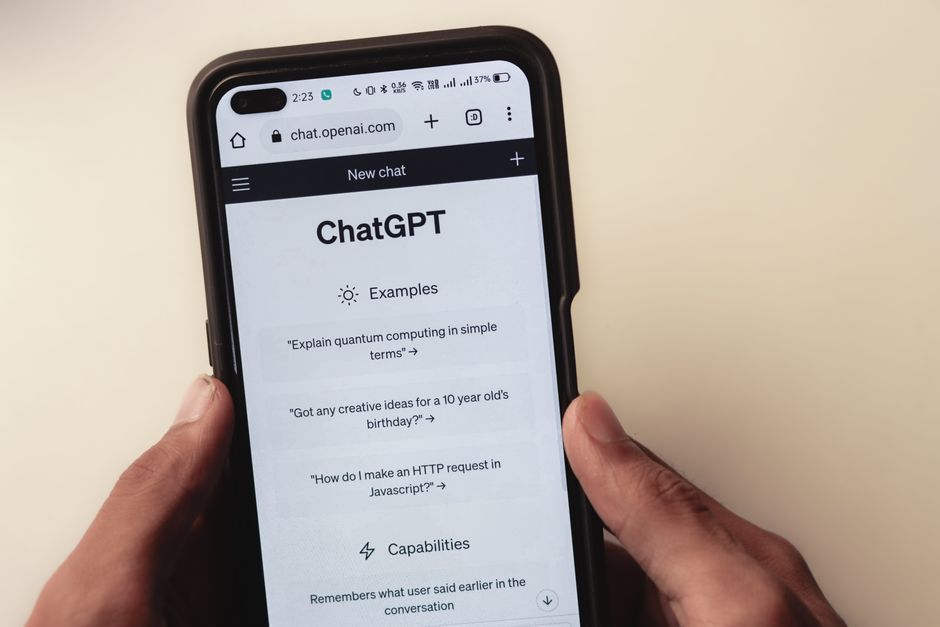
Specificați rolul, sarcina și contextul la începutul fiecărui prompt pentru a bloca claritatea și a accelera rezultatele. Sunteți un mentor pentru studenții mei; faceți o Sarcină clară: conturați o lecție de 60 de minute pentru engleză, concentrându-vă pe abilități cheie; Context: audiență – elevi din orice țară; Ziua: 1; Ieșire: un plan structurat și o postare scurtă pentru o postare, salvată ca fișier.
Pentru a asigura consistența, formulați rolul, sarcina și contextul într-un singur loc și păstrați tonul practic. Folosiți un stil prietenos, setați ieșiri explicite și includeți restricții de format fișier (fișier) astfel încât să obțineți rezultate acționabile de la chatgpt. Includeți recomandări pentru sarcină și urmați regula instrucțiunilor concise, neambigue, astfel încât fiecare element să se alinieze clar cu obiectivul lecției și limitele sale.
Șabloane și Exemple
Exemplu 1: Sunteți un mentor pentru studenții mei; Sarcină: faceți extinde o lecție de 60 de minute pe limba engleză, concentrându-vă pe abilități cheie; Context: orice țară; Ziua: 1; Ieșire: plan structurat al lecției + postare scurtă (postare) pentru blog, salvată ca fișier (fișier); Stil: prietenos, clar; Formulați pași înțelesibili și exemple.
Exemplu 2: Sunteți un mentor; Sarcină: faceți un exercițiu practic pe gramatică și lexic; Context: zi, pentru studenții mei; Ieșire: listă de verificare din 5–7 întrebări și mini-postare pentru postare; Limbă: engleză; Fișier: salvați în fișier; Recomandări: urmați regula concis și la obiect, astfel încât fiecare element să fie util și aplicabil în muncă.
Folosiți Șabloane de Prompturi Text Concrete și Adaptați-le pentru Scenarii Diferite de Clasă
Începeți cu o recomandare concretă: folosiți un șablon de prompt fix și completați golurile pentru fiecare lecție. În acest articol, profesorii obțin rapid răspunsuri clare de la elevi și pot reutiliza prompturi funcționale peste unități. Prin numirea 1) rol, 2) sarcină, 3) audiență, 4) format și 5) restricții, generați o ieșire curată care se potrivește în planul lecției. Scrieți prompturi în engleză pentru consistență în sălile de clasă bilingve, apoi adaptați la sistemul dvs. (sistem) și la nivelul elevilor. Includeți 1–2 întrebări pentru a verifica înțelegerea și invita practică. Scopul este să adunați date din munca elevilor și să produceți rezultate concrete care se potrivesc volumului lecției. Specificați lungimea, cum ar fi 4 propoziții sau un paragraf de 150 de cuvinte, și cereți ca elevii să folosească cuvinte precis și în context. Folosiți această abordare pentru a construi un ritm constant de sarcini care se aliniază cu obiectivele dvs. și rutinele de clasă.
Șabloane concrete pe care le puteți implementa acum
Șablon A – Prompt de explicație: Rol: sunteți un tutor de științe. Sarcină: explicați un concept în 4 propoziții. Audiență: elevi de clasa a 9-a. Format: paragraf. Restricții: evitați jargonul, includeți un exemplu din lumea reală, terminați cu două întrebări. Exemplu de prompt: „Rol: sunteți un tutor de științe. Sarcină: explicați fotosinteza în patru propoziții. Audiență: elevi de clasa a 9-a. Format: paragraf. Restricții: evitați jargonul, includeți un exemplu din lumea reală, terminați cu două întrebări.” Scrieți promptul în engleză și apoi indicați orice schelete necesare pentru a susține elevii care au nevoie de ghidare suplimentară.
Șablon B – Prompt de analiză: Rol: sunteți un recenzor de date. Sarcină: comparați două surse și evidențiați similarități și diferențe. Audiență: clasă de clasa a 11-a. Format: două paragrafe scurte. Restricții: citați date din ambele surse, includeți două criterii, terminați cu o sinteză scurtă. Exemplu de prompt: „Rol: sunteți un recenzor de date. Sarcină: comparați Sursa A și Sursa B, notând similarități și diferențe. Audiență: clasă de clasa a 11-a. Format: două paragrafe scurte. Restricții: citați date din ambele surse, folosiți cel puțin trei puncte de date, terminați cu o sinteză concisă.” Indicați criterii clare de evaluare și adăugați o întrebare scurtă pentru verificarea înțelegerii.
Șablon C – Prompt de auto-verificare: Rol: sunteți un antrenor de studiu. Sarcină: ghidați elevul să evalueze învățarea și să planifice practica. Audiență: elev individual. Format: reflecție scurtă. Restricții: listați 3 puncte forte, 2 lacune și 1 pas de acțiune pentru lecția următoare. Exemplu de prompt: „Rol: sunteți un antrenor de studiu. Sarcină: ghidați elevul să evalueze înțelegerea și să planifice practica pentru următoarele trei zile. Audiență: elev. Format: reflecție scurtă. Restricții: 3 puncte forte, 2 zone de îmbunătățit, 1 acțiune concretă.” Acest șablon susține repetiția și ajută la construirea autonomiei (auto-suficienței) în prompturi ruso-engleze, dar util.
Adaptarea șabloanelor pentru scenarii diferite de clasă
Pentru un warm-up rapid, scurtați lungimea la 2–3 propoziții și adăugați 1 întrebare pentru a implica gândirea. În grupuri mici, atribuiți roluri (scrib, vorbitor, analist) și cereți ca fiecare rol să contribuie cu un paragraf care consolidează răspunsul general. Pentru clase de limbă, adăugați vocabular, furnizați definiții simple și promptați ieșire bilingvă când este posibil; indicați traducere sau alegeri de sinonime pentru a susține semantica. În lecții de laborator sau bogate în date, integrați observații din jurnale de laborator (date) și cereți descrieri scurte de date sau o interpretare simplă a unei tabele. Pentru lecții remote sau hibride, publicați promptul cu data limită și o rubrică concisă care specifică volumul ieșirii (de exemplu, 150–200 cuvinte) și termenele limită. Folosiți subtitluri pentru a separa direcțiunile și asigurați-vă că audiența înțelege apelul la răspuns (apel la acțiune). În fiecare caz, păstrați apelul clar și folosiți prompturi englezești pentru a urmări stăpânirea abilităților lingvistice, apoi adaptați pentru audiența țintă și direcția de învățare.
Exemple: Prompturi pentru Planificarea Lecțiilor, Suport Elevi și Feedback de Evaluare
Recomandare: Începeți cu un obiectiv clar și prezentați un prompt în trei părți care produce un plan de lecție, sarcini de suport elevi și un șablon de feedback de evaluare. Folosiți teze pentru scopuri, adăugați activități concrete și atașați o explicație pentru fiecare pas. Această metodă funcționează excelent pentru începători și se scalează pentru profesori experimentați. De asemenea, includeți modele prezente de prompturi pentru a ilustra cum chatgpt poate modela procesul și rezultatele dvs. (chatgpt).
Exemplu de prompt pentru Planificarea Lecțiilor: Proiectați o unitate de 60 de minute pe un subiect ales pentru o clasă dată. Pentru fiecare lecție, prezentați un obiectiv specific (teze) și o secvență detaliată de activități, inclusiv materiale, timing și o formulare a criteriilor de succes. Furnizați o explicație pentru de ce fiecare activitate susține învățarea și adaptați sarcinile pentru elevi diverși (începători). Includeți prompturi de scriere în stil IELTS pentru a ajuta elevii să compună răspunsuri englezești de înaltă calitate și oferiți un e-mail scurt familiilor în engleză care descrie unitatea și cum să susțină acasă. Adăugați un punct de consolidare care verifică progresul și reținerea, cu pași următori clari pentru planurile dvs. Asigurați-vă că promptul produce un contur de lecție gata de utilizat pe care îl puteți copia, adapta și reutiliza.
Exemplu de prompt pentru Suport Elevi: Creați un plan săptămânal concentrat pe suport elevi și bunăstare. Includeți șabloane de răspunsuri model la preocupări comune, un script de check-in de 5 minute și modele de limbaj suportiv. Pentru fiecare grup de elevi, prezentați strategii țintite care îmbunătățesc implicarea și reduc anxietatea, cu prompturi care ascultă vocii elevilor și furnizați sarcini scurte pentru a practica engleza după caz. Includeți un e-mail simplu familiilor în engleză care rezumă suporturile săptămânii și cum să monitorizeze progresul. Asigurați-vă că planul acoperă exersări ale abilităților cheie și oferă sfaturi pentru a transforma feedback-ul în pași acționabili pe care elevii îi pot implementa a doua zi.
Exemplu de prompt pentru Feedback de Evaluare: Generați feedback care este clar, acționabil și aliniat la o rubrică. Furnizați două niveluri de comentarii: pentru elevi și note pentru profesori. Pentru fiecare criteriu, furnizați o formulare concisă a succesului, notați rezultatul obținut și propuneți pașii următori spre rezultatul dorit. Folosiți limbaj concret, specific care ajută elevii să identifice ce să îmbunătățească în termeni înțelesibili. Includeți șabloane opționale pentru a trimite feedback prin scrisoare sau un e-mail elevilor și părinților în engleză și atașați idei pentru exersări pentru a aborda lacunele. Dacă promptul vizează sarcini la nivel IELTS, încorporați exemplare și răspunsuri model pentru a ilustra așteptările, apoi adaptați pentru elevi individuali astfel încât fiecare elev să poată crește.
Controlați Stilul Ieșirii, Lungimea și Formatarea pentru a se Potrivi Activităților de Clasă
Setați o lungime strictă de ieșire pentru fiecare sarcină: limitați la 3–5 propoziții sau un paragraf de 120–150 cuvinte și cereți un format clar cum ar fi o listă cu puncte sau un contur pas cu pas scurt. Folosiți informații concise (informații) și încadrați-vă în limită; evitați proza prea lungă care distrage de la sarcină. Pentru evaluare formală, specificați stilul ideal (neutru la formal) și audiența, fie că este o cuvântare, scrisoare sau text simplu. Dacă elevii trebuie să audă idei cheie, solicitați un rezumat scurt, în limbaj simplu care se potrivește timpului disponibil în clasă.
- Lungime după activitate: Verificări rapide 1–2 propoziții; note de practică sau răspunsuri în 3–5 puncte; eseuri scurte de 150–200 cuvinte; rapoarte de laborator cu 3–4 secțiuni structurate.
- Controale de formatare: folosiți liste cu puncte sau pași numerotați, păstrați titlurile text simplu și separați secțiunile cu paragrafe scurte pentru a îmbunătăți lizibilitatea. Separați ideile clar, folosind punctuație simplă pentru a ghida ascultătorii.
- Stil și voce: alegeți un ton potrivit pentru sarcină (formal, neutru sau prietenos). Folosiți cuvinte simple pentru a crește înțelegerea și specificați dacă să imite o cuvântare scurtă sau o scrisoare formală. Dacă scopul este practică, amestecați cuvinte exemplu (cuvinte) pe care elevii ar trebui să le recunoască.
- Restricții de conținut: cereți doar informațiile necesare (necesare) și evitați umplutura. Stabiliți așteptări pentru concizie și claritate și instruiți chatgpt să producă în limba țintă cu structuri de propoziții directe (simple).
- Verificări de calitate: adăugați întrebări (întrebări) pentru a verifica înțelegerea, solicitați exemple pentru a ilustra puncte și includeți o rubrică scurtă de evaluare pentru a ghida dezvoltarea abilităților și a măsura rezultatul.
- Buclă de feedback: întrebați utilizatorii să confirme dacă ieșirea se aliniază cu obiectivele și încurajați ajustări folosind prompturi rapide care se concentrează pe lizibilitate și acuratețe.
Șabloane de prompt practice ajută elevii să stăpânească controlul asupra ieșirii:
- Prompt de rezumat rapid: ChatGPT, furnizați 4 propoziții concise care rezumă subiectul. Folosiți cuvinte simple, formatați ca o listă cu puncte scurtă și limitați la 4 puncte. Separați ideile clar.
- Procedură pas cu pas: ChatGPT, conturați procesul în 5 pași numerotați. Fiecare pas ar trebui să fie o propoziție, să fie foarte clar și să folosească ton neutru.
- Paragraf structurat pentru scrisori: ChatGPT, scrieți o scrisoare scurtă (scrisori) în 120–150 cuvinte adresată unei audiențe de clasă. Începeți cu un scop de o propoziție, urmat de două paragrafe scurte și o linie de încheiere; păstrați stilul simplu și accesibil.
- Prompturi de discuție pentru întrebări: ChatGPT, listați 6 întrebări (întrebări) pentru a prompta discuția. Prezentați ca o listă cu puncte, fiecare întrebare concisă și acționabilă și evitați termeni prea tehnici.
La configurarea prompturilor pentru utilizatori, combinați restricțiile clar: specificați lungimea, formatarea și stilul folosind fraze precum „folosind liste cu puncte”, „în 4–6 linii” sau „ca un contur scurt.” Această abordare ajută elevii să audă așteptările în munca lor și accelerează dezvoltarea abilităților în timp ce livrează rezultate măsurabile (rezultate) într-un cadru de clasă. Folosiți setul de cuvinte frecvent pentru a întări așteptările (folosiți) și pentru a practica comunicarea precisă cu chatgpt. Pentru muncă în clasă, furnizați modele (șabloane) și încurajați elevii să le adapteze rapid (rapid) pentru subiecte diferite, asigurând că instrucțiunile (informații) rămân consistente peste sarcini. Utilizatorii și profesorii pot ajusta prompturile pentru a se potrivi tipului de activitate, păstrând ieșirile țintite și utile pentru activitatea la îndemână (muncă).
AI + Profesor în Clasă Online: Roluri Clare, Fluxuri de Colaborare și Metode de Evaluare
Recomandare: atribuiți AI-ului să fie un antrenor cooperativ și motor de sarcini, în timp ce profesorul conduce pedagogia și conexiunea personală. Lăsați AI să redacteze exemple de prompturi în engleză, să genereze explicații scurte și să înregistreze date de sesiuni, astfel încât formatul dvs. să rămână slab și previzibil. Folosiți prompturi naturale și o structură curată astfel încât studenții să primească ghidare înțelesibilă în timpul fiecărei activități.
Definiți roluri și limite clare: AI acționează ca co-profesor și asistent, gestionând sarcini de rutină, feedback rapid și urmărirea progresului; profesorul proiectează obiective de învățare, curățează subiecte (teme) și livrează feedback de impact înalt. Specificați responsabilitățile cu un brief în stil scrisoare: ce ar trebui și nu ar trebui să facă AI, cum să ridice semnale de alarmă și când să escaladeze la dvs. pentru judecată umană. Folosiți o singură sursă de adevăr pentru proprietatea sarcinilor pentru a evita confuzia peste sesiuni.
Fluxuri de colaborare se împart în trei cadențe: configurare pre-clasă, sesiuni live și follow-up post-clasă. În pre-clasă, profesorul conturează subiecte și rezultate (dorite), iar AI generează warm-up-uri, prompturi de practică (prompturi) și un diagnostic rapid. În timpul sesiuni live, AI urmărește răspunsurile, semnalează modele de neînțelegere și furnizează un scaffold live, în timp ce profesorul facilitează discuția și explicația mai profundă. În post-clasă, AI distribuie un recap concis (postare) și articole de acțiune, iar profesorul adaugă feedback adaptat. Acest flux de lucru păstrează ritmul natural și reduce sarcina cognitivă pentru elevi.
Metode de evaluare se bazează pe o rubrică ușoară, transparentă și analize acționabile. Folosiți o rubrică cu 4 criterii: claritatea explicației, acuratețea conținutului, aplicarea la scenarii reale și implicarea elevilor. Urmăriți metrici precum rata de finalizare (țintiți 85–92% pe săptămână), timp mediu pe sarcină și îmbunătățire în abilități țintite (pentru subiecte de limbă engleză, monitorizați sarcini de vorbire și scriere peste două până la patru săptămâni). Colectați insights din sondaje rapide post-sesiune pentru a ajusta prompturi și subiecte pentru sesiuni viitoare.
Proiectați prompturi într-un format ușor de reutilizat și adaptat. Un șablon standard păstrează ieșirile consistente:
Șablon: Explicați [subiect] unui elev de [nivel elev] în [limbă], furnizați 3 exemple din lumea reală și terminați cu 2 întrebări de practică. Includeți o explicație scurtă în limbaj natural și notați o neînțelegere comună. Dacă este aplicabil, oferiți o activitate corectivă scurtă. Promptul ar trebui să fie modular astfel încât să puteți schimba subiectul, nivelul sau limba fără a rescrie întregul prompt.
Pentru a alinia echipa, indicați un set scurt de ghiduri: formate concise, explicații înțelese și exemple funcționale pentru fiecare subiect. În prompturile dvs., păstrați tonul suportiv și natural; evitați formulări grele în jargon care ar putea frustra elevii. Cu o astfel de structură, puteți separați obiectivele între AI și profesor în timp ce mențineți o limbă coerentă și un ritm consistent.
Sfaturi de implementare practică: începeți cu un pilot de 4 săptămâni, înregistrați rezultatele săptămânal și ajustați prompturile pe baza feedback-ului elevilor. Programați sesiuni sincronizate de două ori pe săptămână și setați prompturi asincrone pentru muncă independentă între ele. Folosiți un dashboard partajat pentru a vizualiza progresul și lăsați profesorul să revizuiască rezumatele generate de AI pentru a adăuga note de coaching personalizate. Păstrați manipularea datelor elevilor transparentă și conștientă de confidențialitate pentru a menține încrederea peste toate subiectele.
Exemple de prompturi eficiente pentru lecții online:
Prompt A: Explicați fotosinteza unui elev de engleză B1 în engleză simplă, dați 3 analogii din viața de zi cu zi, apoi puneți 2 întrebări de practică și o sarcină rapidă de detectare a erorilor. După, furnizați un rezumat de 2 propoziții potrivit pentru o postare în portalul cursului.
Prompt B: Rezumați ultima lecție despre timpuri verbale, evidențiați 3 greșeli comune, oferiți o mini-activitate corectivă și livrați o scrisoare de 1 pagină elevului cu sfaturi țintite pentru sesiunea următoare.
Prompt C: Creați un prompt scurt de dezbatere pe un subiect contemporan legat de procesul de învățare a limbii, includeți 2 roluri pentru colegi și generați 2 întrebări de reflecție pentru a posta ca feedback în forum.
📚 Mai mult despre Generare AI & Prompturi
- Prompt Engineering - Cum să Scrieți Prompturi Eficiente pentru ChatGPT
- Cum să Scrieți Prompturi pentru ChatGPT - Practici de Bune pentru Crearea de Prompturi
- Prompt Dog Tag pentru ChatGPT - Cum să Creați Prompturi AI Eficiente
- Cum să Scrieți un Prompt Eficient pentru ChatGPT - Un Ghid Practic
- Cum să Scrieți Prompturi Eficiente pentru ChatGPT - Secrete, Sfaturi și Life Hacks
Ready to leverage AI for your business?
Book a free strategy call — no strings attached.