Shopify SEO Checklist - The Beginner's Guide (2026)


Enable a clean robotstxt and publish a sitemap immediately to guide crawlers and speed up indexing.
In a store-focused setup, mark types of pages to crawl: product, collection, article, and category pages. Add schema markup for product, offer, and review data so search engines surface rich results. Include info about stock, price, and availability to improve clicks. Keep URLs pretty and consistent to help ranking onto pages higher in results.
Use an accessible robotstxt baseline that blocks login, checkout, and duplicate session content while allowing product, collection, and blog pages. Ensure canonical refs are correct and that autocomplete and suggest features on search box don’t reveal internal paths. An essential setup for budget-friendly crawls and faster learning.
On-site search improvements: enable autocomplete with relevant product types; show suggest results for shoes and other popular items. Use a model of user queries and test click-through on calls to action like "Add to cart" or "View details." For example, a user looking for "running shoes" should see direct suggestions and optimized path onto cart.
Content plan: publish a concise article around product categories, buying guides, and sizing. Tie pages with internal links so browsing flows from entry to product. Use schema types and physical store data if any; this boosts local intent if you operate brick-and-mortar. Track info about visits and conversions to prove wins and justify tweaks.
Analytics and testing: run small A/B tests on titles, meta, and
Analytics and testing: run small A/B tests on titles, meta, and images to lift click rates; monitor budget after each change; monitor index coverage and canonical issues. When you adjust, pages help users browse effectively and escalate ranking over time. Continue updates, then measure results weekly.
Monitor your results and update your website on a regular basis
Set a fixed cadence: review performance metrics weekly and apply at least one update within 72 hours, keeping a running log and using an all-in-one dashboard to help monitor capacity and impact.
Focus on a wider set of signals: traffic from google, search engagement, conversions, revenue, average order value, and product-specific metrics like add-to-cart and inventory velocity. Use templates to standardize reporting and identify shifts quickly. Keeping reporting structures consistent is important for cross-team reviews.
Audit and optimize pages: update meta titles and meta descriptions, apply modifiers to product variants (size, color, price), and adjust page templates to better describe benefits. This practice generates higher relevancy and value, and sandals page sells more.
Detect broken pages and dead links: run monthly crawls, fix broken links within 48 hours, and redirect dead pages to preserve link equity and search visibility. This reduces error reports and helps google understand site health.
Content strategy and blogging: publish weekly posts describing products, focusing on benefits and use cases; use meta descriptions to reinforce intent and boost search relevance. This blogging enhances category pages and generates richer context for the audience, increasing reach. Maintain a comprehensive content plan.
Testing and iteration: generate hypotheses from analytics, run tests on image templates, descriptions, and modifiers, measure impact on conversion rate, revenue, and engagement, and scale what works to increase value. Capture changes and their effects.
Measurement and visibility: set up comprehensive dashboards that show wider metrics, track changes in AOV and revenue, monitor bounce rate, and dive into the google Search Console data to spot shifts; keep a regular schedule to increase coverage.
Aleyda notes that love for customers should guide changes; keep
aleyda notes that love for customers should guide changes; keep content fresh, accurate, and useful; align updates with the brand and user intent.
Define precise SEO KPIs and target thresholds
Set tailored KPIs for traffic, engagement, technical health, and revenue signals. Below targets guide action for stores of different sizes, including gifts collections and price pages. Use ubersuggest for keyword research gaps, verify data via auditing workflows, and sleep on metrics to turn insights into changes.
- Traffic and engagement
- Target organic sessions: +25–40% over next 6 months.
- New visitors share: 60–70% of sessions.
- Bounce rate: below current baseline by 15–20%.
- Average session duration: +10–25%.
- Visibility and rankings
- Primary keywords: exactly 15 terms in top 3; 40 terms in top 10.
- Indexable pages: 95%+ indexed; fix below-threshold pages within 14 days.
- Technical health
- Core Web Vitals: LCP under 2.5s; CLS under 0.1; FID under 100 ms; TBT minimized.
- Page speed improvements: align mobile and desktop performance with core metrics.
- Accessibility: ensure alt attributes on all images and navigable UI for screen readers.
- Structured data and verification
- Product pages: json-ld present; verified via Google Rich results tests; 100% coverage; gifts and price data included.
- Content quality and links
- Alt text coverage: 100% of product images have descriptive alt text.
- Internal linking: build a robust cluster with at least 8 internal links per top product page.
- New content cadence: tutorials published monthly; 2–3 buyer guides per quarter.
Conversion and revenue signals Order rate from organic traffic:
- Conversion and revenue signals
- Order rate from organic traffic: 2–4% across major categories.
- Average order value (AOV): +8–15% over 6 months.
- Cart abandonment rate: reduce by 10–15% via optimized checkout, tailored offers (including gifts).
- Auditing and governance
- Auditing cadence: weekly quick checks; monthly deep dive.
- Verified schema markup: maintain a list of pages with issues; fix within 7–14 days.
- Tools: adopt avada dashboards; run explorer mode; run bloggle experiments to validate structural changes.
Data sources include ubersuggest, Google Search Console, and analytics. Build a json-ld driven foundation across product and collection pages, keeping price data accurate and accessible. Use gifts as a content angle to test people behavior signals, and iterate on a steady cadence to turn insights into real business gains.
Review analytics and Search Console data weekly to spot trends
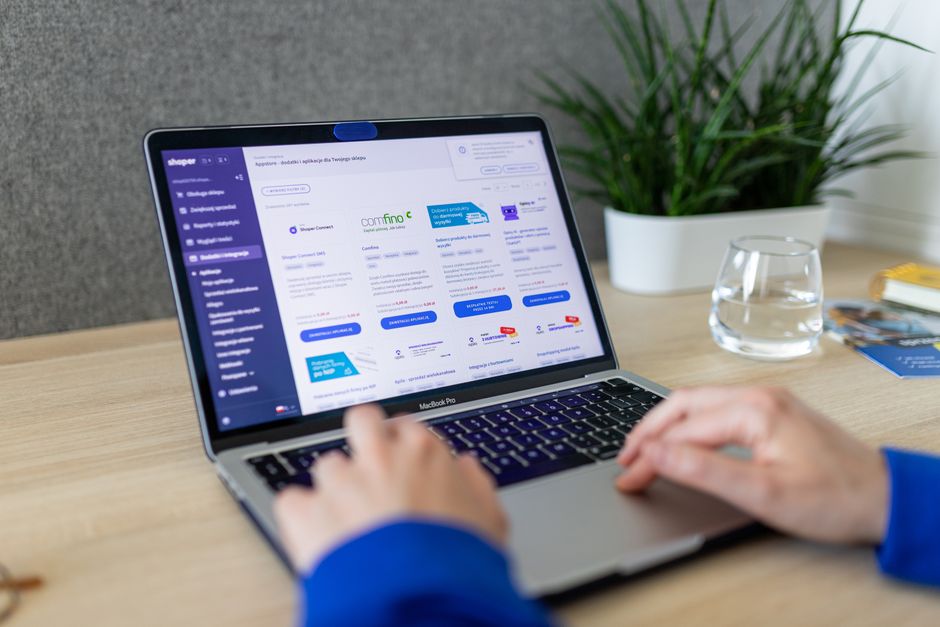
Start by exporting the last 7 days from Google Analytics and Search Console. Compare with prior 4 weeks to spot trend in impressions, clicks, CTR, and average position. Use data provided by both sources to set a baseline for digital presence and progress.
Maintain a tight loop by storing weekly metrics in a shared sheet. Note top pages, top queries, and device splits. Group findings by variations of content, devices, and intent aspects.
For pages with loads of impressions but low CTR, craft sharper titles and meta descriptions; fix internal linking to improve presence.
Monthly trend review helps track progress for each part of site
Monthly trend review helps track progress for each part of site and content mix. Set concrete tasks for optimizer and expert bloggers to push improvements.
Regularly compare performance against competition with semrush insights; look for variety in search intents and interest signals.
Wanting faster wins? Align content with user intent, refine on-page signals, and enhance linking structure.
Office routines support accountability: schedule a weekly review, document actions, and recheck results. Regular reviews increase digital presence.
| Metric | Week 1 | Week 2 | Week 3 | Action |
|---|---|---|---|---|
| Impressions | 12,400 | 12,900 | 13,350 | Increase variations of top pages and refine targeting |
| Clicks | 1,140 | 1,210 | 1,230 | Improve linking to high-value pages |
| CTR | 9.2% | 9.4% | 9.2% | Test better meta and snippets |
| Avg position | 8.6 | 8.1 | 7.9 | Focus on low-difficulty topics |
| Top Pages | /category/footwear | /category/footwear/run | /product/alpha-sneaker | Improve internal linking to product pages |
| Top Queries | "buy shoes" | "best running shoes" | "athletic sneakers" | Refine content around intent |
Run a technical crawl to fix broken links, redirects, and crawl
Run a technical crawl to fix broken links, redirects, and crawl errors
Start with a full scan of every URL using a robust crawler. Focus scope on internal links, canonical checks, redirects, and crawl errors. Ensure http and https variants are mapped, and that assets and post bodies are included so issues surface in posts and group pages. This scan should yield data-rich output showing status codes, broken paths, and redirect chains. Importantly, assign owners, deadlines, and a fix priority, then run a second pass to confirm result is steady. youd see quick wins for high-traffic posts and news posts. Export mozs groups for downstream correlation with sales and offers; chart progress over time to visualize impact on performance. Power of automation helps you attract steady traffic and improve digital results.
Configure crawl settings: include both http and https, follow
- Configure crawl settings: include both http and https, follow redirects, respect robots.txt, and limit crawl depth to mirror user navigation. Capture 200, 301, 302, 404, and 5xx status codes; flag redirect chains longer than two hops.
- Run crawl and categorize issues: separate broken links, redirects, and crawl errors by page type (posts, product pages, category pages) and by severity. Generate a chart that shows counts by type and by group so priorities are crystal clear.
- Fix broken internal links: update anchors and nav items, replace dead references with relevant pages, and apply 301 redirects to closest matching pages. Audit post content to remove links pointing to outdated resources.
- Refine redirects: prune chains, prevent loops, and ensure final destinations match intent. Keep redirects to 1-2 hops when possible and update sitemaps to reflect current structure.
- Resolve crawl blockers: remove misconfigured blocks in robots.txt, fix canonical conflicts, and ensure critical assets load without blocking by servers. After changes, re-run crawl to verify no critical issues remain.
- Validate impact and maintain watch: dont ignore 4xx spikes or new redirect errors; compare pre- and post-fix metrics, track reductions in error counts, and measure impact on engagement and conversions. Set alerts for sudden spikes in 4xx/5xx to stay ahead.
Monitor site speed and optimize Core Web Vitals for Shopify
Monitor site speed and optimize Core Web Vitals for Shopify
Baseline: run Lighthouse and PageSpeed Insights to determine Core Web Vitals: LCP, CLS, INP. Targets: quicker rendering, LCP ≤ 2.5s, CLS ≤ 0.1, INP ≤ 200ms. List top offenders and fix in order of impact; start with images, fonts, and render-blocking resources. Conduct regular audits every 4 weeks to confirm gains.
To reduce payloads, prune unused CSS/JS files, remove unnecessary apps, and consolidate assets. Inline critical CSS, defer non-critical scripts, and load third-party widgets asynchronously. For product pages, consider preloading key resources and loading off-screen assets with loading="lazy".
Images account for most bytes; compress product photos to under 100–200 KB where possible; convert to WebP; use responsive srcset; set width and height attributes to reserve space and prevent shifts. Enable lazy loading for off-screen visuals, including gifts, headphones, cameras, and other items. Use white backdrops to keep visual rhythm stable and reduce CLS.
Footer content can trigger layout shifts if widgets inject after load. Reserve space with min-height rules for dynamic blocks, and defer non-essential widgets. Eliminate heavy carousels in the footer or replace with lightweight sliders. This improves usability and presence in viewports across devices.
Fonts and icons often block rendering
Fonts and icons often block rendering. Prefer system fonts or subset web fonts; use font-display: swap and preconnect for font hosts. Remove excessive font variants; ensure required settings load fast, limiting total requests. Check settings in theme files and apps to ensure only files that are required load on initial paint. That has meaning for developers and content teams.
Testing cadence: after changes, run a fresh audit and compare results by pages: home, collection, product, and cart. Track descriptions and alt text as part of content presence; use the listed assets to identify images and files that still cause shifts. Youll measure TTI and CLS improvements, then iterate. A quick win is to reduce file sizes by 30–50% for top assets; that quicker path helps you compete for conversions.
Plan and execute content updates for product pages and blog posts
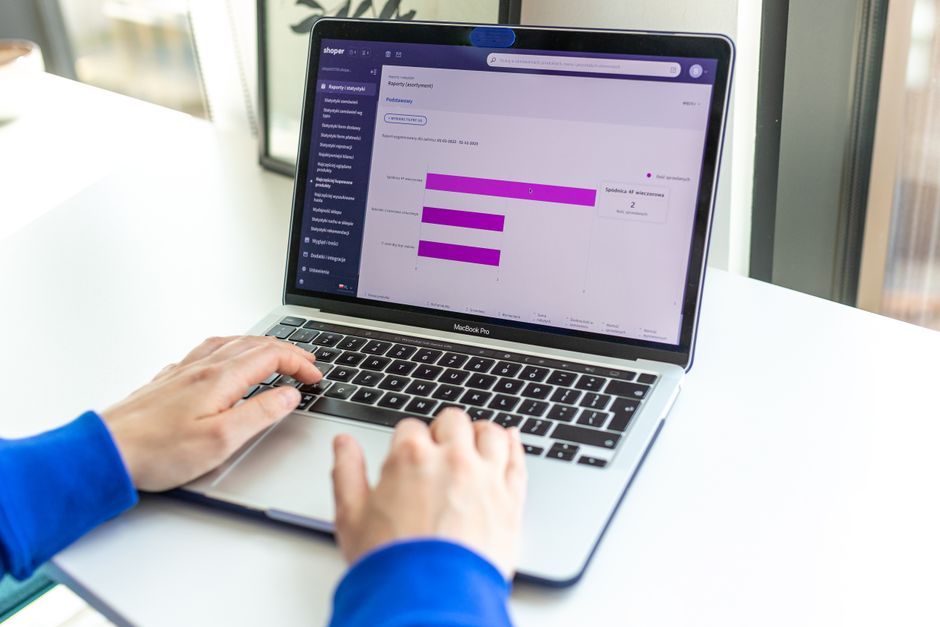
Start with a data-driven content audit across product pages and blog posts, then map updates into a 90-day calendar. Highlight high-traffic pages, evergreen topics, and orphan assets lacking internal links. fact: refreshed pages lift engagement and conversion signals; tons of data supports updates in each sprint, especially when focus remains on user intent.
Create a concise content brief for each update: objective, proposed changes, target keywords, internal links, visual assets, and a clear CTA. Organize briefs in a shared feeds folder accessible to product managers, writers, designers, and supplier teams. Briefs describe how product pages will present womens offerings and how blog posts will feed timely topics, keeping user-friendly layouts at center.
Execute updates in 2–4 week sprints, starting with high-priority pages. Use seo-optimized descriptions and optimised product copy, replacing outdated facts with fresh data, and adding structured data where applicable. Ensure image alt texts are descriptive, and include schema for reviews, price, and stock.
Assign a manager to oversee progress; use avada as a starter theme for consistent blocks, templates, and reusable sections. Build a workflow that tracks progress in a shared dashboard, flags orphan pages for immediate linking, and triggers reminders when a page misses its update window.
Quality checks: verify fact accuracy, tone alignment, and accessibility. Use feeds from analytics and CRM to measure impact; track changes in metrics like time on page, scroll depth, and conversions. Prepare an instance of before/after comparisons to illustrate impact.
Question prompts for content creators: does copy clearly answer shoppers' needs, highlight benefits, and show how items fit into routines? besides, add FAQs, warranties, and supplier details when relevant.
Plan for titled and metadata: organise title tags, headings, and meta descriptions to align with seo-optimized pages and avoid cannibalisation.
Monitor feedback: track user signals via feeds, collect external reviews, and adjust plans. Include a side channel for team comments, besides main dashboards.
Result: boosting engagement, reducing orphan pages, and creating a cohesive product-blog narrative. Avada-driven templates help managers scale updates across dozens of SKUs.
📚 More on SEO & Digital Marketing
- Shopify Canonical URL Guide - How to Fix Duplicate Content and Improve SEO
- 10-Step SEO Audit for E-commerce - A Practical Guide (2026)
- Shopify SEO Apps - Are They Worth It? A Practical Guide to Boosting Your Store's Visibility
- Ecommerce SEO 2026 - The Complete Guide to Strategy and Trends
- 2026 Ecommerce Content Marketing Planning Guide - Trends, AI Workflows, and Strategy to Crush Your Goals
Ready to leverage AI for your business?
Book a free strategy call — no strings attached.


