The Ultimate SEO Guide for 2026 - Trends, Tactics & Actionable Strategies


Begin with a mobile-first audit and fix Core Web Vitals within 14 days. This action lifts average page speed to under 3 seconds and drives organic click-through by up to 25% across news and product areas.
Understanding how language signals and content types drives relevance in search results matters. Map current assets by intent, then refine pages based on e-a-t signals such as authority, trust, and experience.
Local, location-based signals help small businesses gain visibility in maps and local packs. Set a concrete goal: lift local clicks by 15% in 30 days by updating NAP consistency, reviews, and schema markup.
Smart content architecture centers on components such as titles, meta, FAQ, and structured data. Build a modular structure with smarter templates that adapt across devices and language variants. This supports mobile-friendliness and refine workflow.
Automated data collection helps teams scale decisions. Set a goal that tracks CTR, dwell time, and on-page interactions. Use these signals to refine priorities across areas such as content, technical, and local.
Address frustration by sharing whats-new updates. Include a whats list of action items. A concise digest shows changes, tests, and expected impact so everyone gains understanding and can give quick feedback.
Apply a disciplined approach to areas that move rankings: focus on content quality, internal linking, and site health. Maintain language variants, run tests, and rely on data-driven bets. Use a practical checklist covering types of pages, location-based signals, and mobile-friendliness improvements.
Practical SEO Playbook for 2025: Tactics That Actually Move Search Rankings
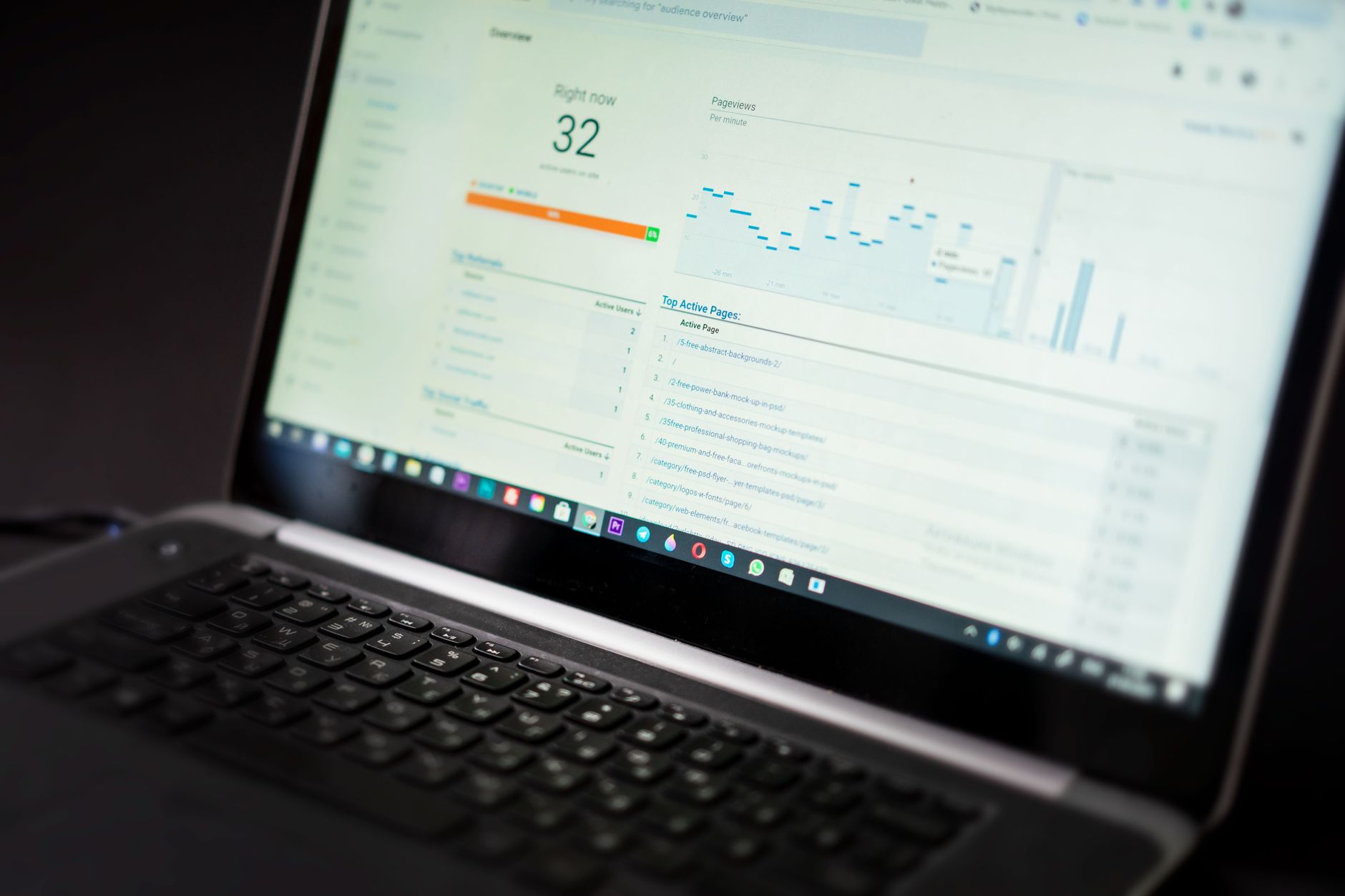
Audit existing content to identify gaps in topics and build a cornerstone page that anchors a cluster of related posts. Start with a 1-page pillar that summarizes core questions, then map 6–8 supporting pages. This structure often yields 2x–4x higher rankings among cluster pages within 90 days.
Organize content around small topic clusters, with 3–7 supporting pages; size cap helps sustain relevance; publish 2–3 cluster updates per quarter.
Importantly, targeting strategy: shift from generic to intent-driven phrases; map each phrase to a user question and align content with topics.
Apply internal links: 2–4 links per page to pillar pages; spot opportunities to connect topics and reinforce cornerstone.
use free tool alongside analytics to gather metrics; included datasets provide context to decisions.
Zero-click optimization: craft concise answers aimed at featured snippets; this boosts visibility in internet search results.
Social outreach: add shareable summaries, chat-style FAQs, and prompts on social channels; improved clicks and organic reach.
Authors and contributors: assign clear parts; included byline and revision history; implement a 60–90 day review cadence.
Measurement and learning: track impressions, CTR, average position; use a simple weekly dashboard to follow progress.
Size of keywords: avoid chasing every topic; instead, target core topics and topical subtopics; shape phrases to match user intent.
Year-over-year tuning: maintain a living content calendar; learn from year-to-year performance, adjust plan.
Under this approach, teams including authors can follow a published playbook, learn from experiments, and tailor messages to audience segments; confidence grows as data stacks and zero-click signals rise in internet results, with cornerstones easily expanding reach, when you track the history of changes and apply lessons learned.
Technical SEO Audit: Crawl, Indexing, and Sitemap Fixes with a 72-Hour Plan
Run a 72-hour crawl-indexing triage and log-file analysis to surface blocking resources, 404s, redirects, and slow URLs; prioritize fixes by impact on coverage and speed. This article showing practical steps powered by ai-driven signals aims at conversions and trust.
0-6 hours: run ai-driven crawler, export crawl results, record 404s, blocked pages, duplicate contents, and misdirected canonical links; fill gaps in layout and internal navigation to improve searchers' access and engine discovery.
6-12 hours: repair critical 404s, fix incorrect redirects, update robots.txt, refine sitemap entries, ensure entry points on shopify storefronts and other enter pages remain crawlable.
12-24 hours: enhance internal linking, optimize layout for crawl efficiency, tag upgrade contents with priority signals, and prepare chat bots and ai-driven signals to speed up indexing.
24-48 hours: update sitemap, submit to engines, monitor results in coverage, and track potential conversions and speed changes.
48-72 hours: audit backlinks, verify guest pages and other enter points are indexed, review query signals and ai-driven suggestions, adapt targeting to align contents with search intent, confirm coverage remains future-ready. Weve observed that ai-driven signals correlate with faster indexing and higher results among online shoppers.
Core Web Vitals Roadmap: Set Targets, Measure Impact, and
Core Web Vitals Roadmap: Set Targets, Measure Impact, and Prioritize Fixes
Set a 3-month target: LCP under 2.5s, CLS under 0.1, and INP under 100ms on top 20 pages; review results weekly, adjusting based on observed impact.
Start with baseline audit using a compact model: crawl pages, map performance by layout, while semantically labeling elements to support optimization. Use neuronwriter to craft content alignment and ensure on-page signals align with user intent. Build a brief hierarchy that ranks fixes by estimated impact and required effort.
Craft a hierarchy of fixes starting with foundation items (server hints, CSS/JS load, image optimization) then move toward on-page signals (layout, design, structure). Apply a modeling approach to forecast expected gains per step, using small, testable changes. Tools like Lighthouse, WebPageTest, and neuronwriter help quantify impact.
Steps to implement: 1) audit baseline; 2) identify quick wins (image compression, lazy loading, font optimization); 3) implement changes with minimal risk: reserve layout space to reduce CLS; 4) measure impact weekly; 5) update plan. Maintain readability to satisfy engines; izabela's brief checklist guides this process. Small fixes can be tested with a single click on staging.
Metrics to track include LCP time, CLS score, INP score, and a small dashboard. Apply modeling to estimate long-term impact. Use tools like Lighthouse, Pagespeed Insights, neuronwriter, izabela's checklist; ensure both on-page and off-page signals are monitored, including link-building, while keeping user experience as priority.
Off-page signals, including link-building, influence traffic quality; meanwhile, on-page changes on content design and layout matter to engines indexing. use a structured workflow to apply fixes in small, testable steps, track impact with audit results, and update roadmap accordingly.
Foundation-centered approach yields a resilient structure and layout that support ongoing optimization. Use tools like neuronwriter to maintain semantic consistency across pages, ensuring semantically correct markup and accessible layout.
Structured Data Playbook: Implement FAQ, How-To, and Product Schemas for Rich Results

Starting with a focused planning session, apply guidelines that convert questions into structured data. First-hand insights from content owners help assess gaps and build trust with search systems. A robust approach influences featured results through well-structured markup and solid navigation. Use automated pipelines to keep boxes of data up to date, moving towards purchase-ready details for product pages such as rhinoplasty service listings.
- Content triage and modeling
- Assess each page’s fit: identify previous questions that map to FAQPage, how-to guidance that fits HowTo, and product or service pages suitable for Product schema. Craft a clear plan to model data and align it with user intent.
- Set goals and metrics: impressions, click-through rates, and on-page engagement, then monitor speeds of rendering rich results and transitions to a purchase path.
- Define schema mappings: determine CMS fields to populate mainEntity for FAQ, itemListElement for HowTo steps, and offers/price/availability for Product. Build a workflow that produces JSON-LD via a server-side pipeline, keeping automation reliable.
FAQPage implementation Craft a concise set of questions drawn
- FAQPage implementation
- Craft a concise set of questions drawn from previous customer inquiries, support tickets, and on-site search analytics. Pair each question with a precise answer that adds value and reduces friction between curiosity and conversion.
- Canonical and linking: set a canonical URL to the primary page and reference the FAQ page in navigation and breadcrumbs. This strengthens trust between pages and helps search engines index the most authoritative version.
- Examples and structure: include a few representative Qs about a rhinoplasty service, pricing, timelines, and aftercare. Ensure each answer is text focused and avoids marketing fluff.
- How-To schema implementation
- Describe a step-by-step process with clear, actionable items. Each step should carry a name, description, and position; include optional images or diagrams to support comprehension and reduce user effort.
- Prerequisites and duration: specify required tools, estimated time, and any safety notes. This helps users plan their trajectory and increases trust in the guidance.
- Automation and boxes: mirror How-To fields in data boxes within CMS, generating a consistent JSON-LD block server-side for eachHowTo page. Validate that steps render in the correct order and that any multimedia assets load quickly.
Product/schema implementation Detail pages: capture name, image,
- Product/schema implementation
- Detail pages: capture name, image, description, SKU, price, currency, availability, and seller information. Link to related services (e.g., consultation) to support cross-sell opportunities toward purchase intent.
- Pricing and offers: include price validity, sale flags, and shipping or service delivery constraints. Keep canonical pages aligned to prevent confusion between product and service representations.
- Trust signals: include aggregateRating if available, review snippets, and provenance for service quality. Use a consistent naming convention across product entries to improve modeling accuracy.
- Technical foundations and governance
- Server-side markup: generate JSON-LD in a robust, crawl-friendly location, minimizing client-side rendering dependencies that slow speeds and risk mismatch with canonical content.
- Canonical rotation: ensure canonical URLs remain stable; avoid duplicate snapshots across FAQ, How-To, and Product variants that could confuse search engines.
- Navigation and accessibility: structure breadcrumbs and site navigation to support user movement between sections, guiding guests toward relevant schemas without dead ends.
- Automated checks: implement a test suite that runs on deployment to catch missing fields, invalid types, or broken references before publishing.
- Validation, testing, and learning
- Use Rich Results Test and Search Console enhancements to confirm eligibility and identify markup gaps. Track which pages show featured results and iterate on low-performing entries.
- Continuous improvement: review search performance data monthly, adjust questions and steps, and expand the catalog of examples to cover more scenarios.
- Guest and internal validation: solicit feedback from stakeholders who publish the content, and adjust schemas based on real-world usage and inquiries.
Examples and templates FAQ example: a rhinoplasty service FAQs
- Examples and templates
- FAQ example: a rhinoplasty service FAQs page with Q: “What is the recovery time after rhinoplasty?” A: “Recovery typically spans 1–2 weeks, with most activities resuming after this period.”
- How-To example: a guide titled “How to prepare for a rhinoplasty consultation” outlining steps like scheduling, medical history review, and pre-op instructions.
- Product example: a cosmetic service page detailing price, availability, and appointment options, plus a rating snippet from previous clients.
- Maintenance and governance
- Update cadence: align schema updates with site content changes; prune outdated entries and refresh pricing or availability as needed.
- Quality control: implement a straightforward checklist to verify fields such as name, description, and position for each schema type, ensuring consistency across pages.
- Measurement: track impact on impressions, click-through rates, and conversions; use findings to refine prioritization between FAQ, How-To, and Product entries.
By building a cohesive framework that links guidance, schemas, and user journeys, you strengthen trust between visitors and your content while accelerating movement toward purchase and engagement milestones. Combine modeling with practical examples, and maintain a steady cadence of testing and refinement to stay ahead of competitive benchmarks.
Content Optimization for SERP Features: Create Formats that Win Snippets and Packs
Begin with a concrete move: publish a compact How-To block paired with concise FAQs. This aligns with qualified intents and boosts surfaces visibility, increasing chances of winning snippets and packs. Use exact-match phrasing, answerable questions, and numeric steps to catch user attention. Consider cross-linking to related articles to extend value online.
Structure formats that surface most often include Q&A blocks, numbered steps, tables, and bullet lists. Each format should be testable; writing concise answers like a mini-tutorial demonstrates practical steps. Use tags to mark sections: h2 headers for questions, h3 for steps, and data rows in tables. These elements support hundreds of queries and influence click-through rates.
Apply structured data via FAQPage and HowTo schemas; these tags surface in rich results on most surfaces. Use numbered steps, explicit numbers, and timing cues to increase clarity. netlz insights show higher click-through when tutorials present quick wins.
Content creation workflow: develop a packing of pieces–short snippet-friendly blocks, long-form articles, and personal case studies–that can be tested across surfaces. Align with current user intent and regional cues (south) when writing; this increases likely display across online surfaces.
Measurement and iteration: test dozens of combinations; hundreds of experiments; track CTR and time on page; adjust headings and tags; shift to bigger formats if results point upward.
Actionable tactics: use like comparisons to inform decisions, present statements that sell, tune personal tone; deliver something useful; structure content to lead toward purchase.
Notes on surfaces and current dynamics: when someone searches intent, most likely pattern is a hybrid: a short Q&A plus a stepwise writing piece; this demonstrates expertise and influence across hundreds of topics. netlz data indicates positive impact.
Backlink Strategy for 2025: Ethical Outreach, Link Quality Signals, and Risk Management
Begin with a credible outreach blueprint that prioritizes relevance, consent, and transparency.
Identify established, service-based publications with audience overlap, avoiding mass emails.
Quality signals are built from data-driven checks: editorial standards, anchor text variety, and mentions in credible articles.
algorithm signals align with intent; use data to verify relevance and avoid over-optimization that could trigger penalties.
Intended outcomes include better index results, enhanced user experience, and credible citations that came from real readers.
Outreach practice: map topics, tailor pitches, and offer value such as free articles, data insights, or case studies. Ensure each contact meets a real customer need.
Tracking helps improve results; implement a lightweight plan that records open rates, replies, and link placements, through continuous feedback cycles.
Tools track outreach progress and help teams improve practice and test variants.
Haven't seen major shifts yet; ongoing checks maintain stability.
County-level citations, local partnerships, and credible guest articles can generate steady gains in overall trust, especially when content aligns with user needs.
Readers read actionable insights when content aligns with user aims.
| Metric | Guideline | Notes |
|---|---|---|
| Authority signals | Prioritize established sites with clean link profiles | Editorial control matters, not volume |
| Relevance alignment | Match topic and reader intent; avoid generic placements | Relevance boosts read-through and engagement |
| Content quality | Provide well-structured assets; include data and examples | Free resources and case studies increase credibility |
| Outreach velocity | Limit weekly campaigns; maintain a natural cadence | Too many mails reduce response rate |
| Tracking & test | Run controlled tests; document results | Track metrics like open, reply, and link acceptance |
Overall, this approach changes risk posture, improves link quality, and meets long-term goals with credible, article-based evidence. The process emphasizes continuous testing, practice, and improvement, ensuring each step generates measurable change and aligns with customer needs.
📚 More on SEO & Digital Marketing
- Content Marketing Types, Importance, and Strategies - The Guide
- The Guide to AI SEO in 2026 - Master AI-Powered SEO Strategies
- The Guide to Answer Engine Optimization - Strategies to Improve Visibility, Traffic, and Rankings
- SEMrush Review: The Guide for 2026 SEO, PPC, and Competitive Research
- SEO for New Websites - Guaranteed-to-Work Strategies for 2026 Guide
Ready to leverage AI for your business?
Book a free strategy call — no strings attached.