Брендинг, маркетинг и реклама: ключевые различия &
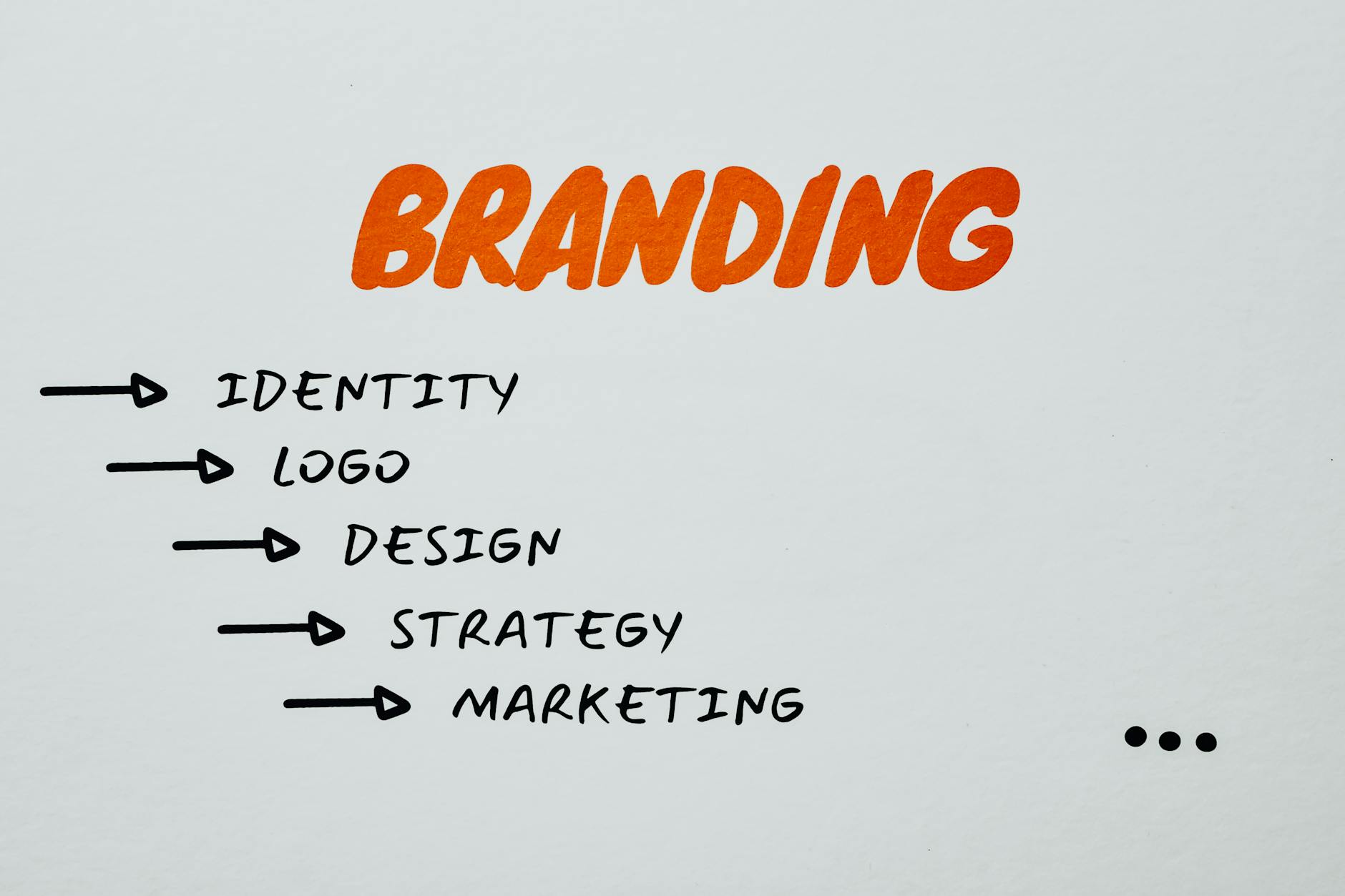
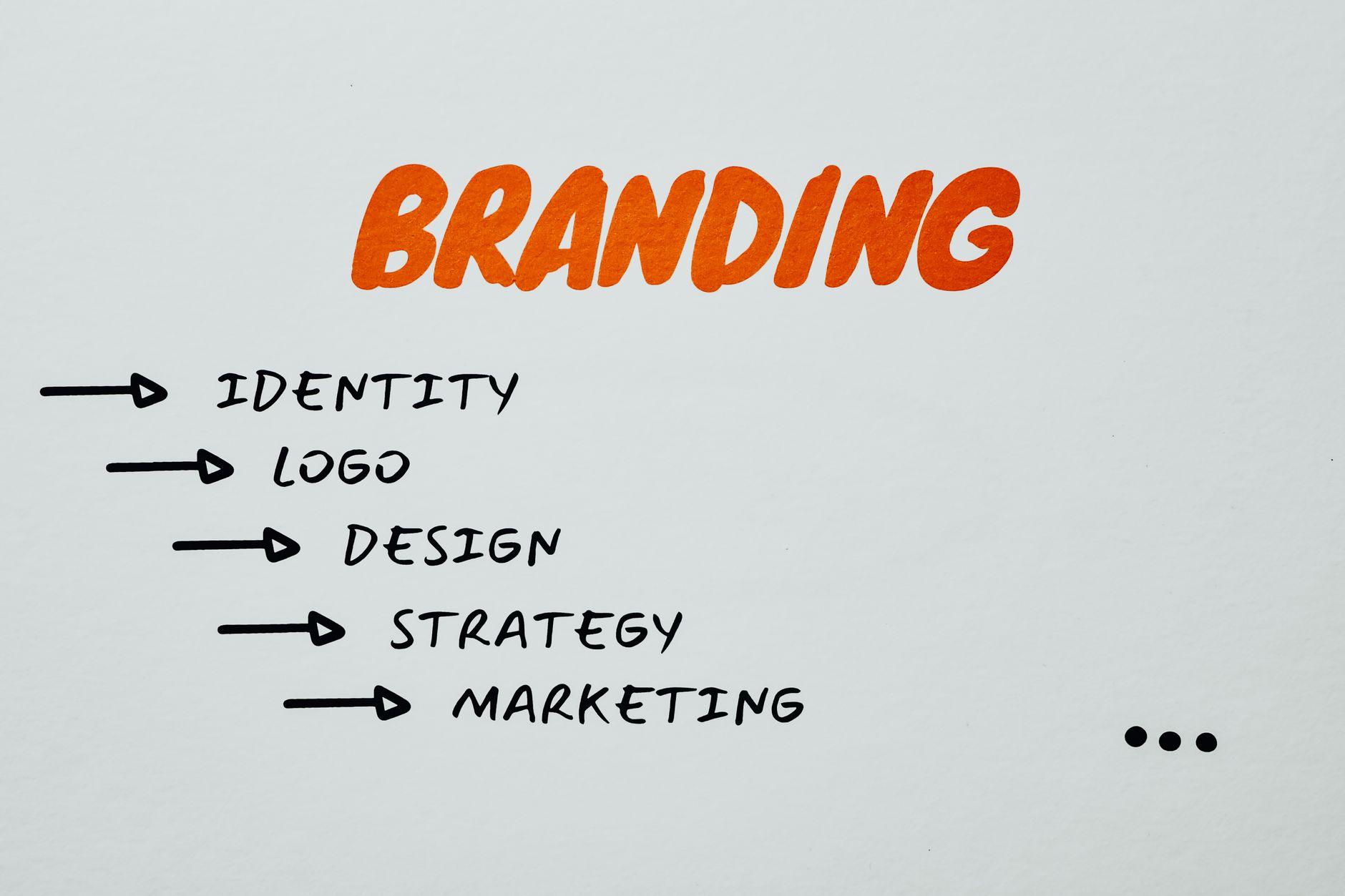
Начните с сильной бренд-стратегии, прежде чем планировать какую-либо кампанию. Эта основа определяет, что вы отстаиваете, ваш тон и то, каким вы хотите, чтобы люди воспринимали вашу компанию с течением времени.
Брендинг формирует долгосрочную идентичность, определяя ценности, индивидуальность и опыт, который вы предоставляете во всех точках контакта. Он отвечает на вопрос, что вы хотите, чтобы люди чувствовали, когда они думают о вашей компании, и как это чувство повторяется не только в рекламе, но и в каждом взаимодействии.
Маркетинг переводит эту идентичность в возможности удовлетворить потребности в определенные моменты. Он использует исследования аудитории для определения сегментов, разрабатывает ценностные предложения и планирует мероприятия, которые переводят потенциальных клиентов от осведомленности к рассмотрению с измеримыми результатами.
Реклама фокусируется на платной амплификации, тестировании вариантов креатива и сообщений с реальной аудиторией и отслеживании краткосрочной отдачи. Рассматривайте ее как контролируемый эксперимент, который информирует как бренд, так и маркетинговые решения, обеспечивая при этом соответствие основной идентичности.
Координируйте календари, распределяйте бюджеты и поддерживайте единый, последовательный голос во всех кампаниях. Используйте ежеквартальные обзоры, чтобы убедиться, что брендинг остается нетронутым, пока маркетинг и реклама адаптируются к новым возможностям.
Брендинг против Маркетинга против Рекламы: Ключевые различия и Сила Визуальных Эффектов в Брендовой Рекламе
Начните с прочного фундамента брендинга, который будет направлять каждый канал. Определите профиль вашего бренда: ценности, голос, визуальный язык и обещание. Этот профиль формирует запоминаемость и помогает принимать решения в кампаниях. Инвестируйте в один хороший набор визуальных компонентов - использование логотипа, цвет, типографику, изображения - и создайте библиотеку, которая позволит командам создавать согласованные активы для писем, информационных бюллетеней и публикаций в социальных сетях. Это позволяет некоторым командам двигаться быстрее, оставаясь при этом согласованными. Еще одно преимущество: целостный профиль повышает доверие потребителей и снижает трения при принятии решений о размещении.
Брендинг, маркетинг и реклама отличаются по цели и горизонту. Брендинг формирует восприятие и долгосрочную ценность; маркетинг направлен на информирование и продвижение спроса; реклама размещает платные сообщения для конкретной аудитории. Для команд эти действия должны быть основаны на первичной цели и четкой коммуникации с целями, а затем подкреплены последовательными визуальными эффектами, поддерживающими профиль.
Визуальные эффекты усиливают силу брендовой рекламы. Захватывающие изображения, последовательная типографика и преднамеренная цветовая палитра повышают впечатление, которое формируют потребители, и помогают им запомнить бренд. Хороший, запоминающийся профиль опирается на уникальные визуальные эффекты во всех этих местах размещения - веб-баннерах, социальной рекламе, электронных письмах и информационных бюллетенях. Создайте профиль с визуальными компонентами, которые остаются согласованными по всем каналам, чтобы укрепить узнаваемость и доверие.
Практические шаги: письменное руководство по стилю, охватывающее правила использования логотипа, использование цветов, типографику, стиль фотографий и голос. Создайте шаблоны для писем и информационных бюллетеней, чтобы команды могли быстро отправлять контент бренда. Сопоставьте визуальные эффекты с сегментами аудитории с помощью простых правил: определенные цвета для целей, конкретные изображения для этих групп потребителей и четкий призыв к действию. Используйте письменные инструкции и готовые компоненты, чтобы уменьшить трения и построить быстрый, повторяемый процесс. Это создает надежный двигатель для брендинга в сервисах и отделах.
Измерение: отслеживайте впечатления, частоту открытия электронной почты, рейтинг кликов и конверсии для рекламы; отслеживайте производительность информационного бюллетеня; оценивайте повышение узнаваемости бренда с помощью опросов. Эти показатели информируют об улучшениях, направляют сочетание контента и помогают повысить престиж профиля. Регулярные проверки согласованности профиля обеспечивают удобство работы с пользователем на протяжении всего профиля, электронной почты и размещения.
Примените различия в реальных кампаниях: действенные рекомендации для практиков
Начните с конкретного плана: зафиксируйте единый стиль и ценности, прикрепите четкую цель к каждому каналу и сопоставьте каждое размещение с намерением аудитории. Эта трехкомпонентная настройка сохраняет брендинг, маркетинг и рекламу четкими, обеспечивая при этом сплоченность во всех точках контакта.
Опубликуйте одностраничное руководство, в котором перечислены логотипы, правила использования цветов, типографика и тон; укажите, какие сообщения подходят для какого канала, и убедитесь, что реклама соответствует бренду. Эта страница позволяет командам легко применять согласованный внешний вид веб-сайтов, рекламных щитов и электронных писем.
Примите минималистский подход, вдохновленный Apple: используйте чистые визуальные эффекты, достаточное количество пустого пространства и единый призыв к действию; это помогает читателям быстро читать и удерживает внимание на ценности.
Стратегия размещения: размещайте баннеры там, где ваша аудитория проводит время; например, партнерские сайты в вашей вертикали (партнерские программы) и целевые электронные письма; измеряйте релевантность по рейтингу кликов и времени пребывания; особенно для мобильных размещений соответствующим образом корректируйте бюджет; укажите, где развертывать каждый креатив.
Рекомендации по креативу: разработайте несколько версий для каждого размещения с четким ценностным предложением; проверьте, что может привлечь внимание с помощью лаконичных заголовков и вспомогательных визуальных эффектов; убедитесь, что логотипы остаются разборчивыми на рекламных щитах.
Измерение и оптимизация: установите первостепенные ключевые показатели эффективности, проводите A/B-тесты еженедельно и сообщайте о результатах на общей странице; кроме того, используйте метрики повышения узнаваемости бренда для отслеживания воздействия за пределами кликов.
Инклюзивность и поддержка: разрабатывайте решения для людей с ограниченными возможностями; предоставляйте доступные альтернативы; поддерживайте команды готовыми шаблонами и альтернативным текстом; убедитесь, что контент легко читается и удобен в навигации.
Операционные действия: назначьте единого владельца для логотипов и стиля, согласуйте активы на каждой странице, используйте четкую последовательность проверок и ведите текущую библиотеку размещений и результатов для информирования будущих кампаний.
Уточните роли: когда инвестировать в брендинг, маркетинг и рекламу
Брендинг в первую очередь - созданный для формирования лояльности и долгосрочных эмоций, он помещает аудиторию в четкое, знакомое пространство для всего, что вы предлагаете.
Брендинговая игра становится основой каждой услуги и кампании, информируя о палитре, тоне и визуальных эффектах, чтобы повысить качество бренда и предоставить наглядные примеры ценностей.
Маркетинг фокусируется на разработке кампаний, которые стимулируют действия, внимательно отслеживают производительность и культивируют повторные взаимодействия, используя письменный и видеоконтент по всем каналам и предлагая услуги с учетом доступности, помогая аудитории понять ценность.
Реклама использует платные размещения для повышения охвата и ускорения получения результатов, включая радио- и видеоролики, дисплейную и таргетированную рекламу, обеспечивая при этом соответствие бренду, расширяя доступность и видимость.
| Роль | Фокус | Когда инвестировать | Типовая тактика |
|---|---|---|---|
| Брендинг | Эмоции, лояльность, долгосрочное восприятие | В начале проекта и при основных поворотах | Брендовое повествование, разработка палитры, письменный голос, визуальные эффекты, примеры ценностей |
| Маркетинг | Рост аудитории, действие, развитие каналов | После того, как брендинг установит доверие | Кампании по всем каналам, контент, тематические исследования, социальные сети, электронная почта, мероприятия, услуги |
| Реклама | Охват, масштаб, краткосрочные результаты | Когда вам нужен подъем или конкретная акция | Радио, видеоролики, платная поисковая реклама, дисплейная реклама, оптимизированные кампании |
Определите визуальную систему: логотипы, цветовая палитра, типографика и изображения в одном брифе
Создайте единый, лаконичный бриф визуальной системы, охватывающий логотипы, цветовую палитру, типографику и изображения, чтобы направлять каждый канал, от сайта и рекламы до публикаций, видео и других материалов, с четкой целью.
Укажите компоненты: правила использования логотипа, четкое пространство, цветовую палитру с шестнадцатеричными значениями, иерархию типографики для заголовков и основного текста, а также стиль изображений для фотографий, иллюстраций и значков. Определите тон с помощью подписей и альтернативного текста и убедитесь, что язык по всем каналам остается согласованным с ожиданиями пользователей, внося ясность в каждый актив.
После создания опубликуйте бриф в центральном репозитории и научите команды применять его к публикациям, страницам сайта, рекламе, видеороликам и другим материалам. Создайте краткий контрольный список для дизайнеров и копирайтеров, чтобы они могли ссылаться на него в каждом случае создания контента.
Отслеживайте аналитику для оценки согласованности: логотипы, использование цветов, типографика и изображения по всем каналам; оценивайте вовлеченность пользователей в каждую публикацию и на всем сайте, чтобы подтвердить цель и необходимое воздействие.
Включите руководство по изображениям, полученным от влиятельных лиц или пользовательских публикаций: укажите разрешенный стиль изображений, способ указания авторства и способ адаптации визуальных эффектов для различных лент, сохраняя при этом тон. Это гарантирует целостность изображений.
Когда вам нужно адаптировать визуальные эффекты для видео, статических публикаций или баннеров, повторно используйте встроенную систему, чтобы сохранить согласованность по всем каналам и сократить циклы пересмотра по всему сайту и рекламе. В целом, результатом является четкое, целостное выражение бренда с измеримой эффективностью.
Разработайте структуру обмена сообщениями: уникальная ценность, тон и доказательства
Определите структуру обмена сообщениями из трех частей: уникальное преимущество, тон и доказательства. Начните с лаконичного основного заявления о преимуществах, которое обещает лучшие результаты и счастье для клиентов. Сопоставьте это с каждым демографическим сегментом, чтобы сообщения напрямую отвечали потребностям аудитории и показывали четкий путь от проблемы к решению. Создайте платформу для повторного использования по всем каналам и форматам, от рекламы до целевых страниц и обслуживания клиентов.
Опишите уникальное преимущество в трех аспектах: функциональная отдача, эмоциональный резонанс и социальное доказательство. Соотнесите каждый аспект с результатами, которые важны для аудитории. Углубитесь в потребности, чтобы выявить, что действительно движет каждым сегментом. Используйте чувство счастья и облегчения, чтобы определить преимущества, а не только функции. Определите индивидуальность бренда, которая кажется полезной и заслуживающей доверия, чтобы аудитория доверяла тому, что вы говорите, и стремилась привлечь внимание. Убедитесь, что существует прямая связь между сообщением и измеримым действием, таким как посещение сайта или регистрация для пробной версии, которая соответствует демографии.
Согласование тона и личности: выберите прямой, теплый, уверенный тон, соответствующий индивидуальности вашего бренда. Создайте правила тона: несколько прилагательных, которые описывают, как вы проявляетесь в копии (например, прямолинейный, эмпатичный, ориентированный на результат). Это обеспечивает согласованность обмена сообщениями в электронных письмах, на страницах, в приложениях и в чате поддержки, повышая доверие и снижая трения для каждого сегмента аудитории и показывая, что вы заботитесь о клиентах.
Доказательства и доказательства: используйте цитаты клиентов, отражающие удовлетворение, тематические исследования с числовыми результатами, результаты пилотных проектов и сторонние данные, где это возможно. Согласуйте доказательства с каждым сегментом аудитории, чтобы максимизировать релевантность. Отслеживайте результаты призывов к действию и корректируйте копию, чтобы улучшить стоимость конверсии, гарантируя, что сообщение находит отклик у нужной демографии и укрепляет доверие. Может ли эта структура ускорить адаптацию? Может, если вы будете поддерживать актуальность данных и тестировать новые аспекты.
Этапы реализации: подготовьте одностраничный сборник правил с четким заявлением о преимуществах, рекомендациями по тону и набором доказательств; генерируйте короткие и длинные варианты; тестируйте с небольшими бюджетами по нескольким каналам и повторяйте еженедельно для лучшего соответствия. Создайте простую петлю обратной связи с отделами продаж, поддержки и продуктами, чтобы поддерживать актуальность и релевантность доказательств.
Планируйте кампании, основанные на визуальном контенте: брифы по дизайну, конвейеры активов и соответствие каналам

Начните с двухстраничного брифа по дизайну, в котором четко определены основная идея, сегменты аудитории, показатели успеха и предположения о каналах. Укажите проблему, которую вы решаете, 1–2 основных столпа обмена сообщениями и предполагаемый тон. Перечислите результаты, форматы активов и жесткие сроки производства. Этот бриф по дизайну становится якорем для креативщиков, направляя то, что производить, и обеспечивая согласованность активов, укрепляя доверие к потенциальным клиентам. Поддерживайте творческую дисциплину в командах.
Определите конвейеры активов, сопоставляя их от брифа до конечного результата. Инвентаризируйте типы активов (видео, статические изображения, динамичную графику), установите соглашения об именах, контроль версий и проходные пункты утверждения. Укажите стандарты файлов, подписи, требования к доступности и цветовые профили. Используйте центральную библиотеку для хранения связанных активов и отслеживания происхождения; это уменьшает дублирование и ускоряет работу команд. Сами конвейеры действуют как единый источник достоверных данных и используют согласованный процесс.
Соответствие каналам означает выбор каналов, соответствующих поведению аудитории и бизнес-целям. Создавайте форматы и длины для конкретных каналов с шаблонами для социальных сетей, сайтов и электронной почты. Выберите правильные форматы для каждого канала; например, создавайте короткие вертикальные клипы для Shorts и Reels, более длинные видео для YouTube и баннеры для отображения. Установите опубликованную периодичность, соответствующую ритму каждого канала, и убедитесь, что активы отражают бренд, адаптируясь к ограничениям.
Брифы по дизайну и роли: в брифах назначьте роли, такие как дизайнер, писатель и продюсер, и пропишите обязанности и этапы утверждения. Четко определите роль каждого члена команды. Отдавайте предпочтение подлинности и ясности перед сложностью; используйте основной визуальный язык, который можно масштабировать. Создайте подмножество основных визуальных элементов для адаптации по всем каналам, сохраняя при этом сигнал и уменьшая трения. Этот процесс использует простой рабочий процесс, поддерживающий сотрудничество и обеспечивающий согласованность для всех.
Измерение и оптимизация: свяжите активы с бизнес-результатами — учитывайте такие показатели, как коэффициент завершения, время просмотра, рейтинг кликов и удержание. Используйте атрибуцию для связывания производительности активов с кампаниями, корректируйте конвейеры активов в зависимости от данных и отключайте неэффективные активы, сохраняя при этом высокопроизводительные. Если вариант не работает, разверните другой вариант актива.
Ключевые слова, доступность и инклюзивность: определите библиотеку ключевых слов, поддерживающую SEO и поиск на платформе; применяйте ключевые слова к заголовкам, видео-подписям и альтернативному тексту. Создайте подмножество «видео в первую очередь», который находит отклик у потенциальных клиентов, в то время как связанный подмножество поддерживает печать или баннеры. Убедитесь, что работа отражает соображения об инвалидности и предлагает альтернативный текст, подписи и разборчивую типографику. Создавайте отдельные активы отдельно от основного набора для дополнительных размещений.
Окончательные правила: убедитесь в согласованности всех форматов, отразите основные ценности бренда и сохраняйте надежный тон. Планируйте постоянный обзор и обновления; надежный, повторяемый процесс поддерживает соответствие творческой работы рыночным реалиям и конкурентным эталонам.
Отслеживайте воздействие поэтапно: индикаторы повышения узнаваемости бренда и краткосрочные показатели производительности
Создайте поэтапную панель управления, которая связывает индикаторы повышения узнаваемости бренда с немедленными показателями производительности с первого дня, чтобы направлять адаптацию и улучшения для каждой аудитории и опыта.
- Этап 1 — Осведомленность и повышение узнаваемости бренда
- Индикаторы для отслеживания: осведомленность с помощью подсказок и без них, связь с сообщением, вспоминание рекламы и благосклонность. Здесь эти сигналы отражают желания потребителей; это сигнал, который вы должны привязать к творческим настройкам.
- Источники данных и показатели: опросы, онлайн-панели, собственные данные и партнерские данные для оценки повышения узнаваемости; отслеживайте охват, частоту, GRP, частоту завершения видео, показы и ставки аудио (радио), а также немедленную скорость отклика от призывов к действию.
- План действий: адаптируйте материалы и выбор цветов; протестируйте различные сообщения; адаптация к рынкам Персидского залива; заботьтесь о качестве креатива и согласованности сочетания каналов; полагайтесь на межсетевые сигналы для подтверждения повышения узнаваемости бренда; включая информативные сообщения и материалы, видео- и радиоразмещения для захвата различных точек взаимодействия.
- Этап 2 — Рассмотрение и вовлечение
- Индикаторы для отслеживания: резонанс сообщений, долговечность отзыва и сигналы намерения; отражающие развивающиеся интересы потребителей и переход от осведомленности к действию; эти показатели помогают вам предсказать, какие пути будут стимулировать немедленные действия.
- Показатели: CTR, коэффициент просмотра видео, коэффициент завершения, время на сайте, глубина страницы, коэффициент вовлеченности и данные пути к конверсии; включите в состав аффилированных лиц на рынках Персидского залива для расширения охвата; тарифы можно сравнивать по форматам и устройствам.
- План действий: оптимизировать креативные материалы и призывы к действию; адаптировать предложения в соответствии с желаниями; протестировать короткие и длинные форматы; протестировать различные компоненты (крючок, сообщение, предложение) и настроить их соответствующим образом; сила быстрых тестов заключается в быстром обучении здесь.
- Этап 3 — Конверсия и лояльность
- Индикаторы для отслеживания: инкрементные продажи, ROAS, частота покупок, сигналы лояльности, посещения магазинов и конверсии после кликов; отражают влияние на впечатления во всех каналах.
- Показатели: немедленные конверсии, стоимость привлечения, средняя стоимость заказа, коэффициент повторных покупок и вовлеченность в программу лояльности; отслеживать офлайн- и онлайн-каналы, включая материалы, используемые в кампаниях.
- План действий: усиливайте сообщения, которые стимулировали действия; приводите креативные материалы в соответствие с цветом и тоном, на которые отреагировали клиенты; координируйте размещение видео, радио и партнерской рекламы для обеспечения целостности восприятия; убедитесь, что контент создает неизгладимое впечатление, которое имеет тенденцию к конвертации и масштабированию.
Создание надежной платформы означает, что вы размышляете на каждом этапе и корректируете бюджеты, сообщения и впечатления, чтобы максимизировать воздействие во всех цветах, каналах и моментах истины.
Ready to leverage AI for your business?
Book a free strategy call — no strings attached.


