Цифровой маркетинг против традиционного - что лучше для вашего бизнеса?


Выберите комплексную стратегию сейчас: выделите большую часть своего бюджета на цифровые каналы, оставив солидную часть для традиционной тактики, и корректируйте ежеквартально на основе эффективности и поведения клиентов. Это поможет вам реагировать на изменения в поведении и поддерживать ваш план практичным, а не теоретическим, с большим пространством для оптимизации.
Цифровые каналы охватывают клиентов там, где они проводят время, и где результаты можно измерить, а охват новых сегментов практичен благодаря быстрому тестированию. Запускайте быстрые кампании, отслеживайте стоимость привлечения, кликабельность и конверсии и быстро выполняйте итерации. Дополните это почтовыми кампаниями, чтобы поддерживать лидов и стимулировать повторные покупки, особенно для сегментов, которые хорошо реагируют на прямой охват, и используйте опросы для уточнения сообщений для достижения гораздо лучших результатов.
Традиционные тактики обеспечивают ощутимые точки соприкосновения, которые укрепляют доверие. Местные мероприятия, выездные продажи, печатная реклама и почтовые кампании создают теплые сигналы, которые многие покупатели все еще помнят. Используйте их для охвата сегментов, которые хорошо реагируют на тактильные материалы, и для усиления цифровых сообщений в точках продаж, где видны результаты.
Чтобы принять решение, составьте карту трех точек контакта и протестируйте их с помощью опросов, а также обеспечьте поддержку холодных лидов посредством целевого потока. Сравните эти подходы по охвату, стоимости лида и положительной реакции клиентов. Если цифровая кампания демонстрирует более быструю регистрацию и более высокую рентабельность расходов на рекламу, масштабируйте ее; если почтовая рассылка приводит к более высоким конверсиям, расширьте и этот канал. Эти подходы были разработаны для совместной работы, и аналогичным образом их потоки данных должны поступать на единую панель управления для ясности.
Создайте целостный план с общим календарем, последовательным креативом и четкими метриками. Отслеживайте, где вы видите успех, и корректируйте свою комбинацию ежемесячно, а не дожидайтесь ежеквартальных обзоров. Аналогичным образом, отслеживайте цифровые и традиционные кампании на единой панели управления, чтобы сравнить охват и конверсии; такая настройка помогает вам сбалансировать широкий охват с целевым вовлечением, и вы можете построить гораздо более прочные отношения с клиентами.
Выводы о маркетинговой стратегии
Начните с гибридного плана: выделите 60% своего бюджета на цифровые каналы и 40% на традиционные точки соприкосновения и корректируйте ежемесячно на основе аналитики. Прямые каналы следует измерять непосредственно; однако следите за тем, чтобы сообщения оставались согласованными на всех устройствах, чтобы опыт был цельным; каждая точка соприкосновения должна доставлять одно и то же сообщение.
- Распределение на основе аналитики: отслеживайте CPA, LTV и удержание по каналам; между каналами сравнивайте ряд показателей и используйте единую панель управления для выявления точек принятия быстрых решений.
- Стратегия обмена сообщениями: сопоставьте сообщения с сегментами; пожилые клиенты реагируют на конкретные преимущества и надежность; избегайте безличных шаблонов, персонализируя электронные письма, текстовые сообщения и телефонные обращения для каждого сегмента.
- Тактика прямого взаимодействия: используйте прямой охват для высокоценных учетных записей; если вы нацелены на лицо, принимающее решения, короткий, тщательно продуманный телефонный звонок после прямой почтовой рассылки увеличивает конверсию на 15–25% в тестах.
- Производство и ассортимент активов: стандартизируйте шаблоны, чтобы сократить время и затраты на производство; повторно используйте активы в кампаниях с небольшими изменениями для поддержания свежести.
- Пример инициативы: запустите прямую почтовую рассылку с QR-кодом, который ведет к персонализированному предложению; отслеживайте вовлеченность с помощью аналитики и привлекайте лидов с высоким интересом с помощью последующего телефонного звонка.
- Интеграция технологий: подключите CRM, автоматизацию маркетинга и аналитику в единую систему; это становится основой вашей межканальной стратегии и помогает плавно перемещать взаимодействия между каналами.
- Лояльность и забота о клиентах: разработайте программу лояльности, привязанную к баллам, заработанным за покупки и рефералов; пожилые клиенты часто ценят надежную программу и своевременную поддержку, что повышает удержание и лояльность.
Традиционные проблемы маркетинга: потраченные впустую бюджеты, медленная обратная связь и общие сообщения
Выделите 15-20% своего маркетингового бюджета на контролируемые пилотные проекты, которые обеспечивают обратную связь в режиме реального времени, используя мобильные форматы для взаимодействия с узкими сегментами. Создайте каталог набора предложений, которые можно быстро менять по мере поступления данных. Включите четкие призывы к действию. Это позволяет протестировать, какие сообщения резонируют, а какие привлекают, сокращая количество догадок и ускоряя обучение на протяжении всей кампании.
Широкий охват с небольшим сигналом о поведении аудитории приводит к напрасной трате бюджета; они тратят на размещение на рынках с минимальными доказательствами воздействия. В отчетах появляется миллиардный разрыв между затратами и измеримыми результатами, поскольку команды направляют больше бюджета на тактики без реальной обратной связи.
Общие сообщения не имеют отношения к делу; почти без интерактивности они не могут связаться с различными сегментами. Когда сообщения не отражают поведение клиентов, их игнорируют и вовлеченность падает, а вы упускаете возможность взаимодействовать в режиме реального времени.
Исправьте это, создав практическую структуру: сегментируйте по поведению, доставляйте индивидуальные предложения из небольшого набора вариантов и используйте технологии для автоматизации доставки по мобильным каналам. Настройте панели управления в режиме реального времени, которые показывают, какие креативы конвертируются, храните репозиторий предложений из каталогов и быстро корректируйте вызовы и размещение. Эти методы, используемые правильно, перераспределяют бюджет в сторону результатов, которые вы можете измерить, на каждом рынке и в каждой игре, которую вы проводите на основе доказательств.
Возможности цифрового маркетинга: данные в режиме реального времени, персонализация и гибкое тестирование
Настройте панель данных в режиме реального времени, чтобы направлять все кампании и отмечать снижение вовлеченности, прежде чем оно повлияет на доход. Эта настройка позволит вашей команде, сосредоточившись на охвате нужного клиента, доставлять индивидуальные, высококачественные, хорошо продуманные сообщения и устраняет недостаток видимости.
Используйте технологии для сегментирования аудитории и адаптации контента в рамках почты, блога и взаимодействий с сайтом. Создайте библиотеку высококачественного контента и печатное руководство, в котором рассматриваются конкретные намерения покупателя. Персонализация должна казаться полезной, а не навязчивой; согласовывайте предложения с намерением улучшить вовлеченность. Внедрите инновации в аналитике, чтобы улучшить сегментацию и ускорить персонализацию.
Данные в режиме реального времени подпитывают гибкие циклы тестирования: проводите небольшие эксперименты на целевых страницах, в электронных письмах и CTA, измеряйте воздействие в режиме реального времени и масштабируйте то, что работает. Это может сократить время цикла, увеличить трафик из целевых сегментов и улучшить понимание взаимодействия и вовлеченности потребителей.
Используйте полученные данные для персонализации последующих действий: скорректируйте частоту отправки почты, представьте соответствующий контент в блоге и представьте прямое предложение, которое соответствует последним действиям.
Внедрите в эксплуатацию с помощью компактной команды и легкого руководства: спланируйте 2-недельный спринт, проведите 2-3 эксперимента и используйте простую таблицу показателей для достижения успеха. Отслеживайте такие показатели, как коэффициент вовлеченности, кликабельность и конверсия, чтобы проверить благоприятные результаты. Это становится практическим планом действий для команды.
Соображения о стоимости и рентабельности инвестиций: когда инвестировать в цифровые или традиционные каналы
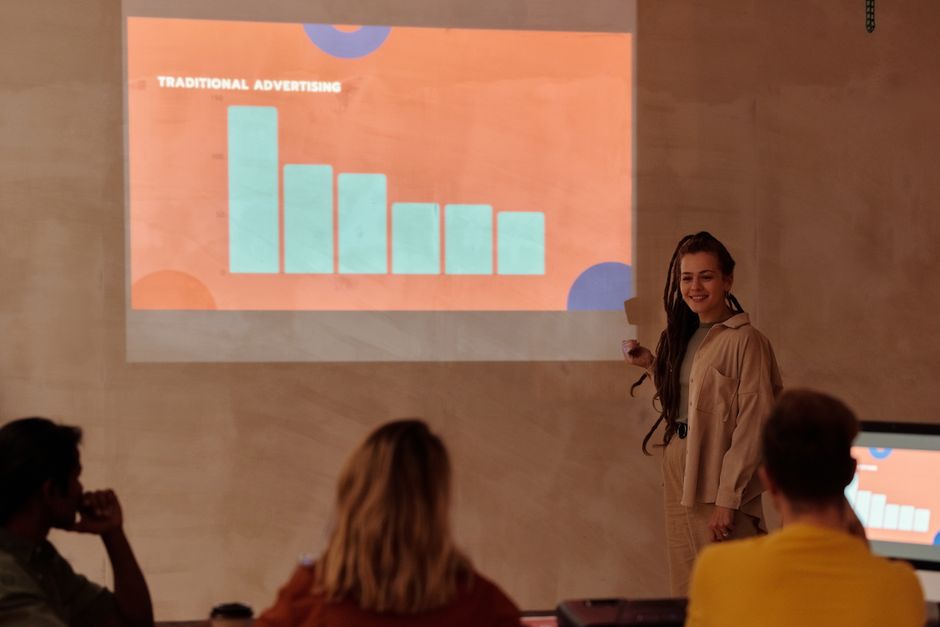
Начните с плана тестирования digital-first. Этот вариант включает выделение 60% первоначального бюджета на цифровые каналы (поиск, социальные сети, электронная почта) и 40% на традиционные СМИ. Он обеспечивает быстрое обучение таргетингу, сообщениям и креативу посредством четких метрик и ежедневной обратной связи.
Цифровые платформы обеспечивают измеримость во всех точках соприкосновения, имея ежедневные панели управления, которые поддерживают оперативные оптимизации. Они предоставляют средства для тестирования, обучения и корректировки того, какие предложения продвигать, создавая прямые отношения с клиентами и их поведением.
Традиционные каналы обеспечивают массовый охват и среду для широкого построения отношений. Они лучше всего подходят, если вариант — широкая осведомленность и если креатив может найти отклик на нескольких площадках.
Чтобы решить, когда менять бюджеты, проведите 8-12-недельный тест и отслеживайте KPI, такие как CPA, ROAS, охват и припоминание с подсказкой. Если digital показывает растущий ROAS и четкую стоимость лида, в то время как традиционный поднимает показатели бренда, переключитесь на сбалансированное сочетание и рассмотрите возможность увеличения органических и рекламных действий.
Учитывайте путь клиента: ваши услуги можно рекламировать через ежедневные сообщения; используйте органический контент для дополнения платных кампаний и укрепления отношений на разных платформах. Инновации в таргетинге и атрибуции могут поддержать этот подход, включая кросс-платформенное отслеживание и многоканальное измерение.
| Канал | Измеримость | Типичная стоимость (диапазон) | Лучшее использование / KPI |
|---|---|---|---|
| Цифровой (поиск, социальные сети, электронная почта) | Высокая | CPM: 2–15 долларов США; CPA: 10–200 долларов США | Создание лидов, конверсии, ежедневные сообщения; KPI: CPA, ROAS, CTR |
| Традиционный (ТВ, радио, печать) | Средняя | CPM: 15–60 долларов США; ограничения по атрибуции CPA | Массовая осведомленность, построение отношений; KPI: охват, частота, припоминание с подсказкой |
| Интегрированный (мультиканальный) | Умеренная | Общие бюджеты; кросс-канальная атрибуция | Мультисенсорное воздействие; KPI: инкрементный прирост |
Измерение и атрибуция: отслеживание успеха по каналам
Начните со специальной, унифицированной межканальной модели атрибуции и практической структуры, которую вы можете использовать. Эти правила включают платный поиск, социальные сети, электронную почту, подкасты, средства массовой информации, рекламные щиты и прессу, при этом звонки и взаимодействия с веб-сайтом возвращают данные на единую панель управления. Выберите основную метрику, которую вы хотите переместить, и создайте четкую числовую цель, которая обеспечит согласованность команд в отношении улучшения сообщения и практического пути к воздействию.
Установите правила атрибуции заранее и задокументируйте, когда каждая точка соприкосновения получает кредит. В зависимости от сочетания каналов назначайте кредит с помощью сбалансированного многоканального правила или используйте разделение по первому или последнему касанию для быстрых побед. Включите офлайн-касания — звонки, упоминания в прессе и показы рекламных щитов — чтобы они засчитывались там, где взаимодействует аудитория. Это гарантирует, что формула будет ссылаться на реальные пути и минимизирует слепые зоны.
Объедините данные в одном представлении, отметив каждую точку соприкосновения с помощью правильных инструментов. Используйте UTM-коды, идентификаторы CRM и номера отслеживания звонков, чтобы вы могли вернуться к кампании, обеспечивая качество данных из разных источников. Это создает чистый, пригодный для тестирования набор данных, который можно передавать в панели управления и отчеты. Используйте опросы, чтобы проверить восприятие аудитории и скорректировать сообщение; поделитесь быстрыми выводами в своем блоге и отправьте обновления заинтересованным сторонам.
Превратите результаты в действия с помощью легкого ежеквартального обзора и ежемесячной таблицы показателей. Сосредоточьтесь на нескольких наиболее эффективных каналах и создавайте сообщения, которые находят отклик у наиболее ценной аудитории. Для средств массовой информации, таких как рекламные щиты, протестируйте облегченный креатив и отслеживайте подъем с помощью быстрых опросов или прямых ответов; полученные в результате этих тестов выводы формируют будущие шаги. Если канал не работает, перераспределите средства обратно в движки, которые обеспечивают дополнительную прибыль и создают знания, которые вы можете опубликовать в своем блоге или отправить команде.
Суть: прозрачная межканальная система, ссылающаяся на эти входные данные, ускорит принятие решений и улучшит результаты кампаний.
Дорожная карта гибридной стратегии: практичный подход к тому, чтобы начать с малого и масштабировать
Начните с 90-дневного пилотного проекта, который объединяет тщательно определенные сообщения для одного сегмента по двум каналам: электронная почта и телемаркетинг, при скромных затратах. Установите конкретные этапы: стоимость лида, коэффициент отклика и коэффициент конверсии и просматривайте их еженедельно. Этот компактный старт показывает, что работает, минимизирует риск и обеспечивает четкую основу для расширения, при этом вероятные выгоды видны уже к 45-му дню.
В рамках пилотного проекта составьте карту потребностей целевой аудитории и проанализируйте данные для выявления слабых сторон и возможностей. Определите одну основную аудиторию, внедрите сегментацию по этапам и поведению и согласуйте сообщения с этим профилем в точках соприкосновения. Собирайте отзывы от людей, находящихся на передовой, чтобы уточнить копии и предложения, гарантируя, что подход останется актуальным для реальности.
Независимые команды должны владеть планом; этот подход считается практичным для маркетологов. Перед масштабированием заблокируйте правила содержания, соблюдение нормативных требований и конфиденциальность данных. Создайте простой план действий: что тестировать, как измерять и когда переключаться. Сосредоточьтесь на рентабельности, чтобы повысить воздействие, перераспределяя средства в сторону наиболее эффективных активов, и включите возможности для поддержки лидов.
Панели управления в режиме реального времени отслеживают эффективность сегментации, резонанс сообщений и поведение пользователей по всем каналам. Используйте эти сигналы, чтобы уточнить предложения и сроки; отмечайте слабые места на раннем этапе, чтобы можно было уменьшить потери и добиться значительного улучшения. Убедитесь, что план остается в рамках бюджета и обеспечивает четкую ценность для клиентов.
Масштабируйте, постепенно расширяя область тестирования: расширьте до второго сегмента, добавьте региональную команду и внедрите дополнительные тактики, такие как персонализированные последующие действия и сценарии телемаркетинга, которые подкрепляют основные сообщения. Включите небольшой подъем бюджета, но сохраняйте строгий контроль; продвигайте предложения, когда канал докажет свою экономическую эффективность. На протяжении всего периода проверки реальности и регулярный анализ поддерживают планы, основанные на потребностях и ожиданиях, а также способствуют сотрудничеству.
Ready to leverage AI for your business?
Book a free strategy call — no strings attached.


