New Coke — Классический пример неудачной смены рецептуры известного продукта
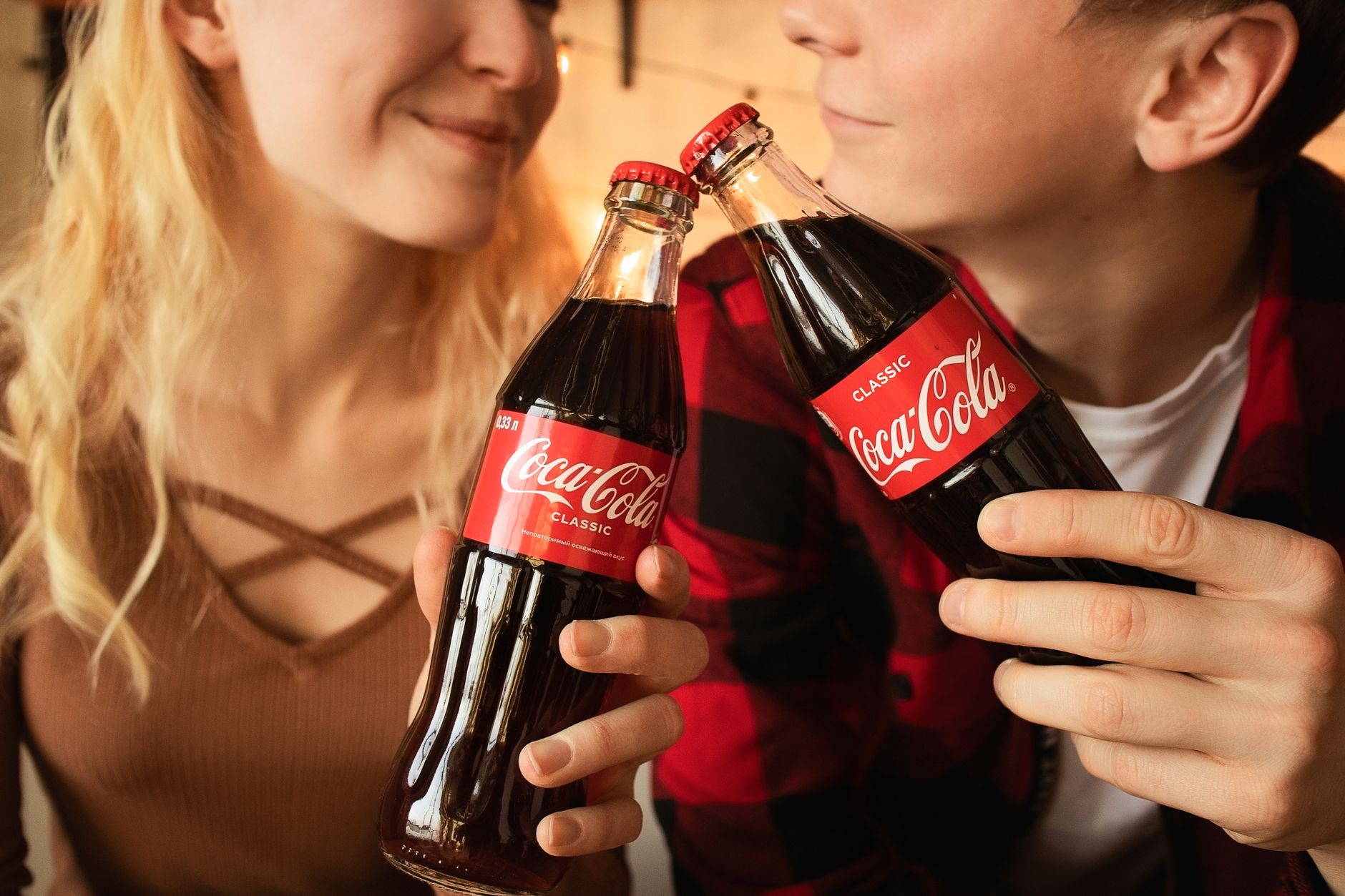
Рекомендация: управляйте ожиданиями с помощью поэтапного, обратимого плана. Управление этой смелой инициативой требует оперативных сигналов с мест; именно поэтому важно, чтобы то, что внедряется, соответствовало всему, что ценят клиенты. 23 апреля 1985 года Coca-Cola выпустила New Coke, а к июлю вернулась Coke Classic, доказав, что отзывы потребителей могут вернуть бренд к его основной идентичности.
Во всем мире эпизод с New Coke показал, что изменение должно сочетаться с ритуалом и памятью, а не только со вкусом. То, что люди ценят больше всего, заключается в идентичности и опыте, а не только в бутылке. Сегодня компании могут опираться на авторов и сеть влиятельных лиц, чтобы адаптировать кампании для местных рынков; индивидуальные усилия в печати, на телевидении и в точках розничной торговли преобразуют чувства в действия. Эта инициатива показывает, что обратная связь в реальном времени может направлять решения и защищать доверие по всем каналам. *Петли обратной связи* в режиме реального времени помогают командам оставаться в соответствии с потребностями клиентов.
Практически, чтобы избежать ошибочной интерпретации, сохраняйте стабильную часть портфеля, тестируя смелые вариации на конкретных рынках. Используйте краткосрочный пилотный проект с конкретными показателями и четким путем выхода; поддерживайте обратимый вариант и быстро преобразуйте полученные знания в действия. Согласуйте упаковку, формат передачи информации и материалы в точках продаж, чтобы основной бренд оставался узнаваемым во всех точках контакта, и задокументируйте результаты в печатных отчетах для всего мира.
Для читателей вывод прост: управление изменениями требует умения слушать, адаптировать и предлагать варианты, которые уважают основною идентичность бренда. Случай с New Coke — это напоминание о том, что смелый шаг без широкого согласования может иметь неприятные последствия, но при тщательном управлении он может стать планом для продуманного брендинга с подотчётностью.
Обзор кейса New Coke: хронология, сигналы, результаты
Рекомендация: проведите практическое, ограниченное географически тестирование наряду с текущим предложением и убедитесь, что данные поступают от дегустаций, розничных партнеров и их потребительских панелей до любого полномасштабного развертывания, защищая подлинность и поддерживая параллельный путь Coke Classic.
Хронология и сигналы: Все начинается с контрольных показателей, уточнявшихся на протяжении десятилетий. В начале 1985 года рецептура была направлена на расширение привлекательности за счет более сладкого профиля, который соответствовал меняющимся вкусам на протяжении столетия. Национальное развертывание началось в апреле 1985 год; сигналы поступали из магазинов и от дистрибьюторов, показывая первоначальный прирост объемов, но стали очевидны различия между новыми покупателями и давними поклонниками вкуса. Изменения в упаковке и смелый маркетинговый ход закрепили обновленный имидж, в то время как руководство поверило в оптимизм. Их практические команды координировали свои действия с партнерами-производителями бутилированной продукции, чтобы отслеживать, что движется на полках и что говорят клиенты в полевых заметках.
Результаты: Краткосрочные показатели показали подъем в первые недели, но настроения потребителей ухудшились по мере роста негативной реакции. Моменты создания негативной реакции усилились в средствах массовой информации, что вынудило сделать стратегическую паузу. В июле 1985 года Coca-Cola Classic вернулась, что было представлено как дань уважения наследию и укрепление доверия основных потребителей. К осени на полках были оба продукта, и бренд откалибровался вокруг двух столпов: надежности и подлинности. Этот эпизод закрепил урок о том, что разница во вкусе менее рискованна, чем разница в восприятии, и напомнил лидерам о том, что долгосрочная ценность основана на последовательном, аутентичном повествовании на протяжении вековой истории бренда.
Что это значит для брендов, столкнувшихся с большими изменениями: все начинается с четкого плана, который сохраняет основное предложение и использует практический, ориентированный на партнеров процесс. Установите четкие контрольные показатели и расширяйте тестирование на новых рынках только после подтверждения того, что движет предпочтения, посредством прямой обратной связи. Согласуйте сигналы упаковки с выбранными столпами — подлинностью, узнаваемостью и надежностью. Рассматривайте этот опыт как вековой разговор о бренде, опираясь на сильные стороны, наработанные за десятилетия, и извлекая уроки из возникших разногласий. Используйте то, что вы узнали из этого случая, чтобы защитить свою собственную маржу, избежать разрыва в доверии потребителей и быстро реагировать, когда данные поступают, о том, что разница между восприятием и реальностью рискует привести к откату.
Обоснование изменений: рыночные сигналы и стратегические цели
Рекомендация: сохраните Classic Coke на основных рынках и протестируйте переформулированный вариант в крупных городских супермаркетах, используя бутилированную упаковку, запустив своевременное и основанное на данных расширение на основе дегустационных панелей и отзывов покупателей.
Рыночные сигналы показывают тонкую картину. В лондонском и индийском сегментах тестировщики отдали предпочтение премиальному, более мягкому профилю, который соответствует собственным вкусовым ощущениям, в то время как основные каналы реагируют на ощутимую ценность. Эти сигналы появились в результате контролируемых дегустаций, данных из точек продаж и отзывов розничных продавцов от привлеченных команд магазинов; "лайки" от тестировщиков подтвердили интерес, но также подчеркнули необходимость калибровки.
Стратегические цели основываются на четырех столпах: защита лояльности, контролируемая замена, масштабируемое распределение и стратегия упаковки, предназначенная для того, чтобы выделиться на полках. Идея состоит в том, чтобы постепенно заменять старую формулу там, где рынок проявляет восприимчивость, и этот план размещает премиальные продукты на месте стандартных линий, подкрепленных данными о лояльности и надежной цепочкой поставок. Учитывая эту динамику, цель состоит в том, чтобы победить в глобальном масштабе, сохранить местную лояльность и восстановить рост с помощью убедительного, своевременного подхода, который сохраняет магию бренда.
Ловушки тестирования вкуса: как дегустация повлияла на решение
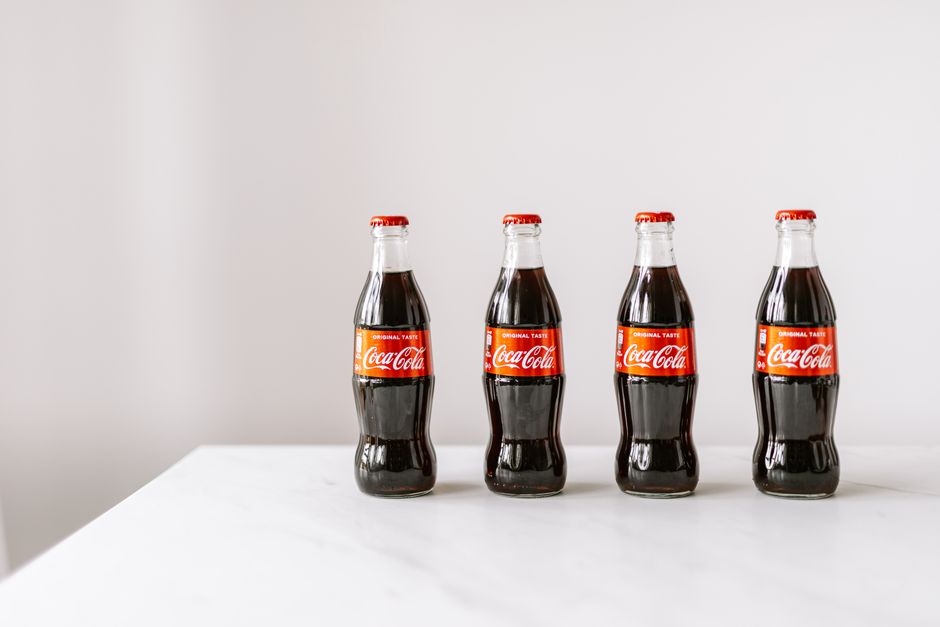
Проведите слепое тестирование вкуса с участием сбалансированной группы и проанализируйте результаты по целевым сегментам, прежде чем масштабировать какие-либо изменения в формуле.
-
Предвзятость выборки и репрезентативность группы
Предвзятость возникает, когда тестировщики отражают узкий профиль — городских клиентов, частых покупателей газировки или рекрутов с одной платформы. В классическом случае этот перекос подтолкнул к высоким показателям сладости, которые не отражали традиции, ценимые клиентами из маленьких городов, что создавало риск неправильной интерпретации того, что будет продаваться в долгосрочной перспективе.
- Рекомендация: создайте стратифицированную группу, состоящую как минимум из 1200 участников на 12 рынках, включая лондонские, сельские и пригородные районы; сбалансируйте по возрасту, доходу и случаям покупки; проведите несколько раундов в разные дни, чтобы противодействовать эффектам времени суток; используйте случайный порядок и двойную слепую маркировку; соберите как числовые оценки, так и отзывы в свободной форме на языке клиентов.
- Отслеживайте эффекты платформы, сравнивая дегустации в магазинах с онлайн-панелями, чтобы определить, где платформа смещает предпочтения, и соответствующим образом корректируйте набор персонала.
-
Предвзятость контекста: тестирование аромата изолированно по сравнению с реальным покупательским поведением
Тесты вкуса проводятся в контролируемых условиях, часто лишая упаковки, ценовых подсказок и фирменных рассказов, которые клиенты используют при принятии решения о покупке. Это может преувеличить или ослабить воспринимаемую любовь и не соответствовать тому, что на самом деле хотят целевые клиенты в кампании.
- Рекомендация: проведите параллельные тесты с нейтральной маркировкой и с аутентичными копиями из кампании, чтобы показать, как язык и презентация влияют на суждение; сравните результаты по целевым группам, таким как языковые сообщества и региональные традиции, чтобы уважать различные предпочтения.
- Включите небольшой сценарий продаж в реальном мире — полку или витрину корзины, - чтобы увидеть, как продукт ведет себя, когда клиент видит платформу, копию и цену вместе.
-
Предвзятость языка и копий отзывов
Открытые заметки показывают, как язык, используемый на этикетках и в кампаниях, формирует восприятие. Если тестировщики реагируют на такие слова, как "новый", "оригинальный" или уровни сахара, а не только на вкус, то решение опирается на копию, а не на вкус.
- Рекомендация: протестируйте несколько вариантов копий и нейтральную упаковку, чтобы отделить вкус от сообщений; соберите отзывы на нескольких языках или диалектах, чтобы выявить нюансы и избежать неправильной интерпретации; отслеживайте, что тестировщики говорят о том, что привлекает и что сбивает с толку.
- Используйте партнерскую фирму для перевода отзывов в последовательную, действенную карту языка для продуктовой команды и кампаний.
-
Краткосрочная направленность против долгосрочных намерений
В тестах вкуса часто отказываются от пути покупки: пробная покупка, повторная покупка и "сарафанное радио". Единичная победа в сеансе может не привести к устойчивым продажам и динамике кампании.
- Рекомендация: расширьте тестирование до сценариев повторного использования в течение нескольких недель; измерьте не только рейтинги одобрения, но и намерение купить, вероятность повторной покупки и готовность обменять текущий бренд на новый продукт в реальной обстановке.
- Объедините результаты тестов вкуса с мини-лонгитюдным исследованием по каналам, чтобы оценить, как время запуска, ценообразование и ритм продвижения влияют на потребление.
-
Изменчивость состояний и контекст обслуживания
Температура подачи, стеклянная посуда, калибровка сладости и даже размер глотка могут изменить реакцию. Непоследовательные условия усиливают шум и скрывают истинные вкусовые сигналы.
- Рекомендация: стандартизируйте протоколы подачи, но проведите небольшой подмножество тестов с различными условиями, чтобы количественно оценить чувствительность; документируйте время подачи, температуру и сосуд для подачи в каждом раунде.
- Подключите небольшие кампании, чтобы убедиться, что вкус остается убедительным при входе в фактическую среду продаж и на партнерские платформы.
-
Пробелы в принятии решений: чрезмерная зависимость от оценок вкуса
Кулинары в данных могут отдавать приоритет высоким оценкам вкуса, а не стратегическому соответствию с линейкой продуктов, ценовому позиционированию или культурному резонансу. Это может сорвать кампанию, которая должна сочетаться с языком и традициями бренда, оставаясь при этом мощной.
- Рекомендация: триангулировать оценки вкуса с рыночными показателями — толерантностью к ценам, готовностью к распространению и межсегментной привлекательностью; привлекать партнеров по маркетингу на раннем этапе, чтобы согласовать вкус с целевыми кампаниями и стратегией платформы.
- Используйте структурированную основу для принятия решений, которая учитывает сенсорные данные, соответствие бренду и потенциал продаж по каналам и партнерским сетям.
-
Перенос идей в действие: практические шаги
- Необходимо создать межфункциональную управляющую группу (продуктовая группа, языковые группы, кампании, партнеры по продажам) для рассмотрения результатов выборки и преобразования их в согласованный план "идти/не идти".
- Необходимо провести несколько небольших контролируемых испытаний перед любой крупномасштабной переформулировкой; используйте небольшие итерации, чтобы свести к минимуму риск и сохранить традиции при стремлении к улучшениям.
- Необходимо задокументировать изменения в копиях, маркировке и упаковке, протестированных вместе с результатами тестов вкуса, чтобы понять, как таргетинг и обмен сообщениями влияют на результаты продаж.
- Связанные по времени, прозрачные этапы: определите показатели успеха для вкуса, ясности языка и готовности рынка в течение 6–8-недельного окна для каждой итерации.
- Уважайте различия в платформах и адаптируйте конечный продукт и копию к языковым и культурным нюансам каждого рынка, гарантируя, что кампании будут восприниматься как местные, сохраняя при этом последовательный голос бренда.
Избегая ловушек для экспертов и основывая решения о вкусе на репрезентативной выборке, языковых отзывах и сигналах продаж в реальном мире, команды могут лучше сбалансировать традиции с развивающимися предпочтениями, создавая продукт, который кажется одновременно знакомым и способным усилить мощную историю бренда."
Динамика негативной реакции потребителей: лояльность, восприятие и капитал бренда
Действуйте быстро с помощью коммуникации, ориентированной на локализацию, которая объясняет обоснование и сохраняет основную идентичность. Позиционируйте существующую аудиторию: сохраните основную формулу и протестируйте ограниченное инновационное расширение, чтобы удовлетворить любопытные сегменты.
Динамика негативной реакции зависит от лояльности, восприятия и капитала бренда. Эмоции, связанные с опытом использования продукта, влияют на покупательские предпочтения; поэтому коммуникация должна быть лаконичной и прозрачной. Создайте повествование, связывающее ценности с ежедневным использованием, и привлекайте голоса влиятельных лиц через различные платформы, чтобы охватить как традиционную, так и цифровую аудиторию.
Составьте карту предпочтений на таких рынках, как Австралия, чтобы избежать чрезмерно локализованных сигналов. Используйте микрокампании, сочетающие традиционные СМИ с цифровыми точками взаимодействия. Сегментированный подход поддерживает основную цену и позиционирование, ориентированные на долгосрочное удержание.
| Примеры | Действия | Влияние | Примечания |
| Всплеск после серьезного шага | Опубликуйте короткое пояснительное видео, выделите локализацию, предложите обратимый вариант | Стабилизирует настроение, удерживает лояльность | Сделайте сообщения лаконичными и избегайте поляризующего языка |
| Несоответствие локализации на рынке | Настройте язык, культурные отсылки и упаковку; проведите экспресс-тестирование | Улучшенное восприятие, повышенная релевантность | Используйте микротестирование, чтобы ограничить риск |
| Повествование, управляемое влиятельными лицами, для переосмысления продукта | Сотрудничайте с надежными авторами контента, поделитесь подлинными историями использования | Повышенное доверие, более прочные эмоциональные связи | Выбирайте авторов контента, соответствующих платформе |
| Тест нового варианта продукта | Проведите контролируемый переход на отдельных рынках; измерьте предпочтения и удержание | Решения, основанные на данных, удержание основных клиентов | Ограничьте воздействие, избегайте широкомасштабных сбоев |
Анализ рекламы Hilltop: роль кампании в общественном восприятии
Запустите универсальное, ориентированное на человека сообщение во всех материалах, включая телевизионную, радио-, печатную и торговую рекламу. Используйте первую *версию*, разработанную так, чтобы ее было удобно и быстро адаптировать сетями партнеров; согласуйте с розничными торговцами, чтобы призывы соответствовали, а резонанс был высоким с самого начала.
Реклама Hilltop вызвала быстрый резонанс, представив универсальное, вдохновляющее сообщение. Она охватила более миллиона домохозяйств по всем каналам, а в супермаркетах материалы кампании, включая выкладки в магазинах, усилили тон и способствовали вовлечению. Иконка cokemoji появилась в более поздних активах и помогла вернуться к повседневным занятиям, став простым символом как для существующих клиентов, так и для новых покупателей. Флаг кампании вернулся на рынок с обновленной упаковкой, демонстрируя, как обновленный элемент может вернуться в беседы с потребителями. Активы были разработаны для автоматизации в цепочке розничных торговцев и сетях партнеров, поддерживая сосредоточенный ритм на последовательных *призывах*, в то время как эволюция визуальных эффектов перемещалась по *водам* средств массовой информации к общему чувству оптимизма.
Примените идеи Hilltop к сценарию изменения продукта, предоставив единую, универсальную версию, в которой на первое место поставлена связь между людьми. *Примеры* из кампании Hilltop показывают, как простая линия и обнадеживающие изображения создали резонанс среди существующих клиентов и новых покупателей. Распространяйте основные материалы, включая активы в магазинах, через сеть и супермаркеты с последовательными визуальными эффектами; сотрудничайте с партнерской сетью для обеспечения согласованности сообщений и ускорения автоматизированного развертывания, сохраняя сосредоточенный набор *призывов*. Начните с *первой* версии на нескольких рынках, затем расширяйтесь, корректируя призывы на основе обратной связи в режиме реального времени. Отслеживайте настроения, продажи и вовлеченность на уровне магазинов и совершенствуйте элементы, прежде чем расширять библиотеку активов. Используйте данные для развития креатива, обеспечивая, чтобы повествование оставалось обнадеживающим и аутентичным, сохраняя при этом идентичность бренда.
Стратегия восстановления: возвращение к Classic Coke и восстановление доверия
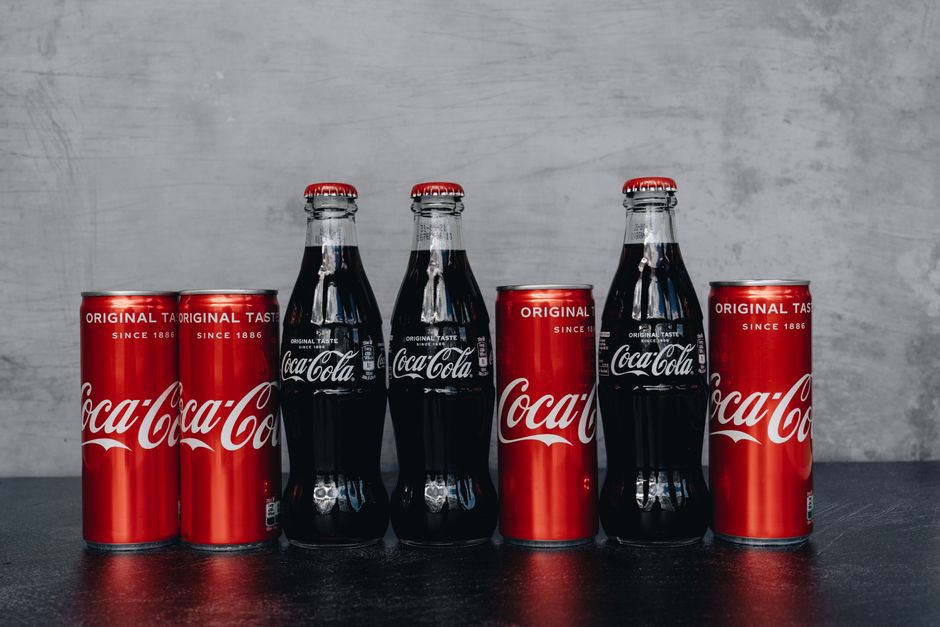
Рекомендация: вновь представьте Classic Coke с прозрачным планом возвращения, основанным на данных, который связывает ностальгию с современными потребительскими ценностями. Начните повторный запуск в ограниченном объеме на крупных рынках, в сочетании с четкими сообщениями и измеримой петлей обратной связи.
В прошлом квартале мы представили ограниченный повторный выпуск для тестирования логистики и настроений; реакция направила полный план.
- Продукт и сроки: Верните оригинальную формулу в контролируемом повторном запуске на крупных рынках. Установите 8–12-недельное окно для оценки аппетита и соответствующей корректировки производства; подготовьте резервный план на случай появления ограничений поставок.
- Сообщения и "приятная" история: Сосредоточьтесь на универсальных моментах связи, семье и общем освежении. Используйте простой язык и оптимистичный тон для укрепления наследия, не создавая усталости или культурных разногласий.
- Микс каналов: Активируйте Instagram и кафе, печатную рекламу и цифровой центр. Используйте теги, которые приглашают к участию и создают связные сигналы во время употребления напитка, чтобы повысить узнаваемость по сарафанному радио.
- Опыт работы с продуктом и упаковка: Согласуйте упаковку с классическими сигналами, чтобы вызвать узнаваемость. Рассмотрите возможность изготовления бутылки или этикетки ограниченным тиражом, чтобы повысить подлинность и уменьшить путаницу с другими вариантами.
- Измерение и контрольные показатели: Установите контрольные показатели для доверия к бренду, намерения совершить покупку и доли голоса; отслеживайте еженедельные настроения и NPS; сообщайте о результатах заинтересованным сторонам и адаптируйтесь соответствующим образом.
- Культура и чувствительность: Постройте кампанию вокруг культурных разговоров, чтобы свести к минимуму разногласия; сотрудничайте с кафе для проведения дегустаций, отражающих различные сообщества; включите образовательный контент о дегустации и истории, чтобы предотвратить неправильные представления.
- Инвестиции и долгосрочный план: Выделите инвестиции на сенсорное тестирование, устойчивость цепочки поставок и потребительские исследования; сообщите о десятилетней приверженности всеобщей привлекательности и качеству; подчеркните заинтересованность в лояльности клиентов и росте.
- Эксплуатационная готовность: Создайте межфункциональную команду, которая адаптируется к обратной связи; внедрите еженедельный ритм для анализа социальных сигналов, данных о продажах и производстве; адаптируйте процессы для соответствия ожиданиям потребителей соответствующим образом.
Ready to leverage AI for your business?
Book a free strategy call — no strings attached.


