Сила видеоконтент-маркетинга для SEO — повысьте рейтинг и вовлеченность

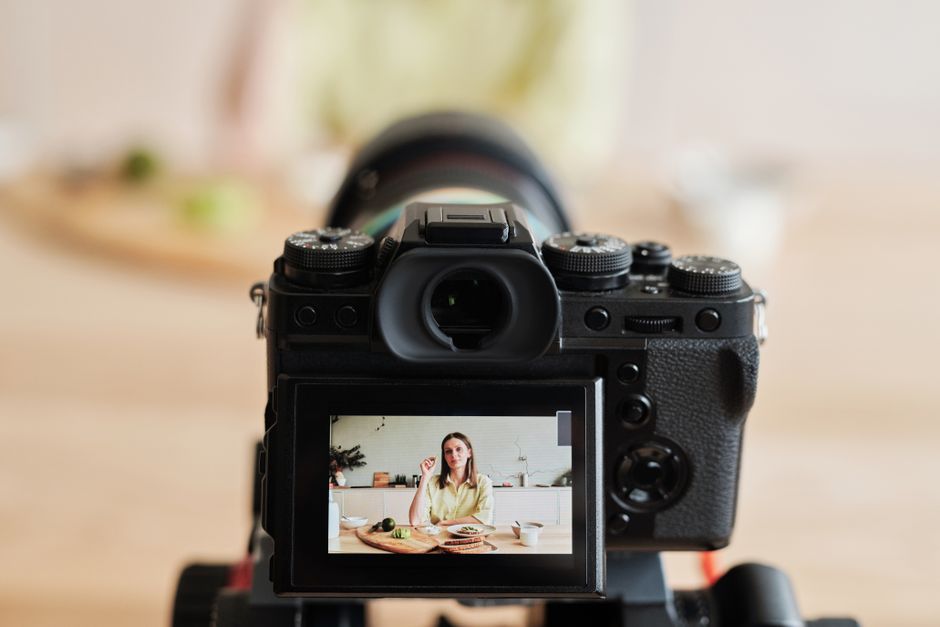
Внедрение видео на ваши топовые сайты и целевые страницы для повышения рейтинга и вовлеченности. Этот шаг сигнализирует поисковым системам о том, что ваш контент предоставляет ценность и удерживает посетителей дольше, что, в свою очередь, может со временем улучшить видимость ключевых слов.
Примите подход, основанный на советах, во всех каналах, где ваша аудитория проводит время – YouTube, социальных сетях и встроенных плеерах на вашем сайте. Создайте связный поток с картой сайта видео, четкими миниатюрами и метаданными, которые отражают ваши целевые ключевые слова. Помните, что сильные вступительные секунды, точные субтитры и лаконичные описания стимулируют переходы и устойчивый просмотр. Руководства Google подчеркивают важность богатых метаданных для улучшения индексации и видимости.
Технические основы важны: внедрите схему VideoObject, чтобы поисковые системы могли понимать контекст, обеспечьте быструю загрузку и удобные для мобильных устройств плееры, и используйте встраивание для распространения контента без дублирования усилий. Переменные, такие как размер (размер видеофайла), длина, разрешение и дизайн миниатюры, влияют на производительность. Потратьте время на тестирование миниатюр и вступительных секунд, чтобы повысить частоту воспроизведения и завершения.
Стратегии, ориентированные на будущее, вознаграждают конкретику: адаптируйте продолжительность видео к цели страницы, используя короткие клипы для пробуждения интереса и более длинные обучающие материалы для углубленных ответов. Используйте транскрипты для повышения доступности и индексации, и обогащайте метаданные длительностью, датой загрузки и маркерами глав. Рассмотрите возможность перекрестной рекламы на сайтах и каналах, чтобы максимизировать обнаружение и просмотр на протяжении пользовательского пути.
Начните прямо сейчас: создайте четкое 90–120-секундное видео-объяснение, нацеленное на основные ключевые слова; вставьте его на свою домашнюю страницу и верхние страницы продуктов; опубликуйте более глубокие разборы на своем канале и сделайте обратную ссылку на контент сайта. Оптимизируйте метаданные, включите транскрипт с временными метками и протестируйте различные заголовки и миниатюры. Отслеживайте такие показатели, как время просмотра, вовлеченность на страницу и прирост органического трафика, чтобы доказать влияние видео на SEO и вовлеченность пользователей. Разумно тратьте ресурсы, чтобы что SEO и маркетинговые усилия стали измеримыми на сайтах и каналах.
Практическая стратегия видео SEO для более высоких рейтингов и большей вовлеченности
Оптимизированные метаданные и привлекательная миниатюра для каждого видео увеличивают количество кликов от поисковиков и поддерживают вовлеченность зрителей с самого начала. Используйте точный заголовок, отражающий намерения пользователя, описание, включающее целевые ключевые слова, и четкие главы. Убедитесь, что миниатюра обеспечивает контраст и разборчивость на мобильных устройствах, и сделайте первые 1-2 предложения сильными.
Внедрение видео на страницы вашего домена повышает общую вовлеченность и генерирует обратные ссылки. Внедрение в соответствующие публикации сигнализирует о ценности и помогает поисковым системам связать видео с вашим стеком контента. Включите обратную ссылку на исходное видео и четкий призыв к действию (CTA), чтобы стимулировать дальнейшие действия. Этот подход захватывает большую часть вашей целевой аудитории в момент их поиска.
Добавьте структурированные данные VideoObject и блоки метаданных на странице: продолжительность, дата загрузки, автор и URL-адрес миниатюры. Это улучшает видимость в результатах и помогает поисковикам сравнивать варианты. Эти SEO-сигналы включены в метаданные для управления ранжированием.
Проведите A/B-тесты миниатюр и заголовков, чтобы найти лучший вариант, который обеспечивает самый высокий CTR. Жирная миниатюра с высоким контрастом и разборчивым текстом, как правило, превосходит остальные, что приводит к лучшей вовлеченности и полученным результатам.
Главы и временные метки помогают вашим зрителям перейти к интересующему их моменту. Предоставьте транскрипт, предоставленный в виде отдельного файла, и субтитры к видео, чтобы повысить доступность и качество метаданных.
Сосредоточьтесь на ценности в первые 15-30 секунд, чтобы предотвратить отток зрителей; задайте конкретное преимущество или провокационный вопрос, чтобы вызвать вовлеченность. Речь идет не о совершенстве, а об импульсе. Если вы рано заинтересовали, импульс сохраняется.
Циклы вовлеченности: приглашайте оставлять комментарии, просите обратную связь и используйте конечные заставки со ссылками на связанные видео или сообщение в блоге; это улучшает общую вовлеченность и может со временем поднять рейтинг. Когда вы приводите контент в соответствие с намерениями пользователя, вовлеченность растет, а рейтинги улучшаются. Это приведет к увеличению времени просмотра.
Обратные ссылки и распространение: поделитесь видео в информационных бюллетенях и почтовых ящиках, запросите встраивание на партнерских страницах и перепрофилируйте видео на соответствующих каналах домена; каждая авторитетная страница действует как источник обратных ссылок.
Краткий обзор тематического исследования: домен среднего размера реализовал согласованный шаблон метаданных, встраивание на страницах с высоким авторитетом и ежемесячные обзоры, что обеспечило измеримые улучшения в рейтинге по ряду ключевых слов.
Показатели для отслеживания: рейтинг по целевым запросам, рейтинг кликов из результатов поиска, среднее время просмотра, кривые удержания и количество страниц с видеоконтентом; используйте ежемесячную панель мониторинга для преобразования данных в действия.
Практическая периодичность: начните с плана из 4 видео в этом месяце, затем добавьте 1-2 видео в неделю в течение следующего квартала; используйте повторяемый рабочий процесс для производства, редактирования и оптимизации метаданных.
Проведите аудит существующего контента, чтобы определить страницы, готовые для видео
Начните с конкретного действия: определите пять страниц с сильными сигналами вовлеченности и наметьте для них видеоформаты на различных платформах. Никогда не упускайте из виду страницы с более низким трафиком, которые демонстрируют четкую образовательную ценность; они могут стать микровидео, которые обеспечивают непрерывный трафик.
- Критерии готовности: вечная ценность, практическая или повествовательная выгода, права на визуальные эффекты и сильные сигналы намерения из поисковых запросов. Убедитесь, что страницу можно легко прочитать на мобильном устройстве и перевести в четкий видео-угол. Если тему сложно сформулировать, протестируйте два или три подхода, чтобы найти самый сильный клип.
- Пятибалльная система оценки: спрос, глубина, читаемость, производственная осуществимость и релевантность вашей воронке. Страницы, набравшие 4–5 баллов, продвигаются вперед; другие остаются в списке для будущих клипов.
- Данные для сбора: метрики на странице (время чтения, глубина прокрутки, показатель отказов), репосты в социальных сетях и объем существующих медиафайлов. Отслеживайте ежемесячно, чтобы была отслеживаемая закономерность, и вы могли показать влияние встраивания и загрузки видеовариантов.
- Типы контента, подходящие для видео: учебные пособия, обзоры продуктов, руководства и списки сообщений. Для подходящих страниц запланируйте богатый 2–4-минутный клип, а также более короткие тизерные клипы для ежедневного распространения на различных платформах.
- Стратегия платформы: решите, где публиковать в первую очередь (YouTube, LinkedIn, Facebook, Instagram или ваш сайт). Встраивание видео на страницу повышает вовлеченность и время пребывания, а распространение на различных платформах расширяет охват и укрепляет бренды.
- План производства: назначьте владельцев и сроки для пяти лучших кандидатов. Создайте клипы, миниатюры, заголовки и готовое для клипа описание. Убедитесь, что есть возможность прочитать транскрипт и призыв к действию для тех, кто предпочитает читать, а не смотреть.
- Права и активы: убедитесь, что у вас есть права на все визуальные эффекты, музыку и логотипы. Подготовьте дополнительные B-roll и текст на экране, чтобы поддержать основные моменты, не перегружая видео.
- Этапы оптимизации: добавьте схему разметки видео, описательные мета-заголовки и замещающий текст для миниатюр. Предоставьте четкий список глав или разделов, чтобы читатели могли быстро просматривать или переходить к деталям; включите транскрипт для доступности.
- Рабочий процесс и периодичность: установите ежемесячный ритм для обновлений и ежедневную быструю проверку, чтобы отвечать на комментарии и решать, какие клипы создавать дальше с командами.
- Измеримые результаты: отслеживайте время просмотра, коэффициент вовлеченности и вовлеченность на странице после встраивания. Ожидайте увеличения продолжительности сеанса и уменьшения количества отказов на страницах с сильной релевантностью видео. Сравните результаты на различных платформах, чтобы определить возможность для большего объема видео.
Думайте об этом процессе как о структурированном способе превращения богатого, существующего авторитета в увлекательное видео. Когда бренды участвуют в этом и есть четкий план, каждый участник получает возможность вносить ценные клипы, и существует устойчивый путь от текста к видео, который поддерживает загрузку и встраивание без трений.
Выберите форматы видео и размещения на страницах, которые улучшают сканирование и улучшают взаимодействие с пользователем

Опубликуйте полную версию MP4 и предложите альтернативу WebM, а затем поместите видео в верхней части страницы контента на страницах блога, чтобы максимизировать начальную вовлеченность и упростить сканирование. Используйте лаконичное описание над видео и короткий абзац после него, чтобы связать отснятый материал с окружающим текстом, чтобы читатели сталкивались с плавным опытом просмотра с первой секунды.
Выберите два размещения на странице, которые работают вместе: основной блок героя в верхней части статьи и контекстное встроенное размещение в соответствующем разделе. Этот общий подход удерживает читателей в потоке, увеличивает время на странице и усиливает сигналы для поисковых индексов, пока читатели просматривают сообщение. Сделайте версию героя видимой при публикации и добавьте вторую встроенную версию в тело, чтобы перехватить тех, кто прокручивает, а не начинает с героя.
Детали формата имеют значение для скорости и доступности. Используйте MP4 с H.264/AAC в качестве формата по умолчанию и WebM (VP9 или AV1) в качестве более быстрой альтернативы для браузеров, которые его поддерживают. Выберите 720p или 1080p с адаптивным контейнером и предложите возможность выбора 360p с малой пропускной способностью, чтобы зрители в медленных сетях могли начать просмотр без задержек. Включите полную расшифровку или субтитры и прикрепите временные метки, чтобы читатели могли переходить к определенным сегментам отснятого материала, что упрощает и делает более доступным для всех страниц.
Улучшите обнаружение с помощью чистых метаданных. Добавьте блок структурированных данных VideoObject, который включает в себя имя, описание, продолжительность, дату загрузки и эскиз, а также сведения об авторе и издателе. Убедитесь, что на странице есть канонический URL-адрес и сопровождающий фрагмент видео на странице результатов поиска, чтобы у читателей было быстрое представление о том, чего ожидать перед нажатием. Временные метки и скорость должны отражать опубликованный контент и избегать несоответствия между предварительным просмотром и опубликованными кадрами.
Оформите окружающую страницу так, чтобы видео выглядело естественным для сообщения. Поместите первое видео рядом с соответствующим абзацем, который представляет тему, затем сошлитесь на клип в последующем разделе, чтобы подкрепить основные тезисы. Этот макет улучшает рейтинги, сигнализируя о релевантности между видео и текстом, и дает читателям целостный пользовательский опыт страницы, не заставляя их искать следующее видео на разных страницах.
Отслеживайте эффективность с помощью конкретных показателей. Отслеживайте скорость воспроизведения, коэффициент завершения и импульс просмотра в секунду, чтобы оценить эффективность. Сравните страницу с одним видео о герое и страницу с двумя размещениями, чтобы определить, какая установка больше нравится читателям вашего блога. Используйте эти идеи для уточнения частоты публикаций и определения наиболее эффективных страниц для обмена длинными кадрами и короткими клипами.
Тестируйте варианты с практической периодичностью. После публикации нового видео измерьте его в течение годичного окна и отрегулируйте размещения в зависимости от наблюдаемого влияния на рейтинги, вовлеченность и пользовательский опыт страницы. Если сообщение набирает обороты, опубликуйте вторую версию или сопроводительный клип, чтобы сохранить импульс, и поделитесь обновленной страницей в связанных сообщениях, чтобы укрепить авторитет автора и стимулировать постоянный интерес.
Оптимизируйте метаданные видео и расшифровки для повышения кликов и релевантности
Начните с переписывания заголовка видео как короткого ориентированного на ценность крючка, который включает основное ключевое слово и четкую выгоду для зрителей. Сохраняйте его длиной менее 60 символов, чтобы улучшить рейтинг кликов на вашем сайте. Как только вы закончите, следите за производительностью в течение следующих двух недель.
Пишите описания, которые расширяют заголовок с помощью 2-3 предложений, включите основное ключевое слово на раннем этапе и направляйте зрителей к щелчку. Это упражнение помогает вам подчеркнуть ценность и может повысить вовлеченность в сообщения. Мы протестировали этот подход на сотнях сообщений, и это может повысить средний CTR на сайте.
Прикрепите точный файл расшифровки и включите подписи; расшифровки важны для SEO и помогают поисковым системам понять контекст. Доказано, что полная расшифровка увеличивает охват ключевых слов и улучшает доступность.
Добавьте временные метки в качестве глав; навигация второго уровня помогает зрителям перейти к интересующему их моменту, одновременно повышая индексацию. Убедитесь, что заголовки глав включают ключевые слова и отражают намерение.
Чтобы оптимизировать рентабельность инвестиций, проведите эксперимент: меняйте один элемент за раз и измеряйте рейтинг кликов, рейтинг и сигналы объема. Отличный способ увеличить доход - продолжать тестирование; это может привести к увеличению доходов и возможным выгодам. Запланируйте скромные расходы, чтобы подтвердить тенденцию.
Выберите согласованную структуру метаданных, которую можно повторно использовать в сообщениях; напишите шаблоны для заголовков, описаний и расшифровок. Это может ускорить производство и поддерживать высокое качество сообщений. Только высококачественные метаданные имеют значение для долгосрочного взаимодействия.
Еще одна тактика: перепрофилируйте вечные сообщения с обновленными метаданными, чтобы захватить объем и ценность; вы можете потратить время на создание 1-2 обновленных сообщений в неделю.
Суть: оптимизируйте метаданные и расшифровки; эта стратегия важна для SEO и помогает вам охватить большую аудиторию, повышая вовлеченность и рейтинг на вашем сайте.
Измерение воздействия: ключевые показатели SEO и вовлеченности для контента с улучшенным видео
Начните с того, что поднимите визуальные эффекты и расшифровки на каждой опубликованной видеостранице, чтобы повысить вовлеченность и передать более четкие сигналы поисковым системам. Примите простое правило: измерьте продолжительность просмотра и более широкое влияние на релевантность на странице, затем сравните производительность различных типов видео, таких как демонстрации продуктов, учебные пособия и тематические исследования, чтобы определить, где удержание улучшает рейтинги.
Заполните информационные панели основными показателями: показы, рейтинг кликов, средняя продолжительность, рейтинг завершения и общие сигналы из социальных сетей и встроенных плееров. Захватывайте данные по нескольким переменным, чтобы сравнить варианты контента и определить, какие форматы привлекают наиболее заинтересованных зрителей.
Используйте сигналы мультимедиа: убедитесь, что файлы изображений с описательными именами сопровождают видео на опубликованных страницах, и публикуйте структурированные данные, чтобы поисковые системы выдавали расширенные результаты на страницах поиска.
В тематическом исследовании протестируйте варианты эскизов, начальную скорость и плотность подписей, а затем примените выигрышные практики ко всему своему каталогу, чтобы привлечь больше входящего трафика и общих сигналов. Используйте там, где команды контента могут действовать быстро и поддерживать скорость.
Если тактика не перемещает метрики, отрегулируйте визуальные материалы и попробуйте альтернативный формат.
Предоставление четкого снимка рентабельности инвестиций помогает заинтересованным сторонам инвестировать в видеоинициативы, которые обеспечивают большее взаимодействие и более высокие рейтинги. Регулярно отслеживайте прогресс, заполняйте конвейер контентом, соответствующим целям продукта и интересам аудитории, и уточняйте его на основе сигналов данных.
Оптимизированное производство видео: доступные, быстрые тактики для улучшения SEO
Сделайте это: создайте 60–90-секундный клип-объяснение, опубликуйте его со схемой VideoObject, затем разделите его на четыре-шесть коротких клипов и 15–20-секундный тизер; создайте визуальный эскиз и вставьте краткий фрагмент, который отвечает на основной вопрос пользователя; публикуйте ежемесячно и обновляйте свою страницу структурированными данными, чтобы повысить скорость кликов и рейтинги. Этот подход позволяет снизить расходы, подавая четкие сигналы контенту, который поисковые системы признают полезным. Укажите источник для ориентиров и измерьте влияние из года в год.
Workflow остается жестким: снимайте один раз на одну камеру, полагайтесь на естественный свет и используйте четкий сценарий; можно завершить за день. Затем ежедневно перепрофилируйте на разных каналах - социальные клипы, избранный клип на домашней странице и дополнительные варианты — для охвата различных намерений и целей. Поддерживайте минимальную длину 60–90 секунд, чтобы сохранять остроту внимания. Эти итерации стоят дешевле полного производства, и тенденция снижения затрат снижается по мере накопления растущей библиотеки.
Интеграция SEO сосредоточена на структуре и доступности: размещайте видео в верхней части страниц, создавайте название богатое ключевыми словами, добавляйте четкое метаописание, добавляйте субтитры и предлагайте расшифровку. Используйте визуальный контент для поддержки ответа на потребность пользователя и размечайте его схемой VideoObject, чтобы повысить вероятность появления избранного фрагмента и более полных результатов. Такой подход также поддерживает скорость кликов и сигналы времени пребывания; хорошо собранный клип может стать долгосрочным активом, приносящим трафик из года в год. Отслеживайте ежедневные показатели и ежемесячные улучшения, более точно ориентируйтесь на темы с высоким уровнем заинтересованности и согласовывайте эти решения с данными о поисковых намерениях и вовлеченности. Эти шаги помогают вам перейти к чистому, масштабируемому конвейеру, который со временем хорошо доказывает ценность.
| Тактика | Время производства | Диапазон затрат (в долларах США) | Влияние на SEO/Примечания |
|---|---|---|---|
| Основной объяснитель + 4–6 коротких клипов | 1-2 дня | 100–300 | Схема VideoObject, более высокий показатель кликов; визуальные активы улучшают внешний вид |
| 15-20-секундный тизер + эскиз + фрагмент | 0,5 дня | 50–150 | Повышает CTR; поддерживает месячный ритм и охват в социальных сетях. |
| Расшифровки+ заголовки | 0,5 дня | 0–60 | Улучшенная индексация, доступность; помогает тем, кто ищет с помощью текста |
| Ежемесячное планирование тем + перепрофилирование | 0,5–1 день | 20–80 | Поддерживает импульс; нацелен на ключевые слова с большим объемом |
Ready to leverage AI for your business?
Book a free strategy call — no strings attached.