Рекомендации продуктов — как персонализировать и повысить конверсию

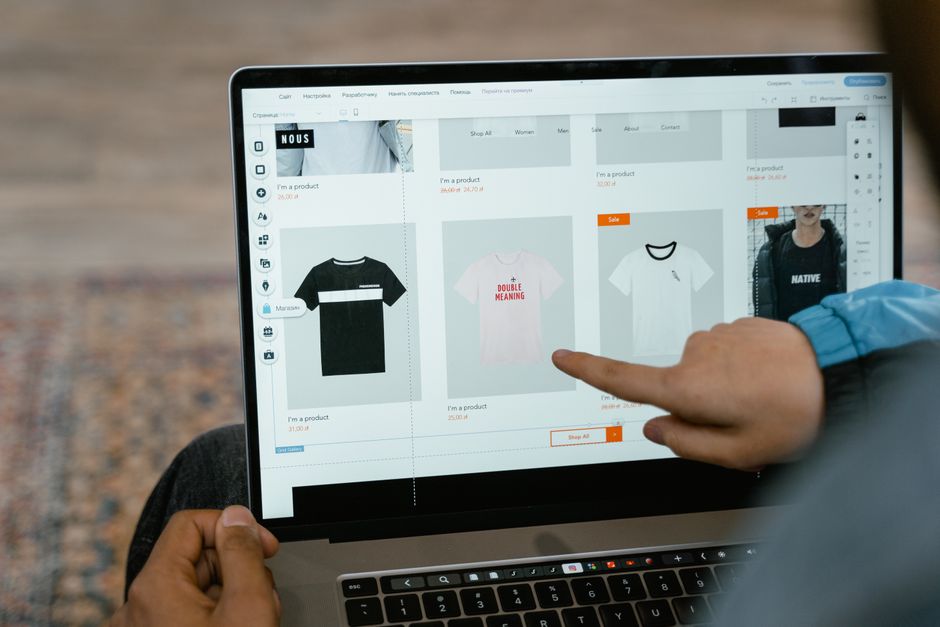
Начните с мощной системы рекомендаций на основе данных, работающей на алгоритмах, которые анализируют историю, потребности и действия на сайте, чтобы предлагать персонализированный опыт и конвертировать больше покупателей. Этот инструмент включает в себя динамическую модель оценки, которая обновляется в режиме реального времени по мере взаимодействия клиентов с магазинами, электронной почтой и результатами поиска.
Собирайте данные из источников: история, взаимодействие по электронной почте, поиск на сайте. В магазинах наблюдайте за сигналами покупателей и офлайн-покупками, чтобы дополнить онлайн-данные. Используйте это унифицированное представление, чтобы продвигать свои рекомендации и сократить путь к продаже.
Определите 3–5 примеров рекомендаций для ключевых сегментов, затем проведите A/B-тесты. Производительность показывает рост, когда вы адаптируете электронные письма и карусели продуктов к шаблонам, которые клиенты демонстрируют на протяжении всей своей истории. Ограничьте эксперименты 2-3 изменениями на тестовое окно, чтобы изолировать эффекты, и сообщайте о результатах с четкими показателями, такими как рейтинг кликов и коэффициент конверсии.
Используйте электронную почту в качестве канала для персонализированных рекомендаций, сопоставляя темы писем с прошлыми поисками и покупками. Частота 2-3 блоков на сообщение повышает вовлеченность и обеспечивает более высокую конверсию по сравнению с общим контентом. Убедитесь, что каждое электронное письмо содержит четкий призыв к действию и простой путь к странице продукта.
Отслеживайте производительность с помощью компактной панели инструментов: доход на посетителя, средняя стоимость заказа и прирост от персонализации. Ограничьте масштабы на ранних тестах, чтобы избежать переобучения, затем расширяйте, когда правила окажутся надежными, а отзывы клиентов подтвердят релевантность.
Этапы реализации: аудит каналов данных, выбор масштабируемого инструмента, который включает персонализацию в реальном времени, настройка стартового набора правил, затем добавление рекомендаций на основе машинного обучения по мере накопления истории и обучения на шаблонах. Для магазинов с ограниченными данными привяжите рекомендации к самым продаваемым товарам и наборам, которые отражают общие потребности и обеспечивают измеримую ценность.
Рекомендации по продуктам: персонализация и увеличение конверсии; - 2 Продвигайте ежедневные предложения
Включите модуль ежедневных предложений, который автоматически предлагает три отобранных продукта на посетителя, основываясь на недавней активности и статусе запасов.
Используйте сигналы из поисковых запросов, просмотров продуктов, событий корзины и прошлых покупок, чтобы питать движки рекомендаций, которые выводят на поверхность соответствующие товары в режиме реального времени.
Запускайте пакетные обновления ежедневных предложений в фиксированное время каждый день и активируйте корректировки в реальном времени для корзины или контекстов оформления заказа.
Комбинируйте совместную фильтрацию с контентными сигналами, чтобы определить товары, которые посетители, скорее всего, купят, затем выделите перекрестные и повышающие возможности продажи.
Разместите блок ежедневных предложений на главной странице, страницах категорий и продуктов и используйте четкий текст, который передает ценность: экономия, пакеты или ограниченная доступность.
Покажите три продукта на один показ, укажите цену, статус запасов и краткую причину, по которой каждый товар рекомендуется посетителю.
План измерения: отслеживайте конверсии, рейтинг кликов, среднюю стоимость заказа и дополнительный доход от ежедневных предложений; сравните с базовым периодом, чтобы количественно оценить влияние. Стремитесь к увеличению конверсии на 5-12% в течение 4-недельного тестового периода.
Операционные советы: предоставьте командам продуктов простую панель инструментов и сочетайте автоматический выбор товаров с ручными корректировками для сезонных кампаний и акций.
Персонализируйте рекомендации по продуктам, чтобы увеличить конверсию и выводить на поверхность ежедневные предложения
Вот практический подход: персонализируйте рекомендации по продуктам с помощью движков динамической персонализации, которые выводят на поверхность ежедневные предложения на основе данных их сеанса, истории расходов и того, что им нравится.
Покажите этот поток на витрине перед оформлением заказа, используя детали из текущего сеанса, чтобы показать товары, которые им кажутся полезными, и предложения, которые они еще не видели.
Отслеживайте такие показатели, как рейтинг кликов, добавление в корзину и средняя стоимость заказа после внедрения персонализированных рекомендаций, чтобы количественно оценить влияние.
Предложите сбалансированное сочетание рекомендаций и ежедневных предложений; используйте технологии для обучения на их взаимодействиях, что создает мощный цикл, который повышает удовлетворение и чувство ценности.
Согласуйте движки с опытом витрины, чтобы каждая рекомендация содержала детали, которые увеличивают конверсию при оформлении заказа и продлевают текущий сеанс.
Определите сегменты клиентов и намерения для индивидуальных рекомендаций
Используйте гибридную модель сегментации, которая позволяет вам комбинировать прошлые покупки и действия на сайте, чтобы назначать клиентов в группы на основе намерений в разных магазинах.
Эта идея основана на алгоритмической оценке, основанной на информации от каждого пользователя, включая прошлые покупки, просмотренные товары, активность в корзине и взаимодействие с магазином, затем дополненной правилами для обработки ограниченного запаса или региональной доступности.
Вот практический подход: определите три профиля намерений – покупатели, совершающие транзакции, которые хотят быстрых побед, покупатели-исследователи, которые сравнивают варианты продуктов, и искатели ценности, которые реагируют на скидки и четкую ценность. Для каждого профиля адаптируйте рекомендации, выделяя комбинации продуктов с высокой стоимостью, предлагая дополнительные товары и представляя краткие ценностные предложения.
Для вовлечения примените гибридный метод: алгоритмические подсказки из прошлого поведения плюс контекст из магазинов и каналов. Поддерживайте правильный баланс между персонализированными рекомендациями и ограничениями запасов, чтобы показываемые товары были доступны в местоположении клиента. Используйте информацию о каждом пользователе, чтобы настроить правильные акции, такие как скидки и наборы для конкретного местоположения. Они предназначены для масштабирования по каналам.
Этапы реализации: соберите структурированные данные (покупки, товары, магазины, взаимодействия) за последние 60 дней; сгруппируйте клиентов по намерению, назначьте тег на пользователя и на магазин, затем выведите рекомендации по правильному каналу (электронная почта, приложение или сайт). Это должно быть автоматизировано и обновляться еженедельно, чтобы отражать новое поведение и инвентарь. Они предназначены для масштабирования по каналам.
Показатели и оптимизация: отслеживайте рейтинг кликов, рейтинг добавления в корзину и покупки на сегмент. Проведите A/B-тесты на двух форматах выделения – один, сосредоточенный на скидках, другой, на объединенной ценности, – и сравните прирост на сегмент. Отслеживайте время пребывания, количество товаров на сеанс и конверсию, чтобы убедиться, что подход дает больше ценности для каждого пользователя, сохраняя при этом положительный опыт с более релевантными рекомендациями.
Агрегируйте и очищайте данные: историю покупок, поведение и предпочтения
Объедините данные в единое представление клиента и начните с чистого базового уровня: удалите дубликаты, нормализуйте поля и согласуйте временные метки, чтобы у вас была надежная ссылка на каждого покупателя.
Создайте три списка: история покупок, поведение и предпочтения. Для каждого покупателя отметьте текущие интересы и актуальность, чтобы сформировать лучшие следующие рекомендации и максимизировать вовлеченность по всем каналам. Подход основан на конкретных сигналах от просмотра, прошлых заказов и заявленных симпатиях, чтобы поддерживать актуальность предложений.
Отформатируйте данные в согласованной структуре: храните такие поля, как shopper_id, product_id, category, price, quantity, timestamp, action и channel. Удалите дубликаты по источникам и выровняйте часовые пояса, чтобы каждый товар ссылался на согласованную запись, что обеспечит плавное обучение и устойчивую оптимизацию.
Проверки качества и обогащение: заполните недостающие значения безопасными значениями по умолчанию, проверьте идентификаторы по каталогам и устраните конфликты, когда сигналы противоречат. Отметьте пробелы для текущего цикла данных и убедитесь, что набор данных остается надежным для автоматизации и других целей.
Положитесь на этот фундамент, чтобы продемонстрировать персонализированный опыт: представьте товары, которые соответствуют истории покупателя, выведите на поверхность дополнительные продукты и настройте сообщения по сегментам. Покупатели с большей вероятностью будут вовлечены, когда их рекомендации отражают реальное поведение и предпочтения. Отслеживайте сигналы удовлетворенности, такие как рейтинг кликов и рейтинг добавления в корзину, чтобы измерить эффективность. Используйте эти знания, чтобы улучшить программу и повысить конверсию.
Идеи для экспериментов включают A/B-тесты различных форматов – списков, наборов и блоков быстрой рекомендации – и измерение влияния на конверсию. Убедитесь, что размеры выборки достаточно велики, чтобы обнаружить средний прирост на сегмент и канал, затем итеративно повторяйте правила и веса на основе результатов.
Обучение и управление: поддерживайте общие определения, регулярно обновляйте списки и регистрируйте изменения, чтобы сохранить согласованность в программе. Поскольку поведение покупателей развивается, используйте текущие знания для уточнения стратегии и обеспечения постоянного вовлечения по всем точкам касания.
Наиболее эффективная практика сочетает в себе свежие данные, четкие форматы и упрощенный рабочий процесс, которые преобразуют знания в персонализацию на сайте и в электронной почте. Этот подход поддерживает сильную стратегию и более высокую удовлетворенность среди покупателей.
Примените оценку в реальном времени для ранжирования товаров для каждого посетителя
Настройте движок оценки в реальном времени, который ранжирует товары для каждого посетителя в течение 100-200 мс после таких действий, как просмотр, нажатие или поиск, чтобы топовые рекомендации отражали текущее намерение и контекст. Такая настройка, вероятно, повысит вовлеченность и продажу, и это даст вам явное преимущество в электронной коммерции.
Используйте алгоритмическую оценку с целевым набором функций: актуальность, частота, история просмотров, контекстные сигналы (устройство, время, местоположение), характеристики товара (категория, ценовой уровень) и пакетные индикаторы для обновлений каталога. Эти сигналы в сочетании с популярностью каталога дают вам надежное ранжирование, которое выделяет товары, которые, вероятно, преобразуются. Модель скоринга должна быть легкой для оценки на одного посетителя и достаточно простой, чтобы объяснить заинтересованным сторонам. Этот подход дает представление о том, как ранжирование меняется с каждым сигналом и показом.
Поскольку эти сигналы различаются для каждого пользователя, вычисляйте оценки на посетителя в режиме реального времени, одновременно запуская ночное пакетное обновление, чтобы скорректировать веса и показать новые товары. Запустите небольшую программу для тестирования оценки на посетителя на подмножестве трафика, пока вы собираете данные. Отслеживайте количество взаимодействий на сеанс, чтобы откалибровать модель и повысить точность с течением времени. Используйте сигналы вовлеченности, чтобы направлять следующие шаги и оставаться в соответствии с идеей адаптивной, ориентированной на пользователя программы.
Конфиденциальность превыше всего: ограничьте сбор данных основными сигналами, анонимизируйте идентификаторы, зашифруйте данные при передаче и предоставьте варианты отказа. Используйте преобразования, сохраняющие конфиденциальность, и четкий след управления данными, чтобы соблюдать права пользователей, при этом предоставляя персонализированный опыт. Передовые методы обеспечения конфиденциальности могут добавить уровни защиты, не замедляя принятие решений в реальном времени.
Исследования показывают, что скоринг в реальном времени улучшает вовлеченность и показатели продаж, когда веса отражают то, как взаимодействуют посетители. Используйте рекомендованный балл на основе баллов или векторов для ранжирования товаров и поддержания свежести результатов. Используйте здравый смысл, чтобы избежать переобучения, и отслеживайте, как эти изменения влияют на ключевые показатели, такие как рейтинг кликов, рейтинг добавления в корзину и доход на посещение. Используя этот подход, эти изменения улучшат показатели и поддержат масштабируемую программу персонализированных рекомендаций по категориям.
| Функция | Вес | Обоснование |
|---|---|---|
| Просмотренные взаимодействия | 0,28 | сигнализирует о непосредственном намерении от недавней активности |
| События добавления в корзину | 0,22 | сильный предиктор вероятности покупки |
| Контекстные сигналы (устройство, время, местоположение) | 0,20 | выравнивает ранжирование с состоянием сеанса |
| Характеристики товара (категория, цена) | 0,15 | соответствует предпочтениям и бюджету покупателя |
| Актуальность пакета | 0,07 | поддерживает соответствие товаров обновлениям каталога |
| Средства управления конфиденциальностью | 0,08 | защищает права пользователей и соблюдение требований |
Экспериментируйте с макетами рекомендаций и размещением предложений
Протестируйте два макета параллельно: сетку из четырёх товаров и карусель в стиле полки на страницах коллекций и товаров. Это должно выполняться в разных магазинах в течение 14 дней с равным трафиком, и вы должны отслеживать CTR, рейтинг добавления в корзину и доход на посещение. Ожидайте прирост CTR на 8–12%, когда макет соответствует сигналам от вошедших пользователей и их прошлым купленным товарам.
Вошедшие покупатели видят персонализированные блоки, созданные из прошлых купленных товаров и сигналов интереса; отображать их в гибридном формате, который сочетает в себе персонализированные выборы с популярными товарами. Это обеспечивает ощущение релевантности и способствует более высокой вовлеченности, особенно на отдельных страницах, где история пользователя имеет наибольшее значение.
Стратегия обучения: различные макеты, отслеживание показов и сигналов, которые они показывают, и опора на прогнозирующие сигналы для ранжирования товаров для каждого пользователя. Используйте простой набор правил для переключения лучшего формата на большее количество страниц, затем уточните порядок на основе ежедневных результатов и качественных отзывов от магазинов и клиентов.
Размещение предложений: размещайте заметный блок «Связанные товары» на страницах товаров, полку «Клиенты также купили» на страницах коллекций и предложение повышения цены после покупки на странице подтверждения заказа. Эти размещения легко измерить, и они, как правило, повышают как заинтересованный интерес, так и завершенные покупки, показывая им релевантные варианты без помех.
План данных: отслеживайте ежедневные результаты, сравнивайте, как каждый макет работает для вошедших и гостевых пользователей, и полагайтесь на эти сигналы, чтобы затянуть формат. Стремитесь к увеличению рейтинга добавления в корзину на 5–15 % и увеличению дохода на посещение на 2–5 % за тестовый период с четкими ежедневными панелями инструментов, которые выделяют, какие типы коллекций и страницы обеспечивают самую сильную конверсию.
Разработка ежедневных предложений: стратегии времени, обмена сообщениями и видимости

Установите фиксированное окно ежедневных предложений в 9:00 утра по всем каналам, чтобы гарантировать постоянное воздействие и быструю реакцию покупателей.
-
Время
- Примите три ежедневных слота: 9:00, 13:00 и 18:00 по местному времени, каждый длительностью 4 часа. Этот ритм согласуется с общими моментами покупок и уменьшает паралич выбора.
- Используйте центральный планировщик в своих системах для автоматической активации предложений; избегайте ручного обновления каждого канала, что создает пробелы.
- Отслеживайте производительность по слотам: стремитесь к увеличению рейтинга кликов (CTR) на 3-7 % и увеличению коэффициента конверсии (CVR) на 2-5 % по сравнению с базовым днем.
- Адаптируйте слоты по дням недели; выходные часто показывают более высокую вовлеченность для категорий покупок, таких как одежда и товары для дома; сравните результаты с данными о прошлой производительности, чтобы уточнить время.
- Поддерживайте простой список активных предложений и их времени, что позволяет быстро вносить коррективы, не жонглируя несколькими платформами.
-
Обмен сообщениями
- Начните с ценности: «Сэкономьте X % сегодня» или «Набор с ограниченным сроком действия», а затем добавьте контекст, например «за ваш интерес к [категории]».
- Персонализируйте, где это возможно: динамические заголовки, которые ссылаются на сигналы потребительского интереса и копию на основе сегментов.
- Выделите процент скидки и конкретные преимущества, чтобы показать ощутимую ценность (например, «набор из 2 товаров экономит 15 %» или «бесплатная доставка заказов на сумму свыше 50 долларов»).
- Протестируйте вариации: проведите A/B-тесты в темах писем, тексте героя и CTA. Сравнивайте результаты еженедельно и корректируйте, чтобы поддерживать активное участие.
- Поощряйте рекомендацию: включите рекомендуемый раздел в электронные письма, например «Порекомендуйте друга, и оба получите скидку 10 %».
- Сохраняйте текст лаконичным и ориентированным на покупки; соответствуйте пути электронной коммерции для потребителей и избегайте наполнителя.
-
Видимость
- Показывайте предложения в ключевых точках касания: главный баннер домашней страницы, страницы категорий/списков, карточки товаров, напоминания на странице корзины и результаты поиска, где это уместно.
- Используйте заголовок «Сегодняшние предложения» в предсказуемом месте, а также «Рекомендуемый» рельс в списках товаров, чтобы показать товары, соответствующие предложениям.
- Push-уведомления и электронные письма должны отражать окно ежедневных предложений; согласованность времени поддерживает восстановление и последующие действия.
- Используйте баннеры для мобильного и настольного компьютеров; оптимизируйте скорость и разборчивость, чтобы не замедлять работу.
- Поддерживайте списки сегментов для адаптации видимости: новые посетители, возвращающиеся посетители, прошлые покупатели; убедитесь, что предложения соответствуют сигн
Отправить краткий бриф
Укажите сайт, цели, аудиторию и бюджет, чтобы обсудить предложение.


