Что такое поведение потребителей? Практическое руководство по принятию решений о покупке
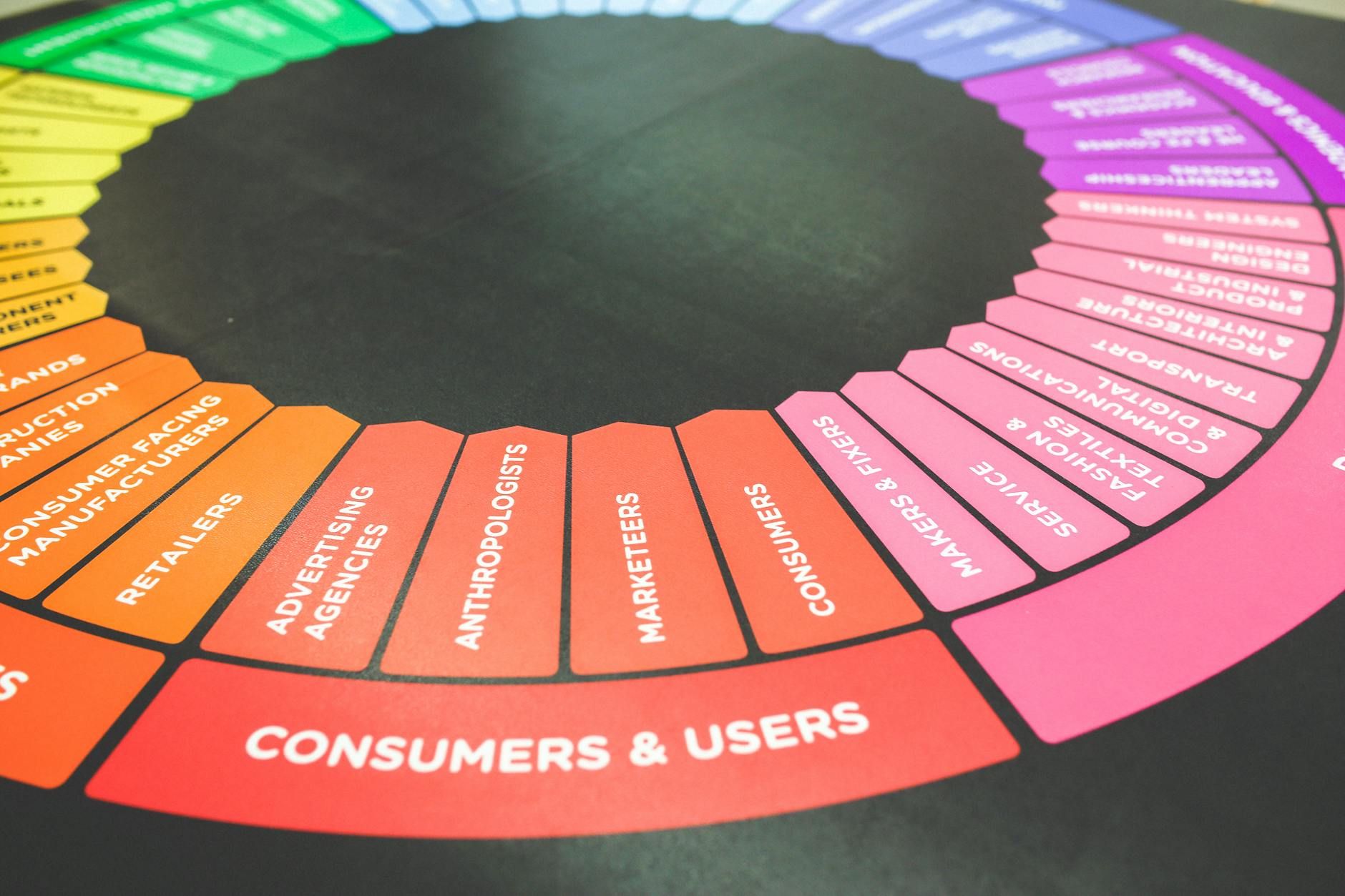
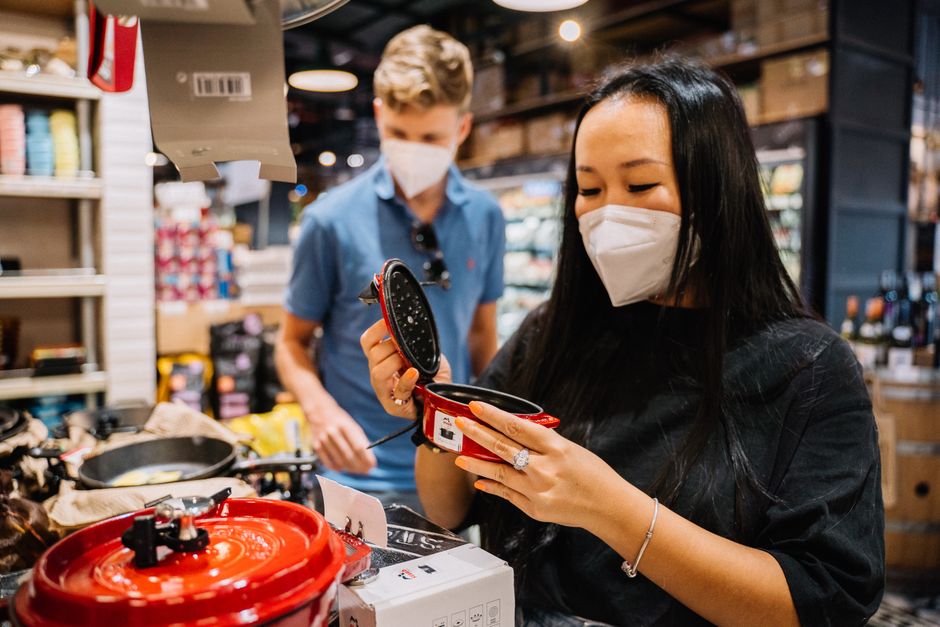
Для начала, определите четыре этапа: осознание потребности запускает поиск информации, затем следует сбор информации, оценка вариантов сравнивает характеристики, а оценка после покупки формирует будущие покупки. Давайте применим эту структуру к каждой тематической странице покупок, чтобы провести читателей через четкий, действенный процесс.
Тематическое исследование показывает, что 60-70% потребительских решений начинаются с онлайн-исследований и чтения отзывов, в то время как разница в ценах и скорость доставки являются значительными факторами, влияющими на выбор товаров. Маркетологи, которые представляют четкую ценность и понятные сравнения, как правило, видят более высокий прирост конверсий, независимо от конкурентов.
Что касается паттернов исследования, то покупатели в четырех категориях товаров демонстрируют существенные различия. В электронике люди сравнивают как минимум три модели; в продуктах питания они отдают приоритет свежести и цене; в одежде решения определяются посадкой и возможностью возврата; в услугах определяющими факторами являются репутация и гарантии. Эти результаты помогают вам определить тематические потребности и адаптировать сообщения, чтобы уменьшить трения на этапе оформления заказа, что стимулирует покупки.
Практические шаги, чтобы действовать сейчас: 1) соотнесите запуск продукта с сигналами клиентов и обновите свой контент вокруг каждого запуска; 2) проведите быстрое исследование, чтобы количественно оценить, насколько ценно предложение для вашей аудитории; 3) протестируйте четыре сценария цен и доставки, чтобы выделить то, что определяет ценность; 4) составьте профиль основных конкурентов и определите пробелы, в которых вы можете выделиться. Эти шаги помогут вам получить существенное преимущество и построить устойчивую стратегию, независимо от изменений на рынке.
Отслеживание важных показателей позволяет принимать решения, основанные на данных: ценность для клиентов, коэффициент покупок, средняя стоимость заказа и коэффициент возврата. давайте встроим краткую тематическую петлю обратной связи: после каждого запуска измеряйте, насколько хорошо ваше сообщение определяет потребности клиентов и где вы можете улучшить ситуацию. Такой подход дает существенную выгоду и ставит вас впереди конкурентов.
Место покупки: Практическое влияние на решения о покупке
Вот конкретная рекомендация: упростите путь покупки, удалив ненужные шаги, добавив четкие подсказки и предложив варианты в один клик, что уменьшит количество отказов и увеличит процент успешных завершений в точке покупки. Облегчите им возможность действовать, потому что они с большей вероятностью купят, когда путь будет немедленным.
Покупка разворачивается поэтапно: просмотр, оценка и выбор. Приведите в соответствие витрину вашего магазина, онлайн-оформление заказа и мобильный поток, чтобы поддержать каждый этап, чтобы выбор был понятным, а трения были сведены к минимуму.
Место покупки имеет значение: в ресторане или розничном магазине физическая очередь, размещение на полках и рекомендации персонала оказывают непосредственное влияние на то, что потребители получают от посещения. Та же логика применима к онлайн-пространствам, где скорость загрузки страниц и сигналы доверия привлекают внимание и уменьшают сомнения. Это влияние выходит за рамки цены и распространяется на общий опыт в момент обмена.
Персонализация и маркетинговые подходы могут помочь вам оставаться впереди текущих действий конкурентов. Персонализация кажется естественной, когда вы адаптируете предложения к недавнему поведению при просмотре и представляете соответствующие варианты здесь и сейчас. Используйте возможности для представления дополнительных товаров перед оформлением заказа, чтобы увеличить среднюю стоимость заказа и удовлетворенность, и держите четкие кнопки, чтобы избежать путаницы перед тем, как взять.
Помимо быстрых побед, следите за негативными последствиями: общие подсказки могут негативно повлиять на доверие и конверсии. Полагайтесь на подходы, основанные на данных, и проводите контролируемые эксперименты, а также отслеживайте такие показатели, как коэффициент конверсии, средняя стоимость заказа и время до покупки. Этот подход становится все более убедительным, потому что он связан с реальными потребностями клиентов и создает устойчивую ценность.
| Этап | Действие | Влияние | Показатели |
|---|---|---|---|
| Просмотр | Отображать краткие ценностные предложения, краткие спецификации и четкие подсказки для следующего шага; вывески и быстрые подсказки направляют пользователя | Увеличивает вовлеченность и уменьшает показатель отказов | время на странице; кликабельность до следующего шага |
| Обдумывание | Предлагать персонализированные рекомендации и пакеты; показывать социальное доказательство | Повышает релевантность и намерение | коэффициент добавления в корзину; коэффициент конверсии |
| Выбор | Предоставлять прозрачное ценообразование, сопоставимые сравнения и гибкие варианты | Уменьшает колебания | коэффициент конверсии; коэффициент отказа от корзины |
| Оплата | Включить оформление заказа в один клик, сохраненные предпочтения и четкие условия возврата | Ускоряет путь оформления заказа | коэффициент завершения оформления заказа; время до покупки |
Влияние планировки магазина и размещения товаров на выбор
Разместите товары с высоким спросом на уровне глаз в основных проходах, чтобы повысить видимость и добиться измеримого улучшения конверсии на 15-25% при первых посещениях.
Разделите пол на четыре зоны: передняя зона движения, переходные коридоры, основные проходы с товарами и торцевые стеллажи возле кассы. Такое сегментирование направляет клиентов от открытия до принятия решения, удерживая вовлеченных покупателей на пути к покупке.
Используйте видные торцевые стеллажи для сезонных или взаимодополняющих пар товаров, реализуйте перекрестный мерчандайзинг в смежных проходах и разместите четкие вывески, сообщающие цену, преимущества и использование. Каждая тактика увеличивает трафик к сопутствующим товарам и сокращает путь к покупке.
Адаптация размещения к четырем типам покупателей – ищущим удобство, ищущим экономию, ищущим открытие и ищущим полноту – улучшает таргетинг. Соотнесите каждый сегмент с текущей моделью поведения, затем отрегулируйте полки, чтобы представить определенный набор товаров, который сокращает время принятия решения и повышает вовлеченность. Это повышает вероятность корзины, которая соответствует вашим бизнес-целям.
Отслеживайте улучшения с помощью данных POS, тепловых карт в магазине и времени пребывания у полки. Проведите контролируемые тесты по четырем зонам, измерьте рост доходов и следите за риском запасов, чтобы избежать задержек с выполнением заказов. Эти изменения не требуют дорогостоящих переделок; начните с одной зоны и проведите месячный пилотный проект, чтобы узнать, а затем масштабируйте.
Обоснованные решения основаны на следующих ресурсах: аналитика POS, опросы покупателей, счетчики трафика и тепловые карты. Приводя в соответствие планировку с текущими предпочтениями и сохраняя простой опыт, вы оптимизируете продажи, сохраняя при этом положительное восприятие вашего бренда. Используйте точку зрения своих клиентов, чтобы со временем улучшать размещение и продолжать совершенствоваться.
Роль онлайн-контекста в принятии решений о покупке
Адаптируйте онлайн-контекст к непосредственной потребности пользователя в каждой точке взаимодействия, чтобы повысить конверсии и доверие.
Начните с гипотезы о том, как контекст влияет на желание, затем протестируйте ее с реальными пользователями. Обоснуйте, какой контекст имеет значение: страницы товаров, результаты поиска, рекомендации и подсказки при оформлении заказа. Существуют вариации, которые необходимо отслеживать, включая устройство, местоположение и предыдущее поведение.
- Контекстуальные рычаги для оптимизации
- Четкость сообщения: излагайте преимущества, а не только характеристики, и адаптируйте их к намерениям пользователя.
- Адвокация и социальное доказательство: отображайте отзывы, истории и заслуживающие доверия рекомендации, которые находят отклик у пользователя.
- Подсказки о здоровье: для товаров, связанных со здоровьем, предоставьте рекомендации по дозировке, примечания о безопасности и ссылки на авторитетные источники.
- Прозрачность цен и условий: отображайте оценки доставки, политику возврата и примечания о лицензировании, например, by-sa при использовании пользовательского контента.
- Предложения по уменьшению диссонанса: бесплатный возврат, гарантии цены и четкие гарантии для уменьшения колебаний.
- Привлеките внимание на раннем этапе: краткое ценностное предложение в верхней части страницы и четкий следующий шаг.
- Вариации по сегментам пользователей
- Существуют вариации по устройству, местоположению и предыдущим покупкам; адаптируйте опыт соответствующим образом.
- Политический нейтралитет важен для широкой аудитории; особенно в сообщениях, которые могут вызвать сильную реакцию.
- Подходы к тестированию и итерации
- Тесты, основанные на гипотезах: отслеживайте такие показатели, как кликабельность, добавление в корзину и процент завершения для каждого изменения контекста.
- Естественные эксперименты: сравните когорты, подвергшиеся воздействию различных контекстуальных подсказок, чтобы оценить размеры эффекта.
- Быстрая итерация: начните с небольших изменений, затем масштабируйте успешные варианты между точками взаимодействия.
- плюс, задокументируйте результаты, чтобы информировать будущие случаи и поддержку лучшего сочувствия в сообщениях.
Там примените практическую дорожную карту: адаптируйте контент к намерениям пользователя, привлеките внимание пользователя четким сообщением и повысьте доверие посредством достоверных деталей. Общая цель состоит в том, чтобы уменьшить сомнения и продвинуть пользователя к положительному решению в любом случае, не оказывая сильного давления и не создавая трений.
Упаковка, вывески и внутримагазинные подсказки, которые определяют выбор
Начните с тестирования упаковки по трем концепциям в течение 14 дней, 500 единиц по каждой концепции, и используйте аналитику для отслеживания конверсии, времени пребывания и количества наблюдаемых просмотров. Это, таким образом, приводит к конкретным решениям и раскрывает предпочтения покупателей; это помогает вам чувствовать себя уверенно в том, что изменить дальше и как можно интегрировать продвижение.
Вывески должны основываться на психологии с четкой иерархией: смелое основное утверждение, тематическое вторичное преимущество и визуальная подсказка, которая направляет взгляд на цену или ценность. Измерьте вовлеченность по времени пребывания и действиям по следованию знакам, а также по тому, сканируют ли клиенты QR-коды или отвечают на быстрые викторины. Время суток и положение прохода влияют на результаты, поэтому протестируйте вариации и отрегулируйте визуальные эффекты, чтобы максимизировать просмотр и запоминание.
Используйте внутримагазинные подсказки, которые рассказывают связную историю по всему кейсу, торцевым стеллажам и полочным ценникам. Простое повествование о том, как продукт решает реальную проблему, повышает интерес и отклик на продвижение. Включите быстрые подсказки рядом с дисплеем, чтобы зафиксировать предпочтения и отзывы, что делает взаимодействие более запоминающимся и наблюдаемым вовлечением.
Используйте динамику торговой площадки, приводя в соответствие упаковку, вывески и продвижение по онлайн и офлайн точкам взаимодействия. Один вид продукта, с согласованным цветом, типографикой и языком утверждений, облегчает продажу обратно на полке и в корзине. Создайте короткую библиотеку кейсов из пилотных проектов в магазине, затем примените результаты к более широким линейкам, сохраняя университетскую строгость вашего тестирования и аналитики в неприкосновенности во время итерации.
Наконец, разрабатывайте решения для принятия решений в данный момент: выделите наиболее выгодные преимущества, покажите ощутимые результаты и используйте быструю, тематическую петлю тестирования и обучения. Когда вы поддерживаете движение процесса – времена, тесты и пересмотры – вы фиксируете динамику поведения покупателей и превращаете наблюдаемые сигналы в повторяющиеся улучшения, которые повышают прибыльность на рынке, пока вы итерируете туда и обратно.
Социальное доказательство: обзоры и рейтинги в точке продажи
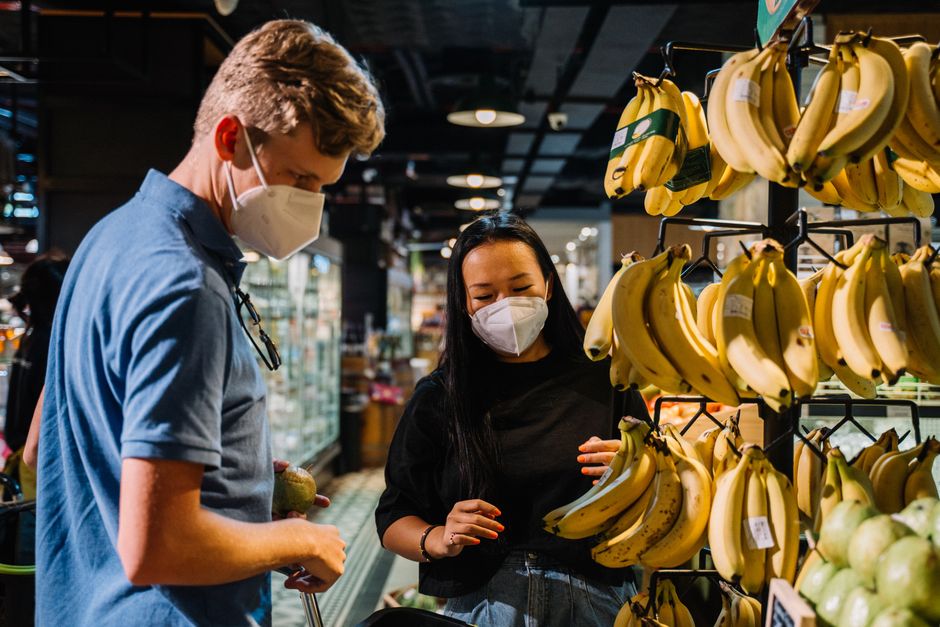
Отображайте надежные обзоры в точках взаимодействия в магазине, чтобы повысить вероятность покупки. Разместите короткие, проверяемые цитаты рядом с продуктами и предоставьте быстрый путь для чтения полного обзора.
Опубликуйте средний рейтинг (например, 4,7 / 5) и четкое распределение по уровням звезд, со счетчиками под каждым уровнем. Рейтинги помогают аудитории оценить консенсус и уменьшить догадки.
Включите обзоры от разнообразной аудитории: спортсменов, энтузиастов и повседневных покупателей. Например, в листинге обуви Nike демонстрируется, как обзоры влияют на привычки выбора товаров. Соедините обзоры с фотографиями продуктов или заметками об использовании, чтобы добавить контекст.
Пометьте обзоры как проверенные покупки и отметьте источник ввода. Процитируйте связанную информацию из таких источников, как Wikipedia, и дайте ссылку на спецификации продукта, чтобы читатели оставались в курсе.
Этичная модерация имеет значение; используйте процесс оценки для пометки поддельных обзоров и отвечайте на вопросы в режиме реального времени.
Следите за конкурентами и внедряйте инновации с помощью таких форматов, как видеоклипы, обзоры изображений и вопросы и ответы. Эти варианты привлекают аудиторию и приводят к прибыльным результатам.
Наконец, убедитесь, что это социальное доказательство поддерживает обоснованные решения и соответствует ценностям бренда.
Процесс оформления заказа: варианты оплаты, скорость и трения
Предоставьте три варианта оплаты (карты, кошельки и купи сейчас, оплати позже) и ускорьте оформление заказа до 2 секунд, чтобы снизить трения и повысить потребление и лояльность.
Сделайте поток согласованным во всех межканальных точках взаимодействия, чтобы их опыт оставался бесшовным, будь то покупки на мобильном телефоне, планшете или настольном компьютере.
Используйте четкие сообщения на каждом шагу: подтвердите способ оплаты, покажите статус обработки и предоставьте предполагаемое время завершения, чтобы все выглядели уверенными в завершении заказа.
Протестируйте вариации макета оформления заказа и копии; запустите A / B-тесты на метках кнопок, количестве полей и индикаторах прогресса, а затем измерьте отказ от корзины и скорость оформления заказа.
Разработайте дизайн для событий и юбилейных случаев: окна с высокой посещаемостью требуют надежной пропускной способности и быстрых подтверждений; разработайте кампанию, которая поощряет более быструю оплату и более высокую конверсию.
В сценариях бедствий, таких как отключения, предложите резервные варианты оплаты или простой автономный резерв, чтобы продолжить оформление заказа и предотвратить потерю дохода.
Чтобы смотреть вперед, определите варианты оплаты как фактор лояльности; вместе с целевыми сообщениями правильные варианты поддерживают долгосрочное взаимодействие и повторные посещения.
Используйте психологию, чтобы уменьшить колебания: подчеркните подсказки скорости, покажите прогресс, заверьте безопасность и минимизируйте поля; формирование ожиданий посредством четкого статуса уменьшает сомнения, и поток остается беспрепятственным для всех, при этом решения должны в значительной степени основываться на данных.
Используйте данные из вариаций на разных устройствах и каналах, чтобы найти наилучшее сочетание; убедитесь, что основные способы оплаты видны в верхней части страницы и доступны одним касанием.
Поддерживайте отсутствие беспорядка: по возможности предварительно заполняйте поля, сохраняйте предпочтительные методы с согласия и развертывайте межканальные напоминания посредством сообщений после событий, чтобы подтолкнуть к завершению без давления. Запустите кампанию, чтобы укрепить этот подход.
Отправить краткий бриф
Укажите сайт, цели, аудиторию и бюджет, чтобы обсудить предложение.


