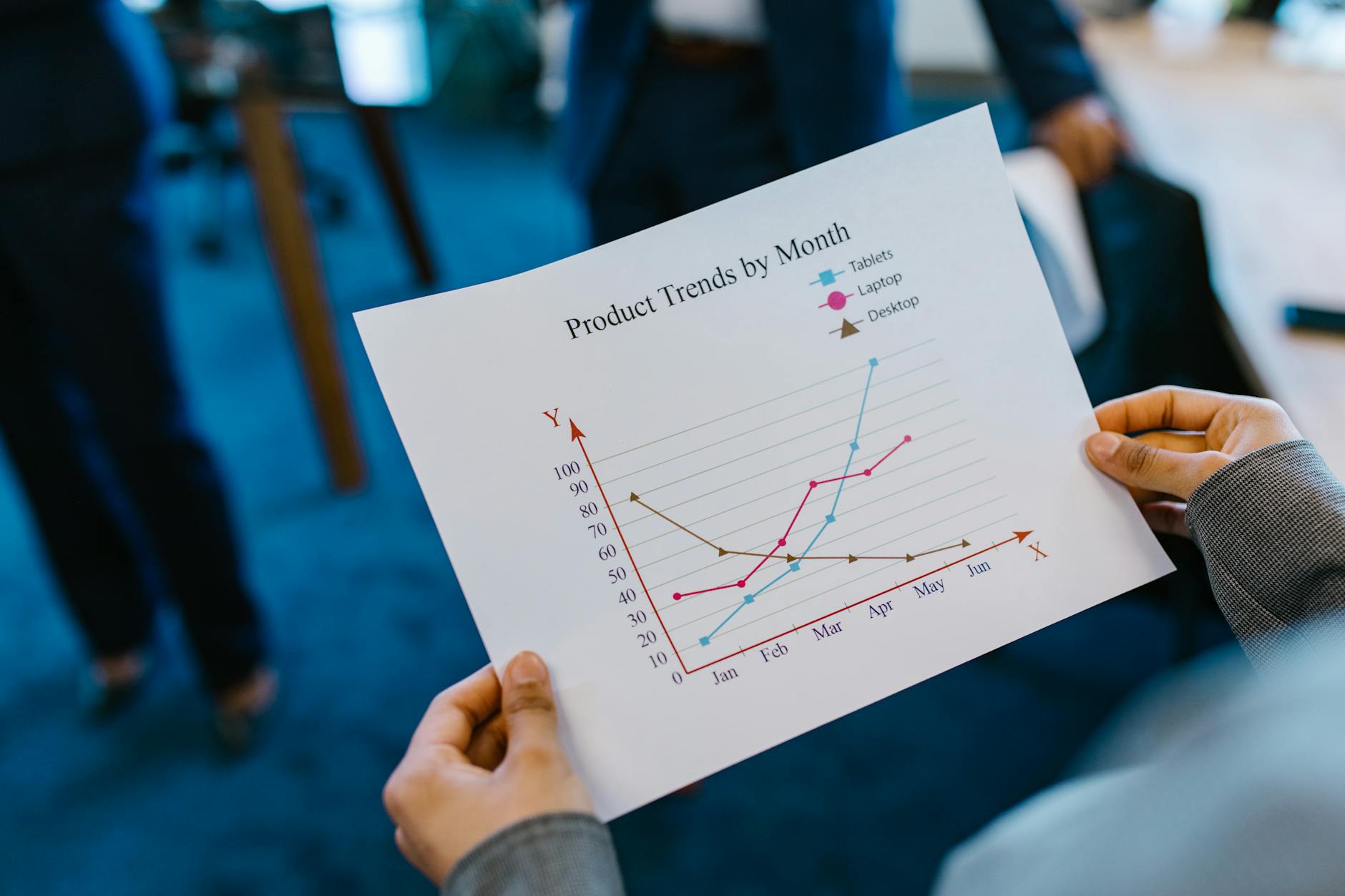
Что лучшие маркетинговые команды делают с инструментами ИИ прямо сейчас


Выберите единственный, высокоэффективный AI-воркфлоу, связывающий данные прогнозирования, копирайтинг и измерение результатов, затем подтвердите его ценность в течение двух недель, чтобы обеспечить ранний возврат инвестиций и четкий план действий, вместо того, чтобы гнаться за десятками экспериментов.
Подключите свой стак с помощью zapier для автоматизации потока данных между рекламными платформами, аналитикой и производством. Согласуйте автоматизацию с потребностями команд: чтобы сигналы прогноза питали брифы копирайтинга, отправляли креативы в производство и возвращали результаты в дашборды.
Оценивайте модели на едином дашборде, сравнивайте продвинутых авторов, инструменты для работы с изображениями или видео и стратегии назначения ставок; тестируйте варианты или конфигурации и выбирайте лучший путь на основе измерения подъема и возврата инвестиций. Следите за странными скачками данных и проверяйте их с помощью сигналов googles.
Производство должно оставаться под контролем человека; комбинируйте полностью автоматизированные циклы с человеческой проверкой на заключительном этапе, чтобы обеспечить качество и согласованность креативного вывода.
Отслеживайте прогресс с помощью простого, повторяемого набора KPI: точность прогнозов, возврат инвестиций, CPA и эксперименты, ориентированные на действия; публикуйте краткий отчет, который подчеркивает силу и измеренное влияние для межфункциональных команд.
Плейбук по AI-маркетингу: тактики, инструменты и измеримые результаты
Внедрите шестинедельный AI-пилотный проект с небольшим выделением бюджета для доказательства ценности; определите четкие критерии успеха и делитесь еженедельным дайджестом с редакторами и заинтересованными сторонами, чтобы поддерживать импульс и подотчетность.
Эти тактические шаги сосредоточены на интуитивно понятных воркфлоу, реалистичных сроках и устойчивом росте производства. Такая настройка помогает командам двигаться быстро, не жертвуя качеством, и при этом обеспечивает, чтобы управление сохраняло выходные данные безопасными и соответствующими требованиям.
- Примите модульную, тактическую структуру, которая сочетает машинное обучение с человеческими редакторами. Начните с основного цикла: потоки данных → предложения модели → проверка человеком → производственные активы. Это сохраняет выходные данные точными и сохраняет целостность качества.
- Автоматизируйте повторяющиеся производственные задачи, сохраняя при этом контроль. Используйте AI для составления брифов, генерации вариантов текста и сборки наборов активов; редакторы проверяют перед публикацией, сокращая время цикла при сохранении голоса бренда.
- Интуитивно понятная сегментация обеспечивает личную релевантность в масштабе. Используйте поведенческие сигналы, сходства продуктов и недавние взаимодействия для адаптации электронных писем, целевых страниц и рекламы — в рамках строгих ограничений, чтобы избежать ошибок.
- Тестируйте умно, а не исчерпывающе. Проводите небольшие, тактические эксперименты на страницах продуктов и в почтовых кампаниях; используйте реалистичные размеры выборки и правила остановки, чтобы извлеченные уроки можно было применить в течение одного спринта.
- Следите за неправильными выходными данными и предвзятостью. Внедрите проверки качества, учитываемые журналы и процесс проверки, учитывающий нормативные требования; документируйте решения, чтобы предотвратить регрессии и сохранить доверие.
- Превратите выигрышные эксперименты в готовые к производству плейбуки. Когда вариант превосходит другие, кодифицируйте подход и автоматизируйте его развертывание для аналогичных контекстов; масштабируйте рост, сохраняя при этом контроль.
Инструменты и воркфлоу в плейбуке должны охватывать прием данных, создание креативов, оптимизацию и отчетность. Уделяйте приоритетное внимание решениям, которые предоставляют интуитивно понятный пользовательский интерфейс для редакторов, тесную интеграцию с аналитикой и четкое управление версиями для отслеживания того, что было развернуто и почему.
- Данные и аналитика: подключайте собственные сигналы, очищайте и нормализуйте данные, а также обеспечьте детализацию атрибуции, чтобы выявить, какие точки контакта способствовали результатам.
- Креатив и текст: используйте составление с помощью AI с редакционным обзором; поддерживайте стандарты бренда и доступность по замыслу.
- Экспериментирование и оптимизация: используйте многомерные и A/B-тестовые структуры, которые выдают метрики действенного подъема и доверительные интервалы.
- Автоматизация и производство: внедрите автоматизированные конвейеры производства активов, которые преобразуют выигрышные варианты в новые активы с минимальными ручными шагами.
- Управление и соответствие требованиям: установите контрольные журналы, политики использования данных и проверки соответствия нормативным требованиям для защиты клиентов и бренда.
Измеримые результаты сосредоточены на конкретных достижениях. Ожидайте улучшения показателей вовлеченности, конверсии и эффективности с четкими целями, привязанными к шестинедельному пилотному проекту.
- Улучшение вовлеченности: рейтинг кликов повышается на 12–25 % в электронных письмах и целевых страницах после начала интуитивной персонализации.
- Улучшение конверсии: конверсии в основной воронке улучшаются на 8–15 % в результате повышения релевантности и сокращения времени загрузки оптимизированных производственных активов.
- Время публикации: циклы редактирования и производства сокращаются на 30–40 %, когда редакторы работают вместе с автоматизированными брифами и шаблонами.
- Экономия затрат: общий CAC снижается на 10–20 %, поскольку небольшие кампании оказываются масштабируемыми благодаря автоматизированной генерации активов и целевым экспериментам.
- Качество и риск: показатели дефектов в выходных данных остаются ниже 1 %, а проверки соответствия нормативным требованиям выявляют потенциальные проблемы до запуска.
- Скорость обучения: команды еженедельно собирают аналитические данные, превращая эти результаты в повторяемые плейбуки, которые поддерживают устойчивый рост.
Joybird продемонстрировала, что дисциплинированное внедрение AI может принести значительные выгоды: повышение вовлеченности по электронной почте на 22 % и сокращение времени производства на 14 %, когда редакторы направляли предложения AI через структурированный процесс утверждения.
Чтобы избежать распространенных ошибок, поддерживайте следующие практические проверки: установите четкие границы для автоматизированных выходных данных, обеспечьте качество данных перед подачей модели и постоянно проверяйте результаты на соответствие бизнес-целям. Если тактика не приводит к изменению показателей в течение шестинедельного окна, оперативно перераспределяйте ресурсы и итеративно подходите к подходу, а не слепо удваивайте ставки.
В ближайшие кварталы потребуется постоянная итерация; поддерживайте живой плейбук, который учитывает новые инструменты, меняющиеся сигналы клиентов и более строгие правила. Сделка проста: дисциплинированная автоматизация, основанная на реальных данных, помогает командам обеспечивать более быстрый и релевантный опыт, не теряя при этом человеческого прикосновения, на которое редакторы и команды по продукту полагаются для укрепления доверия во всем мире.
Автоматизация сегментации аудитории и п персонализации с помощью AI

Автоматизируйте сегментацию аудитории и персонализацию, развернув модель, управляемую AI, которая обновляет сегменты в режиме реального времени по мере взаимодействия клиентов, позволяя запускать персонализированные кампании в любое время и измерять межканальное воздействие.
Интегрируйте данные из CRM, веб-сайта, мобильных приложений и офлайн-сигналов для формирования связных путей. Для определения объема давайте укажем основные варианты сегментации: поведенческие сигналы, демографические данные, этап жизненного цикла и контекст. Создавайте модели в производстве, чтобы заменить статические списки динамическими когортами, которые разворачиваются по электронной почте, push-уведомлениям и платным каналам.
Во время адаптации подключайте источники данных, устанавливайте ограничения конфиденциальности и определяйте версионный план для тестирования. Интеллект все больше влияет на решения, поскольку команда сравнивает когорты, отслеживает конверсии и обновляет сегменты почти в режиме реального времени. Используйте дашборды для измерения подъема по когорте, каналу и креативу, чтобы оптимизировать кампании, не замедляя темп.
Оптимизация творческого процесса означает согласование активов с сегментами, управляемыми AI, и оптимизацию рабочих процессов. Укажите основную версию обмена сообщениями и призывов к действию, протестируйте вариации и позвольте системе развернуть успешные версии в кампаниях. Мысли в команде смещаются в сторону решений, основанных на данных, уменьшая догадки и высвобождая время для стратегической работы.
Чтобы масштабировать, рассматривайте персонализацию на основе AI как производственную возможность, а не как разовый тест. Оценивайте варианты по каналам, сравнивайте дополнительное воздействие и соответствующим образом корректируйте распределение бюджета. Результат: более жесткий контроль, более быстрые циклы обратной связи и более значимые действия на протяжении всего пути.
AI-тестирование креативов: быстрая оценка вариантов
Начните с четырех сгенерированных AI креативных вариантов в паре с контролем, обычно запускаемых по двум высокопотенциальным путям,, и ограничьте тест 5 днями. Используйте облегченный, автоматизированный поток отчетности, чтобы команды видели впечатления, обучение и ранние победы в режиме реального времени, а не после окончания квартала.
Выберите исходные активы на основе стратегического брифа, затем протестируйте различные заголовки, изображения и ценностные предложения. Сохраняйте одинаковый темп для всех тестов, чтобы обеспечить сопоставимое обучение. Когда придут результаты, отдайте приоритет более высоким впечатлениям или рейтингам конверсии, но также учитывайте долгосрочные сигналы ценности от путей пользователей.
Назначение ставок и распределение бюджета должны реагировать на ранние сигналы. Если сгенерированный AI вариант показывает увеличение впечатлений на 20-40% и более низкий CPC, переключите бюджет и обработайте вариант как победу, отметив проигравших для приостановки. Используйте автоматизированный оператор, чтобы избежать ручных узких мест.
В плейбуке тестирования Joybird команды видят доказанные выгоды, когда AI ускоряет итерацию креативов. На практике результаты показывают 2-3-кратное ускорение циклов обучения, с генерируемыми AI вариантами, питающими петлю непрерывного улучшения в операциях.
С точки зрения отчетности, настройте дашборды для отображения обновлений в тот же день по впечатлениям, CTR и конверсиям, а также разбивку по уровням источника для определения того, какие происхождения стимулируют лучшие пути. Это позволяет принимать стратегические решения о том, какие активы масштабировать, а не дублировать ручную работу.
Всегда учитесь на неудачах. Если вариант работает хуже, зафиксируйте почему — креатив, предложение или время — и примените это обучение к следующему раунду. Благодаря постоянному тестированию команды сокращают циклы, остаются сосредоточенными на ценности и реализуют более быстрые победы по платным и собственным каналам.
Оптимизация ставок и распределение бюджета в режиме реального времени
Начните с установки ставок в режиме реального времени, чтобы корректировать их каждые 12 минут на основе интеллектуальных сигналов от межканальной активности, чтобы максимально увеличить количество побед, защищая при этом весь бюджет.
Чтобы сделать это, объедините сигналы от межканальной активности — поисковой, социальной, электронной почты и поведения на сайте, чтобы система анализировала CPC, CPA и ROAS в режиме реального времени. Используйте пользовательскую модель назначения ставок, разработанную для адаптации к сигналам и инвентарю на уровне продукта, заменяя статические правила текущими оптимизациями. Поддерживайте версионный набор правил в своих приложениях, чтобы вы могли откатить версию, если она показывает невысокий результат, пока вы собираете недели данных.
Распределяйте бюджет с еженедельной периодичностью: выявляйте неэффективные области и переключайте расходы на сегменты с высоким намерением и продукты, которые приносят стабильные победы. Избегайте "метрик тщеславия", взвешивая ROAS и маржу, и убедитесь, что полный бюджет развернут там, где это наиболее важно, по общим каналам.
Используйте adcreativeai для автоматической генерации и тестирования вариантов; используйте разработанную версию рекламного креатива, которая вращает сообщения, ценностные предложения и CTA. Отслеживайте производительность по обмену сообщениями и формату, а не просто общий CTR. Это помогает вам понять, влияет ли данный креатив на конверсии и ROAS.
Обзор метрик: сосредоточьтесь на ROAS, CPA и марже; следите за простотой использования командой; ведите еженедельные дашборды и оповещения через маркетинговые приложения. Думайте об этом как о живой системе, которая адаптируется к сезонному спросу, и просматривайте производительность каждую неделю, чтобы проверить, действительно ли оптимизации сохраняются в течение недель, и соответствующим образом корректируйте стратегию.
Качество данных, конфиденциальность и управление для AI-кампаний

Установите базовый уровень качества данных по всем источникам данных и формализуйте управление с четкими ролями, утверждениями и элементами управления доступом в течение следующего квартала. Свяжите это с действующей политикой, которая охватывает согласие, хранение и использование данных для кампаний. Создайте стандарт, основанный на данных, который применяется к нескольким продуктам и платформам, а затем обеспечьте соблюдение посредством автоматизации.
Создайте многоуровневую программу качества данных: данные уровня 1 предоставляются клиентами и являются чистыми; Уровень 2 охватывает поведенческие сигналы; Уровень 3 включает в себя взаимодействие с продуктом и предполагаемые атрибуты. Для каждого уровня определите метрику полноты, точности и своевременности и внедрите автоматизированные проверки при поступлении, чтобы улучшить качество данных до того, как они попадут в прогнозные модели.
Конфиденциальность по замыслу: минимизируйте PII, псевдонимизируйте, где это возможно, и применяйте дифференциальную конфиденциальность к агрегированной аналитике. Встройте политику согласия и хранения в каждый поток данных, чтобы информация, используемая в кампаниях, соответствовала предпочтениям пользователей. Вместо того, чтобы полагаться на специальные проверки, используйте оценки воздействия на конфиденциальность для крупных интеграций и продуктов.
Структура управления: назначьте распорядителей данными для каждого домена данных, документируйте происхождение и обеспечьте контроль доступа с минимальными привилегиями. Создайте структуру контроля, которая охватывает источники данных, модели и кампании. Используйте журналы аудита и автоматизированные отчеты, чтобы обеспечить последовательный надзор во всех командах.
Измерение и отчетность: определите ежеквартальную панель метрик, которая отслеживает точность, полноту, своевременность и состояние интеграции. Используйте несколько сигналов для количественной оценки улучшений; сообщите, как оптимизация потока данных с помощью интеграции дает прогностическое преимущество.
Операционные рекомендации: инвестируйте в передовые каталоги данных, визуализацию происхождения и автоматизированные проверки качества; внедрите ворота качества данных перед любым сегментом, используемым для кампаний. Это поддерживает длительные кампании, сохраняя качество данных по циклам. Обеспечьте долгосрочную стабильность, подтвердив с помощью A/B-тестов и убедившись, что конвейер остается надежным для различных инструментов и платформ.
Итог: подведите итоги основных практик и установите периодичность рассмотрения качества данных, конфиденциальности и управления не реже одного раза в квартал; это обеспечивает лучшую таргетинга для кампаний и защищает как бренды, так и пользователей.
Измерение прироста прибыли и рентабельности инвестиций с помощью AI-моделей
Проведите контролируемый холдаут-тест, чтобы количественно оценить прирост прибыли от AI-заявок и чат-ботов, а затем масштабируйте выигрышную конфигурацию и отслеживайте рентабельность инвестиций с течением времени.
Определите базовый период без AI-вмешательства, случайным образом назначьте сегменты для обработанных и контрольных групп и сохраните те же креативы, каналы и бюджеты. Используйте чистое окно атрибуции (14–21 день), чтобы показать прирост и выявить шум; соберите конверсии, доход и затраты на один показ. Убедитесь, что размер выборки дает статистическую значимость, чтобы измеренный подъем отражал истинное воздействие, а не случайные колебания. Определите основные драйверы подъема: оптимизация заявок, вовлечение чат-ботов и персонализированный контент, отвечающий намерениям пользователей.
Измерьте подъем в реальном выражении, сравнив конверсии и доход, а затем переведите его в рентабельность инвестиций с помощью простой формулы: ROI = (Добавочный доход − стоимость AI) / стоимость AI. Отслеживайте как общий эффект, так и эффективность; это команды с дисциплиной, которые быстро принимают меры по корректировке торгов, обмена сообщениями и потоков. AI-модели становятся более мощными, когда вы тренируете пользовательские сигналы, включая поведение пользователя и движение по времени суток. Когда вы пишете модель, стремитесь к модульным компонентам, чтобы вы могли заменять игроков (разные сегменты аудитории), не ломая остальную часть системы, и внимательно следить за шумом, который может ввести в заблуждение атрибуцию.
Вот компактный пример, иллюстрирующий подход и то, чего следует ожидать по мере масштабирования.
| Метрика | База | AI-модель | Приращение | Примечания |
|---|---|---|---|---|
| Показы | 60 000 | 60 000 | − | Постоянный трафик |
| Конверсии | 1620 (2,70%) | 1920 (3,20%) | +300 | Увеличение CVR на 0,50 п.п. |
| Средняя стоимость заказа | 75 долл. США | 75 долл. США | − | Предполагается постоянным |
| Инкрементный доход | − | − | 22 500 долл. США | 300 × 75 долл. США |
| Стоимость AI | − | 8000 долл. США | − | Обучение/обслуживание модели |
| Чистая прибыль | − | − | 14 500 долл. США | Дополнительный доход за вычетом стоимости |
| ROI | − | − | 181% | Чистая прибыль ÷ стоимость AI |
При таком подходе предприятия все чаще полагаются на дисциплинированный цикл: вдохновение от данных, быстрая итерация и прозрачная отчетность руководителям. Вы можете писать панели мониторинга, которые показывают основные сигналы за считанные минуты, помогая командам переходить от шума к четкому и действенному пониманию. Определив, какие участники воронки лучше всего реагируют на настраиваемые действия AI, вы станете более стратегически подходить к инвестированию в обучение и ставки. Этот метод не только показывает возможности AI для улучшения показателей, но и проясняет, как масштабировать, не жертвуя контролем.
Отправить краткий бриф
Укажите сайт, цели, аудиторию и бюджет, чтобы обсудить предложение.
Related Articles
Требования к каталогам товаров для ИИ-агентов: полные технические спецификации
August 10, 2026
Риск мошенничества при оформлении заказа с помощью AI-агентов в интернет-магазинах: обнаружение, профилактика и архитектура безопасности
August 7, 2026