SEO for Landing Pages - Best Optimization Practices for 2026


Begin with one clear value proposition on every landing page, then back it with real data from tests. Here, tailor the proposition to their wants and back it with real data. Create a concise hero headline that states the main topic and benefits, and align the meta title and description with user intent. Collect requests through quick experiments and measure impact on leads. Focus on long-term gains by delivering trustworthy information that matches what visitors want here.
Structure pages around topics and a clean design that speeds load times. Optimize images with compression, modern formats, and lazy loading; reduce total requests by bundling assets and using inline critical CSS. For performance, target LCP under 2 seconds and CLS under 0.1 at typical loads, keep total page weight under 1.5 MB, and cap mobile layout shifts. Use a straightforward navigation to guide visitors from hero to actions, boosting engagement and leads.
To stand out against competition, build a trustworthy frame with real case studies, testimonials, and transparent results. Show valuable outcomes you’ve delivered and tie each benefit to a clear topics in your content plan. Use a design that highlights the main benefit, with scannable headers and concise blocks that help visitors decide quickly. For sears-like catalogs, test a few product-focused pages and measure which ones convert best, leveraging data from user interactions on the page.
Optimize the meta layer and inner links to support navigation
Optimize the meta layer and inner links to support navigation and discovery. Each page should have a single primary CTA, a descriptive H1, and subheads aligned with search intent. Use internal links to related topics and keep anchor text natural to boost crawlability and user experience. Limit heavy requests to essential assets and load above-the-fold content first to boost first impressions.
Measure impact with real metrics: page-level leads, time-to-value, and repeat visits. Build a trustworthy data signal by logging how users interact with your images and how often they reach the main offer. Plan a long-term test calendar with quarterly revisions to content blocks, visuals, and navigation patterns, ensuring you stay competitive as search signals evolve.
Can a landing page rank in Google search results in 2025?
Yes. A landing page can rank in Google search results in 2025 if you apply a focused, seo-friendly optimization plan that blends fast performance, relevant content, and smart testing.
Clarify intent and structure: before drafting, analyze searches
- Clarify intent and structure: before drafting, analyze searches and define the top question your page will answer. Write a short, valuable core paragraph and use headings to guide readers and crawlers. The page type should be clearly defined (landing page) with one primary goal and a credible secondary action.
- Speed and safe performance: optimize images (WebP), minify code, enable caching, and reduce delay. A fast page improves user experience and return on investment. Aim for sub-2-second load on mobile in most cases.
- On-page optimization and headings: implement a seo-friendly hierarchy (H1, H2, H3). Include the core keyword in the H1 and spread it naturally in headings, alt text, and button labels. Keep copy concise and easy to scan; ensure the type scales for mobile and accessibility.
- Content quality and value: craft concise, valuable content that directly answers the user query. Short paragraphs, bullet lists, and data-backed statements tend to outperform long blocks, generating higher engagement than wall-of-text sections. Use analyzing results to refine subject coverage and inspire future updates.
- Local business focus: localbusiness should target local searches by adding city names, region identifiers, and structured data. use reviews and maps signals, and tailor content to nearby customers to improve traction.
- Internal and external signals: use internal links to related pages and signal relevance via trusted external references. The page uses internal structure and a clear button CTA to guide actions and keep conversions in view.
- Repair and ongoing checks: implement checking routines for broken links, 404s, and crawl errors; repair issues promptly to avoid delays in indexing. Schedule weekly or biweekly checks and track changes.
- Paid support and organic synergy: use paid campaigns to validate keywords and ideas while you optimize organic assets. Paid traffic can provide early traction while you refine on-page optimization.
- Measurement and return: track organic visits, engagement metrics, form submissions, and conversions. Calculate return to quantify impact and justify future optimization efforts. Use dashboards to compare before and after changes and make data-driven updates.
Targeted keyword clustering for high-intent landing pages
Targeted keyword clustering for high-intent landing pages

Start with a clearly defined cluster blueprint: identify 4–6 core high-intent queries that signal purchase readiness, then attach 3–5 related topics and 2–3 sub-queries per topic. Each cluster maps to a dedicated landing page or a hub page, with the page goals stated in the meta and visible in headings. Include queries, topics, and search intent data in a single spreadsheet to keep teams aligned.
Group keywords by intent: transactional, navigational, informational. For high-intent clusters, prioritize transactional and navigational paths. Therefore craft on-page elements that answer questions, present clear actions, and offer an easy contact option. Use descriptive headers and a concise FAQ block to boost user-friendly signals.
Structure and markup: create a hub page that links to 4–6 sub-landing pages, each targeting a primary keyword plus 2–4 secondary topics. On each page, place a strong hero that states the goal, then deliver tightly focused answers. Use schema.org markup for the page: Article or Product, plus FAQPage where relevant. In meta, weave in the core keyword but keep it natural. there is proof from tests showing that pages with structured data and optimized meta boost CTR and reduce bounce rate.
Content execution: write concise, action-oriented answers for each query, address the small set of needs clearly, and link to related topics to improve navigational flow. Use user-friendly formatting with short paragraphs and headings and emphasis where appropriate. heres a quick checklist you can apply today to start clustering.
Measurement and optimization: set up dashboards to track core
Measurement and optimization: set up dashboards to track core metrics: rankings for core keywords, page views, dwell time, engagement, and conversion rate from each cluster. Run on-page A/B tests on titles, meta descriptions, and headers; refresh schema blocks quarterly; if indicators drop, reallocate resources to higher-value clusters. Moreover, maintain a running log of experiments so the team can replicate success across pages.
Implementation cadence: assign owners, create templates that reinforce cluster consistency, and publish content in small batches to reduce risk. Always include navigational links to the contact page and product pages; maintain a clear path from the hub to conversions. This approach keeps pages user-friendly and aligned with user needs across topics.
Speed first: image optimization, caching, and server response optimization
Optimize images first: convert key visuals to WebP or AVIF, resize to display size, and use srcset with responsive types. This reduces file sizes dramatically and lifts LCP. For example, a 2 MB JPEG hero can drop to 120–300 KB in WebP with comparable quality. Lazy-load off-screen images and keep thumbnails small to improve perceived performance. looking at Singapore localbusiness pages, this change typically yields a 30–50% faster first paint. Check alt text and ensure meta describes the content to support accessibility and search intent.
Cache aggressively
Cache aggressively. Implement a caching policy that separates static assets from dynamic content. Set Cache-Control: public, max-age=31536000 for static files and use fingerprinted file names so updates invalidate caches automatically. For styles and scripts, split critical (above-the-fold) CSS into a separate inlined block and defer the rest. Preconnect to fonts and fetch resources in the right order. This tactic reduces repeated requests and improves TTI over time, especially for new visitors in Singapore; for instance, a landing page with proper caching lowers the time-to-interactive by 1–2 seconds on subsequent loads. These file-level decisions complement your offerings and keep the site lean. If issues appear, repair the cache and re-deploy assets to restore performance. need to monitor over time to catch regressions.
Server response optimization. Target TTFB under 200–300 ms in the Singapore region by selecting a hosting plan with a nearby PoP, enabling Brotli compression for text assets, and using HTTP/2 or HTTP/3. Enable keep-alive connections and optimize database queries for dynamic content. Use a CDN to shorten the distance from the user to the content, and cache dynamic fragments where appropriate. A faster server response supports every type of page, from blog posts to product pages, and improves the experience for localbusiness queries.
Style and resource loading
Style and resource loading. Inline critical CSS and minimum necessary style to accelerate the initial render; separate the remainder into a file and load it asynchronously. Use media attributes to delay non-critical CSS and preload fonts with the right cross-origin settings. These moves reduce render-blocking time and improve the look-and-feel of the page.
Schema and meta. Mark up the page with schema.org LocalBusiness to help search engines understand offerings. Include JSON-LD with name, address, priceRange, openingHours, and a list of services (offerings). Add meta title and meta description that reflect the page content and the local focus; use a concise, action-oriented meta description to improve click-through rates. For Singapore-based examples, link to a local storefront with a clear address and service types.
Insights and measurement. Track with Lighthouse and PageSpeed Insights, looking at Core Web Vitals: LCP, FID, CLS. Typically, after implementing image optimization, caching, and server tweaks, you’ll see improvements in LCP by 0.5–1.5 seconds on mobile and desktop, with CLS reductions on image-heavy pages. check analytics for slow routes and repair bottlenecks as needed, and keep your developer team aligned on the setup and best practices. moreover, keep refining the schema and meta to match user intent and search features. If you track over several weeks, you can quantify gains and iterate.
CTR-focused titles and meta descriptions for landing pages
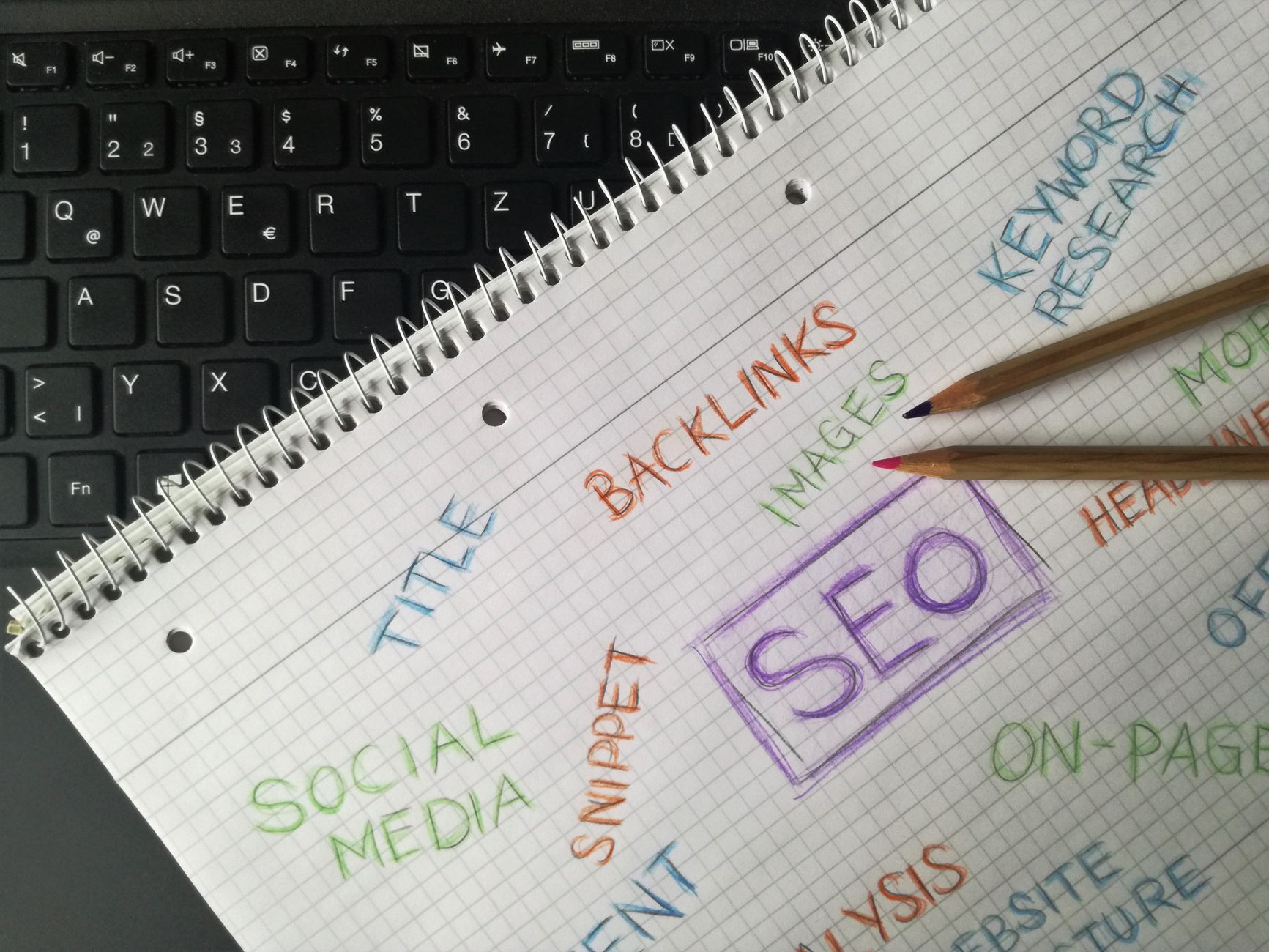
Craft CTR-focused titles that start with the core keyword and
Craft CTR-focused titles that start with the core keyword and add a tangible benefit. This approach likely grabs attention in search results, reduces distractions, and helps visitors stay aligned with their goals after clicking. Keep the language tight for a great match with your landing page builder, and avoid generic phrasing. Test 2–3 variants to see which resonates with audiences.
Pair the title with a meta description that extends the promise, mentions a clear outcome, and invites action. Include high-intent keywords and a natural CTA, like “get,” “start,” or “compare.” Write for queries users actually type across devices, not guesswork. For phones, front-load the benefit and keep it concise; across screens, provide enough context to signal relevance without overwhelming readers.
Keep meta descriptions aligned with page content to reduce bounce and improve relevance signals. Aim for about 150–160 characters on desktop and around 120 characters on phones, balancing specificity with brevity. Use variations across types of pages to learn which messaging formats grab attention and how tweaks affect click-through rates.
Monitor performance to gain actionable insights and guide long-term improvements. Track CTR by variant and by query, identify which phrases grab attention and which distractions to leave behind, and refine copy based on data rather than assumptions. Use these observations to fuel ongoing improvements in your copy library.
Suggestions for execution: develop three headline
Suggestions for execution: develop three headline styles–problem-solution, value proposition + CTA, and social proof support–then tailor each to audiences across segments. Keep descriptions descriptive but not overbearing, and ensure every element maps to the actual page content. This approach helps queries convert efficiently and keeps the overall strategy focused on high-quality traffic.
Structured data and rich snippets tailored to landing page content
Implement JSON-LD structured data on every landing page to annotate products, offerings, pricing, availability, and reviews. This signals to search engines what your page is about and helps generate rich snippets that boost click-through rates and match user queries. Use a straightforward Product schema for items and an Offer schema for pricing, including money-back guarantees where applicable.
Heres how to tailor markup to your industry and goals. For ecommerce product pages, pair Product with Offer, Review, and AggregateRating; for services or SaaS pages, use Service or SoftwareApplication schemas alongside FAQPage to answer common questions. Always ensure the images on the page have ImageObject markup, with captions aligned to the visible content.
Heres how examples across industry verticals translate to markup. Include queries such as "free trial" or "money-back guarantee" and ensure the content addresses user intents in both visible copy and structured data to improve relevance and match. Use BreadcrumbList for site structure, highlight products and offering hierarchies, and guide people through the path to conversion. Include an источник to cite data provenance where possible.
Implementation tips: keep the data tidy and centralized; place
Implementation tips: keep the data tidy and centralized; place JSON-LD in the head or via template includes; avoid data drift between markup and on-page content; ensure the markup remains responsive as the page scales across devices; align with site goals and with product data; validate using the Google Rich Results Test and Schema Markup Validator; fix missing fields or incorrect URLs to preserve relevance.
Ongoing optimization: monitor impressions and click-through rates after updates, adjust the offering text, and ensure the structured data continues to convert visitors. Track queries and user behavior across different landing pages to keep relevance high and ensure match with intent. For testing, run A/B tests on different industry showpieces and add a money-back badge in the snippet if available. Use the источник of reviews and other data sources to compare performance, and keep the markup responsive across devices.
Indexing control: canonicalization, robots meta, and smart internal linking
Apply a canonical tag to every page and map duplicates to the primary URL from your sources; place rel=canonical in the head, and implement 301 redirects where needed to keep the URL form consistent. This serves to unify signals and improve indexing for your localbusiness and informational pages, and it aligns the look of the site for users and crawlers. For teams using sams tagging, ensure the canonical URL maps to the same primary URL across content clusters. Once configured, you can optimize performance and reduce cannibalization in search results and lead generation.
Use robots meta tags to guide crawling: set index, follow on core content pages. For admin, staging, and private assets, apply noindex, nofollow to minimize wasted requests. Place the tag in the head so it informs search engines before they fetch the page, helping you protect internal design and language resources. This approach keeps the surface of the site clean for search while preserving access for informational content that serves users and localbusiness leads.
Smart internal linking connects related content with contextual links that reflect user intent. Connect guides, FAQs, and product pages through contextual anchors and a consistent style and language. Align internal links with your design and ctas so users can look for action steps and move toward conversion. A well-tied link graph boosts traction and helps search engines understand topic clusters, without creating noise in index signals. This also helps lead generation by guiding visitors toward relevant offers.
Checking and monitoring index status requires regular review. Look at index status and coverage in Google Search Console, inspect requests from crawlers, and verify canonical consistency across pages. Do this once after major content changes, and then monthly to catch drift. Use server logs to confirm pages are crawled at a healthy rate and that no important resources block rendering.
| Aspect | Action | Why it matters | How to verify |
|---|---|---|---|
| Canonical tags | Add rel=canonical on all pages to point to the primary URL; keep one URL form | Prevents duplicates and signals consolidation | Inspect page head; verify with Search Console URL Inspection |
| Robots meta | Use index, follow for core pages; noindex, nofollow for admin/staging | Reduces wasted requests and protects internal content | Check meta tag in head; review Crawl Stats |
| Internal linking | Connect related content with contextual anchors; align ctas | Improves discovery and user action flow | Audit anchor text and look at cluster paths in logs |
| Indexing checks | Monitor indexing and coverage; verify once after changes | Keeps performance steady and limits misses | Use GSC reports; check requests and 404s |
📚 More on SEO & Digital Marketing
- JavaScript SEO Optimization - Best Practices for Dynamic Websites
- Programmatic SEO: Examples, Tips, and Best Practices (2026)
- Meet SEO's New Era - Mastering Search Everywhere Optimization
- Top 11 Confirmed Search Engine Ranking Factors - Practical Optimization Tips
- White Hat SEO Guide - The Comprehensive Guide to Ethical SEO Practices
Ready to leverage AI for your business?
Book a free strategy call — no strings attached.


