Pochopenie typov umelej inteligencie – Sprievodca

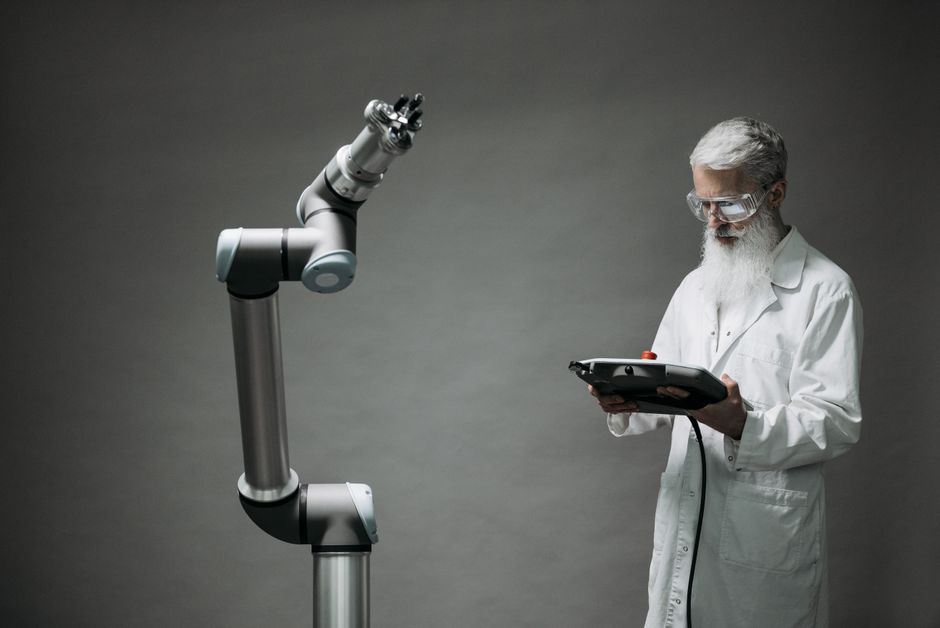
Začnite praktickým pilotným projektom, ktorý mapuje štyri úrovne schopností naprieč kľúčovými obchodnými funkciami. Tento prístup prináša rýchle víťazstvá tým, že sa zameriava na základnú automatizáciu dnes, produkuje hmatateľné metriky zapojenia a výsledky v reálnom svete.
Prvý stupeň sa zameriava na úzke, úlohovo orientované modely poháňajúce podporu zákazníkov, vstup dát a rutinnú analýzu. Tieto riešenia už existujú a prinášajú merateľné zisky produktivity pre malé a stredné podniky.
Aby ste sa vyhli falošným signálom, aplikujte fuzzy zhoda, recenzie a hypotetické testovanie pred produkciou. Rutina riadenia, vrátane kontrol rizík a auditov predsudkov, udržiava nasadenia v súlade s toleranciou rizika a normami ochrany súkromia zákazníkov.
Vyberte technologické zásobníky, ktoré sa dajú škálovať: modulárne API, ľahké kontajnery a observabilita od prvého dňa. Táto štruktúra pomáha tímom vyvíjať, produkovať a iterovať s istotou, nie s výhovorkami.
Nakoniec monitorujte zapojenie spolu s dopadom na podnikanie: sledujte používanie v reálnom svete, spokojnosť používateľov a náklady na výsledok. Ak sú výsledky marginálne, prejdite na vyšší stupeň alebo preformulujte ciele; ak sa objaví jedinečná hodnota, škálujte na ďalšie funkcie a trhy, poháňané dátami riadenými recenziami, ktoré vedú ďalšie kroky.
Understanding the Types of Artificial Intelligence: A Practical Guide
Začnite mapovaním zdrojov dát a definovaním konkrétneho rozsahu problému; vyberte praktickú formu automatizácie v súlade s dátami a cieľmi. Čítajte recenzie z raných pilotov na overenie očakávaných výsledkov a nákladov.
Existujú tri praktické formy: systémy riadené pravidlami, modely poháňané dátami a hybridné nástroje. Systémy riadené pravidlami sa spoliehajú na explicitnú logiku a nevyžadujú tréning. Modely poháňané dátami odvodzujú vzory z veľkých dát; tréning na týchto dátach pomáha znižovať chyby. Hybridné nástroje kombinujú pravidlá a naučenú logiku na prispôsobenie sa neobvyklým vstupom.
Čítajte kontroly kvality dát a sledujte predsudky; pretože rané chyby sa šíria, stupňujte piloty v malom rozsahu. Sledujte výsledky s dátovými dashboardmi.
Aplikácie zahŕňajú odporúčania produktov, kurátorstvo obsahu, hlasové akcie, detekciu podvodov. Prípadové štúdie Netflixu ukazujú, ako signály z interakcií používateľov ovplyvňujú rebríčky. Zameriavajte sa na dodávanie jedinečného hlasu interakciám s používateľmi a zlepšenie spokojnosti.
Praktické kroky: inventarizujte zdroje dát, definujte metriky úspechu, spustite malé piloty, porovnajte výsledky, potom škálujte zodpovedne.
| Kategória | Charakteristiky | Najlepšie použitie | Príklady |
| Na pravidlách založené | Explicitná logika, žiadny tréning | Kontroly súladu, rozhodnutia o smerovaní | Pravidlá proti podvodom, automatizácia workflow |
| Poháňané dátami | Naučené vzory z dát | Odosúčania, predpovedanie | Rebríčkovanie ako Netflix, prediktívne vyhľadávanie |
| Hybridné | Pravidlá + ML, prispôsobuje sa hraničným prípadom | Kontroly bezpečnosti, detekcia anomálií | Monitorovanie podvodov s pravidlami, moderovanie obsahu |
Four AI Types: Reactive, Limited Memory, Theory of Mind, and Self-Aware AI
Začnite nasadením reaktívnych systémov pre rýchle, automatické rozhodnutia v riadení v reálnom čase; spárujte ich s ľudským dohľadom pre bezpečnosť. Na rozpoznávanie vzorov v jednoduchom snímaní excelujú reaktívne modely s časmi odozvy v mikrosekundách až milisekundách na optimalizovanom hardvéri. V nasadeniach v teréne zostáva tento prístup predvídateľný, pretože sa spolieha na pravidlá, ktoré udržiavajú vysoký a stabilný výkon.
Obmedzená pamäť pridáva krátkodobý kontext uložením nedávnych pozorovaní na minúty až hodiny, čo umožňuje lepšie plánovanie a rozhodnutia. V praxi to prináša zlepšenú prediktívnu kvalitu v navigácii, robotike a botov služieb zákazníkom. Očakávajte rozsah schopností naprieč zručnosťami, ako je stavový dialóg, detekcia trendov a aktualizované modely; výkon sa škáluje s oknom pamäte, hoci náklady na výpočty stúpajú. Druhy skúseností sa akumulujú rôzne naprieč doménami a to ovplyvňuje spoľahlivosť.
Modely teórie mysle sa zameriavajú na rozpoznávanie presvedčení, túžob a zámerov ľudských používateľov a iných agentov. To umožňuje plynulejšie interakcie, lepšiu spoluprácu a presnejšie predpovedanie preferencií. Ako poznamenal Kasparov, intelektuálne uvažovanie sa rozširuje za snímačové dáta na interpretáciu sociálnych signálov, čo zvyšuje výkon v spolupráci človek–stroj. V rozsahu zostáva táto kategória náročná na implementáciu a vyžaduje starostlivé kontroly bezpečnosti, riadenie a jasné očakávania o skúsenostiach, ktoré sú dôležité pre používateľov.
Sebavedomé systémy sledujú uvedomenie si vnútorného stavu, sebamonitoring a dlhodobú adaptáciu. Takéto štruktúry reflektujú ciele, hodnotia istotu a upravujú plány, tlačiac schopnosti na pokročilé úrovne. Tento vývoj zostáva kontroverzný, no nesie potenciál pre vysokorizikové misie, kde sekvencia rozhodnutí záleží na dlhodobom horizonte. Realistický pokrok sa spolieha na zarovnanie s ľudskými preferenciami, budovanie bezpečnostných prvkov a priebežné testovanie naprieč rôznorodými skúsenosťami na zabezpečenie zodpovednosti. Dúfam spočíva v transparentnom riadení a postupnom nasadení, ktoré obmedzuje riziká pri rozširovaní rozsahu aplikácií.
Reactive Machines: Capabilities and Practical Uses
Nasadiť reaktívne stroje pre riadenie v reálnom čase, kde záležia len aktuálne vstupy; na rozdiel od systémov založených na pamäti dodávajú rýchle odozvy bez učenia sa z minulých dát. Pre inžinierov to znamená menej aktivít na riadenie, nižšiu požiadavku na spracovanie a predvídateľné výsledky, ktoré sa zhodujú s cieľmi vášho produktu. Na výrobných linkách ai-poháňané roboty zvládajú jednoduché úlohy na doske alebo na výrobnej ploche, spracovávajú notifikácie a základné príkazy prostredníctvom manuálnych bezpečnostných prvkov a diagnostických nástrojov. Predstavte si ich ako nástroje v ranom štádiu, ktoré podporujú ľudí namiesto ich nahradenia, spájajúce tvárové signály a environmentálne signály s okamžitými akciami a zakotvené v jasných, opakateľných procesoch, ktoré uspokojujú požiadavky formovania sveta, kde rýchlosť záleží.
Schopnosti zahŕňajú vnímanie podnetov, rýchle rozhodovanie a dodržiavanie preddefinovaného procesu; na rozdiel od učiacich systémov reaktívne stroje neukladajú dlhodobú pamäť a produkujú fixné odozvy. Ich stupeň je jednoduchý: pozorovať vstup, spustiť akciu, dokončiť úlohu. Pre ľudí to znamená predvídateľnú interakciu na výrobných linkách, bezpečné manuálne kontroly a rýchle cykly, ktoré podporujú kvalitu produktu. Vedci testujú, aké signály záležia: tvárové signály, emocionálne indikátory a environmentálne dáta poháňajú okamžité akcie, ale bez minulého kontextu zostávajú výstupy generické namiesto personalizovaných.
Praktické použitia zahŕňajú výrobné linky, balenie a automatizované kontroly kvality, kde sú kroky dobre definované a vyžadujú rýchle, opakateľné výsledky. Ai-poháňaný reaktívny motor môže riadiť robotickú ruku, dopravný pás alebo alarm s rozpoznávaním tváre, ktorý spustí manuálne vypnutie; na doske alebo ovládacom paneli interpretuje stavy senzorov a koná bez plánovania, používajúc štandardné nástroje. Podniky monetizujú prostredníctvom spoľahlivých produktov, ktoré znižujú ľudské chyby, znižujú náklady na školenie a zrýchľujú čas do trhu. Tieto systémy excelujú v procesoch stupeň po stupni, zvládajú diskrétne aktivity, ktoré vyžadujú presnosť, pričom udržiavajú človeka v dohľadnej úlohe.
Pokiaľ ide o integráciu, reaktívne stroje tvoria základnú vrstvu, ktorá sa spája s schopnejšími systémami s pamäťou; na rozdiel od modelov, ktoré akumulujú skúsenosti, tieto stroje pracujú v rámci fixnej politiky, potom odovzdávajú ľuďom na zvládnutie výnimiek. To ich robí bezpečným prvým stupňom v širšom ai-poháňanom zásobníku, kde vedci navrhujú proces, testujú na doske a pozorujú, ako používatelia reagujú na okamžité výstupy. Pre produktové tímy to znamená jasnú hranicu medzi nástrojmi na rýchlu odozvu a ťažšími modulmi zvládajúcimi personalizované skúsenosti, keď je to potrebné, udržiavajúc kontrolu s manuálnymi prepínaniami a robustným logovaním odoziev.
Kľúčové kritériá hodnotenia: latencia, determinizmus, tolerancia chýb a požiadavka na zdroje; merajte stienkovým časom pre odozvy, úspešnosťou okamžitých akcií a režimami zlyhania. Pre plánovanie požiadaviek mapujte aktivity na spotrebu energie a časy cyklov; vyberte hardvér, ktorý podporuje senzory, jednoduchú rozhodovaciu logiku a spoľahlivé rozhrania dosky. Pri výbere produktov zohľadnite svoje prostredie: ak je cieľom predvídateľná kontrola v drsných prostrediach, reaktívne stroje dodávajú konzistentné výsledky nákladovo efektívnejšie ako komplexné alternatívy s ťažkou pamäťou. Zarovnajte nasadenie so špecifickými požiadavkami stupňa a zabezpečte jasný odkaz na ľudský dohľad a manuálne cesty obnovy.
Limited Memory AI: How It Works in Real-World Apps
Začnite s konkrétnym pravidlom: nasaďte posuvné okno nedávnych interakcií na riadenie rozhodnutí; ukladajte len položky kontextu, nie úplnú históriu; to znižuje latenciu a uľahčuje súlad. To, čo spúšťa akciu, je viazané na krátkodobé signály, nie na dlhé archívy.
Obmedzená pamäť sa spolieha na trénovaný model odkazujúci na nedávne pozorovania na rozpoznávanie správania a zámerov; pamäť zostáva v ohraničenom úložisku, ako je cache na zariadení, a minulé signály sa zahodia po skončení okna; môže viesť automatizáciu pre akcie ich zahŕňajúce.
Používané technológie zahŕňajú zdravotníctvo, online systémy a cloud-edge nastavenia; tento prístup poháňa upozornenia, repetitívne monitorovanie a automatizáciu rutinných úloh bez potreby dlhých archívov; potreby pacientov a používateľov nastavujú zábradlia.
Kroky implementácie: nastavte dĺžku okna; vyberte signály s vysokou prediktívnou hodnotou; vytvorte kompaktnú tabuľku minulých udalostí: časová značka, vektorový prvok, výsledok; toto rozloženie podporuje rôzne operácie a rýchlu adaptáciu.
Vstupy zahŕňajú obrázky z diagnostiky, logy a toky senzorov; zlúčte so štruktúrovanými záznamami na vytvorenie kontextu pre akcie modelu; hodnotte úspech pomocou presnosti a času reakcie namiesto príliš komplexných metrík.
Kasparov raz vyzdvihol limity pamäte v strategických hrách; hranice pohľadu dozadu formujú, aké ťahy sú možné, bez spoliehania sa na rozsiahle minulé dáta; moderné systémy zdôrazňujú zamerané signály a aktuálny kontext.
Veľké nasadenia vyžadujú riadenie, súkromie a auditovanie; definujte zámer pre automatizáciu, udržte okno pamäte v súlade s potrebami zdravotníctva a monitorujte posun správania naprieč online používateľmi; tabuľka metrík pomáha vedeniu porovnávať výkon.
Theory of Mind AI: Expected Capabilities and Challenges

Začnite s základným pilotom, ktorý testuje, či systém dokáže odvodiť mentálny stav používateľa z príspevkov, dát a reči, a rozšírte na multimodálne signály.
Schopnosti pravdepodobne zahŕňajú priraďovanie jednoduchých presvedčení, túžob a zámerov smerom k zákazníkom a produktom, podporované analýzou vzoru v príspevkoch a dátach reči, realizovaných v komplexných, všeobecných interakciách s emocionálnymi signálmi naprieč svetovými kontextami.
Kľúčové výzvy zahŕňajú predsudky v dátach, nesprávne čítanie emocionálnych signálov, riziká súkromia a zraniteľnosti bezpečnosti. Udržiavanie spoľahlivého, efektívneho výkonu vyžaduje robustné hodnotenie, škálovateľné plány a praktické riešenia. Pripravenosť poslednej míle vyžaduje zábradlia, posúdenia rizík a pohľad, že až po limity dát ovplyvňuje výsledky; niektoré výsledky nie sú prenositeľné.
Odporúčania: navrhnite modulárne komponenty, presadzujte súkromie podľa dizajnu, implementujte kontroly bezpečnosti a vytvorte riadenie dát. Používajte rozvíjajúce sa workflow na kontinuálne zlepšovanie, s komplexnými metrikami ako presnosť odvodených stavov, pocit skúseností, kvalita výsledkov a dôvera zákazníkov. Spoliehajte sa na diverzifikované zdroje dát namiesto jediného toku príspevkov na zníženie predsudkov. Zameriavajte sa na všeobecné produkty, ktoré sú škálovateľné naprieč svetovými regiónmi, dodávajúc lepšiu bezpečnosť a efektívnu prevádzku pre zákazníkov.
Realizované výhody zahŕňajú lepšie pochopenie mentálnych stavov používateľov v kontrolovaných doménach, umožňujúce responzívnejšie produkty povolené rečou. Bezpečnostné politiky musia monitorovať takéto systémy na zabránenie zneužitiu. Dáta, príspevky a logy spätnej väzby živia rozvíjajúce sa zlepšenia; výsledky by mali byť validované s kontrolami bezpečnosti; usilujte sa o výkon zameraný na používateľa naprieč trhmi.
Self-Aware AI: Prospects, Risks, and Governance
Prijmite formálny rámec riadenia pred presledovaním sebavedomých schopností, s explicitnými prahmi rizík a kritériami zastavenia.
- Perspektívy
- Široká adopcia naprieč funkciami umožňuje efektívne procesy a široké vytváranie hodnoty.
- Výstupy sa dajú predpovedať v definovaných obmedzeniach; tímy môžu predpovedať správanie hraničných prípadov.
- Programovacie praktiky viazané na potreby vývojárov a obchodných jednotiek zlepšujú spoľahlivosť, vrátane umelých systémov s transparentnou validáciou.
- Tréningové a validačné slučky v štúdiových prostrediach podporujú bezpečné experimentovanie a robustné monitorovanie, umožňujúc rýchlu iteráciu.
- Výstupy sú navrhnuté na zarovnanie s potrebami používateľov.
- Rôzni zainteresovaní hráči hrali odlišné úlohy; napriek rýchlym zmenám zostávajú potreby zarovnané.
- Široký ekosystém existuje naprieč softvérom, hardvérom a službami.
- Naprieč doménami existujú rôzne druhy funkcionalít, vrátane podpory rozhodnutí, optimalizácie a automatizácie, široko nasadené podnikmi.
- Trendy smerujú k rozhodovaniu informovanému dátami a rýchlejšej iterácii, posilňujúc ekonomiku pre skorých adoptujúcich s bezpečnostnými prvkami.
- Riziká
- Nezarovenanie s ľudským zámerom zostáva kľúčovou obavou; sebavedomé konštrukty môžu produkovať neočakávané výstupy, ak zlyhajú zábradlia.
- Riziko ekonomickej koncentrácie a manipulácie existuje, keď rýchlosť zatieni bezpečnosť; riadenie musí vyžadovať red-teaming a nezávislé audity.
- Obavy o súkromie a použitie dát pretrvávajú; bezpečné spracovanie, kontroly prístupu a obmedzenie účelu sú nevyhnutné.
- Odolnosť závisí od infraštruktúry; výpadky alebo nepriateľské akcie môžu narušiť službu široko.
- Napriek bezpečnostným prvkom môžu vzniknúť neočakávané správania, ak sa zmenia distribúcie dát alebo keď systém učí z streamovacích vstupov.
- Riadenie
- Prijmite taxónomiu rizík naprieč oblasťami ako bezpečnosť, súkromie, spoľahlivosť, etika a súlad; viažte špecifické metriky na kategórie rizík.
- Implementujte stupňové brány s kritériami ísť/nie ísť; kritériá zastavenia by mali odpojiť napájanie, ak sa detekuje kritické zlyhanie.
- Používajte nepriateľské testovanie, red-teaming a nezávislé audity; publikujte modelové karty a stopy rozhodnutí na podporu zodpovednosti.
- Vytvorte riadenie dát zamerané na bezpečné spracovanie, minimálnu retenciu, obmedzenie účelu, súkromie podľa dizajnu a pôvod dát.
- Vytvorte interdisciplinárne rady zahŕňajúce dôstojníkov rizík, inžinierov, právnikov a obchodných lídrov; pretože existuje naprieč trhmi, harmonizované štandardy znižujú fragmentáciu.
- Operačné kontroly vyžadujú jasné mapovanie zodpovednosti, dokumentované výstupy a rutinné audity na každom stupni vývoja.
- Vedenie pokrýva riziká ako únik dát, predsudky a posun modelu; zabezpečenie transparentnosti pomáha zainteresovaným pochopiť rozhodnutia.
Odoslať stručný dopyt
Opíšte web, ciele, publikum a rozpočet na prípravu ponuky.
Related Articles

SimilarWeb API Key: Kompletný sprievodca nastavením, správou a osvedčenými postupmi
June 29, 2026
Ako implementovať vašu B2B marketingovú stratégiu s obsahom: Praktický krok za krokom sprievodca
December 23, 2025