Čo je digitálna analytika? Jednoduchý sprievodca pochopením dát, metrík a poznatkov

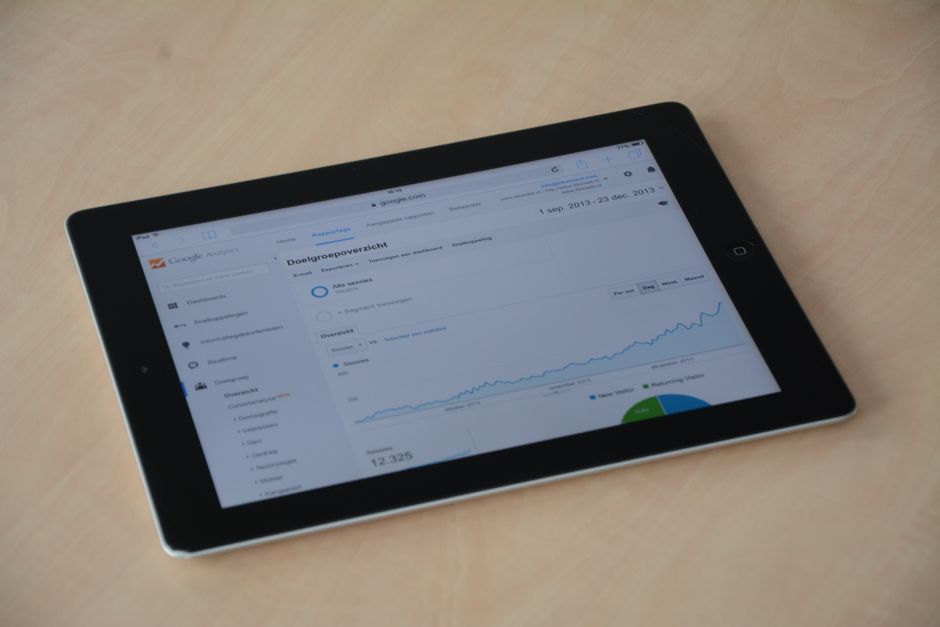
Definujte jasný cieľ a sledujte jednu primárnu metriku na posúdenie pokroku tento týždeň. Pre všetkých vyvíjajúcich softvér s freemium modelom, tento fokus udržuje rozhodnutia praktické a rýchle.
Digitálna analýza zhromažďuje údaje z stránok, ktoré hostíte, a z prehrávania relácií používateľov. Pomáha vám pochopiť cieľovky naprieč zariadeniami a kanálmi, aby ste mohli prispôsobiť správy špecificky skupinám a určitým potrebám. Táto práca premieňa surové čísla na dobré rozhodnutia, ktoré ovplyvňujú váš portfólio aktív a vašu stratégiu rastu. expertov spoliehajú sa na čisté údaje na nastavenie akčných cieľových benchmarkov a praktických krokov optimalizácie.
Začnite s dvoma metrikami: konverzia návštevník-na-registráciu a miera aktivácie na jadrových stránkach. Použite sledovanie udalostí a lieviky na meranie cieľov. Ak vaše landingové stránky ukazujú 2,5 % mieru registrácie a spustíte malý A/B test, ktorý ju zdvihne na 3,0 %, získate približne 20 % relatívne zlepšenie; zdokumentujte to ako dobré víťazstvo. Vedenie denníka prehrávaní a segmentov cieľoviek vám pomôže pochopiť, ako sa používatelia správajú, a prepojiť zmeny so stratégiou zameranou na zvyšovanie retencie. Tento prístup vám umožňuje konať v týždňoch, nie štvrťrokoch, a buduje zručnosti v dátovej gramotnosti.
Na udržanie praktickosti použite stránky a prehrávania ako vaše základné zdroje údajov, pridajte dobrú segmentáciu cieľoviek a udržiavajte minimálne portfólio dashboardov s jasným vlastníctvom. Nastavte jednoduchú stratégiu na zdieľanie poznatkov s cieľovkami naprieč tímami, od produktu po marketing, a naplánujte pravidelné recenzie na úpravu vášho plánu optimalizácie. Vyberte nástroje, ktoré ponúkajú bezplatné a freemium úrovne na preukázanie hodnoty pred škálovaním, a zdokumentujte, čo funguje pre všetkých, aby noví členovia tímu mohli rýchlo prispieť.
Nakoniec, považujte analýzu za živú súčasť vašej práce, budovaním kultúry, kde údaje informujú ciele a rozhodnutia. Výsledkom je opakateľný, dobrý cyklus, ktorý sa vyvíja s vašimi cieľovkami a vaším produktom, udržiava vaše portfólio zdravé a zarovnáva sa s vašou stratégiou rastu.
Digitálna analýza: Jadré koncepty a praktické riešenie trenia

Identifikujte tri jadrové udalosti spojené s jasným dopadom, potom vytvorte jednoduchý dashboard na ich týždenné monitorovanie a učenie sa z údajov.
Digitálna analýza spočíva na jadrových konceptoch: udalosti, správanie a dopad interakcií. Sledujte údaje o návštevách, interakcie so stránkami a kroky konverzie, organizované v úrovniach, ktoré podporujú riadenie a hlbšiu analýzu. Špecificky mapujte udalosti na ciele používateľov a monitorujte, ako každý kontaktný bod poháňa výsledky; to umožňuje jasné rozhodovanie a pokračujúcu prax, nie dohady. Automatizácia zvláda rutinné agregácie, zatiaľ čo manuálne kontroly overujú presnosť. V skutočnosti môže akkio pomôcť automatizovať objavovanie vzorov naprieč schopnosťami a zdrojmi údajov, vrátane signálov z viacerých zdrojov, premieňajúc surové udalosti na akčné poznatky.
Kroky riešenia trenia, ktoré môžete aplikovať dnes: Najprv identifikujte medzery v údajoch kontrolou označovania, vrstvy údajov a konvencií pomenovania pre udalosti a vlastnosti. Potom overte živou testovacou návštevou, aby ste potvrdili, že udalosti sa spúšťajú v reálnom čase a že počty návštev sa zhodujú s cestami stránok. Ďalej skontrolujte nastavenia dátového toku: časové pásmo, menu a úroveň vzorkovania, zabezpečujúc konzistentné okná atribúcie naprieč vlastnosťami. Ak medzery pretrvávajú, implementujte zálohu ako serverové označovanie alebo jediný zdroj pravdy pre definície udalostí. Pre veľké stránky vytvorte úrovne dashboardov: vysokoprioritné udalosti pre výkonných riaditeľov, stredné správanie pre produktové tímy a nízke nuansy pre analytikov. Medzery v údajoch sa objavujú často, takže začnite s kontrolami označovania a jednoduchými validáciami. Použite automatizáciu na odhalenie anomálií a zahŕňajte kritické kontroly presnosti, aby ste sa vyhli falošným pozitívam. Nakoniec využite akkio na automatizáciu detekcie anomálií a odhalenie korelácií medzi návštevami a konverziami, najmä pre správanie naprieč kanálmi.
V praxi plánujte rýchle víťazstvá: vyberte jediné rozhodnutie na ovplyvnenie a zmerajte jeho dopad do dvoch sprintov. Vytvorte dashboard pripravený na pohľad s 5-7 metrikami: počty návštev, jedineční používatelia, udalosti na návštevu, miera konverzie a čas do konverzie. Mapujte najbežnejšie cesty používateľov a identifikujte, kde dochádza k výpadkom, aby ste odhalili skutočné správanie, ktoré poháňa dopad. Pri prezentácii poznatkov uprednostnite dátovo riadené súhrny s konkrétnymi číslami namiesto generických vyhlásení a začleňte momentky založené na citátoch, kde zainteresovaní žiadajú naratívny kontext. Tento prístup je efektívnejší ako ad-hoc analýza.
Nakoniec, začleňte prax do rutín riadenia: naplánujte mesačnú recenziu, priraďte vlastníkov a zdokumentujte zmeny v zdieľanom denníku. Použite automatizáciu na obnovenie údajov a upozornenia, ale udržiavajte ľudský dohľad nad kritickými rozhodnutiami. Tento prístup škáluje analýzu naprieč úrovňami – namiesto vytvárania nadmernej záťaže – a udržiava fokus na hmatateľných výsledkoch.
Definujte kľúčové metriky zarovnané s obchodnými cieľmi
Mapujte každý obchodný cieľ na 2-4 jadrové metriky a vytvorte okolo nich dashboardy, potom nastavte rytmus na denné recenzie zhromaždených údajov a úpravu akcií podľa toho.
Vyberte metriky, ktoré sú merateľné, akčné a spojené s výsledkami. Nastavte riadenie, ktoré objasňuje, kto zhromažďuje čo, kto validuje údaje a kto koná na poznatkoch. Robustný rámec zahŕňa digitálneho analytika, vlastníkov údajov a cross-funkčných expertov.
- Finančné výkony: fakturovaný príjem, rast príjmov, hrubá marža, hodnota doživotného zákazníka (LTV) a náklad na získanie (CAC).
- Zapojenie a obsah: relácie, stránky na návštevu, čas na stránke, miera odchodov, heatmapy a miera odpovede na správy.
- Konverzia a hodnota: miera dokončenia lievika, miera odoslania formulára, priemerná hodnota objednávky a miera odchodov.
- Spätná väzba od zákazníkov a výskum: prieskumná spokojnosť, Net Promoter Score (NPS) od prieskumných zákazníkov, sledované otázky a identifikované medzery v obsahu.
- Riadenie a kvalita údajov: skóre kvality údajov, latencia, čo sa zhromažďuje na každom kontaktnom bode, rodokmeň zhromaždených údajov a priradené vlastníctvo expertom.
Definujte, čo zhromažďuje údaje na každom kontaktnom bode, aby ste zabezpečili sledovateľnosť, potom merajte vzostup alebo pokles kľúčových metrík v čase. Použite napríklad heatmapy na vizualizáciu interakcie s obsahom a prispôsobte obsah a správy podľa toho, produkujúc jasnejšie poznatky pre tímy.
- Zdokumentujte ciele a mapujte na metriky, zarovnávajúc s obchodnými jednotkami a zainteresovanými stranami.
- Špecifikujte zdroje údajov, vzorce a vlastníctvo; zabezpečte, aby zhromaždené údaje boli úplné a dôveryhodné.
- Vytvorte dashboardy, ktoré zobrazujú metriky každého cieľa, s vizuálmi, ktoré zdôrazňujú trendy a odchýlky.
- Zavedьте riadenie: priraďte vlastníkov, nastavte rytmus obnovenia údajov a zapojte expertov a digitálneho analytika na udržanie spoľahlivosti.
- Prieskúmajte zainteresovaných, aby ste odhalili otázky, na ktoré by ste mali odpovedať; začleňte ich spätnú väzbu na zdokonalenie metrík a dashboardov.
- Monitorujte výkony: sledujte vzostup hodnoty a klesajúci trend rizikových signálov; upravte obsah a správy na zlepšenie výsledkov, potom iterujte ďalej.
Tento prístup umožňuje zmysluplné pochopenie prostredníctvom dashboardov, ktoré sú robustné a akčne orientované, umožňujúc tímom pracovať efektívnejšie a produkovať cielené zlepšenia v obsahu, správach a hodnote zákazníka.
Mapujte zhromažďovanie údajov: Udalosti, relácie a atribúty používateľov
Začnite s mapou údajov: vyčíslite udalosti, relácie a atribúty používateľov, ktoré budete zhromažďovať, potom benchmarkujte proti vašim cieľom, aby ste ukázali, ktoré údaje poháňajú hodnotu. Vytvorte mapu stránka po stránke, ktorá viaže každý dátový bod na rozhodnutie alebo metriku.
Udalosti: vytvorte štíhlu taxónomiu – kategória, akcia, štítok a časová značka; označte každú udalosť stránkou alebo komponentom, na ktorom sa vyskytla. Príklady zahŕňajú napríklad search_query, button_click, form_submit a video_play. Sledujte v reálnom čase, aby ste rýchlo odhalili problémy a ukázali, ako interakcie používateľov prekladajú do výsledkov.
Relácie: zoskupte udalosti podľa user_id do relácií; zaznamenajte session_start, session_end a trvanie; definujte hranicu relácie nečinnosťou. Monitorujte trendy zapojenia, najmä keď aktivita klesá, na identifikáciu trenia na určitých stránkach. Označte vysokohodnotové relácie kľúčovými akciami ako nákupy, registrácie alebo spúšťače personalizácie.
Atribúty používateľov: zhromažďujte hashovaný user_id, device_type, operating_system, location, language a signály záujmov. Použite tieto atribúty na riadenie personalizácie a segmentácie a na zdokonalenie dodávky obsahu naprieč stránkami. Začleňte kvalitatívne vstupy z rozhovorov na pridanie kontextu, pretože rozhovory odhalujú motivácie, ktoré čísla samé o sebe prehliadajú. To pomáha prepojiť, čo ľudia hovoria, s tým, čo robia.
Kvalita, riadenie a použitie: zabezpečte, aby zhromaždené údaje zostali konzistentné naprieč platformami; validujte hodnoty, vyplňte medzery a priraďte skóre dôveryhodnosti. Rešpektujte súhlas a súkromie, bezpečne ukladajte údaje a zdokumentujte, čo zhromažďujete a prečo. Vykonávajte aktualizácie mapy v pravidelnom rytme, aby zostala zarovnaná so zmenami produktu, a jasná cesta vyhľadávania vám pomôže odpovedať, čo sledovať ďalej. Navyše zdieľajte stručný report, ktorý ukazuje, ako údaje podporujú personalizáciu, lepšie výsledky vyhľadávania a merateľnú hodnotu pre zainteresovaných.
Detekujte body trenia v ceste používateľa (výpadky, chyby, oneskorenia)
Mapujte celý tok používateľa naprieč zariadeniami, priraďte skóre trenia každému kroku a opravte top päť výpadkov do dvoch sprintov, aby ste zdvihli miery dokončenia.
Vybavte sa bezkódovou alebo kódovo riadenou inštrumentáciou na zhromažďovanie dát o dojmoch a správaní v rámci vašej analytickej vrstvy a zobrazte výsledky na dashboardoch.
Vytvorte mapy ciest používateľov na vizualizáciu, kde používatelia stagnujú, kde dochádza k chybám a kde oneskorenia predlžujú časy.
Vyvíjajte model trenia, ktorý kombinuje mieru výpadkov, mieru chýb a dĺžku oneskorenia do jediného skóre; použite ho na vedenie priorít.
Začleňte spätnú väzbu z testov rozhrania a kontrol kvality do dátovo riadených rozhodnutí; použite pendo na zachytenie riadených interakcií v podnikoch; sledujte potreby a dojmy používateľov okolo platených kanálov.
Implementujte rýchle bezkódové experimenty na opravu najkritickejších bodov, potom validujte proti dashboardom; ak výsledky ukazujú zlepšenie, škálujte na iné oblasti; začleňte javascript úryvky pre ľahké opravy.
Investujte do zručností v tíme na interpretáciu vzorov údajov a ich preklad do akcií.
Zabezpečte, aby tento prístup škáloval okolo podnikov zarovnaním riadenia, zlepšením kvality údajov a použitím dashboardov na mapovanie pokroku; to udržiava tímy pripravené reagovať a skóre rastie.
Navrhnite minimálny, interpretovateľný analytický dashboard
Použite štvorpanelový dashboard, ktorý zdôrazňuje jadrové metriky na prvý pohľad: návšteva, hodnota, výkon a konverzie. Umiestnite ich ako karty naprieč vrchom pre okamžitú jasnosť, potom pridajte podporné grafy dole, ktoré vysvetľujú pohyby. Udržujte prvky malé na zachovanie čitateľnosti.
Pridajte heatmapy na vizualizáciu, kde používatelia klikajú a scrollujú na kľúčových cestách, aby tímy mohli rýchlo identifikovať trenie. Heatmapy ukazujú presne, kde sa sústredí pozornosť, umožňujúc rýchle konanie a zlepšenie výsledkov.
Udržujte základné vizuály statické pre stabilitu a pridajte interaktivitu len tam, kde zlepšuje interpretáciu. Použite jednoduché vyhľadávanie na filtrovanie podľa dátumu, zariadenia alebo segmentu, bez neporiadku.
Spoliehajte sa na schopnosti contentsquare na mapovanie ciest, odhalenie transparentnosti naprieč platformou a v čase a prepojenie signálov s obchodnými výsledkami. Pripojte zdroj dát v cloude, aby sa dashboard automaticky obnovoval.
Benchmarkujte s tokmi e-commerce v štýle amazon a použite experimenty optimizely na prepojenie zmien s výsledkami. Komplexný prístup kombinuje údaje, vizualizáciu a kontext, urýchľujúc rozhodnutia, zatiaľ čo jasné rozloženie pomáha tímom sledovať pokrok a dôverovať číslam.
Validujte kvalitu údajov s rekondiliáciou a kontrolami konzistencie
Začnite s praktickým pravidlom: rekondiliujte údaje naprieč zdrojmi denne a opravte medzery rýchlo. Zhromažďovaním údajov z mixpanels, hotjars a vášho prémiového analytického zásobníka porovnajte počet udalostí, relácií a konverzií proti reportu skladu. Keď objavíte rozdiel, vystopujte ho na časové pásma, duplicitné zásahy alebo nesprávne pomenované udalosti a opravte problém, aby sa čísla správali konzistentne dnes a v dashboardoch zainteresovaných. Nepredpokladajte, že je to neškodné – vyšetrujte a zdokumentujte opravu.
Vyvíjajte ľahkú sadu kontrol konzistencie, ktorú spúšťate pri každom načítaní údajov. Zahŕňajte validáciu schémy, aby ste zabezpečili, že požadované polia existujú a majú správne typy; pridajte kontroly hodnôt na zachytenie záporných alebo nemožných hodnôt; presadzujte zarovnanie časových značiek, aby sa údaje z rôznych zdrojov zarovnali. Ak delta presahuje malý prah, spustite upozornenie a zapojte vlastníkov na rýchlu spätnú väzbu. Tento prístup pomáha údajom stať sa spoľahlivými zdrojmi pre reportovanie a rozhodovanie. Táto schopnosť prichádza k viacerým tímom. Tiež proces spája spätnú väzbu od tímu na zlepšenie modelovania a kvality údajov v čase. Podporuje zlepšenie kvality reportu dnes a udržiavanie úloh na správnej ceste.
Z pohľadu modelovania implementujte malú vrstvu rekondiliácie, ktorá sa dá nasadiť naprieč dátovými potrubiami. To pomáha pri interpretácii anomálií, udržiavaním konzistentnej mapy štítkov medzi mixpanels, internetovými zdrojmi a exportmi skladu spolu s rodokmeňom údajov. Tento prístup sa stal základom pre manipuláciu s úlohami a dodávanie vysoko kvalitných výsledkov pre reporty a dashboardy, ktorým zainteresovaní dôverujú. Tiež udržiava zhromažďovanie údajov a spätné väzby hladšie pre tím, pomáhajúc vám konať na poznatkoch namiesto naháňania nesúladov dnes.
| Kontrola | Čo robiť | Očakávaný výsledok |
|---|---|---|
| Rekondiliácia zdroj-report | Porovnajte denné celky pre udalosti, relácie, konverzie naprieč mixpanels, hotjars a exportmi skladu; vyšetrujte akúkoľvek deltu > 1-2 %. | Zjednotené čísla v dashboardoch; znížené medzery v údajoch. |
| Konzistencia schémy | Validujte, že požadované polia existujú a typy údajov sa zhodujú; overte zarovnanie časových značiek na spoločné časové pásmo. | Stabilné mapovanie polí; menej chýb parsovania. |
| Prahové hodnoty delty | Nastavte prahy na metriku; spustite upozornenia, ak delta presahuje prah; smerujte k vlastníkom údajov na spätnú väzbu. | Rýchla detekcia anomálií; rýchlejšia oprava. |
| Zarovnanie časových značiek | Normalizujte časové pásma; zohľadnite oneskorené prichádzajúce údaje a letný čas, kde je relevantné. | Presné trendy a porovnania v čase. |
| Spätná väzba | Zbierajte vstupy od analytikov; aktualizujte mapovania a pravidlá; zdokumentujte zmeny. | Čistejšie potrubie; menej budúcich nesúladov. |
Odoslať stručný dopyt
Opíšte web, ciele, publikum a rozpočet na prípravu ponuky.
Related Articles

SimilarWeb API Key: Kompletný sprievodca nastavením, správou a osvedčenými postupmi
June 29, 2026
Ako implementovať vašu B2B marketingovú stratégiu s obsahom: Praktický krok za krokom sprievodca
December 23, 2025