Váš týždenný audit obsahu - Ako zvýšiť SEO a zapojenie


Doporučený prvý krok: vykonajte mesačný audit zastaraných článkov; odstráňte menej výkonné; zlepšite celkovú spokojnosť cyklickými upratovaniami; exportujte základný dátový súbor pre inžinierov na preskúmanie s systematickým kontrolným zoznamom.
Kde začať: tím editorov mapuje články z posledného mesiaca do kategórií podľa dĺžky, aktuálnosti tém, dosahu; identifikujte zastarané položky, menej výkonné; nastavte základňu pre zlepšenie.
Automatizujte workflow podobný cicd pre túto úlohu: brány kvality pri publikovaní, automatizované kontroly metadát, interného prepojenia, časov načítania; povrchové problémy na dashboardy inžinierov pre rýchle triedenie.
Praktické kroky zahŕňajú recenziu dĺžky pre každú položku článku; označte zastarané kusy; odstráňte duplikáty; zlúčte menšie kusy do jedného bohatšieho článku; naplánujte poznámky editora; sledujte metriky spokojnosti po každom cykle.
Metriky výsledkov sa zameriavajú na dosah, kvalitu referralov, čas na stránke; exportujte pokrok na manažérske dashboardy; spravujte základňu, aby tímy mohli merať zlepšujúce trendy mesiac po mesiaci; majitelia zodpovednosti zahŕňajú editorov, inžinierov, marketérov.
Týždenný playbook auditu obsahu: Praktická rutina na zlepšenie SEO a angažovanosti

Začnite 30-minútovou kontrolou na identifikáciu top 5 riadiacich stránok; 3 podvýkonné vyžadujú okamžité opravy pre dopad.
- Nastavte konkrétne ciele: 3 ciele na sledovanie zahŕňajú CTR, čas strávený, mieru konverzie. Stanovte základňu z posledných 12 týždňov; priraďte majiteľa; nastavte dátum splatnosti; použite jednoduchú skórovaciu rubriku, ktorá uprednostňuje vysoko hodnotné signály; vanity metriky sa úplne vyhýbajú, pretože ide o marketingové výsledky.
- Inventúra a mapa aktív: Vytvorte zoznam aktív na úrovni operátora pomocou jedinej šablóny; uložte v repozitári dokumentácie; zahŕňajte workflow pre aktualizácie na zabezpečenie transparentnosti.
- Recenzia regresií: Porovnajte dáta týždeň po týždni; identifikujte signály regresie; identifikujte problémy; kategorizujte podľa dopadu; použite dashboardy regresií; nastavte prah e.g., pokles prevádzky >20%; monitorujte vedúce indikátory na zabránenie rozsiahlym poklesom.
- Prioritizácia a zmeny: Vyberte 3-5 pohybov, ktoré sú menšie, ľahšie na implementáciu; nevyžadujú veľké prepisy; položky zahŕňajú zlepšenie titulkov, hlavičiek, meta popisov; vyladite interné prepojenie; aplikujte schema markup; každý s dokumentovaným očakávaným dopadom.
- Vykonanie a QA: Spustite 2-týždňový sprint na efektívne nasadenie zmien; zabezpečte kvalitu na úrovni operátora; vykonajte QA kontroly; overte, že nedôjdu k novým regresiám; skontrolujte nefunkčné odkazy, problémy s crawlovaním; dokumentujte výsledky v dokumentácii.
- Monitorovanie a učenie: Monitorujte výsledky denne; sledujte signály v dashboarde; eskalujte, keď ciele klesnú; upravte workflow; implementujte učenia z každého cyklu; udržiavajte spätnú väzbu s marketingovými a produktovými tímami.
- Dokumentácia a governance: Udržiavajte živú stránku dokumentácie; zachytávajte učenia; zabezpečte verziovanie; poskytnite šablóny; cirkulujte stručný súhrn stakeholderom.
Vytvorte centrálnu inventúru obsahu: Zachyťte URL, dátum publikácie, autora a metriky výkonu
Doporučenie: Vytvorte centralizovaný katalóg, ktorý zachytáva URL, publish_date, autora, plus štandardnú sadu metrík výkonu. Definujte tri jadrové signály: prevádzka, ranky, primárne konverzie. Exportujte dáta zo zdrojov; renderujte dashboardy s real-time monitorovaním; naplánujte aktualizácie ročne; urobte rozhodovacie dáta prístupné pre vedenie, pričom zostanú ľahkými.
Polia na zachytenie: URL; publish_date; autor; stav; kategória; vlajka ai-generated; performance_metrics: prevádzka; ranky; click-through rate; interné väzby na marketing, produkt, interné kalendáre; či je kus presný; pokrok sledovaný marketérmi.
Pipeline a rendering: Založte tri ingestovacie cesty: export CMS; export analytiky; rendering z repozitára aktív. Tieto pipeline kŕmia inventúru; odhaľujú hlbšie insights; umožňujú priamy export do dashboardov používaných marketérmi.
Cykly monitorovania: Implementujte monitorovanie na zachytenie vysokých zmien; označte toxické špičky; nastavte prahy pre prevádzku, ranky, signály interakcie. Spustite tri recenzné cykly ročne; kadencia sa zhoduje s uvedením produktov; zvyšte viditeľnosť výsledkov; kontroly pokroku prebiehajú štvrťročne, ročne pre hlbšie odhalenie výkonu.
Výsledky, buy-in, rozpočet: Viditeľnosť výsledkov; zabezpečte buy-in od marketérov; alokujte rozpočet na úplné upgradovanie inventúry. Rollout zahŕňa tri kroky; škálujte pipeline; exportujte datasety do exekutívnych dashboardov; čerpajte z expertízy ex-googlerov pre realitu.
Označovanie AI-generated; prístupnosť: Označte položky podľa zdroja; označte AI-generated aktíva; udržiavajte vlajku čerstvosti; poskytnite interný prístup s hlasom, ktorý sa zhoduje s publikom článku; exportovacie možnosti v CSV alebo JSON pre rýchle kontroly internými tímami; sledujte zmeny v kvalite aktív.
Hodnoťte SEO signály: Titulky, Meta popisy, H1, Canonical tagy a Alt text obrázkov
Začnite s konkrétnym odporúčaním: uzamknite zameraný prechod na titulky, meta popisy, H1, canonical tagy a alt text obrázkov, potom naplánujte automatizované kontroly v cicd na zachytenie regresií. Táto základňa vám pomôže pochopiť, kde je potrebný veľký pokrok, a nastaví viditeľnú cestu pre alokáciu zdrojov naprieč platformou. Použite vizuálnu html mapu na prepojenie každého aktíva s jeho stránkou a preskúmať pokrok v kadencii, ktorá vyhovuje vášmu workflow.
Titulky si zaslúžia stručnú presnosť: udržiavajte primárne kľúčové slová vpredu, obmedzte celkovú dĺžku okolo 60 znakov a zabezpečte, aby každá stránka mala unikátny titulok. Ak titulok kričí repetíciou alebo keyword stuffingom, prepíšte ho na jasnú hodnotovú proposíciu. Udržiavajte konzistentnosť so zameraním stránky a adresujte zámer spôsobom, ktorý pochopí prvý pohľad spotrebiteľ.
Meta popisy musia presne odrážať obsah v približne 150–160 znakoch, zahŕňať presvedčivý CTA a vyhnúť sa duplikáciám naprieč stránkami. Kde chýbajú, vygenerujte malú sadu AI-generated možností, potom vyberte najlepšie fungujúcu variantu monitorovaním klikov a signálov relevance. Uložte najlepšie voľby ako opakovateľný zdroj na urýchlenie budúcej tvorby.
H1 zarovnanie je dôležité: jedna jasná H1 na stránku, ktorá odráža titulok, obsahuje jadrové kľúčové slovo prirodzeným spôsobom a používa následné subhlavičky (H2, H3) na štruktúrovanie sekcií. Odstráňte akékoľvek sekundárne H1, ktoré duplikujú hlavnú hlavičku; zamerajte sa na čitateľnosť a okamžitý kontext pre používateľov aj search signály.
Canonical tagy zabraňujú duplicitnému indexovaniu ukazovaním na preferovaný URL. Zabezpečte, aby každá stránka mala self-canonical a aby duplikáty cross-domain sa riešili na jednu, canonical cestu. Udržiavajte konzistentný protokol a doménu naprieč aktívami a monitorujte nesúladnosti, ktoré môžu zriediť silu signálu.
Alt text obrázkov by mal byť deskriptívny a cielený na účel, ideálne pod 125 znakov, a zahŕňať relevantné kľúčové slová bez stuffing. Pre dekoratívne vizuály použite prázdny alt atribút; pre informačné obrázky opíšte funkciu a výsledok. Vytvorte malú knižnicu alt šablón a prispôsobte ich podľa kontextu; AI-generated návrhy môžu pomôcť, ale vždy overte presnosť oproti obsahu obrázka.
Automatizácia hrá kľúčovú úlohu: zabudujte kontroly do html-zameraného pipeline, spustite pri merges cez cicd a monitorujte výsledky s bezplatným dashboardom. Vytvorte sériu skriptovaných kontrol, ktoré označia chýbajúce alebo duplikované titulky, popisy a alt text, plus nesúladné H1 a canonical signály. Použite checklist založenú na platforme na riešenie každého problému, potom iterujte pre kontinuálne zlepšenie, adresujte medzery a udržiavajte stabilnú kadenciu signálov zarovnanú s kľúčovými slovami a zámerom používateľa.
Okrem mechaniky, odkazujte na ex-googlerov a praktických tvorcov na validáciu praktík, začleňte kroky tvorby a validácie do štruktúrovaného riešenia a adresujte potenciálne medzery zameranou remediáciou. Udržiavajte rýchly proces, ktorý prináša viac návrhov na optimalizáciu, a liešte každé aktívum ako merateľný zdroj vo vašej knižnici aktív.
Výsledok: kričiaci pokrok v zrozumiteľnosti, jasne zmapovaná html krajina signálov a škálovateľný prístup, ktorý získava viac viditeľnosti s AI-generated nápadmi, bezplatnými nástrojmi a pragmatickým zdrojom šablón. Tento prístup udržiava vaše stránky zarovnané so search zámerom, zlepšuje používateľskú skúsenosť a podporuje prebiehajúcu optimalizáciu na úrovni platformy.
Hodnoťte angažovanosť a kvalitu: Zobrazenia stránok, Čas na stránke, Miera odchodov, Sociálne zdieľania a Komentáre
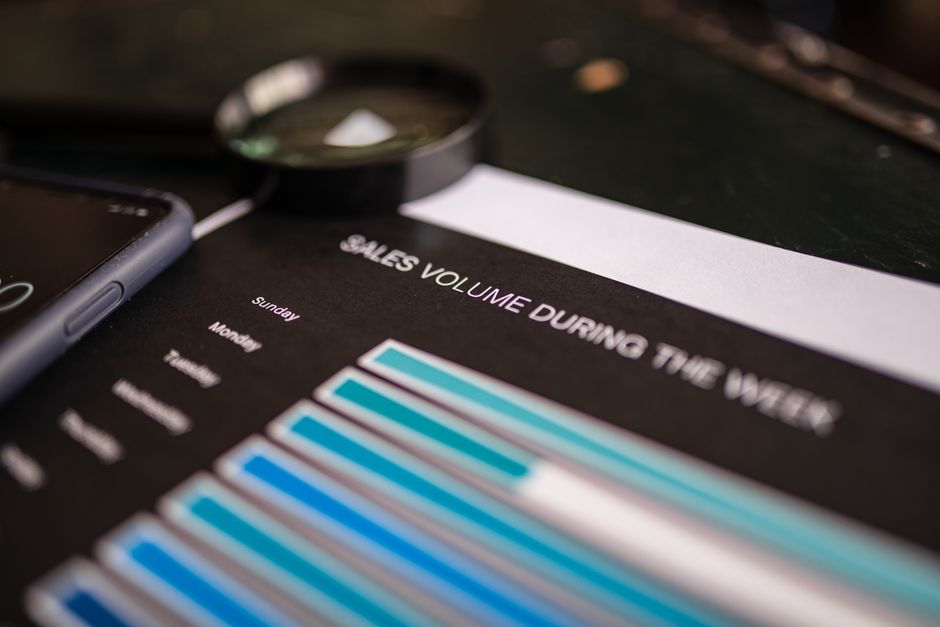
Doporučenie: skutočne vykonajte audit top 20% stránok podľa prevádzky a dosahu, vytvorte micro-checklist podloženú zdrojmi a opravte sirote stránky, kde priemerné sekundy na stránke klesnú pod 60, miera odchodov stúpne nad 40%, alebo sociálne signály sú zriedkavé; viažte opravy na obchodné ciele na generovanie viac leadov a udržanej prevádzky; zahŕňajte jasný odkaz na workflow plánovania a alokácie.
Merania: Sledujte sekundy na stránke, zobrazenia stránok, mieru odchodov, sociálne zdieľania a komentáre; použite analytiku na porovnanie proti prahom: čas na stránke 60–120 sekúnd v závislosti od formátu; miera odchodov pod 40% pre štandardné články; cieľte aspoň 1 zdieľanie na 500 návštev a 2–5 komentárov na 1 000 návštev; ročne revidujte ciele a obnovte micro-checklist s najnovšími zisteniami, čerpajúc zo zdroja na zabezpečenie konzistencie. To znamená jasné akcie a sledovateľné vlastníctvo naprieč tímami.
Drivery interakcie: pridajte viditeľné odkazy na zdieľanie a prompt pre komentáre; monitorujte sociálne zdieľania a komentáre ako vedúce indikátory rezonancie; použite nákladovo efektívny prístup a využite platené testy na validáciu úprav; použite používateľsky priateľské layouty na zlepšenie toku; nastavte cieľ viac prevádzky, vyššieho dosahu a viac leadov z top stránok.
Kompetitívny scan: pravidelne skenujte vedúce blogy a konkurentov na identifikáciu taktík, ktoré zvyšujú angažovanosť bez nafukovania nákladov; inventarizujte interné odkazy na zníženie sirotych stránok; spúšťajte cvičenia na testovanie malých zmien, ako aktualizované titulky, zlepšené meta náhľady alebo nový interný odkaz z populárnych stránok na podvýkonné; to pomáha zdvihnúť ranky a prevádzku.
Workflow a zdravie: implementujte tok z inventúry do zmien; udržiavajte micro-checklist; ročný audit metrík rankingu; zabezpečte zdravie stránky udržiavaním inventúry stránok s nízkym časom na stránke, vysokou mierou odchodov, málo sociálnymi signálmi a bez komentárov; eskalujte problémy na marketing pre platené kampane, keď je to potrebné; kŕmte výsledky do reportingu.
Reportovanie a náklady: zostavte zdravotný report s metrikami: zobrazenia stránok, sekundy, miera odchodov, sociálne zdieľania, komentáre; prepojte každú položku s leadmi a platenými kampaňami; merajte, ako stránky fungujú po zmenách; použite saas nástroje na automatizáciu zbierania dát; udržiavajte náklady pod kontrolou prostredníctvom ročného plánovania a optimalizácie.
Identifikujte rýchle víťazstvá: Obnovte top výkonných, opravte nefunkčné odkazy a odstraňte tenký obsah
Obnovte top výkonných najprv: aktualizujte jadrové správy, obohatte médiá, obnovte štatistiky, vyladite CTA na zlepšenie registrácií, navrhnuté pre hlboké výsledky, založené na testovaní na úrovni enterprise; premerajte po 14 dňoch.
Opravte nefunkčné odkazy naprieč stránkou: spúšťajte crawl automaticky, zachyťte 404s, nahraďte fungujúcimi URL, spustite alerty majiteľom, overte, že sitemapy odrážajú aktuálne štruktúry, prekontrolujte objaviteľné cesty.
Odstraňte tenký obsah: identifikujte stránky s nedostatkom jadrovej hodnoty, nízkymi štatistikami, minimálnou hĺbkou; rozhodnite sa obohatiť pozadím, ostriť jadrové správy; odstraňte sekcie, ktoré nedodávajú jasné výsledky.
Automatizačný playbook: inžinierske rutiny na monitorovanie stránok, spúšťanie alertov, hodnotenie obsahu proti kritériám marketmuse, kroky na obnovenie stránok ako sú; automaticky upravte sitemapy, sledujte výsledky, merajte registrácie.
Recenzia štatistík pozadia: využite hlboké štatistiky, pozorujte objaviteľné signály, zarovnajte s jadrovými cieľmi, zabezpečte monitorovanie na úrovni operátora, znížte dole faktory, posuňte výsledky nahor.
Vyberte a nakonfigurujte nástroj na audit obsahu: Kritériá, kroky importu dát a kadencia reportingu
Vyberte nástroj ponúkajúci automatický import dát; vizuálne dashboardy; robustnú analytiku; ingestuje urls; články; škálovateľný pre plánovacie cykly; tento výber prekladá surové metriky do jasných výsledkov; stane sa nevyhnutným pre vedenie tímov; skvelá páka pre cross-funkčné plánovanie; experti prispievajú.
Kľúčové kritériá zahŕňajú pokrytie dát; jednoduchosť konfigurácie importu; prístupnosť API; transparentnosť nákladov; jasné kontroly rolí používateľov; flexibilitu na mapovanie polí bez kódu; silný vizuálny drill-down na identifikáciu uzlov; expertné vedenie podporuje vytváranie opakateľných workflow pomocou no-code mapovania.
Kroky importu dát: definujte požadované polia ako urls; články; titulky; dátumy publikácie; autori; sekcia; téma; dĺžka; zhromaždite zdroje z exportov CMS; feedov článkov; exportov analytiky; nakonfigurujte importér na automatický prenos dát; nastavte pravidlá mapovania; otestujte počiatočný ťah; overte presnosť do sekúnd; upravte prahy; vytvorte validačné cvičenia; ticho spúšťajte alerty pre anomálie; keď dáta tečú, nástroj prekladá surové metriky do použiteľných dashboardov; tento proces sa škáluje s obmedzeniami rozpočtu.
Kadencia reportingu: automatizované aktualizácie viackrát denne; rýchle vizuálne súhrny pre stakeholderov; opakovaný 7-dňový rollup; hlbšia 30-dňová recenzia pre strategické výsledky; alerty na uzly; dashboardy poskytujú cielené výstupy; náklady sledované proti rozpočtu; vytvorte stabilnú základňu pre rozhodnutia; zarovnanie s rozpočtom.
📚 Viac o SEO & Digitálnom marketingu
- Top 13 tipov na content marketing na zlepšenie angažovanosti a ROI
- Sila video content marketingu pre SEO - Zlepšite ranky a angažovanosť
- Proces SEO auditu v 17 jednoduchých krokoch - Zlepšite viditeľnosť vášho obsahu na vyhľadávacích engine
- Príručka pre začiatočníkov k SEO obsahu - Ako zlepšiť ranky a prevádzku
- SEO Analyzer - Ultimátny audit webovej stránky na zlepšenie rankov
Ready to leverage AI for your business?
Book a free strategy call — no strings attached.