Dunkin' Donuts Marknadsföringsstrategi - En Djupdykning i Tillväxt, Kampanjer och Digitala Taktiker

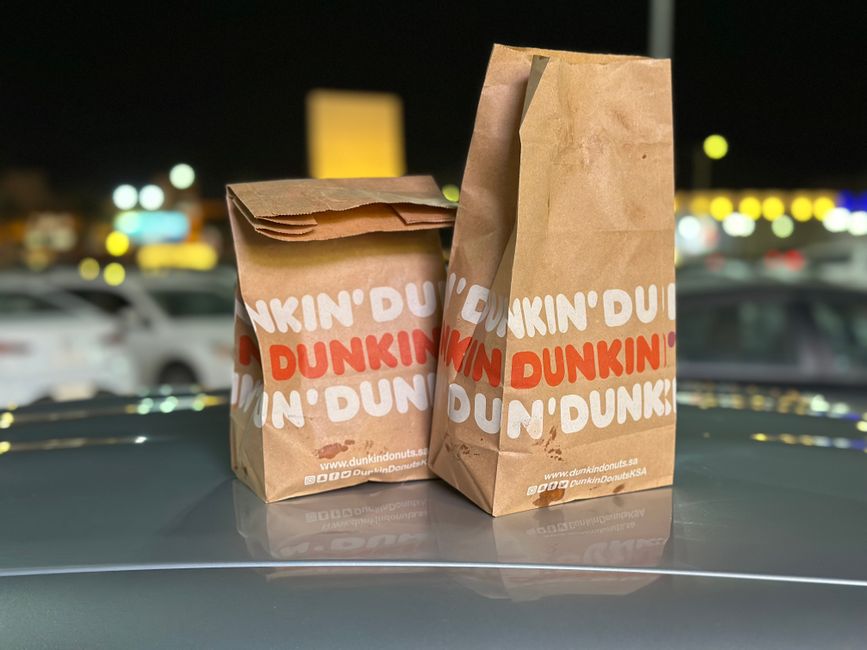
Rekommendation: påskynda penetration i segmentet för morgonpendlare genom att para ihop ett gratis prov med en enkel mobilregistrering i början av rutinen, vilket skapar en friktionsfri väg till upprepade köp.
För att upprätthålla tillväxten, behåll ett konsistent meddelande ramverk över kanaler och driftsätt en stadig takt av kampanjer som belönar upprepade besök. Så ett viralt koncept i högtrafik-korridorer och mät tidiga utförare innan skalning.
Utnyttja ett partnerskap med Charli för att låsa upp räckvidd över plattformar; anpassa innehåll med verkliga pendlare och översätt buzz till app-engagemang och butiksbesök, nå hela världens publik genom snabba samtal och autentiska ögonblick.
För ett 75-årigt varumärke, anpassa till de evoluerande behoven i den dagliga rutinen, säkerställ hastighet, noggrannhet och värde vid varje kontaktpunkt över beställningskanaler och trottoaralternativ, samtidigt som du håller dig före konkurrensen.
Digitala taktiker betonar app-först beställning, in-app-erbjudanden och platsbaserade uppmaningar till pendlare; alltmer står den mobila kanalen för en växande andel av intäkterna, så optimera push-tidning, beställ-i-förväg och lojalitetsinlösen.
Konkreta mått och en tight plan: mät penetrationsvinster, registreringar, inlösen under första veckan och upprepad köpgrad; sätt kvartalsmål och kör A/B-tester på meddelanden och erbjudanden, med fokus på högavkastnings vertikaler som arbetsfrukostar och snabb-service-pendlare.
Dunkin Donuts Marketing Strategy: Growth, Campaigns, and Digital Tactics – Client Case Studies
Lansera ett innehållsprogram drivet av skapare tillsammans med en konsistent blandning av betald och organisk media för att driva expansion och lojalitet. Bygg 6-veckors cykler av korta inlägg från lokala skapare, stödda av butiksbaserade promotioner och app-baserade erbjudanden som konverterar intresse till köp. Detta tillvägagångssätt skapar omedelbar appeal och en kraft att påverka köpbeslut i realtid, och lägger grunden för hållbar tillväxt in i framtiden.
Fall 1: Regional lansering med innehåll drivet av skapare. I tre marknader producerade de skaparna autentiska, korta inlägg som visade vardagliga ögonblick kring kaffe, donuts och på-färd-snacks. Betald media förstärkte räckvidden, medan organiska inlägg bevarade en naturlig rytm. De insatserna gav en tvåsiffrig lyft i app-registreringar och en mätbar ökning i matsalbesök, särskilt bland vuxna 25–44. Kombinationen demonstrerade hur skräddarsydd skapare-energi kan sträcka sig bortom ett enda inlägg till hållbart engagemang och fall-värd retention.
Fall 2: Nationell dryckespromotion kopplad till ett tidsbegränsat erbjudande. Dunkin driftsatte en koordinerad blandning av skapare-innehåll och traditionell media för att förklara den nya drycken, med en tydlig in-app-promotion och butiksdisplayer. Betald social drev uppmärksamhet i skala, medan organiskt innehåll höll tonen konsistent och relaterbar. Resultatet: högre online-beställningskonvertering, fler app-registreringar och en anmärkningsvärd ökning i genomsnittlig kvitto när de nya dryckerna var tillgängliga, stödda av prissänkningar och buntincitament som höll meddelandet rent och tillgängligt.
Fall 3: Expansion av lojalitetsprogram med förstärkning från skapare. Ett läroboks-exempel på att blanda berättande ledd av skapare med en robust CRM-kontaktpunkt, använde programmet konsekventa meddelanden över betalda annonser, ägda inlägg och förtjänat innehåll. Skapare belyste exklusiva erbjudanden, tidig tillgång och enkel registrering, och drog organiska och betalda insatser till ett sammanhängande flöde. Utfallet: högre upprepade besök, starkare korsförsäljning av merchandise och verifierade vinster i engagemang från kärndemografier som historiskt föredrog traditionella kanaler men nu deltar över plattformar.
Det dessa fall visar är en hållbar modell: konsistent takt, kreativitet driven av skapare och en balanserad blandning av betalda och organiska taktiker som skalar. Strategin appellerar till de med olika behov, oavsett om de söker snabba promotioner eller långsiktigt värde. I praktiken knyter planen ihop post-kvalitetsinnehåll, sälj-kraft och ett tydligt erbjudande som resonerar med vuxna över demografier, samtidigt som en stadig rytm upprätthålls som undviker trötthet. Resultatet är en strukturerad väg från medvetenhet till försäljning som förblir flexibel nog att justera till nedgångar i efterfrågan eller skift i konsumentstämning, utan att förlora momentum.
Framtidssäkra rekommendationer: förankra tillväxten i innehåll drivet av skapare men behåll en traditionell ryggrad med konsekvent mätning och en tydlig värdeproposition. Testa 2–3 marknader först, sedan expandera baserat på demonstrerad lyft i app-engagemang, butiksbesök och genomsnittligt beställningsvärde. Använd korta, slagkraftiga inlägg för att fånga uppmärksamhet, sedan vårda med längre-formade tillgångar som förklarar varför och hur. Spåra vad som betyder: post-engagemang, promotionsupptag, erbjudandeinlösen och övergripande bidrag till lojalitetstillväxt. Detta tillvägagångssätt kan upprätthålla expansion år över år, och anpassa varumärkets appeal med pragmatiska prestandamått som intressenter förväntar sig i en skalbar kampanjverktygslåda.
Identifiera Tillväxtspakar: Meny, Prissättning och Butiksformats Experiment
Lansera ett 12-veckors menyexperiment med en premium iskaffe, en proteinpackad frukostmacka och en tidsbegränsad "doja"-smak sirap för drycker. Spåra veckovis lyft i genomsnittlig kvitto och transaktioner per butik, och använd en under-mål-regel för att beskära artiklar efter två på varandra följande veckor med mindre än 2% ökning. Sätt ett mål på 3–4% lyft i drycksandel för att deklarera en vinnare och rulla in artikeln i kärnmenyn om det uppnås. Detta tillvägagångssätt upprätthåller en lean, fokuserad meny samtidigt som det levererar snabba vinster för spelare i kedjan.
För prissättning, lansera värdebundlar: kaffe + frukostmacka till ett fast pris, plus en lojalitets-rabatt för tunga användare. Testa trappad prissättning per segment: mellan- och premium-kombos, med elasticitetsövervakning genom franchisetagare för att genomföra effektivt. Håll en prisskydd så att kärnprissättning stannar inom 5–7% av flaggskeppsbutiker; spåra prestanda under och över prognos per marknad, särskilt i täta urbana segment där massachusetts-marknaden visar olika reaktioner. Om ett koncept kan optimeras, iterera snabbt.
Butiksformats experiment centrerar på två piloter: en kompakt butik i massachusetts med hög-syn-linje tavlor och snabb-service-diskar; och en drive-thru-först layout i högtrafik-korridorer. Luta mot en kortare fotavtryck nära arbetsplatser för att attrahera arbetare under morgonrusning, och testa digital beställ-i-förväg, trottoarhämtning och hämtningslådor för att påskynda körningar. Använd synlinje-förbättringar för att boosta impuls-köp och förkorta köer; om kort-linje-service presterar, skala snabbt.
Samarbeten med franchisetagare och lokala leverantörer driver vinnarrater; spåra vinnande artiklar och upprätthåll kedjeövergripande standarder. Investera i innehåll som kan leva på YouTube och andra kanaler för att samla feedback från målsegmentet. Övervaka kraften i partnerskap med massmarknads-spelare och justera incitament för att hålla arbetare motiverade. Om ett koncept inte kunde möta lyft-mål efter två granskningscykler, pausa det och omallokera resurser, samtidigt som syn över nätverket bevaras.
Säsongsbaserad Kampanjramverk: Kreativitet, Mediablandning och Erbjudandemekanik
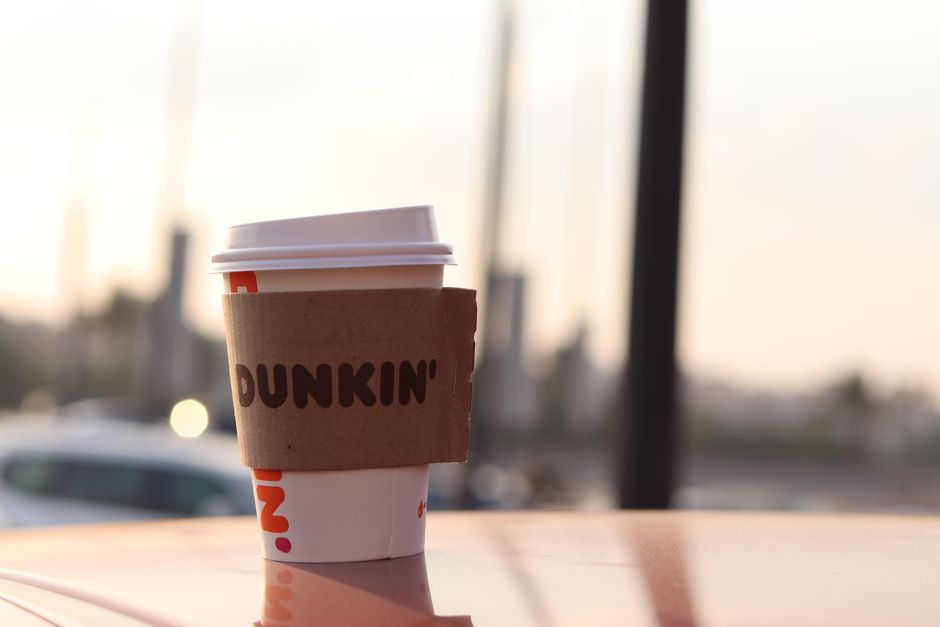
Lansera en kort, fyraveckors säsongsbaserad bunt med en frukostartikel till ett övertygande pris, och släpp ett snabbt, multiförats-kreativt paket för att koppla med upptagna människor över youtube, YouTube Shorts, native placeringar och ett inlägg på amazon som länkar till menyn.
Kreativitet centrerar på praktiska fördelar: hastighet, smak och prisvärdhet. Använd korta, aptitretande visuella av ingredienser, och visa en snabb morgonrutin med den nya artikeln. Presentera en tydlig värdeproposition och bjud in middagare att prova artikeln nu. Ta in influencer-partners för autentisk, lokal smak, och skräddarsy tillgångar till varje kanal så att de känns native snarare än scriptade. Detta tillvägagångssätt hjälper konsumenter att starta sin dag med självförtroende då deras rutiner utvecklas och artikeln blir en transformerad del av frukosten. En annan vinkel använder bitstora humor för att tända delning och driva övervägande över plattformar. Detta kreativa ramverk knackar på makrotrender kring morgonbekvämlighet och värde.
Mediablandning allokerar uppmärksamhet över tre banor: 60-70% av video-budgeten till youtube och YouTube Shorts, 20% till native placeringar på relevanta appar och sajter, och 10% till influencer-skapande och snabba inlägg. Tillgångar släppta i steg med menyfallet så att momentum stannar högt och feedback rullar in snabbt. Använd amazon-butiksbanners och sökannonser för att fånga intent, och övervaka korskanals-mått som räckvidd, frekvens och andel av röst för att vägleda optimering.
Erbjudandemekanik kombinerar enkelhet med tydligt värde: en frukostbunt som inkluderar en macka och dryck, prissatt för att betona prisvärdhet, med en tidsbegränsad smak för att tända brådska. Täck priset med ett 3.99–4.99 intervall och erbjud en andra artikel till en modest tillägg för att öka genomsnittligt beställningsvärde. Kör en lojalitetsincitament för app-medlemmar och ge en enkel, snabb väg till beställning online eller i butik. En QR-koppling i butik och på förpackning uppmuntrar omedelbar handling och möjliggör partners att kapitalisera på ögonblicket med en friktionsfri väg. Använd data för att justera bundlar och kapitalisera vidare genom att erbjuda en lunchtillägg för att förlänga lyften.
Operationell plan och mätning fokuserar på snabb inlärning. Sätt dagliga mått för räckvidd, engagemang och butiksbesök, och kör A/B-tester på två kreativa varianter och två erbjudandemekaniker. Om en variant överpresterar på tittartid och post-klick-åtgärder, skifta budget inom 48 timmar. Samla kvalitativ feedback från kommentatorer och svara snabbt på toppfrågor; resultatet: kampanjelement som känns transformerade för konsumenter och bättre kopplar med säsongsbaserade rutiner. Detta tillvägagängssätt konverterar effektivt uppmärksamhet till butiksbesök.
Digitala Taktiker: Mobil Beställning, Push-meddelanden och Personalisering
Lansera en native mobil beställningspilot på sex veckor, prioritera pendlare och arbetare med hämtning, sömlös betalning och lojalitetssynk för att driva snabbare transaktioner och högre inlösen. Denna närvaro, parades med timely outreach, driver tillväxt då allt fler kunder förväntar sig ett enda erbjudande över kanaler. Mål: 12–18% ökning i beställningsfrekvens och 5–8% lyft i genomsnittlig kvitto under piloten, samtidigt som kostnad per beställning på plats minskas.
Mobil beställningsfunktioner riktar sig mot tider på dagen när köer bildas. Den native appen bör erbjuda en-tryck-återbeställning, sparade favoriter och beställ-i-förväg för takeaway eller hämtning. För diverse demografier, ge språkval, tillgänglig design och tydliga CTA:er för pendlare och tidiga uppgångare. En samma-app-upplevelse över kanaler upprätthåller närvaro och minskar friktion vid hämtning, medan tydliga förpackningsnoter sätter förväntningar för takeaway.
Push-meddelanden: sätt en takt på 2–3 timely varningar per vecka per användare, fokusera på beställningsberedskap, personaliserade erbjudanden och tids-känsliga påminnelser anpassade till pendelrutiner. Segmentera efter enhet och plats för att nå pendlare nära deras vanliga butiker vid topp-tider. Håll kostnaden för churn låg genom att ge användare kontroll över notifikationsinställningar. Använd samarbeten med betalnings- eller leveranspartners för att låsa upp snabbare kassor och undvika över-meddelande. Detta tillvägagångssätt har testats och förfinats i piloter, och levererar inkrementella vinster.
Personalisering: lita på samtyckt data för att leverera dynamiska erbjudanden anpassade till segmentbeteende: morgonbryggor, mellanmorgon-snacks eller helgbehandlingar. Tänk på vad som resonerar från klientinteraktioner för att förbättra menyn och upplevelsen. Samarbete med varumärkepartners kan bredda erbjudandet, med förpackningscues som reflekterar hållbarhet. Tidiga tester visar högre inlösenrater och en ökning i takeaway-konverteringar, och vi tackar kunder för deras lojalitet då programmet utvecklas.
| Taktik | Fokus Segment | Verktyg / Funktion | KPI:er | Noter |
|---|---|---|---|---|
| Mobil Beställning | Pendlare, arbetare, studenter | Native app; beställ-i-förväg; en-tryck-återbeställning; sparade favoriter | Beställningsfrekvens, AOV, kötid | Mål: 6-veckors pilot; från butik till app-upplevelse; närvaro |
| Push-meddelanden | Segmenterade varningar; platsbaserad beredskap; tidsbaserade knuffar | CTR, opt-in-rate, beställningslyft | Frekvenskap 2–3/vecka; tider nära transitnav | |
| Personalisering Motor | Diverse demografier; segmentbaserad | Dynamiska erbjudanden; lojalitetintegration; preferenser | Inlösenrate, upprepade besök, lojalitetsregistrering | Från samtyckt data; vad som resonerar; öka engagemang |
| Samarbeten & Partnerskap | Varumärkepartners; lokala leverantörer | Co-branded erbjudanden; kors-promotions | Inkrementell intäkt; upptag; viral räckvidd | Nya samarbeten; förpackningsanpassning; viral potential |
| Förpackning & Takeaway-upplevelse | Takeaway-fokuserad; pendlare | Eko-vänlig förpackning; märkning; hållbarhetsmärken | Förpackningsrelaterade klagomål; hämtninghastighet | Förbättra varumärkesnärvaro; håll det native |
Klientfallstudier: Lokala Partnerskap, Co-Branding och Intäktslyft
Lansera ett 8-veckors program som körs över 40 platser, anpassat till diverse smaker genom att para Dunkin med lokala varumärken, köra co-branded bundlar och influencer-drivna evenemang för att driva emotionella bryggor. Luta på lokala ingredienser från regionala partners och en kreativ produktuppsättning för att förbättra värdet och leverera tydlig intäktslyft.
-
Lokala Partnerskap
- Omfattning: 3 kvarterskafféer och 2 evenemangsplatser som spänner 40 platser, med veckovisa aktiveringar.
- Affärsstruktur: co-branded bundlar (kaffe + bakverk) och delade promotioner; promotionskoder och gemensamt socialt innehåll; anpassade team-mål.
- Effekt: en enorm lyft i dryckesintäkter, +12% över 8 veckorna; inkrementell intäkt runt $210k; besök upp 9% på evenemangsdagar; leads från promotionskoder producerade ungefär 1 200 nya lojalitetsregistreringar.
- Insikter: lutade på diverse konsumentinsikter; lokala ingredienser från regionala partners resonerade; emotionell berättande kring bryggor kopplade vuxna och proffs, och drev upprepade besök. Initiativet var inte bara ett engångsexperiment; det är en hållbar kanal som varumärken kan skala över platser och skulle hjälpa till att upprätthålla arvet av community-partnerskap.
-
Co-Branding Initiativ
- Omfattning: samarbeten med två regionala varumärken (ett bageri och en mejeripartner) för att lansera en tidsbegränsad produktlinje över 16 platser för 6 veckor.
- Produkt & kreativitet: co-branded förpackning, anpassade meddelanden och influencer-drivet innehåll som belyste ingredienser och hållbarhet; deals inkluderade i butik och online-bundlar.
- Effekt: korgstorlek upp 8%; ny kundtillväxt upp 15%; gemensamt innehåll utökade räckvidd till runt 60 mikro-influencers, och drev besök bortom kärnfläktar.
- Insikter: inspirerat av lokala smaker, stärkte denna strategi varumärkeskapital och skapade en blueprint för pågående partnerskap. Teamet lärde sig att autentiska samarbeten, stödda av kreativa strategier, driver affärsresultat och förbättrar varumärkets närvaro i diverse communities.
-
Intäktslyft och Skala
- Mått: över piloter, inkrementell intäkt totalt cirka $420k; genomsnittlig platslyft 11%; promotionskod-konverteringar upp 5 procentenheter; bryggor och bakverk ledde vinster.
- ROI: programmet betalar tillbaka inom 3 veckor i flera marknader; expansion till 28 platser var genomförbar med ett dedikerat korsfunktionellt team.
- Handlingsbara steg: börja med 5-7 mikro-partners per marknad; kör en 2-veckors pilot med en enkel promotionskod; skala till 20-30 platser nästa kvartal; upprätthåll en lean, data-driven tillvägagångssätt för att optimera resultat.
- Bästa praxis: säkerställ att produktbundlarna stannar relevanta genom att rotera ingredienser; håll en konsistent varumärkesröst över kanaler; ge lokala team befogenhet att upprätthålla relationer som boosta lojalitet och intäkt.
Mätning och Optimering: KPI:er, Instrumentpaneler och Snabb A/B-Testning

Rekommendation: Bygg en KPI-driven instrumentpanel och kör veckovisa snabba A/B-tester på menyprissättning och marknadsföringsincitament för att öka upprepade besök och övergripande intäkt.
Definiera en tight uppsättning av KPI:er som kopplar butiksprestanda med marknadsföringseffekt. Spåra intäkt per butik, genomsnittligt beställningsvärde (AOV), beställningar per dag och andelen online-beställningar. Inkludera lojalitetsregistrering och inlösen, app-engagemang, push opt-in-rater och inkrementella försäljningar från promotioner. Separera nya versus återkommande kunder för att avslöja varför folk kommer tillbaka och var outreach kan attrahera nya gäster. Denna klarhet hjälper dig att jämföra prestanda över restauranger och identifiera var nedgångar sker.
Instrumentpaneler bör ha två lager. En exekutiv vy belyser trendlinjer, framhävda deltas och actions- redo spakar; en operationell vy borrar ner i individuella restauranger och tider på dagen. Koppla instrumentpaneler till data-källor som POS, app-evenemang, lojalitetsaktivitet och marknadsföringskampanjer så att varje mått reflekterar en enda sanning. Använd hyper-lokala filter för att yta prestanda per grannskap, stad eller postnummer, sedan jämför mot konkurrensbenchmarks.
Snabb A/B-testning ger snabb feedback på strategiska satsningar. Kör småskaliga tester på 2–3 veckor över en delmängd av restauranger, sedan skala vinnare. Använd en solid design: randomisera tester, sätt ett tydligt primärt mått (till exempel AOV eller upprepad besökrate), och kräv en signifikans tröskel (p < 0.05) för att bekräfta effekt. Om ett test ger en positiv lyft, utöka det över nätverket; om det underpresterar, släpp det och lär av orsaken.
Data-disciplin betyder. Automatisera datainsamling och rapportering för att undvika manuella steg som skapar förseningar eller fel. Automatiserade varningar bör flagga nedgångar i nyckelmått, som ett fall i app-öppningar eller en plötslig ökning i priskänslighet. Färre manuella handöver frigör team att analysera resultat och agera snabbt. Ett väl-stämt automationslager kan skala en studie från en handfull restauranger till hundratals utan att offra hastighet.
Praktiska experiment att överväga inkluderar prissättningstester, värde-byggda kombos och kreativ outreach. Några exempel: testa olika prispunkter för en populär måltid för att uppskatta elasticitet och bestämma den bästa balansen mellan priser och volym; kör en hyper-lokal promo som talar till grannskapssmaker och spåra dess effekt på fottrafik och online-beställningar; publicera ett kort inlägg eller blogguppdatering med nya artiklar och kvantifiera respons genom klick, post-sparanden och kupong-användning. Dessa tester kan vara små, men de ger handlingsbar insikt över miljoner kunder som frekventerar Dunkin-restauranger varje dag.
Vid analys av resultat, separera lärdomar per kanal och per plats. Ett 2-veckors test kan visa att ett givet erbjudande fungerade i vissa marknader men inte andra, signalera en strategisk pivot mot hyper-lokal outreach. Använd insikterna för att öka effektivitet i marknadsföringsutgifter, förbättra kundupplevelse och minska friktion vid hämtning eller kassa, vilket kan leda till snabbare vinster och färre förseningar i utförande.
Håll en löpande studielog och dela utfall genom ett veckovis blogg-inlägg. En snabb recap hjälper teamet att förstå vilka åtgärder att upprepa och vilka att justera. Oavsett om du optimerar priser, tweakar kreativitet eller förfinar lojalitetsbelöningar, förblir målet detsamma: fatta vardagsbeslut med data, tala klart till kunder och påskynda effekt över alla restauranger. En 75-årig varumärkesmentalitet gynnas av transparenta instrumentpaneler, snabba feedback-loopar och en disciplinerad tillvägagångssätt till testning som skalar när konkurrensen intensifieras.
📚 Mer om Sociala Medie-Statistik
- Netflix Marketing Strategy - Growth, Personalization, and Global Expansion
- 29 Influencer Marketing Statistics to Guide Your Brand's 2026 Strategy
- Digital Marketing Foundation for Modern Business Growth
- Starbucks Case Study - Marketing Strategy for Growth and Global Expansion
- Scope of Digital Marketing in 2026 - Trends, Opportunities, and Growth
Ready to leverage AI for your business?
Book a free strategy call — no strings attached.


