Hur man håller sina användare glada – En komplett guide till kundretention


Rekommendation: Starta ett riktat introduktionsflöde med fem meddelanden över tio dagar som demonstrerar en snabb vinst, vägleder köpare genom en nyckelsida och skickar påminnelser när aktiviteter stannar av. Data från flera program visar att erbjudanden kopplade till introduktion ökar andrahandsinköp inom tre månader med 20–40 %, vilket ökar livstidsvärdet när köpare engagerar sig med återkommande påminnelser och allmänna tips, och levererar framgångsrika resultat.
Dela upp aktiviteter i centrala områden: introduktion, återkommande kommunikation och proaktiv ärendehantering. För varje område, sätt konkreta mål: introduktionsslutförandefrekvens, öppningsfrekvens för påminnelser och tid-till-första-framgång. Använd ett instrumentpanel som aggregerar mått per köparsegment och fokuserar på åtgärder som rör nålen.
Beräkning är ryggraden: spåra livstidsvärde per köpare, engagemang i påminnelser och frekvens för återkommande köp. Bygg en enkel modell: förväntad intäkt per köpare = genomsnittligt ordervärde × ordrar per år × horisontår. Aggregera resultat över köpare för att jämföra justeringar och motivera investeringar i programmet.
Förståelse och välvilja driver hållbar preferens. Personifiera erbjudanden efter beteende, säkerställ att påminnelser är timely och att sidan laddas snabbt med tydliga fördelar. Det allmänna målet är att höja nöjdheten, minska friktionen och bygga långvariga relationer med köpare.
Ärende-stil testansats: i ett allmännt ärende, kör experiment över två varianter av introduktionsmeddelanden, utvärdera engagemang, återkommande ordrar och livstidsmått, sedan skala den vinnande varianten över segment.
Praktisk ram för retention: Förvandla glada användare till förespråkare
Börja med en datadriven karta över engagemangsområden, kör ett test i en undergrupp av företag för att etablera en baslinje för livstidsvärde och sentimentsförändringar, och läs signaler från feedback och användningsdata för att stödja förbättring av siffrorna.
Schemaläggare och uppföljningar: konfigurera en schemaläggare för att utlösa uppföljningar efter milstolpar – vid introduktionsslutförande, 7 dagar efter aktivering och 30 dagar efter första värderealisering. Koppla varje beröringspunkt till ett mätbart resultat och logga resultat i en delad måttinstrumentpanel för intressenter. Använd dessa lärdomar för att agera på dem.
Kostnadseffektiva taktiker: erbjud chattåtkomst, exklusiva tips och deltagande i community utan att lägga till friktion. Dessa tillvägagångssätt skalar, förbättrar adoption samtidigt som de förblir kostnadseffektiva och utan att sakta ner takten.
Mest impactful mått: övervaka aktivering, upprepade interaktioner, hänvisningar och livstidsintäktspåverkan. Spåra siffror och mest betygsatta nöjdhet för att identifiera de största drivkrafterna, och förvandla dessa vägar till stadig förespråkande.
Hemlig playbook för intressenter: lyft fram de största möjligheterna genom att dela en hemlig playbook med nyckelintressenter. Använd koncisa briefs för att visa hur förespråkande växer och vilka chattkanaler som bidrar mest till mun-till-mun som sätt att växa förespråkare.
Starta analys och dyk: börja med en lättviktig datapull, sedan dyka ner i råa siffror. Analysera sentimenttrender och koppla dem till livstidsvärde; detta hårda grundarbete ger tydliga, skalbara vägar för förespråkare.
Förvandla resultat till handling: skapa en praktisk blueprint för skala – pilot i några team, mät uplift över 8–12 veckor, sedan utöka till fler kunder. Dokumentera framsteg för intressenter och säkerställ kontinuitet genom att schemalägga kvartalsvisa uppdateringar.
Kartlägg kundlivscykeln och identifiera retention-ögonblick

Börja med en 90-dagars karta i fem steg och tilldela korrekt ett behållningsögonblick för varje.
Använd verkliga signaler från frontline-interaktioner, identifiera tecken som indikerar friktion, uppmärksamma friktionspunkter och avslöja skälen till varför köpare faller bort, sedan justera tjänster för att höja upplevelsen och öka nöjdheten.
För introduktions- och tidiga användningssteg, kör enkäter för att samla insikter om hur köpare känner, vilken förändring de förväntar sig och vad som berättar ögonblicket att agera, vilket möjliggör precisa justeringar över beröringspunkter.
Identifiera konverteringsdrivare i varje fas: välkomstmeddelanden, guidade turer, timely påminnelser och responsivt stöd. Dessa ögonblick bygger goodwill; detta gör att köpare känner sig som en vän, förbättrar förtroendet och uppmuntrar till att stanna medan det driver fortsatt köp.
Tilldela frontline-ägare för varje steg, börja med små experiment och öka investeringen när mått visar påverkan; säkerställ att definitioner förblir tydliga så att team alignar på vad som ska mätas.
Underhåll en levande instrumentpanel av insikter: spåra ökning i engagemang, identifiera tecken på friktion och avslöja möjligheter att transformera resan; med feedback-loopar kan du göra upplevelser kännas sammanhängande och välmatchade till köpares behov.
Introducera med tydlighet: Från registrering till första värde på minuter
Erbjud en guidad, resultatledd provperiod som levererar första värde inom minuter, inte timmar.
Bygg ett centralt introduktionsflöde som startar från välkomstlänken, lyfter fram de topp 2-3 resultaten som klientel bryr sig om, och använder en flerkanalsansats för att nå kunder där de är mest aktiva.
Planen nedan säkerställer en snabb vändning till värde och sätter upp beräknad ROI, inklusive ett år-för-år-perspektiv.
- Central introduktionshub: designa en enda, konsekvent väg som koordinerar e-post, in-app-prompts och SMS-nudgar. Inkludera en kort interaktiv setup som demonstrerar en primär tjänst och en sekundär tjänst.
- Länk och utlösare: välkomstmeddelandet måste inkludera en länk för att starta den guidade provperioden. Spåra klick-genom, framsteg och tid-till-värde; sikta på det första resultatet inom minuter och lyft fram en beräkning av värde vunnet vid varje milstolpe.
- Introducera värde tidigt: visa ett live-exempel på resultat som klientel bryr sig om. Använd en 60–90 sekunders walkthrough eller interaktiv demo som belyser de topp 3 funktionerna.
- Intressentalignment: dela introduktions-SLA:er med produkt, marknadsföring och support. Det gemensamma måttet är procentandelen kunder som slutför setupen och rapporterar ett första resultat inom provperiodsfönstret.
- Bestäm tidigt om en prospekt är rätt passform; sedan antingen eskalera till djupare introduktion eller lämna med en graciös utgång och en inbjudan att komma tillbaka för ett nytt försök.
- Möjligheter att vinna förtroende: inkludera korta ärende-snuttar, datapunkter och beräknade fördelar som demonstrerar konkret värde.
- Behållningsmindset: implementera en 7-dagars och 30-dagars beröringsplan som förstärker värde, minskar bortfall och nudgar mot längre åtaganden. Spåra engagemangsförändringar år över år för att förutse längre-termstrender för år framåt.
- Fortsatt värdeloop: presentera en instrumentpanel som visar användningsmängd, uppnådda resultat och potentiell upsell. Ge en länk till en djupare dyk om kunder vill utöka tjänster.
Ändringshantering: skräddarsy introduktion för kommande kohorter genom att testa meddelanden, sekvenser och timing av prompts. Inkludera en ROI-beräkning för intressenter som visar påverkan över året.
Takeaways: en välutformad introduktionssekvens minskar avhopp, accelererar vändningen till värde och boostar retention bland klientel. Grunda justeringar i feedback från klientel, och bringa kunder tillbaka med skräddarsydda uppdateringar medan du spårar effekten på den årliga intäktsmixen.
Personifiera interaktioner i skala över nyckeltouchpoints
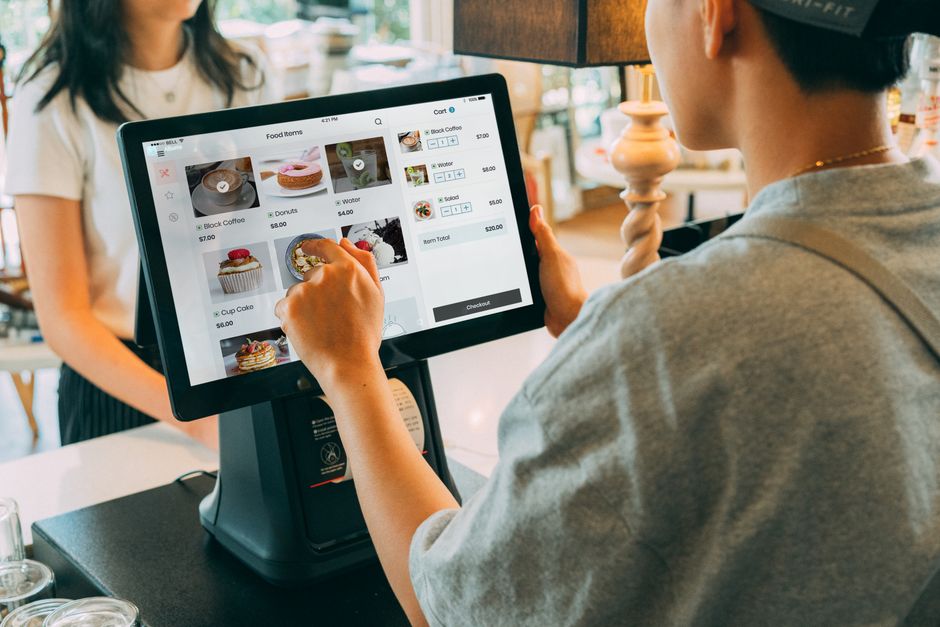
Starta med en genomtänkt, centraliserad profil och en lättviktig besluts-motor för att personifiera i skala. Bygg en 360-graders vy över site, app, e-post, chatt och frontline-interaktioner, sedan segmentera besökare efter intent, recency och spenderingshistorik. Etablera en baslinje för engagemang och förnyelserrisk, sedan servera kontextuellt relevant innehåll som nudgar nästa bästa handling. Spåra mått som engagemangsrate, promoter score och förnyelselikelihood; sikta på större uplift där signaler är starkast.
Exempel på effektiva touchpoints: hemsidebanners och produktkort skräddarsydda efter tidigare besök; produktdetaljsidor med cross-sell-bundlar baserat på spenderingsmönster; kundvagns- och kassan-nudgar med kontextmedvetna erbjudanden; efter-köp-tips och introduktionsinnehåll; förnyelsepåminnelser som återspeglar användning och värde. I trånga ögonblick, pusha enkla, användbara meddelanden som förstärker värde och kopplingar, och eskalera till frontline-agenter när sentiment skiftar.
Operationell ansats: bygg ett samtyckt dataflöde, baslinje integritetsguardrails och en realtidsrouteringslager. Implementera frekvenskappar och kanal-anpassad pacing för att undvika slösad spending på låg-ROI-kanaler. Kör test i små kohorter, mät förändringar i rate och omfördela budget mot hög-ROI-kanaler. Underhåll en plain-language playbook för frontline-team med rekommenderade svar och kontextsammanfattningar så att agenter kan agera snabbt.
Styrning och påverkan: tilldela måttägarskap, övervaka lojalitetssignaler och rapportera veckovis om påverkan per touchpoint. Jämför med en baslinje före-och-efter för att isolera effekt, sikta på stadig uplift över site och kanaler medan kostnader alignas med resultat. Över tid bör denna ansats förnya engagemang, fördjupa kopplingar och flytta promoter scores högre.
Leverera snabba vinster: Identifiera och skicka låg-ansträngningsförbättringar
Börja med en fem-punkts backlog av låg-ansträngningsförbättringar som kan skeppas i en 72-timmars sprint. Bygg anteckningar som beskriver varje förändring och paketera dem som en utökning till site, bildande en liten svit av fixar. Använd exempelscenarier för att illustrera påverkan, och bjud in vänner från produkt, design och engineering för att förfina idéer snabbt. Frånvaron av blockeringar, en tydlig ägare och en tight checklista säkerställer snabb leverans.
Identifiera kandidater genom att kombinera information från analys, användarsignaler och site-telemetri. Mappa varje punkt på en enkel två-av-två: ansträngning versus påverkan. Baslinje förväntningar för uplift och nöjdhet, sedan prioritera punkter med låg ansträngning och hög synlighet. Fokusera på microcopy-justeringar, små layoutförändringar eller utöka funktioner som producerar konkreta förbättringar. Scroll-djup, aktiveringshändelser och inaktiva segment ger snabb data för prioritering; dokumentera lösningar i en delad svit av anteckningar för att guida nästa steg.
Skeppa med en lättviktig process: tilldela en enda ägare, utforma ett konkret exempel på förändringen, definiera done-kriterier och logga resultat i information som teamet kan återanvända. Efter deployment, svara på feedback inom 24 timmar och publicera en highlight i changeloggen. Om en förändring levererar en tydlig fördel, pusha den framåt eller iterera; sedan arkivera den och gå vidare.
Transparens och delning: håll en kort utökning i releasenoterna, scroll till uppdateringssektionen på site och ge en kort sammanfattning om varje vinst. Highlighta självförtroendeförstärkningar till det bredare teamet. Denna ansats uppmuntrar en kultur av förfining, hjälper baslinjen att förbli stadig och minskar inaktivitet genom att erbjuda tydliga, görbara steg som leder till nöjdhet.
Mätloop: en enkel instrumentpanel visar nivåer av engagemang, slutförandefrekvens och tid till done. Varje punkt är taggad med information om ansträngning, fördel och nästa steg. I praktiken visar varje förändring en ökning i nöjdhet och en synlig hopp i site-mått. Resultatet: ett bevisat mönster som låter team planera fler snabba vinster framåt och fortsätta förfina och utöka över cykler, säkerställer alignment med bredare mål.
Odla förespråkande: Hänvisningsprogram, social proof och community-engagemang
Starta ett tierat program som belönar båda sidor med konkreta erbjudanden och en enkel åtgärd för att gauge påverkan.
Social proof förstärker trovärdighet; samla innehåll från nöjda kunder och visa det i en dedikerad miljö på butikssidorna och i en community-hub, med autentiska testimonials, korta klipp och ärendenoteringar för att bygga förtroende.
Community-engagemang accelererar förespråkande: hosta kvartalsvisa evenemang, skapa ambassadörscirklar och bjud in medlemmar att dela vinster ofta; detta betyder fler organiska omnämnanden och högre transaktioner, stödjande en större total påverkan.
Fokusera på rätt mått börjar med en hemlighet som kastar ljus på vad som rör nålen: etablera en rutin för solicitationer efter meningsfulla interaktioner, sedan score svar för att identifiera hjälpsamma förespråkare och de som bidrar mest värde till programmet.
Det finns carry-data som visar att en self-serve hänvisningssida boostar konvertering och förstärker butikstrafik; börja med en tydlig värdeproposition, sedan skala ansträngningen genom en enkel miljö som håller belöningar enkla att lösa in och transparenta att mäta.
För att säkerställa tyngd och hållbarhet, designa en strategi som speglar verkligt beteende: använd innehåll från glada köpare i posts, stories och reviews; avslöja hur varje handling översätts till värde för verksamheten, och spåra både transaktioner och kundnöjdhet för att bekräfta en solid skillnad över tid.
Nedan är en snabb ram för att jämföra alternativ och övervaka framsteg över tiers och medel:
| Tier | Erbjudande till hänvisare | Erbjudande till hänvisad | Påverkanindikatorer |
|---|---|---|---|
| Bronze | $5 butikskredit | 10% rabatt på första köp | Hänvisningsantal, första-köpsfrekvens, engagemangsrate |
| Silver | $15 butikskredit | 15% rabatt på första order eller 1 bonusinnehållsitem | Nya användare från hänvisningar, genomsnittligt ordervärde, upprepade köp |
| Gold | $30 butikskredit + prioriterat stöd | 25% rabatt på första köp + exklusiv innehållstillgång | Totala transaktioner från förespråkare, churn rate, innehållsdelningar |
📚 Mer om sociala medier-statistik
- Den kompletta Reddit-tillväxtstrategi-guiden - Från 0 till 100K följare på 6 månader
- Hur man skapar en försäljningsplan - En komplett guide till intäktstillväxt
- 10 B2B-kundretentionstrategier som faktiskt fungerar - Bevisade taktiker för långsiktig tillväxt
- Varför kundretention driver ROI, lojalitet och tillväxt
- ChatGPT för marknadsföring - Den kompletta 2026-guiden till AI-driven tillväxt
Ready to leverage AI for your business?
Book a free strategy call — no strings attached.


