Är traditionell reklam fortfarande relevant? En djupdykning

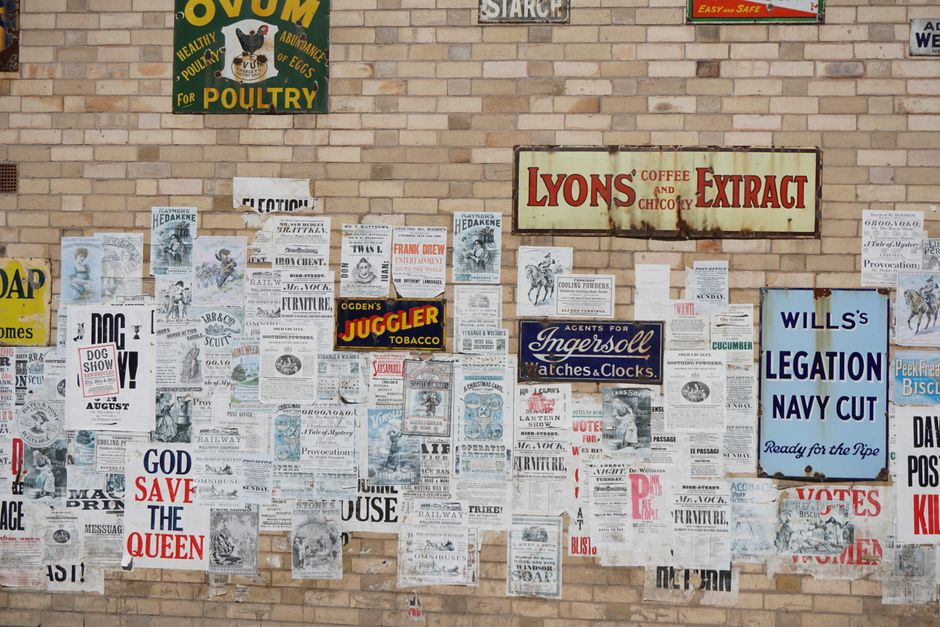
direkt rekommendation: tilldela budget till traditionella kanaler nu, spåra deras prestanda och optimera betald TV, radio och skyltning med stark disciplin. Denna direkta åtgärd hjälper till att koppla offline-kontaktpunkter med online-motorer.
främst, använd skyltning, TV och radio med spårbar direkt respons. Använd en enkel titel på kreativet, plus ett unikt telefonnummer eller URL för att tillskriva resultat. Utnyttja videor på TV och placera dem i andra format för att upprätthålla konsistens, vilket ger oslagbar synlighet i lokala marknader och enklare korskanalsattribueringsmöjligheter.
Spårningsramverket bygger på motorer som förenar signaler från TV, skyltning och tryck med online-data. Mellan kontaktpunkterna, mät trafik genom butiker, webbplatser och telefonsamtal. Använd multi-touch-attribueringsmetoder för att avslöja hur offline-impressioner hjälper till att öka butiksbesök och online-konverteringar, även när online-budgeten inte är den största andelen av utgifterna.
Praktiska budgetar: tilldela ungefär 15-25% av din betalda media till traditionella format i marknader där fottrafik är viktig. Använd test-och-lär med en 6-8 veckors cykel, och jämför med en digital-enbart baslinje. Kombinationen av skyltning och lokal radio ger en 1,5x-2,5x ökning i butiksbesök när du bifogar ett tydligt spårbart erbjudande och en synlig titel på affischen.
Utöver kärnformaten, diversifiera med evenemang, sponsringar och butiksskyltning; dessa andra kanaler fungerar bäst när de kombineras med online-retargeting och direktreklam för att upprätthålla stark återkallelse. Använd en enkel kreativ brief som skalas över flera placeringar, mät sedan effekten med kampanjer som korsar motorer och enheter.
Praktiska överväganden för marknadsförare som bedömer tryck inom en modern, flerkanalsplan

Rekommendation: Starta en 8-veckors riktad tryckpilot i två regionala marknader med veckovisa utdelningar i stora detaljhandelszoner, parades med digitala kontaktpunkter. Spåra ökningen i fottrafik med POS-data och koder kopplade till en dedikerad landningssida; använd skyltning som länkar till ett spårbart erbjudande för att generera en tydlig vy av offline-effekt och inkrementell intäkt, jämför sedan resultaten mot en geo-matchad kontrollregion för att fastställa inkrementellt värde.
Traditionellt tryck erbjuder fortfarande en konkret närvaro i verkliga utrymmen. Offline-skyltning skapar synlighet i högtrafikområden. Placera skyltning i stora shoppingdistrikt och transitnav där de samlas, koppla sedan varje stycke till en spårbar kod, en kort URL eller en QR-länk till ett erbjudande. Detta tillvägagångssätt skapar direkt interaktion med konsumenter och en vy av hur offline-kontaktpunkter driver online-aktivitet.
Mätningsramverk: definiera KPI:er kring ökning, inte ren räckvidd. Spåra veckovis: butiksbesök, kodskanningar, visningar av landningssidor och inlösen av erbjudanden. Jämför mot en geo-matchad kontrollregion för att isolera inkrementell trafik och engagemang, översätt sedan resultaten till intäkts påverkan och varumärkesrelevans för din publik.
Kreativ och formatvägledning: välj format som skyltning, bilagor och regionala tidskrifter; säkerställ att budskapet stämmer överens med butiksuppställning och erbjuder tydliga uppmaningar till handling. Använd underhållningskontexter för att öka uppmärksamheten och upprätthålla en känsla av relevans. Undvik att förlita dig på scrolltunga flöden; tryckannonser kan komplettera digitala annonser och annonser i andra medier, och hjälpa till att etablera en hållbar närvaro. För konsumentvarumärkesprogram, säkerställ konsistens över kanaler och förstärk varumärkesrösten med annonser som uppmanar till interaktion.
Mätning av tryck-ROI i en flerkanalskampanj
Tilldela unika, spårbara koder till varje tryckobjekt (billboard, radio, tidskriftsbilaga) och koppla resultaten till en enda attribueringsdashboard för att mäta korskanalseffekt.
Använd en enkel ROI-formel: inkrementell intäkt tillskriven tryck minus mediakostnad, dividerat med mediakostnad. För en 3-månaderskampanj, med utgifter på 120 000 USD på tryck över billboard och radio, producerade 1 000 inkrementella leads och 150 köp, vilket gav 420 000 USD i inkrementell intäkt. ROI = (420 000 - 120 000) / 120 000 = 2,5x, eller 250%.
För att överbrygga offline- och online-åtgärder, använd unika identifierare: en vanity-URL, QR-kod eller spårbart telefonnummer. Koppla e-postanmälningar, produktvisningar och köp till samma lead-poster, och tillämpa noggrann datastyrning för att hålla datan ren. Denna enkla implementering av kontaktpunkter hjälper dig att se hur tusentals impressioner över billboard, radio och tryckta bilagor översätts till engagerade sessioner och meningsfulla köp.
Fördelen med tryck är den bestående ihågkomna effekten och mun-till-mun-snack det kan utlösa. En billboard eller radiospot som landar under första veckan driver ofta en varm publik till sökning, scrollning och engagemang med e-posterbjudanden senare, vilket ökar köpsannolikheten. När du jämför kanaler visar tryck ofta solid ökning i assisterade konverteringar och skiljer sig från direktrespons-kanaler som förlitar sig på sista-klick-avslutning.
Måste-ha-tips: kör en 6–8 veckors pilot med tydliga mål, spåra CTR och engagemang, tilldela koder och använd en delad dashboard. Skala sedan det som visar sig starkt, omforma kreativt per kanal och jämför mot tusentals impressioner för att bekräfta trenden. Fakta: även blygsamma tryckökningar kan låsa upp vinster när de paras med e-postnurturing och produktsidor som underlättar köp.
Val mellan tidningar och tidskrifter baserat på publik och mål
Välj tidningar för bred räckvidd och omedelbarhet; tidskrifter ger djupare engagemang och längre vistelsetid. Investera i båda när dina publikdrivare stämmer överens med ditt mål: tryck ger massutrymme, medan tidskrifter förlänger effekten till ämnesdjup och varumärkeskredibilitet.
Analysera publikhsegment och stäm av med ditt mål. Tidningar utmärker sig med pendlare, lokala konsumenter och läsare som hört om historien; tidskrifter vinner med nischkonsumenter och beslutsfattare som söker djup. Fördelarna med varje medium visar sig i förtroende, uppmärksamhet och handling, och tryck kan leverera kredibilitet och lokal påverkan. Medan feedbackloopen för tryck är svårare att skala snabbt, kan datadriven mätning stänga gapet. Mätningar styr budgeten mot drivkrafterna för engagemang och konverteringar. Din kampanj gynnas av expertis som matchar mediet med publikens vy av relevans.
Idagens mediemix gynnas av ett datadrivet tillvägagångssätt. Spåra levererade impressioner, klick-till-din-webbplats, tid spenderad på läsning och konverteringar till dina kampanjsidor. Detta låter dig jämföra tryck och online, utvärdera kostnad per kontakt och fortsätta optimera dina utgifter. Tryck förblir ett bra verktyg för lokal påverkan, medan online-format ger snabb feedback och bredare räckvidd.
Balansera kanalerna genom att överväga en korsmedieplan som inkluderar streaming och tryck. Till exempel, para tryckbilagor med korta videospel på plattformar som Hulu för att förstärka budskapet samtidigt som tryckkredibiliteten upprätthålls. Kombinationen kan leverera en bredare intryck och hjälpa dig att investera smartare, med en långsiktig vy av varumärkesökning som skalas med din budget. Detta involverar att stämma av dina annonsörers röst över kontaktpunkter och mäta påverkan över medier.
Kostnader varierar med marknadsstorlek; en nationell plan kan korsa miljarden-impressionsmärket över flera publikationer. Tidskrifter kräver ofta högre CPM:er, men läsare spenderar längre tid med innehåll, vilket ökar återkallelse och svarskvalitet. När din kampanj kräver bred medvetenhet och lokal påverkan är tidningar en stark start; för tankeledarskap och hållbart engagemang levererar tidskrifter en hållbar signal som dina konsumenter förlänger till din webbplats och andra ägda kanaler.
Kreativa format som ökar läsning och återkallelse i tryck
Rekommendation: använd ett djärvt, lokalt format med en stark titel och ett direktresponseelement som ger en tydlig väg till handling. Para en billboard-stil header med en skannbar kod eller kort URL som leder till en riktad landningssida, vilket gör respons enkelt.
I tester över 12 kampanjer i lokala marknader steg återkallelsen 25–35% när en billboard-stil titel paras med en spårbar CTA, och genomsnittlig engagemangstid ökade med 12–18 sekunder för läsare som interagerade med koden. Detta tillvägagångssätt flyttar läsare från uppmärksamhet till handling och stödjer målorienterade utfall.
- Billboard-stil titelpaneler med en direkt CTA. En högkontrast-titel förankrar uppmärksamheten högst upp på sidan, sedan inbjuder en koncist CTA till respons via en riktad sida. I kontrollerade tester lyfte denna kombination återkallelse med 25–35% och klick-genom med 15–20% jämfört med statiska annonser. Kan inte förlita sig på en enda taktik; para med ett andra format för förstärkning och för att adressera olika roller i kampanjen.
- Fällbara bilagor och perforerade responskort. En fällbar panel utökar utrymmet för en rubrik och erbjudande, medan ett perforerat kort ger ett konkret responsalternativ. En tredjedel av deltagarna engagerade sig med fällbara i fält-tester, vilket ökade butiksbesök och inlösenrater med 18–28% beroende på erbjudandets styrka och targeting.
- Sponsrade redaktionella platser med en riktad CTA. Stäm sponsring med innehåll som matchar läsarens avsikt och lokala intressen. Använd en stark titel och en värdeproposition, guida sedan läsare till en platsbaserad destination. I experiment uppnådde sponsrat innehåll med en relevant CTA högre förtroende och 12–22% högre CTA-slutförande än orelaterade annonser.
- Interaktiva element som ökar interaktivitet. Inkludera dragflikar, skrapområden eller andra taktila ledtrådar för att öka engagemanget. Spåra responser med unika koder och mät tid-till-respons över impressioner. Interaktivitet förbättrar återkallelse och hjälper till att fördjupa relationer med läsare över flera kontaktpunkter.
- Lokal targeting och korsformatkonsistens. Använd stadsspecifika erbjudanden och lokal butiksdata för att förbättra targeting. Kombinera en titel-ledd billboard-panel med ett butiksincentive och en digital uppföljning för att förstärka budskapet över flera tillfällen och kanaler. Detta tillvägagångssätt ger en sammanhängande upplevelse som stärker relationer med kunder i området.
- Flera format inom samma nummer och tydlig mätning. Distribuera 2–3 format per kampanj och övervaka kuponginlösen, URL-besök och kodskanningar för att bedöma målet. Granska prestanda per format och justera för framtida kampanjer för att upprätthålla läsarförtroende och responsstyrka.
Denna mix hjälper dig att koppla med andra i lokala samhällen, bygga förtroende och hållbara relationer.
Integration av tryck med digitala kontaktpunkter: QR-koder, AR och URL-taggar
Börja med en konkret rekommendation: integrera QR-koder på varje trycktillgång som länkar till en snabb, mobiloptimerad landningssida med en enda tydlig CTA för att konvertera. Använd UTM-parametrar för att tillskriva besök och mäta mängden ökning över kanaler. Med QR-koder och URL-taggar kan du nå en miljard smartphone-användare, skapa en stark bro mellan branding och prestanda och presentera något konkret du kan optimera mot framgång, snarare än ett envägsbudskap.
QR-koder bör leda till en skräddarsydd sida som presenterar en koncist värdeproposition och en omedelbar handling – anmäl dig, ladda ner eller köp. Testa veckovisa experiment genom att variera rubriken, erbjudandet och knappbehandlingen för att engagera avsikt och driva bättre konvertering. Du kommer att märka att den starkaste effekten kommer från att stämma av tryckbudskapet med landningssideupplevelsen och hålla resan enkel, snabb och fri från friktion.
Augmentera tryck med AR för att leverera en annan dimension av engagemang. En filmplakat eller broschyr blir en ingångsport: skanna bilden och lås upp en 360-graders vy, interaktiva specifikationer eller en kort upplevelsev video. Detta tillvägagångssätt stödjer ledarskap genom att visa ansvarstagande via mätbar vistelsetid och uppföljningsåtgärder, vilket hjälper till att konvertera nyfikenhet till avsikt och kommersiellt värde – särskilt vid evenemang eller sponsrade visningar som syftar till att driva personligt engagemang. AR kan leverera något minnesvärt som förstärker branding samtidigt som det ger verkliga mått på engagemang och framgång.
URL-taggar ger en lättviktig, spårbar bro över sidor och format. Använd korta, minnesvärda länkar som speglar det tryckta kreativet och inkluderar tydliga parametrar för att upprätthålla konsistens över sidvariationer. Detta gör det enklare att jämföra prestanda, maximera värdet av varje intryck och besluta mellan olika sidor eller rutter. Använd en annan URL-tagg för varje sidvariation för att isolera starka utförare och informera veckovisa optimeringscykler, vid behov.
| Kanal/Taktik | Åtgärd | KPI | Spårning | Exempel |
|---|---|---|---|---|
| QR-koder | Länka till mobil landning med en enda CTA | CTR, konverteringsgrad | UTM-parametrar, analys | Tryckannons i veckotidskrift driver besök och konverteringar |
| AR | 3D/produktöverlägg på tryck | Engagemangstid, avsiktsökning | App-händelser, AR-analys | Plakat ger vistelsetid och en mätbar ökning i åtgärder |
| URL-taggar | Korta, minnesvärda länkar till alignad landning | Besök, mikrokonverteringar | Kampanj-nivå analys | Broschyr-länk resulterar i besök och åtgärdsrater |
| Integrerat tillvägagångssätt | Koordinera budskap över tryck, digitalt och evenemang | Övergripande ROI, brandingkonsistens | Attribueringsmodeller, dashboards | Korskanalsökning från tryck till digitalt till personligt engagemang |
Kostnad, ledtid och distribution: Budgetar, scheman och logistik

Avsätt 12–15% av din årliga marknadsföringsbudget för en 90-dagars pilot över tre placeringar: din webbplats (webbplatslandningssidor och pay-per-click-kampanjer), tidskrifter (en eller två beprövade titlar) och audio (korta spots på starka nationella eller regionala stationer). Detta tillvägagångssätt ger dig snabb feedback, enkla jämförelsepunkter och en väg till mätbart värde.
Budgetfördelning bör kopplas till tillväxtstadium och publiks beteende. Under första kvartalet, tilldela 60% till webbplats och pay-per-click, 25% till tidskrifter och 15% till audio. Årtionden av testning över kanaler visar mönster i prestanda, så börja med denna mix och justera när data kommer in. Webbplatsdata är enkel att spåra och visar dagliga variationer; tidskrifter ger kredibilitet med en långsammare utbetalning; audio bygger räckvidd i pendlingfönster. De kan visa olika mått som sparanden, klick och kontaktförfrågningar. Nielsen-data kan guida justeringar: om återkallelse är högre på online-kanaler, skifta mer dit, annars återbalansera till tryckta placeringar som driver direkta förfrågningar.
Ledtidvägledning: webbplatskampanjer och pay-per-click kan lanseras inom 1–2 dagar när tillgångar är redo, medan tidskriftsplaceringar kräver 60–90 dagar för publiceringskalendrar, och audio-spots behöver 2–3 veckor för manus och bokning. Bygg kalendrar med utgivningsdatum, produktionsdeadlines och godkännanden för att undvika död tid och säkerställa att varje kanal träffar samma kvartalsslutmilstolpar. När du publicerar, spåra impressioner, klick och leads i en delad dashboard på webbplatsen så att teamet ser dagliga skift och kan svara snabbt. Prospekten kommer att uppfatta konsistens bara om du stämmer av timing över kanaler.
Logistik: koordinera med inköpsteamet för att låsa in priser, placeringar och bilagdatum. Fördelarna är snabb testning, tydliga signaler och enkel optimering. Bygg en enkel RFP för varje kanal och håll en en-sidors brief: måldemografi, kreativa specifikationer, förväntade utfall och kontaktpunkter. Det smartare tillvägagångssättet använder en delad kalender och en enda leverantörslista för att minska friktion. För tidskrifter, välj 2–3 beprövade titlar; för audio, välj program med hög pendlingstid-lyssning; för webbplats, segmentera publiken efter avsikt (informativ vs. transaktionell) och skräddarsy budskapet därefter. Denna tydlighet förbättrar uppfattat värde och minskar slöseri.
Mätning: sätt 3 mått per kanal: klick eller förfrågningar (online), räckvidd eller impressioner, och kostnad per lead. De kommer att hjälpa dig att bedöma framgång; om en kanal underpresterar efter två veckor, omallokera till en högre-potential-placering. Spåra något uppenbart: kostnad per lead och tid till kontakt för att säkerställa att du fångar förseningar tidigt. Värdet av varje kanal beror på din produktcykel och säljprocess; för artiklar med längre övervägande kan tryck och audio bygga bekantskap, medan webbplats driver omedelbar handling. Använd Nielsen-insikter för att stämma av mixen: om tidskriftsläsare konverterar till en högre grad per intryck, luta lite mer mot tidskrifter; om online-placeringar levererar snabbare kontaktfrekvenser, luta tyngre dit. Detta tillvägagångssätt håller rytmen stadig och minskar slösad spend.
Skicka en kort förfrågan
Beskriv webbplats, mål, målgrupp och budget för ett förslag.


