Segmentering 2026 – Strategier, tips och verktyg för marknadsförare

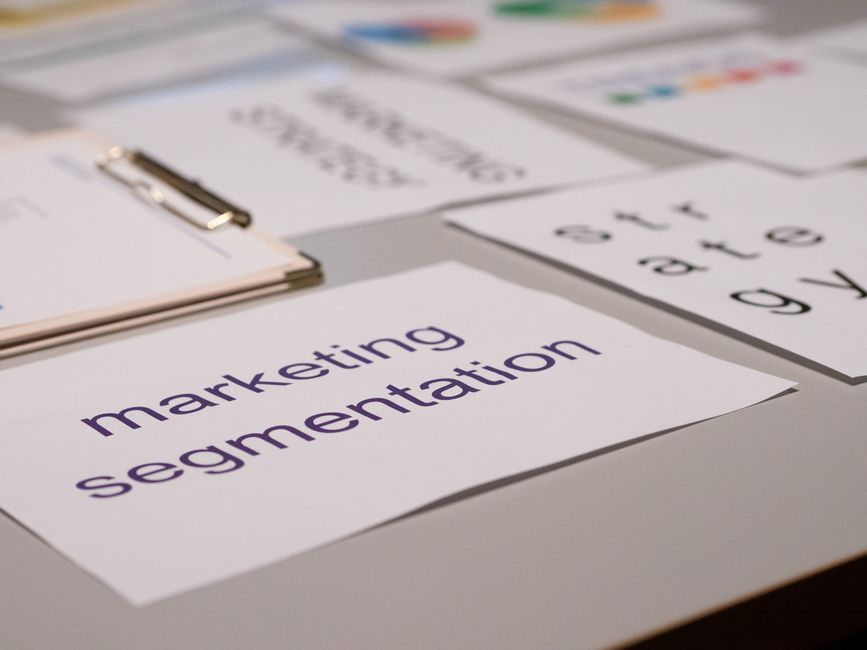
Bygg segmentering kring psykografik, inte bara demografi. Definiera en form för varje persona som fångar åsikter, värderingar och de val de gjort. Håll basen tillräckligt tight för att aktivera i realtid och tillräckligt bred för att skala över kanaler. Bygg koncisa profiler så att ditt team förblir skickligt på att omvandla insikter till handling.
Översätt de personorna till kampanjer som återspeglar avsikt, inte stereotyper. Skapa 3-5 variantmeddelanden och testa dem över touchpoints; skickliga team utnyttjar analys för att utveckla kreativa och medieplaner när köpare svarar, säkerställa att meddelanden känns personliga snarare än påträngande.
Slå samman first-party data med psykografiska insikter för att skapa levande profiler. Använd enkäter, on-site-åtgärder och feedback för att hålla basen uppdaterad. Definiera hur varje segment bidrar till vinster, inte bara klick, och koppla köpares åsikter med form-baserade definitioner för att vägleda kreativa val.
Implementeringstips: justera din tech stack, enhetliggör first-party data och sätt upp skydd för integritet. Skapa en enkel taxonomi för att klassificera publiker efter psykografik och avsikt. Team möter friktion när segment blir för granulära; håll styrningen lättviktig och handlingsbar. Definiera specifika mått att spåra och jämföra mot benchmarks. Dokumentera en månatlig granskning där team justerar utgiftsmix och meddelanden baserat på realtidsresultat.
Framtidssäkring: vissa segment bleknar; sätt upp regler för att beskära eller transformera när preferenser utvecklas. Det finns ingen one-size-fits-all-väg. Använd dashboards för att upptäcka förändringar och håll team skickliga på att förfina erbjudanden som har transformerat hur vinster allokeras.
Sätt 2025 Segmenteringsmål i Linje med Intäkts- och Behållnings-KPI:er
Definiera en datadriven KPI-karta som knyter varje segment till konkreta intäkts- och behållningsmål, och låt denna karta driva varje kampanj och produktbeslut.
- Baser din segmentering på konton och psykografik inom modevertikaler, dra data från CRM, lojalitetsprogram och köphistorik för att bygga en holistisk vy.
- Definiera ett datadrivet KPI-ramverk som knyter varje segment till intäktsmål, behållningslyft och nöjdhetsmått, sedan etablera en spårning för konverteringsgrader och inkrementellt värde per segment.
- Illustrera med ett exempel med en hypotetisk, modefokuserad kohort: topp 10% av högpotentialskonton som visar förhöjda konverterings- och förespråkssignaler; använd detta för att sätta trappade mål och resursåtaganden.
- Anta en resa-baserad planeringsapproach: mappa touchpoints över kanaler till förespråkande och nöjdhetsutfall, säkerställa att varje interaktion kan påverka konvertering och långsiktig behållning.
- Tillämpa en konkret mätplan: spåra intäkt per konto, churn-risk, nöjdhetspoäng, förespråkningsindikatorer och cross-sell eller up-sell-möjligheter; använd dessa signaler för att optimera kampanjer och partnerprogram.
- Styrning och partnerjustering: tilldela klara ägare, dela dashboards med partnerteam och definiera datadelningsregler som skyddar integritet samtidigt som de möjliggör tillväxt.
- Utveckla kapacitet och data kvalitet: investera i integrationer mellan CRM, CDP och analys, berika psykografik (modepreferenser, livsstilssignaler) och minska risk med ren, enhetlig data.
- Implementeringssteg och utrullning: kör en pilot i en fokuserad kohort av konton, mät inverkan på konvertering och behållning, sedan skala med stegvisa ökningar i investering och resursallokering.
- Förespråkande och relationer: vårda högpotentialskunder till förespråkare; spåra hänvisningar och sociala signaler som översätts till lägre förvärvskostnader och högre nöjdhet över tid.
Detta ramverk gäller för varumärken som Marriott, utvecklade relationer med toppkonton och omvandla nöjdhet och förespråkande till mätbara intäktsvinster.
Välj Segmenteringsvariabler: Beteende, Avsikt och Köpsignaler
Börja med tre segmenteringsaxlar: beteende, avsikt och köpsignaler, och justera dem med dina mål. Bygg en robust datafoundation genom att kombinera, inklusive first-party data från CRM, webbplats- och app-interaktioner, lojalitetsaktivitet och butiksbesök. Berika med betalningsevent, där lagligt tillåtet, och håll GDPR-efterlevnad i kärnan. Denna approach stödjer mångfald av signaler och avslöjar tankemönster över segment, därmed möjliggör precis aktivering för din verksamhet och investerarkommunikation, och ger dig kraften att köra kampanjer framgångsrikt.
Beteendesignaler fångar vad användare gör, inte vem de är. Spåra aktiva sessioner, sid djup, artikelvisningar, kategori navigering, sökhistorik, korgaktivitet, tid-på-sida och cross-kanal interaktioner (web, mobilapp, kontaktcenter). Under varje interaktionsfönster, segmentera användare efter recency och frequency, rapportera mönster och snabbt justera kreativa. Detta ger förbättrad relevans för retailkampanjer och hjälper dig nå mål. Använd demografiska inputs som nationalitet där tillåtet; var försiktig med integritet och GDPR; detta hjälper dig bygga effektiva segment som återspeglar tänkande och preferenser, möjliggör att skräddarsy meddelanden i realtid. Dessutom, förlita dig på dashboards som översätter dessa signaler till rapporterade mått för intressenter. Denna approach avslöjar tankemönster över segment, därmed informerar smartare aktivering och maximerar inverkan.
Avsiktssignaler visar beredskap att köpa. Kombinera on-site-åtgärder (söktermer, produkt sid vistelsetid, önskelista tillägg), katalog-nivå vyer och engagemang med prissättning eller promotioner. För team som utforskar nya signaler, testa kombinera avsikt med beteende och samtyckta attribut för att avslöja ytterligare möjligheter. Tilldela avsiktspoäng som faktor recency, djup och aktiveringshistorik. En hög-avser-signal föregår ofta en köpsignal, därmed vägleder retargeting och betald media, medan respekt för GDPR och first-party samtycke förblir prioritet. Detta hjälper påverka konverteringar över segment och stödjer mål som högre ordervärden och lägre kostnad per förvärv.
Köpsignaler återspeglar faktiska transaktioner och betalningsbeteende. Fånga slutförda ordrar, betalningsmetod, korg-till-checkout progression, enhet använd vid checkout och genomsnittligt ordervärde. Övervaka korgövergivande och post-köp interaktioner för att identifiera vem som blir repeat buyers. Använd dessa signaler för att skräddarsy erbjudanden som kunder rapporterar som högt relevanta, därmed förbättra aktivering av marknadsföringsinsatser och leverera resultat för affärsmål. Säkerställ integritet genom att begränsa känsliga attribut och upprätthålla GDPR-efterlevnad, medan du fortsätter testa mångfald av meddelanden över segment för att avslöja mönster och optimera utgift.
Implementera Real-Time Triggers vs. Batch-uppdateringar för Tidsmässiga Meddelanden

Anta en hybridstrategi: kör real-time triggers för högvärdeåtgärder och schemalägg batch-uppdateringar för bredare förändringar för att leverera tidsmässiga meddelanden. Denna approach håller kommunikation relevant och minskar irrelevanta kontakter medan du upprätthåller en klar status för kampanjer.
För att implementera real-time triggers, etablera en event-matad datalager som fångar nyckelåtgärder, såsom produktvyer, korgevent och locationspingar. Använd en informerad metod för att mappa dessa event till publikksegment, justera targeting med meddelandecadens över din kommunikationsstack.
Batch-uppdateringar utmärker sig för låg-friktion förändringar, onboarding-skift och säsongsbaserade kampanjer, stödjer långsiktig budgetplanering och inkomststabilitet. De minskar risken för överkommunicering och hjälper dig beskriva förändringar till intressenter med klar status.
Steg för att lösa balansen börjar med att definiera trigger-trösklar för real-time sändningar, sedan segmentera efter geografiska signaler och produktintresse, bygg en cadensbibliotek, testa över enheter, övervaka leveransstatus och iterera baserat på informerade resultat. Denna approach håller dig med datadrivna beslut och undviker att skicka irrelevanta meddelanden.
Geografisk segmentering hjälper entusiaster i olika regioner att ta emot meddelanden skräddarsydda för lokala ögonblick, säsonger och promotioner. För regionala kampanjer, balansera real-time cues med batch-initierade sammanfattningar för att hålla meddelandestacken hanterbar och säkerställa data-kredit till rätt grupper.
Beskriv hur du mäter status och framgång, inklusive öppningsgrader, klick-genom, konverteringar och inverkan på inkomst. Säkerställ att ditt team förstår kredit för vinster och lär sig från missar, sedan justera metoden och stegen därefter, det finns utrymme för att justera över kanaler för att förstärka en coherent kundupplevelse.
Anta en kultur där data informerar varje beslut, och håll fokus på att leverera värde till marknadsföringsentusiaster och intressenter lika.
Två E-post Segmenteringsapproacher Drivna av Reseprecision i Skala
Börja med mikro-segmentering baserat på aktiva signaler och historiskt engagemang för att bestämma mål och lyfta behållning. Denna sektion beskriver två approacher för skala och precision. Om du är intresserad, definiera kapaciteter och variabler såsom recency, frequency och demografi, sedan justera kommunikation med en övertygande proposition. Dessutom, segmentera efter rörelse längs e-poststigen för att ta tillbaka delvis engagerade användare och vägleda dem mot en konvertering. Använd exempel från retail, SaaS och tjänster för att visa hur identitet och demografiska signaler skapar mer relevanta meddelanden och förbättrar behållning.
Approach 1: Beteende-Driven Mikro-Segmentering
I denna approach, identifiera mikro-segment från senaste åtgärder, rörelse genom site och historiskt engagemang. Bygg segment efter recency, frequency, monetärt värde, plus sidvyer, korgaktivitet och supportinteraktioner. Mål inkluderar re-engagemang, cross-sell eller korgåtervinning. Identiteten för varje segment mappar till en övertygande proposition som justeras med deras behov. Exempel visar ett klädmärke som lyfter öppningsgrader med 18% och intäkt per e-post med 12% efter att ersätta breda blasts med riktade sekvenser. Dessutom, testa olika triggers (korg överge, produktvy, post-köp) för att optimera resultat.
Implementeringssteg inkluderar taggning av event, poängsättning av segment med en enkel regel motor, routning till skräddarsydd kreativ och erbjudanden, och granska resultat veckovis för att iterera. De erforderliga kapaciteterna är real-time data feeds, dynamiska innehållsblock och ren attribution. I tester över sektorer levererade denna approach en 11–18% lyft i klick-genom och en 6–12% lyft i konvertering, med behållningsförbättringar på 5–9% för repeat buyers.
Approach 2: Identitets-Driven Demografi och Preferenser
I denna approach, enhetliggör identitet över enheter och kanaler för att förankra segment på demografi och angivna preferenser. Använd samtyckta attribut, lojalitets-ID:n och e-posthistorik för att justera med en enda profil. Bestäm mål såsom reaktivering, upsell eller långsiktig behållning. Propositionen för varje segment bör kännas personlig och timely. Datahygien är vital för att skydda identitet över enheter; dessutom, håll data-kontroller och deduping regelbundna. Exempel: en fintech-app förbättrade aktiveringsgrad med 22% efter att leverera personliga onboarding-nudgar baserat på ålder, plats och produktintresse. En annan retailer lyfte repeat-köp med 14% med segment definierade av föredragna kanaler och timing.
Verktyg och Data Integrationer för Skalbar Segmentering 2025
Implementera en modular datastack förankrad av en identitetsgraf: anslut multiple data källor, CRM, produktanalys, web/app interaktioner och geografiska data för att driva precisa segment. Bygg streaming pipelines (Kafka, Kinesis) och batch ETL för att hålla publiker uppdaterade, och push resultat till en enda back end för konsekvent aktivering. Genomdriv data kvalitet gates, lineage och schema versioning för att skydda integritet.
Följande approach håller totala publiken frisk och compliant medan den stödjer behållningsmål: definiera 6 till 8 kärnpublik per produkt, grundade i demografi, geografiska attribut och produktinteraktioner; sikta på total reach över online och offline touchpoints. Spåra behållning per kohort och kvantifiera engagemang med en interaktionspoäng. Använd tester för att upptäcka nya mikro-segment, och låt teamet besluta om aktiveringskanalval.
Styrning och integritet: genomdriv data integritet by design, upprätthåll data provenance och implementera roll-baserad åtkomst. Bygg en hållbar operativ rytm för att förhindra skuggprocesser; justera med data kvalitet standarder för att säkerställa hållbarhet av resultat.
Från ett operativt perspektiv, enhetliggör marknadsföring, produkt och data team under en delad operativ cadens; tilldela klar ägandeskap; övervaka latens och tillförlitlighet av data flöden; säkerställ förmågan att skala bortom 20 miljoner användare. Ta en datadriven ställning på optimering och rapportera tillbaka på nyckelmått till executives och en expert från Deloitte.
Verktygsblueprint: välj en CDP med robust identitetslösning, en lakehouse för rådata och en ELT-lager, plus lättviktig analys för snabb iteration. Säkerställ kompatibilitet med vanliga verktyg: Looker eller Power BI, dbt för data modellering och streaming connectors. Denna setup stödjer följande mål: upptäcka nya publiker och upprätthålla långsiktig behållning medan du upprätthåller data integritet. För hållbarhet, dokumentera data lineage och implementera audit logs som revisorer kan verifiera.
Relaterade Artiklar
- 10 Bästa Gratis Verktyg för att Spionera på Konkurrenters Annonsstrategier - Avslöja Taktiker och Boostra Din Annons Prestanda
- 13 Småföretags Marknadsföringsstrategier Du Kan Prova Idag - 5 Verktyg att Testa
- Den Ultimata CRO-Guiden 2025 - Strategier, Verktyg & Taktiker för att Boostra Konverteringar
Ready to leverage AI for your business?
Book a free strategy call — no strings attached.


