Traditionell marknadsföring vs digital marknadsföring – Fördelar och nackdelar förklarade

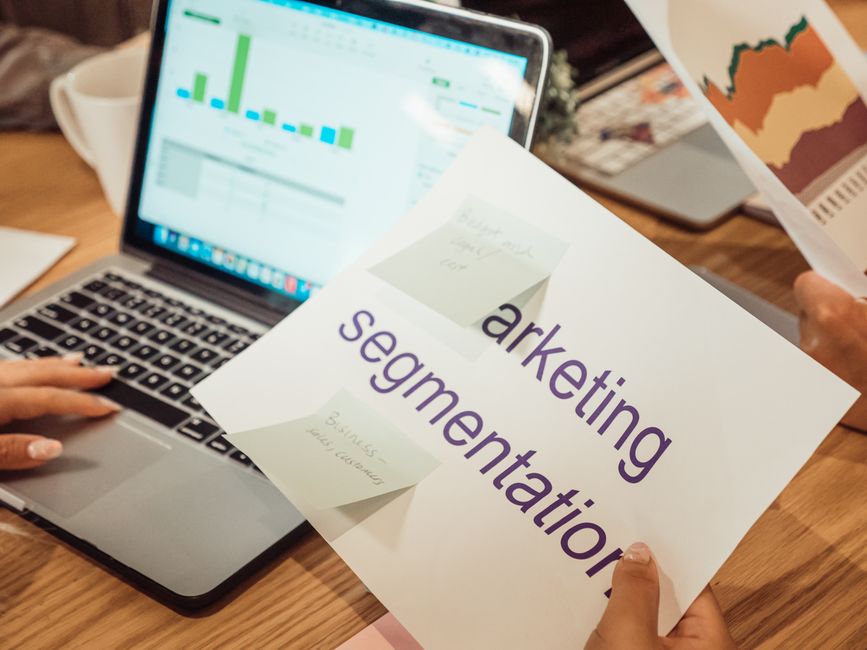
Rekommendation: börja med en blandad strategi som prioriterar online-påverkan samtidigt som du upprätthåller lokal trycknärvaro. Använd online-kanaler för att mäta respons snabbt, och när du uppnår lokala mål, skala upp betalda digitala kampanjer för att öka effektivitet och avkastning på investering. smartling hjälper till att lokalisera kampanjer för webbplats och tryck för att upprätthålla en konsekvent varumärkesupplevelse, och låter dig nå lokala kunder direkt.
Traditionella format utmärker sig i lokal varumärkesbyggnad och förtroende. I lokala kampanjer ger tryck och utomhusmedia ofta högre återkallelse och längre varaktiga intryck; studier visar återkallelse upp till 70% högre för tryck jämfört med digitalt i tätt riktade grannskap, vilket leder till butiksbesök inom 1–2 veckor. de svarar bäst på ett sammanhängande korskanalsapproach som rullar från tryck till butik och till online-kontaktpunkter.
Digital marknadsföring lyser i riktning, hastighet och mätning. Betalda sök- och sociala annonser erbjuder precis riktning, snabba iterationer och tydliga instrumentpaneler som kopplar utgifter till resultat som klick, leads och försäljning. dock växer publikt trötthet, integritetskontroller kan minska synlighet, och annonsblockerare minskar räckvidd. Använd webbplatsoptimering, landningssidor och uppmaning-till-åtgärd-meddelanden för att upprätthålla en stark upplevelse, och testa kreativa element ofta för att undvika trötthet.
Praktisk vägledning för en balanserad plan: kör en 90-dagars pilot med en budgetfördelning som passar din marknad. För många lokala SMB:er går 60% av budgeten till online och betalda kanaler, 40% till lokalt tryck, medan du mäter CPA, CPM och butiksupphämtning eller online-konverteringar. Använd smartling för att översätta och anpassa landningssidor så att besökare känner budskapet direkt från den lokala butiken. Om du siktar på att öka varumärkesmedvetenhet, para en varumärkespush med en riktad betald social kampanj som bjuder in kunder att möta ditt team antingen virtuellt eller i butik. smartlings kampanjer över marknader upprätthåller konsekvens.
För- och nackdelar Sammanfattning
Anta en hybridstrategi som blandar online och utomhuskörer för att maximera räckvidd och ansluta effektivt med publiken, medan du håller dig alignerad med dina mål.
Online möjliggör direkt riktning, snabb feedback och detaljerad attribution, vilket låter dig optimera kampanjer i realtid. I fall där online-aktivitet stödjer utomhussatsningar, stiger resultaten betydligt och ROI förbättras.
Utomhusmedia skapar stark återkallelse och lokal närvaro, ofta med mindre röra än online-banners i täta marknader. Dock kan mätning fördröjas och attribution vara svårare tidigt; planera en uppmaning till åtgärd som kopplar offline-exponering till online-signaler.
Internationell räckvidd gynnas av online-plattformar med automatiserad lokalisering och skalbara kampanjer, medan utomhus förblir idealiskt för lokala lanseringar eller säsongsbaserade kampanjer som kräver en konkret närvaro. Denna kombination hjälper dig att testa och justera i olika marknader.
Med en detaljerad budgetplan, börja med en basallokering och testa en 40/60-fördelning mot online och utomhus, sedan skifta efter 6–8 veckor när data klargör. Detta tillvägagångssätt förbättrar mätningsprecision, minskar slöseri och vägleder smart omallokering.
Denna ökning främjar bättre riktning och snabbare feedback över kanaler, förbättrar prestanda för online- och utomhusinvesteringar.
Räckvidd och Riktning: Identifiera de bästa publiken per kanal
Mappa varje publiksegment till dess toppkanal och sätt ett kanalspecifikt räckviddsmål för den gruppen. Detta förbättrar din förmåga att identifiera var intresse finns och erbjuder en tydlig lösning för att allokera budget effektivt. Lär av tidigare kampanjer och justera översättning av meddelanden till lokala marknader för att öka påverkan.
-
Television
Varför det fungerar: TV ger utbredd synlighet och stark trovärdighet, särskilt för bred medvetenhet. Använd en mix av nationella och regionala spots med 15–30 sekunders format alignerade till primetime-fönster. Para TV med en precis digital lösning för att förlänga interaktion efter exponering och förbättra mätning. Exempel: konsumentelektronik, hushållsvaror och bilkampanjer.
Hur man utför: håll material enkel, presentera ett tydligt erbjudande i de första sekunderna, och översätt nyckmeddelanden för lokala marknader vid behov. Leads stiger när du inkluderar ett övertygande erbjudande och en tydlig uppmaning till åtgärd. Budgettips: allokera 20–35% av planen till television för bred räckvidd i marknader med hög penetration.
-
Tryckt och affischer
Varför det fungerar: tryckta material och affischer levererar konkret synlighet i butiker, transitnav och evenemang, med stark lokal relevans. De stödjer minne och kan vägleda publiken till online-destinationer eller butiksbesök.
Hur man utför: placera affischer och annat tryckt media i områden med hög fottrafik där publiken spenderar tid; säkerställ att översättningen är korrekt för lokala regioner. Mät påverkan via kuponginlösen, landningssidesbesök och offline-till-online-interaktion. Budgettips: tryckt media sänker ofta kostnad per intryck när det koordineras med digitala taktiker.
-
Online-video och socialt
Varför det fungerar: denna kanal möjliggör precis riktning efter ålder, plats, intressen och beteende, och stödjer snabb interaktion med tittare. Använd kortformade format för att förmedla övertygande erbjudanden och driva klick till landningssidor eller butiker.
Hur man utför: skapa 2–3 varianter per publik, kör A/B-tester på thumbnails och CTAs, och spåra mått som view-through rate och konverteringar. Inkludera ett starkt erbjudande och en spårbar destination för att lära dig vilken publik som svarar bäst. Budgettips: börja med 25–40% av den digitala budgeten här, sedan skifta medel till högpresterande segment.
-
Sök- och shoppingannonser
Varför det fungerar: intentionsbaserade kanaler fångar efterfrågan när publiken aktivt söker produkter. Använd nyckelordsoptimerad copy och optimerade produktflöden för att förbättra synlighet för relevanta sökningar.
Hur man utför: översätt produktbeskrivningar vid behov, anpassa rubriker till lokala termer, och alignera landningssidor med mobilvänliga upplevelser. Mät kostnad per konvertering, avkastning på annonsutgifter och inkrementell lyft. Budgettips: allokera 15–25% av den digitala planen till sök och shopping för att fånga stadig efterfrågan.
-
Utomhus- och transitmedia
Varför det fungerar: hög daglig synlighet i pendlingsvägar och offentliga platser. Kombinera med digital retargeting för att förstärka meddelanden när publiken är aktiv online.
Hur man utför: fokusera på koncisa visuella och en enda CTA, testa placeringar i nyckelplatser, och spåra onsite-besök eller promo-kod-användning. Budgettips: använd en lättare kärnbudget här och lager med digitalt för mätbar påverkan.
Mätning och optimering: använd first-party data och pålitliga källor för att förstå publiköverlappningar och var att investera nästa. Främjar bättre riktning med material som matchar lokala preferenser. Spåra räckvidd, frekvens, intryck, CTR, engagemang och konverteringar för att leda med data och kontinuerligt förbättra lösningen. Där, översätt insikter till åtgärder som sänker slöseri och ökar synlighet där publiken spenderar tid.
Kostnader och Budgetkontroll: Förhandsinvesteringar vs pågående utgifter

Investera i att bygga tillgångar nu för att minska pågående kostnader. Dessa förhandsinvesteringar involverar en skalbar webbplatshub, en bibliotek av inlägg som läsare kan läsa lätt, och hållbara affischer för offline-evenemang. Dessa förhandsinvesteringar driver ner långsiktig utgift och ökar förmågan att röra sig snabbt när kampanjer skiftar. Med denna grund kan ledarskap och universitetslag läsa mått från en enda instrumentpanel och koordinera genom en delad samtalsplan som unifierar online och offline-kontaktpunkter.
Rekommenderad budgetstruktur: allokera 25-40% av den årliga marknadsföringsbudgeten till förhands tillgångsbyggande (webbplatser, inlägg, affischer och video-tillgångar) och reservera resten för pågående utgifter (annonser, hosting, innehållsproduktion, fältmarknadsföring). Denna mix sänker genomsnittlig kostnad per lead med 15-25% inom 6-12 månader och kan signifikant öka övergripande avkastning på marknadsföringsutgifter.
Pågående utgifter bör kontrolleras tätt med månatliga kontroller. Fokusera på tre kanaler som alltmer driver resultat: webbplatser SEO/Innehåll, betalda inlägg och socialt, och evenemangsaffischer/promotioner. Använd en månatlig keps och en rullande prognos för att undvika överspending; denna process involverar en enkel styrningscykel och budgetar har tydlig alignering. Till exempel, keps den månatliga betalda medien vid 18-22% av den totala budgeten, medan du tillåter 5-10% för test av nya affischer eller nya format. Detta tillvägagångssätt minskar slöseri och håller en stadig ström av kvalificerade leads, som du kan läsa från analysen lätt och justera.
Etablera tydlig styrning: en kvartalsgranskning med ledarskap för att jämföra CPL över tillgångar och läsa prestanda per kanal. Spåra mått som kostnad per lead, livstidsvärde och retention rate. Målet är att öka effektivitet medan du håller kvalitet hög; tillgångsprestanda bör röra sig från passiv till aktiv medan du kan justera budgetar snabbt när resultat kommer in. För de med universitetsreach eller campus-evenemang, koppla affischer och inlägg till uppmaning-till-åtgärd-landningssidor för att fånga leads och vända engagemang till mätbara resultat. Denna disciplin skyddar alltid värde.
Börja nu, detta tillvägagångssätt ger dig kontroll över kostnader medan du bygger värdefulla styrkor. Skapa en 90-dagars plan för att slutföra webbplatsuppdateringen, samla ett inläggsbibliotek (50-100 inlägg), och designa 2-3 affischer per kampanj. Parallellt, sätt en rullande 3-månaders prognos för pågående utgifter och granska resultat med ledarskap. Resultatet: du kan läsa data snabbt, justera mixen och flytta resurser mot formaten som driver de bästa resultaten i de världarna online och offline, ger ledarskap en tydlig vy av prestanda och prioriteringar.
Mätbarhet och Analys: Spåra prestanda över media
Börja med en korskanals attribution-karta som kopplar varje kontakpunkt till dess bidrag till en lead. Skapa en enda källa till sanning genom att tagga kampanjer med konsekventa identifierare över betalda, förtjänta och ägda media, inklusive tryckta material, billboard-placeringar och digitala annonser, så varje resultat är jämförbart över tid.
Koppla pay-per-click-data med CRM-resultat för att visa vilka klick som förvandlas till kontakter. På facebook-annonser, mät klick, video-färdigställanden, sparanden och formulärinlämningar, och tilldela kredit till källan som initierade engagemanget. Bygg en vy som kombinerar online-signaler med offline-åtgärder för att avslöja den verkliga effekten av utgifter på konverteringar.
För offline-tillgångar som mail och tryckta kataloger, använd unika koder, vanity-URL:er eller call-tracking-nummer; data hämtade från offline-källor kopplar åtgärder till online-konverteringar och klargör vilka tillgångar som drev intresse. För billboards, lita på QR-koder eller korta landningssidor för att koppla synlighet till mätbara responser.
Spåra videor och bloggar med standardmått: visningsantal, genomsnittlig tittartid, scroll-djup och uppföljande site-åtgärder. Koppla dessa signaler till en lead genom att matcha identifierare i CRM:et, och använd hämtade register för att validera vilka kreativa och placeringar som bidrog mest till intresse och nästa steg.
Kampanjer över årtionden visar att korskanalsmätning minskar slöseri och lyfter lokal prestanda. Använd en instrumentpanel som aggregerar data från mail, tryckta, billboard och digitala kanaler, och presentera resultaten per kampanj och per region. Lokala marknader kan visa högre drag från specifika format, medan bred räckvidd-kanaler hjälper till att skala medvetenhet genom facebook och bloggar.
Nackdelar inkluderar data-silos, integritetsbegränsningar och attribution-drift när taggning eller plattformsmätning ändras. För att adressera dessa, standardisera namngivningskonventioner, implementera samtycke-medveten analys och kör regelbundna kontroller för att hålla den hämtade datan alignerad över källor och kampanjer, så utgiftsbeslut vilar på solida signaler.
Praktiska steg att börja nu: definiera minst tre attributionsnivåer (första touch, sista touch och multi-touch) och jämför resultat över kanaler som tryckta, billboard, mail, bloggar och facebook. Använd pay-per-click-tester för att iterera på nyckelord och kreativa, sedan skifta budget mot placeringar som ger högre kvalitetsleads. Upprätthåll en lokal prestandavy för att anpassa kampanjer snabbt; om ett lokalt billboard-test höjer synlighet och formulärinlämningar, återanvänd den vinnande idén i närliggande områden.
Hastighet, Smidighet och Kampanjlivscykler: Lanseringstidslinjer och iteration

Lansera med en tvåveckors sprint för varje kampanj, följt av ett 5- till 7-dagars optimeringsfönster. Denna enkla rytm ger hastighet och smidighet, och tillåter team att lära sig snabbt vad som resonerar med individer och justera copy, erbjudanden och kanaler för att annonsera över blogg, email, socialt och landningssidor. Över årtionden av praktik har en sådan rytm visat sig närmare kundbehov och minskar risk för ledarskap och varumärken lika.
När du designar en kampanjlivscykel, tänk i konkreta steg: koncept, bygg, test, lär och skala. Digitala ansträngningar cyklar vanligtvis var 1–2 vecka, vilket gör det lättare att validera idéer; konventionella kanaler sträcker sig ofta till månader. Hastighet ger snabb feedback på kreativa varianter; smidighet låter dig omallokera budget och justera värdeproposition midcykel. Kunskap och intjäning avslöjar hur marknadsföringsaktiviteter översätts till marknadssuccess och hjälper individer att växa sin intjäningspotential. Associationen mellan hastighet och påverkan blir tydligare när du kör fler iterationer och ökar antalet tester.
För att hålla spelare alignerade, etablera en roadmap som passar din organisations ledarskapsstil och de involverade teamen. Tillvägagångssättet passar för varumärken som vill ha snabbare time-to-market och närmare samarbete mellan kreativa, media och produkt. Det avslöjar också nackdelarna med långa lead-tider och hjälper team att bli alltmer självsäkra i planen. Genom att göra processen transparent möjliggör du individer över avdelningar att bidra, boostar kunskap och delat ägande. En smartlings ramverk håller experiment fokuserade och säkerställer att beslut är data-drivna.
För att operationalisera, spåra en enkel instrumentpanel: hastighet av lansering, lärande rate och succé rate. Till exempel, du kanske kör fem mikro-kampanjer på en månad, var och en med 2–3 varianter, och mät påverkan genom en närmare titt på konverteringsraten och inkomst intjänad per dollar spenderad. Sådan data hjälper dig att förbättra kampanjer och rättfärdiga budgetbeslut till marknadsföringsassociationen och ledarskapsteam. Tillvägagångssättet är alltmer vanligt i modern marknadsföringspraktik, särskilt för varumärken som värderar decouplade tester och snabb iteration.
| Fas | Varaktighet | Aktiviteter | Mått |
|---|---|---|---|
| Upptäckt | 2 dagar | Hypotes, publikmappning, tillgångssats | Tydlighetspoäng, beredskap |
| Bygg | 3 dagar | Kreativa varianter, landningssidor, spårning; antal varianter | Variantantal, pixelhälsa |
| Test | 3–5 dagar | A/B-tester, budgettester, copy-justeringar | CTR, CPA, läranderate |
| Iterera | 5–7 dagar | Förfiningar, publikjusteringar | Delta-förbättring, självförtroende |
| Skala | 7–14 dagar | Skala vinnare, dokumentera playbooks | ROAS, konverteringar |
Varumärkesförtroende och Publikengagemang: Bygga trovärdighet i traditionella och digitala kontaktpunkter
Implementera en dubbel förtroendepoäng som blandar traditionella trovärdighetscue:er med digitala signaler, sedan mät förändringar i engagemang över kanaler över 90 dagar. Traditionella cue:er inkluderar butikspersonal ton, synliga kontaktalternativ, konsekvent förpackning och rättvisa returpolicyer. Digitala signaler täcker verifierade recensioner, konsekvent email-varumärkes, transparent prissättning och regelbundna inlägg som reflekterar publikintressen.
Nackdelarna uppstår när meddelanden divergerar mellan kanaler. Nackdelarna är att påverkan är relativt svår att förutsäga över publiker och regioner. Geografiska skillnader formar förväntningar; vad som fungerar i en region kan misslyckas i en annan. Den svåra delen är att upprätthålla alignering över team, partners och plattformar. För att fortsätta, etablera en delad innehållsram, en enkel godkännandeväg och tydliga språkregler som skyddar noggrannhet och förtroende.
För att lyfta engagemang, personifiera upplevelser för individer. Använd first-party data för att rikta mot specifika preferenser, och anpassa emails, inlägg och site-upplevelser därefter. Publicera långa inlägg och korta inlägg för att testa responser på ton och djup. Säkerställ pågående engagemang genom att bjuda in feedback, underlätta delning och erbjuda enkla opt-out-alternativ. Detta tillvägagångssätt hjälper trafik kvalitet att stiga och signaler förbli konsekventa över kanaler. Det kan signifikant lyfta uppfattad trovärdighet.
På den tekniska sidan, håll samtycke och integritet tydliga, och unifiera analys under en enda instrumentpanel. Mät email öppningsrater, click-through, site-tid och korskanalsinteraktioner för att gauge påverkan. Spåra engagemangsmått som kommentarer, delningar, sparanden och direkta meddelanden, inte bara trafikvolym. Marknadsförare som leder med transparens och konsekventa förväntningar ser vanligtvis starkare trovärdighetsvinster över geografiska regioner och publiker. De nödvändiga prompts och kontroller säkerställer att människor känner sig respekterade, inte spårade utan samtycke.
Ready to leverage AI for your business?
Book a free strategy call — no strings attached.


