12 Proven B2B Marketing Strategies for Mid-Market Growth in 2026
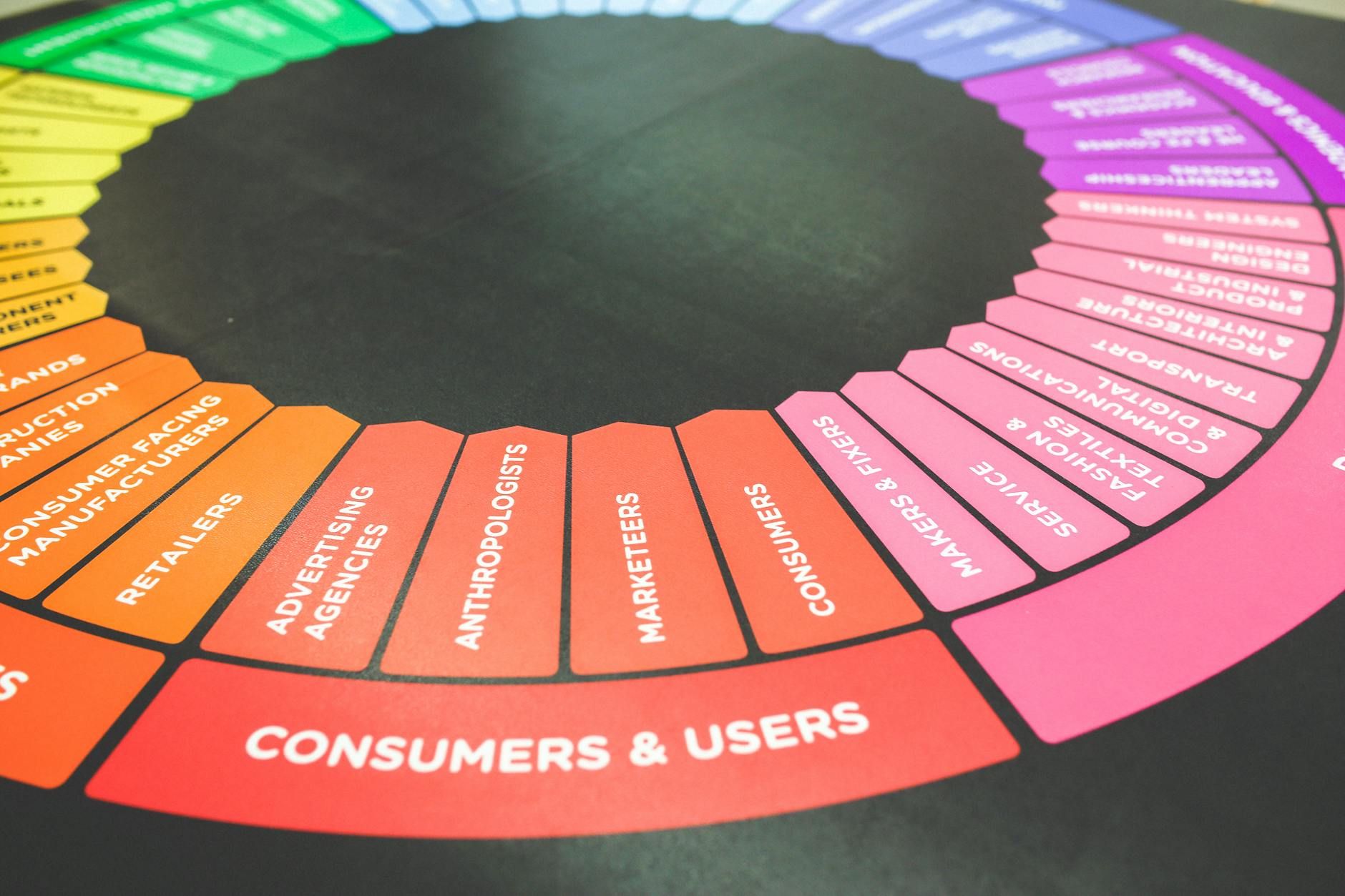
Strategy 1: Begin with an audit of icps to crystallize segments; as icps became clearer, refine positioning and align sales messaging. Capture baseline metrics in your tracking dashboard; assign owners and deadlines; ensure teams have access to the latest tools and playbooks.
Strategy 2: Build a tracking framework that ties marketing touchpoints to revenue. Define 3–5 key events per account, from first visit to closed won, and standardize event naming across channels. Use this data to optimize CAC and forecast pipe below target levels.
Strategy 3: Implement account-based marketing with sales alignment. Create a 12-month ABM plan for top icps, map messages to buying roles, and deploy coordinated outbound, content, and events. Relying on a single channel slows progress; diversify with webinars, direct emails, and targeted ads.
Strategy 4: Invest in technical content that proves ROI. Publish ROI calculators, integration guides, and comparison sheets built for mid-market buyers. Use details from real customers in case studies to shorten cycles and increase attention.
Strategy 5: Optimize paid demand with precise audience targeting on LinkedIn and search. Create icps-based ad groups, test 3 variants per message, and cap frequency to avoid fatigue. Track qualified clicks and downstream conversions to keep CAC in check.
Strategy 6: Build nurture sequences in email and retargeting that move icps through the funnel. Start with problem-aware messages, then introduce use cases, then a clear call to action. Add a quarterly audit of subject lines to maintain open rates.
Strategy 7: Convert event interest into pipeline with live and
Strategy 7: Convert event interest into pipeline with live and virtual events. Run co-hosted webinars for your top icps, capture attendee details, and feed qualified leads to teams. Use post-event emails to reinforce next steps and share tailored messages.
Strategy 8: Strengthen proof with logos, case studies, and customer references. Build a library that sales can cite in conversations and in email sequences. Ensure references reflect different icps and industries and update them quarterly.
Strategy 9: Enable product-led elements for mid-market buyers with controlled trials and feature-rich demos. Offer guided onboarding and in-app prompts that reveal value quickly. Tie activation metrics to marketing goals to show compounding effects over 12–18 months.
Strategy 10: Partner with technology vendors and channel partners for co-marketing. Align joint messages, co-branded assets, and shared events. Measure co-op attribution and ensure icps are reached at multiple touchpoints through each partner.
Strategy 11: Focus on technical SEO and content optimization to reach technical buyers. Build pages around integrations, data flows, and security features that your icps search for. Track organic traffic quality and on-site time as signals of engagement.
Strategy 12: Establish a disciplined, data-driven optimization cadence. Run weekly details reviews, track ICP-specific funnel metrics, and adjust spend based on payback. The compounding effect comes from consistent tests, rapid iterations, and having a clear, measurable roadmap for growth.
Mid-Market Growth in 2026: 12 B2B Marketing Strategies and Agile Iteration

Start today with a tight icps and a 90-day playbook that leads to measurable wins. Define 3–5 target accounts, map their buying committees, and establish weekly reviews to close gaps. Build short, battle-tested messages aligned with business-to-business pain points and link every tactic to pipeline outcomes.
Develop nurturing streams that turn early signals into qualified opportunities. Use short, relevant content touched through multiple channels andor events. Tracking engagement demonstrates which assets move icps closer to a decision and leads to tangible pipeline.
Interviews with customers and prospects deliver fresh insights for icps, messaging, and positioning, capturing 3–5 pain points and mapping them to features. Use quick 30-minute calls to surface more detail, then publish refreshed value propositions that everyone in the team can repeat.
Positioning: craft timeless value propositions that highlight ROI, risk reduction, and operational gains. Use a simple 2x2 framework: ICPs vs. buyers, benefits vs. features. Publicly share this messaging in web copy, sales decks, and landing pages to amplify reach.
Technology stack: deploy a lean toolkit to monitor data on icps and emerging accounts. Establish a single source of truth, use query-based dashboards, and keep a close eye on tracking metrics across campaigns.
Running experiments accelerates learning. Launch 2–3 rapid tests per sprint across email, content, andor paid channels, then decide within 7 days whether to scale. Tie each test to a measurable milestone such as ICP engagement rate, opportunity creation, or deal velocity.
Measuring and iterating: capture tangible results such as
Measuring and iterating: capture tangible results such as qualified pipeline, number of closed deals, and average deal size from the mid-market. Review dashboards today and adjust the plan every two weeks to stay aligned with market needs.
Clarify ICP and map mid-market journeys using real-world data
Define ICP with a data-driven approach and map a mid-market path using real-world signals from each touchpoint.
Three refined personas capture distinct buyer types in the mid-market: Tech Evaluator, Operations Lead, and Finance Sponsor. For each, specify the goal, the struggle, and the primary buying trigger. This gives you targets to tailor messages and content at every stage.
Consolidate signals from CRM activity, product usage, onboarding checkpoints, support requests, and online interactions to build the ICP. The volume of these signals reveals intent and helps shape each persona. Getting clean data requires a single source of truth, with signals from the internet and in-app events feeding the power of your engines.
Consolidate data sources and define a single source of truth:
- Consolidate data sources and define a single source of truth: CRM, product analytics, onboarding, support, billing, and online advertising. Track useful signals and volume, classify interactions by pain point or feature need, and map them to the persona.
- Refine ICP and personas: For each persona, write a concise form that includes goals, struggles, authority, and buying triggers. Use a refined scoring system to decide which accounts to target first. This delivers clarity and a practical foundation for outreach.
- Map staging and content: Outline stages like awareness, consideration, solution-aware, trial, onboarding, and conversion. For each stage, specify the evidence that shows readiness to move forward, the content format to use, and the place where interactions occur (website, in-app, or email). Use templates to keep consistency across teams.
- Create and deploy assets you can reuse: templates for email, in-app messages, landing pages, and sequence scripts. Keep content aligned with the persona and stage, and ensure it supports the target goal of moving the account toward conversion.
- Activate with in-app and online engines: deliver guided onboarding, trial prompts, and proactive support at the right moment. Use interactive elements to reduce struggles and keep momentum for both technical buyers and business sponsors.
- Measure and refine: monitor key metrics such as trial-to-conversion, onboarding completion, and overall volume of engaged accounts. Update personas every 60–90 days, adjust templates, and align budgets with unit economics for ICP-driven campaigns.
This structure yields useful, actionable insights for sales and
This structure yields useful, actionable insights for sales and marketing teams, enabling faster value realization and clearer targeting across internet and online channels.
Launch an ABM program with micro-segmentation and personalized playbooks
Recommendation: Define 6 micro-segments and 4 personalized playbooks, with 3 messages per playbook at different stages; align with sales to ensure quick response and tight handoffs. This approach generated the most valuable engagements early in the cycle.
Rely on a single source of truth by integrating CRM, visited pages, Shopify data, and marketplaces signals. This generated data feeds 3 persona-based scripts per segment, which are designed to keep communications relevant and valuable. Combine product context with pricing and business outcomes to create messages that matter and deliver results. Creating content that aligns with the roadmap helps marketing, sales, and education teams stay synchronized, and this approach ensures replacing generic ones with tailored content until a buyer responds.
Implementation uses a clear cadence: 8 weeks total, with 2 sprints to design segments and playbooks, 2 sprints to build assets and automations, and 1 sprint to run a pilot. Assign a scaling owner in marketing operations; use templates to replace manual work with repeatable processes, turning ones into scalable workflows. Track stages like engaged, qualified, opportunity, and closed-won to observe velocity improvements; improved metrics will validate scaling to new markets.
Example: a mid-market retailer on Shopify can activate a
Example: a mid-market retailer on Shopify can activate a micro-segment of procurement, operations, and category leadership. The playbook delivers targeted emails, LinkedIn InMail, and retargeting ads, with content tailored to inventory, lead times, and compliance. Messages align with where a buyer recently visited product pages, helping move to a meeting faster. The plan relies on education assets and case studies to support conversations at each stage.
Dont skip education; build a 12-week education roadmap with weekly micro-content, including product guides, ROI calculators, and buyer stories. This supports communications across channels and helps shorten cycles. Having ready-to-share assets reduces friction and ensures the most valuable messages reach decision-makers in the right contexts.
Measure success with pipeline contribution from ABM, conversion rate by stage, average deal size, and time to first meeting. Use a dashboard to monitor progress, and iterate on segments, playbooks, and assets; this data-driven approach is effective for scaling into Shopify-powered brands and marketplaces expansions, with generated wins that reinforce the roadmap.
Create a scalable content system: pillar strategy, topic clusters, and repurposing
Start with a pillar page and four supporting clusters now, then repurpose the core content into formats for site pages, webinars, emails, and vendor outreach to move decision-makers toward clear outcomes.
Here, define a category-based pillar that captures the central capability and aligns with the buying process. Assign a clear role for content owners, and set targets for outcomes and access by internal teams. This approach enables enabling collaboration across marketing, product, and sales.
Define pillars by category, ensure each pillar holds one master
Define pillars by category, ensure each pillar holds one master asset and multiple topic clusters. Enable SEO and internal linking, and lock in measurement by the outcomes you want at each stage of engagement. This setup supports complex buyer journeys and reduces content duplication.
During researching pain points, map 4-6 cluster pages per pillar and build a comparison matrix to show where content fills gaps in awareness, consideration, and decision stages. Define what buyers want to know about each pillar, and use software to track topics, owners, and deadlines. Enable a formal process that ensures consistency across formats and channels. Depending on the category, choose a mix of formats to reach decision-makers, via a stack that combines content management andor analytics tools.
Repurposing plan: convert long-form pillar and clusters into formats such as executive summaries, one-page briefs, slides, short videos, podcasts, and interactive tools. This fills more touchpoints and speeds engagement with decision-makers. Each repurposed asset should have a defined outcome and the ability to be moved into a different channel as needed. The result is a library of assets that can be moved between teams with minimal friction.
Process and governance: define the workflow, roles, and responsibilities. Create a weekly sprint for content editing, a monthly review with stakeholders, and a quarterly vendor review to ensure capability and prooving impact. The vendor and internal team rely on data and reporting to prioritize topics and allocate budget. Avoid withdrawing momentum by maintaining a steady cadence and ensuring cross-team interaction.
Pillar Cluster Repurposed Formats Owner Role Timeline (weeks)
| Pillar | Cluster | Repurposed Formats | Owner Role | Timeline (weeks) | Outcome |
|---|---|---|---|---|---|
| Revenue Enablement | Acquisition velocity | Blog post, one-pager, slides, video | Content Lead | 6 | 200 SQLs influenced |
| Operations Efficiency | Onboarding optimization | Checklist, case study, webinar, infographic | Growth Manager | 5 | Time-to-value reduced by 15% |
| Security & Compliance | Vendor risk | FAQ, explainer video, brief | Compliance Content Owner | 4 | RFP win rate up 8% |
Optimize multi-channel demand: paid, organic, and nurture flows with rigorous testing
Publish a unified demand plan that explicitly links paid, organic, and nurture flows, and run a 90-day testing calendar with weekly check-ins.
Sets a single dashboard of cross-channel metrics to keep teams aligned on relevant signals such as qualified leads, pipeline value, and cost per acquisition, so decisions come quickly and are based on the same data.
Paid campaigns: run 4 concurrent tests (creative, landing pages, offers, audience segments) across three networks; expect 8-12% lift in CTRs and 10-15% ROAS uplift to drive efficiency and drive returns.
Organic performance: optimize SEO and content, test two new topic clusters per quarter, measure organic qualified leads and time-to-convert, including creator-generated content to test resonance.
Nurture flows: build multi-step email and SMS sequences; test frictionless form fields; personalize with dynamic content; include retargeting across social and display to reinforce familiarity.
Rigorous testing discipline: use A/B tests for headlines, CTAs,
Rigorous testing discipline: use A/B tests for headlines, CTAs, and offers; run sequential tests; set clear win criteria and track toward a measurable business goal; ideas from experts can help design tests, including creator-generated concepts; this makes each test more actionable and helps reinforce decisions, and the findings were easy to publish.
Cadence and learning: schedule a meeting weekly to review results and adjust plan; publish updates and reinforce next actions so pockets of friction are removed. This wont compromise customer experience.
Competitive angle: monitor competitor campaigns and messaging; identify ways to differentiate; rarely does a single tactic move the needle, so diversify and test alternative value props across large audiences; staying vigilant against shifts helps you adapt.
Decision velocity: if a test yields a meaningful lift in converts or earned pipeline value, shift budget toward the winning set and tighten the form and landing experience to reduce friction; document decisions for stakeholders and align teams around the next milestones.
Journeyhorizon focus: this approach accelerates toward measurable growth across paid, organic, and nurture flows, setting a clear path from awareness to conversion and reinforcing momentum along the journeyhorizon.
Embed Agile Marketing: sprints, rituals, backlog grooming, and rapid experimentation
Start with a two-week sprint cycle and a weekly backlog grooming session. Be focused on 2-3 high-value messages for their icps, publish the first batch of short-form text across channels, and track outcomes in the iteration that follows. Use short messages to test concepts quickly.
Backlog grooming keeps items bite-sized and ready for action
Backlog grooming keeps items bite-sized and ready for action. Use a simple scoring rubric (impact, confidence, effort) to order by expected lift for icps, prune duplicates, and maintain a ready queue of 15-25 items per sprint. This reduces waste and speeds delivery. There is no fluff in these cycles.
Rituals anchor collaboration: daily 15-minute standups, a 60-minute mid-sprint review, and a sprint retrospective. Using buyer interviews ensures the tone matches their concerns, helps connect messaging to their needs, and aligns on channel usage. This will enhance alignment across teams.
Rapid experiments guide growth: in each iteration, run 2-4 small experiments across 2-3 channels. Test solution-aware messaging with 3 variants per ICP, deliver short-form text and longer content where needed, and create guides for reps to reuse; aim to double response rates or engagement. Design messages for similar icps to validate consistency.
Measure with optimization metrics: open rates, click-through, replies, and meetings booked; tie outcomes to forecasted pipeline and growth, and prove ROI by linking activity to ICP-level results. Getting feedback from users helps refine tone and improve connect across touchpoints.
Scale by codifying a reusable playbook: templates for short messages, tone guidelines, interviews notes, and channel guides; publish updates weekly and train teams to adapt to icps that resemble similar profiles; this approach grows reach and consistency. ever improving learnings become guides you can reuse.
📚 More on Social Media Statistics
- B2B Marketing Strategies for Business Growth in 2026 - Proven Tactics & Trends
- How to Future-Proof Your Sales Team with MarketStar - Proven Strategies for Growth
- 10 B2B Customer Retention Strategies That Actually Work - Proven Tactics for Long-Term Growth
- How to Boost Your Blog Traffic in 2026 - Proven SEO Strategies for Growth
- 10 Effective Marketing Strategies for Business Growth
Ready to leverage AI for your business?
Book a free strategy call — no strings attached.


