10 Kat Daha Hızlı Öğrenin - Öğrenmenizi Süper Şarj Etmek İçin Kanıtlanmış Teknikler


Günlük 15 dakikalık aralıklı tekrarlama ve aktif hatırlama oturumuyla başlayın. Bu somut rutin size güvenilir bir ritim ve ilerlemenizin gerçek bir kaydını verir, böylece iyileştirmeleri gün gün görebilirsiniz. Bir notlar uygulamasında veya kağıt üzerinde, test ettiklerinizin ve zorlandıklarınızın kısa bir notunu tutun.
Konu üzerine 5 dakikalık bir beyin fırtınasını, bloglardan veya hızlı gerçek dünya gözlemlerinden iki ila üç pratik örnekle eşleştirin. Ana fikri kısa bir özetle yakalayın ve konsepti izlemek için orijinal kaynağa bağlantı verin.
Soru üretmek ve kendini test etmek için bir yapay model kullanın; bir konuyu bitirdikten sonra, beş ipucunu cevaplayın ve hataları gözden geçirerek anıları pekiştirin.
Chrome uzantıları anahtar terimleri öne çıkarır ve oturumları izler, elevenlabs ise işitsel öğrenenler için net sesli notlar sunar. Okul ortamlarında veya yükseköğretimde, dikkat sürelerine uyacak şekilde blokları ayarlayın. Engellilikler için altyazılar ve alternatif formatlar ekleyerek hızı uyarlayın.
Daha yüksek etkili birkaç uygulamayı not edin: malzemeyi kendi kelimelerinizle yeniden ifade edin, bir konsepti hayali bir kitleye geri öğretin ve daha sonra inceleme için kısa bir özet videosu veya ses kaydı yapın. Nelerin işe yaradığını ve yaramadığını içgörülü bir günlüğe kaydedin.
1 Haftalık Yol Haritası: Mindgrasp vs Geleneksel Çalışma Tekniklerini Uygulama

Haftanızı beş Mindgrasp oturumu ve iki geleneksel inceleme bloğuna bölün, daha hızlı tutma ve gerçek dünya transferini ölçmek için.
Mindgrasp, pasif okumayı aktif geri çağırmaya dönüştürmek için kartlar ve odaklanmış görevler kullanır, birden fazla alanda ve okullarda net ilerleme sinyalleri verir.
-
Gün 1 – Kurulum ve temel seviye
5 alan belirleyin (örneğin: matematik, bilim, diller, tarih, edebiyat) ve her alan için 20 Mindgrasp kartı hazırlayın, toplamda yaklaşık 100 kart. Her kart, temel fikri yakalayan tek bir cümle depolar.
5 adet 25 dakikalık Mindgrasp oturumu ve alternatif günlerde 2 geleneksel inceleme bloğu planlayın, odaklanmayı korumak için oturum başına 3–4 görev dahil edin.
Temel veri kaydedin: her alan için 3 soru sorun ve doğrulukla cevap verme süresini not edin. Bu, yenmek için net bir seviye ile başlattı.
En kolay kazanımları belirleyin ki momentum kazanın; bu, daha hızlı bir başarı kalıbını kilitlemenize ve oldukça uygulanabilir bir ritim belirlemenize yardımcı olur.
-
Gün 2 – Kart türleri ve içerik tasarımı
Çoklu kart türleri kullanın: hatırlama soruları, doğru/yanlış kontrolleri ve uygulama ipuçları. Bu çeşitlilik katılımı ve öğrenme sinyallerini artırır.
Her kartta, kavramı özetleyen kısa bir cümle yazın; netlik için cümleleri 15 kelimenin altında tutun.
Kartları alan ve zorluk seviyesine göre etiketleyin ki sonraki günlerde hedefli inceleme desteklensin.
-
Gün 3 – Sohbet botu destekli quiz
40–60 kart üzerinde quiz yapmak için bir sohbet botu kullanın. Sohbet botu sizi quiz yapacak ve doğru cevapları gösterecek.
Sonuçları basit bir kayda aktarın: tarih, alan, doğruluk ve harcanan süre. Sonuçları daha hızlı görecekler.
-
Gün 4 – Alanlar arası bağlantı
2–3 alandan kavramları entegre etmeyi gerektiren 10 alanlar arası ipucu oluşturun. Bu, esnek düşünmeyi pekiştirir ve bilgi dünyaları üzerinde transferi iyileştirir.
20 mevcut kartı, bir alanlar arası ipucu veya örnek içerecek şekilde güncelleyin.
-
Gün 5 – İnceleme ve iyileştirme
En zorlu 20 kartı inceleyin, onları yeni cümlelere yeniden ifade edin ve sohbet botu veya kendi quiz'inizle yeniden test edin.
İlerlemeyi kaydedin, hangi alanların en hızlı kazanımları gösterdiğini ve boşlukların nerede kaldığını not edin; ustalık seviyesini yukarı itmeyi hedefleyin.
-
Gün 6 – Midjourney ile görselleştirme
Ana kavramlarla eşleştirmek için midjourney ipuçları kullanarak 8–12 görsel özet üretin. Bu görselleri ilgili kartlara ekleyin ki çekici, akılda kalıcı bir ilişki oluşturun.
Kartları güzel ve ayırt edici hale getirmeye odaklanın ki uzun vadeli tutma ve daha kolay hatırlama desteklensin.
-
Gün 7 – İçgörüleri tekrarlanabilir bir modele dönüştürme
Haftanın sonuçlarını, konular ve okullar arasında yeniden kullanabileceğiniz benzersiz bir modele dönüştürün. Bu dönüştürmeye hazır yaklaşım, devam eden pratik için pratik bir şablon görevi görür.
Genel doğruluğu %15–20 iyileştirmeyi ve hatırlama süresini ölçülebilir bir marjla kısaltmayı hedefleyin.
Alanlar arasında devam eden pratik için bir plan hazırlayın ve momentumu korumak için ilerlemeyi haftalık inceleyin.
Net Hedeflerle 15 Dakikalık Günlük Öğrenme Blokları Ayarlama
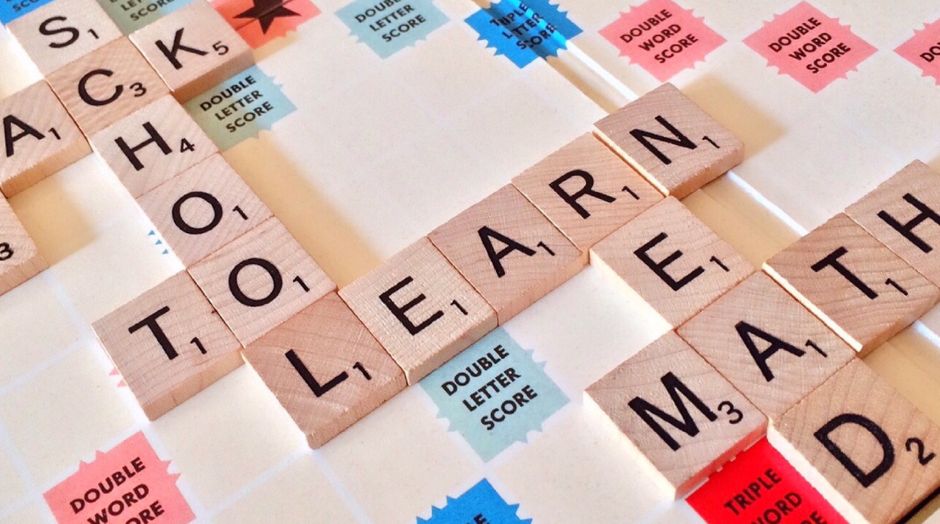
Her 15 dakikalık bloğu, sade dilde yazılmış bir somut hedefle başlatın, ardından 15 dakika için zamanlayıcıyı çalıştırın. Hedefi bir yapışkan notta veya belgelerde görünür tutun ki ilerlemeyi doğrulayın.
Basit Bir Plan-Yap-İncele döngüsü kullanın: tam eylemi planlayın, dikkat dağınıklığı olmadan yapın, ardından öğrendiklerinizi ve ayarlanması gerekenleri inceleyin. Sonraki bloğu yönlendirmek için hızlı geri bildirim toplayın.
Net hedef örnekleri: programlama: tek bir kural ile değeri dönüştüren küçük bir fonksiyon yazın; araştırma: bir makaleden iki ana bulguyu üç maddeyle özetleyin; bilgi: bir kaynaktan ana fikri çıkarın ve iki cümleyle açıklayın; oluşturma: küçük bir proje için tek sayfalık bir plan taslağı çizin. Yapay kısıtlamalar ekleyin: çıktıyı üç maddeyle sınırlayın. Zor kavramları üç kısa cümleye bölerek ele alın ve neyin belirsiz kaldığını not edin. Hesap verebilirlik için bir arkadaşla eşleşebilir ve notlarınızı sonradan paylaşabilirsiniz.
İlerlemeyi hafif bir şekilde izleyin: hedefi, sonucu ve herhangi bir geri bildirimi kaydeden belgelerde kısa bir giriş. Gizlilik için, hassas verileri düz metinde saklamaktan kaçının ve kaynak listenizi güvenli bir konumda tutun. Sıklıkla notlar en çok hangi kaynakların yardımcı olduğunu gösterir, böylece onları daha sonra yeniden kullanabilirsiniz.
Blokları dinamik tutun: okuma, kodlama ve problem çözme görevleri arasında sırayı ve içeriği deneyin; her bloktan sonra bulguları odaklanmış bir sonraki hedefe dönüştürün. En iyi öğrenme sinyalini veren formatlarla deneyin. Bu yaklaşım, 15 dakika istikrarlı çalışmayla bir alışkanlık oluşturur, ki bu günler içinde etkileyici momentum ve gözlemlenebilir sonuçlar verir.
Haftalık ayar: günlüğü inceleyin, kapsamı sıkılaştırmak veya zorluğu artırmak için hedefleri ayarlayın ve programa bir yeni beceri ekleyin. Bir blok çok zor geliyorsa, kapsamı azaltın ve aynı yaklaşımı bir sonraki 15 dakikada daha net bir hedefle yeniden çalıştırın; anahtar tutarlılık ve uygulanabilir sonuçlardır.
Her Konu İçin 20 Hedefli Flashcard Oluşturma: Geri Çağırma Pratiği İçin
Her konu için geri çağırma pratiği amacıyla 20 hedefli flashcard üretmek için özel bir flashcard oluşturucu kullanın. Her kartı, net ipuçları ve kesin cevaplarla hatırlamayı tetikleyecek şekilde tasarlayın. Onları konu etiketli bir sete kaydedin ve öğrenmeyi pekiştirmek için kısa bir quiz rutini planlayın. Bu yaklaşım, özetleri, kitap notlarını ve eğitim planlarınızı çeşitli konular arasında yeniden kullanabileceğiniz benzersiz, profesyonel bir araç kutusuna entegre eder.
- Yapı ve dağılım
- Anahtar terimler ve tanımlar – 5 kart
- Temel prosedürler ve adımlar – 5 kart
- Uygulamalar ve senaryolar – 5 kart
- Yanlış anlamalar ve kenar durumlar – 5 kart
- Her grup için kart örnekleri
- Anahtar terimler ve tanımlar
- Kart 1: Soru: Geri çağırma pratiği nedir? Cevap: Hatırlamayı zorlayarak hafızayı güçlendiren bir pratik yöntemi, pasif inceleme yerine.
- Kart 2: Soru: Aralık etkisi nedir? Cevap: Çalışma oturumlarını zaman içinde aralıklı yapmak, toplu incelemeye kıyasla uzun vadeli tutmayı iyileştirir.
- Kart 3: Soru: Öğrenmede iç içe geçirme ne anlama gelir? Cevap: Bir oturumda farklı konuları veya becerileri karıştırmak, ayrımcılığı ve transferi iyileştirmek için.
- Kart 4: Soru: Öğrenmede metabiliş nedir tanımlayın. Cevap: Kendi düşünme ve öğrenme stratejilerinin farkındalığı ve düzenlenmesi.
- Kart 5: Soru: Arzulanabilir zorluklar nelerdir? Cevap: Anlık performansı yavaşlatan ancak zaman içinde dayanıklı hatırlamayı artıran öğrenme zorlukları.
- Temel prosedürler ve adımlar
- Kart 6: Soru: Her konu için kaç flashcard hedeflemelisiniz? Cevap: 20 kart, dört alt konu veya ipucu arasında eşit dağılımla.
- Kart 7: Soru: Bu kartlar için hızlı günlük iş akışı nedir? Cevap: 10–15 dakikalık bir oturumda cevap verin, ardından aralıklı aralıklarla inceleyin.
- Kart 8: Soru: Minimal ipucu tasarım kuralı nedir? Cevap: Önde doğrudan bir soru sorun ve arkada kısa bir cevap verin.
- Kart 9: Soru: İncelemeleri nasıl zamanlamalısınız? Cevap: Performansa göre uyarlanmış ayarlanabilir aralıklar kullanın (1 gün, 3 gün, 7 gün, 14 gün).
- Kart 10: Soru: Bir kartı cevapladıktan sonra ne yapmalısınız? Cevap: Güveni derecelendirin ve gelecekteki aralığı buna göre ayarlayın.
- Uygulamalar ve senaryolar
- Kart 11: Soru: Birçok tarih ve isim içeren bir konuyu nasıl ele alırsınız? Cevap: Kim/ne/ne zaman odaklı ipuçları oluşturun, ardından sıralama için bir dizi kartı takip edin.
- Kart 12: Soru: Süreç ağırlıklı bir konuya nasıl yaklaşırsınız? Cevap: Süreci 5–6 adıma bölün, her adımı özel bir kartla test edin.
- Kart 13: Soru: Bir kavramda güven düşükse? Cevap: Bir kök neden kartı ekleyin ve yaygın hatalar için hızlı bir kontrol ekleyin.
- Kart 14: Soru: İstisnalar olduğunda? Cevap: İstisnaları ve tanıma ipuçlarını belirten 1–2 kart dahil edin.
- Kart 15: Soru: Özetleri nasıl kullanabilirsiniz? Cevap: Konunun kısa bir özetinden 3 ana fikri soran bir kart ekleyin.
- Yanlış anlamalar ve kenar durumlar
- Kart 16: Soru: Yeniden okuma ustalık için yeterli midir? Cevap: Hayır; hatırlamaya dayalı ipuçları daha güçlü, daha uzun süreli hafıza oluşturur.
- Kart 17: Soru: Yüksek güven ama düşük doğrulukta ne olur? Cevap: Muhakemeyi doğrulamak için bir kart kullanın ve cevabı kontrol etmeyi zorlayın.
- Kart 18: Soru: Yeni öğrenmeden sonra kartları neden güncelleyin? Cevap: Revizyonlar ipuçlarını mevcut anlayışla uyumlu tutar ve bayat ipuçlarından kaçınır.
- Kart 19: Soru: Çok az veya çok fazla kart varsa ne yapın? Cevap: 20 ile başlayın, incelemelerden gelen geri bildirime ve konu karmaşıklığına göre ayarlayın.
- Kart 20: Soru: Özetler görmezden mi gelinmeli? Cevap: Kısa özetleri odaklanmış hatırlama ipuçlarıyla eşleştirerek yapıyı pekiştirin.
- Anahtar terimler ve tanımlar
Optimizasyon ipuçları: Konular arasında tutarlı bir kart stili koruyun, hızlı erişim için tek bir defter veya dijital araç kullanın ve setleri akranlarla veya sohbet botu destekli çalışma arkadaşıyla paylaşmak için aktarın. Mevcut konular için, pratik kapsamı çeşitli ve yapılabilir tutmak amacıyla haftalık 4–6 konu arasında döndürün. Etkiyi maksimize etmek için, bir kitap veya kurs planlarından notları odaklanmış ipuçlarına dönüştürün ve ön ipuçlarını kısa tutarken arka kısımda kesin, kontrol edilebilir cevaplar bulundurun. Aralık, zorluk ve inceleme sıklığını özelleştirme seçenekleri, öğrenme hedeflerinize ve zaman bütçenize uyan bir planı uyarlamanıza olanak tanır.
İlk Geçişten Sonra Aralıklı İncelemeleri Zamanlama: 1 Gün, 3 Gün ve 7 Gün
İlk geçişi bitirdikten sonra üç aralıklı inceleme kurun: 1 gün, 3 gün ve 7 gün. Oturum başına 15–20 dakika ayırın ve yaklaşık 20 hatırlama ipucu veya 10 kısa soru hedefleyin. Bu desen, daha dayanıklı mindgrasp ve gelecekteki çalışma sırasında daha hızlı geri çağırma sağlar. Temaları pekiştirmek ve dili esnek tutmak için kelimeler, görüntüler ve kısa notlar karışımı kullanın.
İlk geçişten 1 gün sonra: temel fikirlere odaklanmış hızlı bir kendi testini çalıştırın. Saniyeler içinde cevap verin, ardından hala sahip olduğunuz üç şüpheyi yazın. Ana noktaları kendi kelimelerinizle çevirerek ve basit bir görüntü veya diyagrama bağlayarak anlayışınızı kontrol edin. Hangi öğeleri kolay hatırladığınızı ve hangilerinin iyileştirmeye ihtiyaç duyduğunu işaretleyen bir belgede sonuçları saklayın. Bu kısa sprint, hala taze iken hızlı geri bildirim sunar ve bilişsel yükü azaltır.
İlk geçişten 3 gün sonra: konular arasında bağlantıları derinleştirin. Farklı temalardan fikirleri birleştiren 2–3 ipucu oluşturun, ardından sesli veya yazılı cevap verin. Merkezi fikri kendi kelimelerinizle yeniden yazın ve ana terimleri ve ilişkilerini içeren bir sayfalık özet ekleyin. Mindgrasp ve uzun vadeli tutmayı artırmak için daha fazla medya türü kullanın–diyagramlar, kısa altyazılar veya hızlı bir eskiz. Hangi öğelerin büyüme gösterdiğini ve hangilerinin hala şüphe uyandırdığını izleyin.
İlk geçişten 7 gün sonra: Yaklaşık bir dakikada sunabileceğiniz kısa bir açıklamayla bilgiyi pekiştirin. Anlayışı doğrulukla ifade eden 60 saniyelik bir metin kaydedin veya kompakt bir paragraf yazın. İsterseniz, geri bildirim için özel bir YouTube klibi yayınlayın veya hesap verebilirliği teşvik etmek için herkese açık tutun. Başlangıç notlarınızla karşılaştırın, fikir deposunu ayarlayın ve en güvenilir anlayış ifadeleriyle kilitleyin.
Pratik kurulum: Güncellemeleri belgelemek ve ilerlemeyi izlemek için tek bir belge tutun. Ortaya çıkan sorunlar için hızlı kontroller zamanlayın, her incelemenin ne kadar sürdüğünü işaretleyin ve zor kelimeleri veya terimleri anlama yeteneğinizde herhangi bir iyileşmeyi not edin. Farklı hatırlama türlerini desteklemek için görüntüler ve metni birlikte kullanın ve süreci minimum sürtünmeyle tekrarlayabileceğiniz kadar basit tutun. Yöntem, öğrencilerin daha sağlam medya okuryazarlığı alışkanlıkları oluşturmasına yardımcı olur ve konuları arasında geri çağırmayı destekler.
Neden işe yarar: Google'ın verileri ve kamu çalışmaları, çeşitli medya ile aralıklı incelemelerin istikrarlı tutmayı teşvik ettiğini gösterir. İçeriğe birkaç gün sonra yeniden döndüğünüzde, zihinsel bağlantıları güçlendirir, şüpheleri azaltır ve ifadeyi iyileştirirsiniz. İlerleme izlerini takip ederek ve kısa özetler yazarak, neslinizin yararlanabileceği somut bir kayıt oluşturursunuz, ister diller, bilimler veya beşeri bilimler çalışın.
Notları Mindgrasp İpuçlarına ve Pratik Görevlere Dönüştürme
Her notu 60 saniye içinde bir Mindgrasp ipucuna ve pratik bir göreve dönüştürün. Notu kişisel veya herkese açık olarak etiketleyin, somut bir format seçin (ev ödevi, araştırma, diller, kod) ve somut bir sonuç talep eden 1-2 cümlelik bir ipucu yazın. Bu, sizi oldukça odaklanmış tutar, çalışma hızını artırır ve çevrimiçi oturumlar için hazır bir ipucu kütüphanesi oluşturur.
Süreci hızlandırmak için şablonlar kullanın. İpuçları aktif olmalı: Açıklayın, Karşılaştırın, Listele, Tasarlayın veya Uygulayın. Her ipucu, pratik bir göreve bağlanır: bir kod parçası, kısa bir rapor veya adım adım plan. Diller için çeviriler, sözlükler veya telaffuz kontrolleri isteyin; araştırma için kısa bir literatür haritası isteyin; halka açık konuşma için konuşma noktaları taslağı hazırlayın. Benzersiz notlar için tasarlanmış Mindgrasp ipuçları, magicschool öğretim stillerine uyar ve öğrenciyi eller üzerinde çalışmayla meşgul tutar.
İpuçlarından görevlere: Pratik bir çıktı seçin: 1 sayfalık rapor, küçük bir kod fonksiyonu, 5 soruluk quiz veya çevrimiçi kaynak listesi. Bu görevler hızınıza uymalı, 15-25 dakikada yapılabilir olmalı ve orijinal nota bağlanmalı. Mevcut araçları kullanın: hafif editörler, kod için sürüm kontrolü ve gerekirse çevrimiçi işbirliği. Bu, katılımı artırır ve ev ödevi, halka açık ödevler ve kendi kendine yönlendirilmiş pratik arasında çalışan kişisel bir araç seti oluşturmanıza yardımcı olur.
| Adım | İpucu Şablonu | Pratik Görev | Çıktı Türü | Zaman |
|---|---|---|---|---|
| 1 | Notu 3 maddeyle açıklayın ve bir gerçek dünya örneği verin. | Ana fikirleri alıntılarla özetleyen 1 sayfalık rapor taslağı hazırlayın | raporlar | 10–15 dk |
| 2 | Kavramı bir projede uygulamak için 5 uygulanabilir adım listeleyin. | Kodlama veya dil görevi için mini proje planı taslağı çıkarın | plan | 15–20 dk |
| 3 | Kavramı gösteren hızlı bir fonksiyon veya iş akışı tasarlayın. | Küçük bir kod fonksiyonu uygulayın ve test edin | kod | 20–25 dk |
| 4 | Notu 2 örnekle herkese açık bir kitle için özetleyin. | 5 dakikalık çevrimiçi öğretim parçası veya mikro sunum hazırlayın | sunum | 15–20 dk |
İlerlemeyi Tanımlı Metriklerle Ölçme: Hatırlama Oranı ve Cevap Süresi
Tavsiye: Her çalışma döngüsüne, iki metrik izleyerek başlayın–hatırlama oranı ve cevap süresi. Her modül için kaydedin ve aylık inceleyerek eğilimleri belirleyin. Bu yardımı çalışmanızı yönlendirmek için kullanın ve görevleri testler ve makalelerin sizin için en iyi çalışanlarla uyumlu hale getirin.
Hatırlama oranı tanımlı: Hatırlama oranı = ipucu olmadan hatırlanan öğe sayısı / test edilen toplam öğe. Bunu modüller arasında izleyin ve tekrarlı incelemelerden sonra hafızanın nasıl istikrara kavuştuğunu izlemek için haftalık ortalama hesaplayın. Format değişikliklerinden kaynaklanan sapmayı önlemek için soru türlerini tutarlı tutun.
Cevap süresi: Cevap süresi, bir öğe göründükten sonra ne kadar hızlı yanıt aldığınızı ölçer. Ortaya çıkmadan gönderime kadar süreyi kaydedin; bir oturum boyunca ortalamayı hesaplayın ve öğe zorluğuna göre ayırın. Yanıt hızı boşluklarının nereden geldiğini ortaya çıkarmak için soru stillerini kullanın.
Somut hedefler belirleyin: Bir ay içinde hatırlama oranı 0.85–0.9 hedefleyin ve basit gerçekler için cevap süresini %15–25 azaltın. Bu aralıklar başlangıç noktalarıdır; öğrenme hızınıza ve web sitelerindeki ve bloglardaki içerik türlerine göre ayarlayın.
Haftalık döngü oluşturun: Makalelerden, görüntülerden ve kısa bloglardan 20–40 öğe çekin, hatırlamayı test edin, yanıt sürelerini zamanlayın ve sonuçları kaydedin. Bir tasarımcı, bir elektronik tablo kullanarak basit bir oluşturucu kurmanıza yardımcı olabilir. Bu, öğrenme kalitesini yükseltmek için önce neye odaklanacağınızın doğru bir göstergesini verir.
Boşluklar için eylemler: Bir modülde hatırlama duraklarsa, açıklamaların oluşturulmasını inceleyin, stillere geri dönün ve boşlukları ortaya çıkarmak için odaklanmış mülakat tarzı sorular kullanarak daha fazla yardım ekleyin. Cevap süresi yüksek kalırsa, aralıklı tekrarı artırın ve yorgunluğu önlemek için oturum uzunluğunu kısaltın, ardından yeniden test edin.
Örnek iş akışı: 100 öğe test edin; %72 hatırlama ve ortalama 18 saniye süre. Hedefli inceleme ile dört hafta sonra, hatırlama %82'ye yükselir ve cevap süresi 12 saniyeye düşer. Her modül için iyileştirmeleri ve genel öğrenmeyi izleyin.
Aylık bir ritimde, aylık bir hedef belirleyin, yardım toplayın ve sonuçlara göre planı ayarlayın. Şüphelerin eller üzerinde notlarını tutun ve hafıza çıpalarını destekleyen makaleler ve görüntüleri koruyun. Bu geri bildirim teklifi, uyumlu kalmanıza ve tutmayı hızla hızlandırmanıza yardımcı olur.
Her oturumda bu iki metrikle ölçerek, neyi ayarlayacağınızın somut sinyallerini elde edersiniz–zaman tahsisi, çalışma stillleri ve hangi web sitelerine veya makalelere güveneceğiniz. Sonuç, devam eden ilerlemeyi destekleyen, yolda kalmanıza yardımcı olan ve daha hızlı öğrenme arzunuza uyumlu daha verimli bir öğrenme döngüsüdür.
Ready to leverage AI for your business?
Book a free strategy call — no strings attached.


