Dijital Analitik Nedir? Yeni Başlayanlar İçin Basit Bir Kılavuz


Şimdi somut hedefler tanımlayın ve ilerlemeyi doğrudan yansıtan birkaç metrik seçin. Arama niyetini, raporlara erişimi ve dönüşüm adımlarını izleyin; çevrimiçi davranışı iş sonuçlarıyla bağlayın.
Veri odaklı bir yaklaşımla, kitleleri uyarlayabilir, kampanyaları yönetebilir ve etkileşimi artırabilirsiniz. Kişiselleştirilmiş deneyimlerdeki artış, iyileştirilmiş tutma ve artan yaşam döngüsü değeri anlamına gelir. Belirtilen kıyaslamalar, yapılandırılmış ölçüm uygulayan ekiplerin daha yüksek dönüşüm oranlarına ulaştığını gösterir ve dönüşüm birden fazla uygulama ve web özelliği genelinde görünür hale gelir.
Çoklu kaynaklardan gelen verileri merkezileştirmek kör noktaları azaltır ve karar verme sürecini hızlandırır. Arama sorgusu etkinliğini site içi olaylar, uygulama etkileşimleri ve çevrimdışı sonuçlarla bağlamak için tek bir gerçek kaynağına erişin. Adobe dahil marka adıyla anılan satıcılar, çapraz kanal kitleleri ve daha akıllı kampanya planlamasını destekleyen entegre veri platformları sunar.
Net veri yönetimi, devam eden dönüşümü sağlar ve ekipler genelinde ölçeklendirme potansiyelini açığa çıkarır. İzinleri yönetmek, gizliliği sağlamak ve veri kalitesini korumak, ölçeklendikçe içgörüleri güvenilir tutar. Güçlü yönetim, benimsenmeyi hızlandırır ve ekipleri reaktif raporlamadan proaktif optimizasyona kaydırmaya yardımcı olur.
Daha ileri giderek, kitlelere yönelik ana sinyalleri izlemek için otomatik uyarılar uygulayın; bu manuel işi azaltır ve ekipleri yorumlamaya odaklanmalarını sağlar, etkileşimde istikrarlı bir artış ve başarılı dönüşüm sağlar.
Role göre uyarlanmış içgörü erişimi. Pazarlamacılar, ürün sahipleri ve bakım ekipleri, ham veriler yerine özlü özetler alır, gerektiğinde karar vermede daha derine iner. Bu yaklaşım karar hızını iyileştirir ve eylemleri iş hedefleriyle uyumlu hale getirir, kitleler ve kanallar genelinde veri odaklı sonuçların faydasını sunar.
Dijital Analitik Nedir ve Neden Önemlidir

Cihazlardan ve bir web sitesinden milyonlarca olayı toplamak için veri odaklı bir uygulamayı benimseyerek başlayın. Analitik, insanların ne yaptığını inceler ve değer sağlayan eylemleri vurgulayabilir. Veriler, ekiplerin takip edebileceği uyarlanmış bir rehberle tek, erişilebilir bir kaynağa paketlenerek dönüştürülebilir.
Neden önemli: Bu yaklaşım tahminleri azaltır ve kararları gözlemlenen davranışlara dayandırır. Cihazlar ve web sitesi genelinde etkileşim, tıklamalar ve dönüşümler gibi çeşitli metrikleri izleyin, ardından her testten sonra sonuçları karşılaştırın. Veri kalitesi önemli olsa da, uygulama genellikle değişikliklerin kaldırma ürettiği yerleri gösterir ve veri kalitesi düşerse sonuçları olumsuz etkileyebilir. Orada kararlar daha hızlı ilerler.
Uygulama adımları: Verilerin cihazlar genelinde yakalandığından emin olmak için web sitenizi Tealium veya Contentsquare ile bağlayın. 3–5 temel veri noktasına odaklanın ve bunları analitik verilere paketleyin, böylece ekipler güvenilir sinyallere dayalı kararları yönetebilir. Değişiklikleri doğrulamak için çeşitli testler kullanın ve sonuçları bir gösterge panelinde kaydedin.
Pratik öneriler: Hafif bir veri katmanı oluşturun, Tealium ve Contentsquare'ı güncel tutun ve haftalık kontroller yapın. Veri kalitesini korumak için rehberinizin takip edebileceği rutinler sunun. Bu yaklaşım, ekiplerin veri odaklı hale gelmesine yardımcı olur ve web sitesi deneyimlerini ziyaretçilere daha uyarlanmış hale getirir.
Veri kaynaklarını izleyin ve yakalayın: sayfa görüntülemeleri, olaylar, kampanyalar, dönüşümler
Başlangıçtan itibaren sayfa görüntülemelerini, olayları, kampanyaları ve dönüşümleri yakalamak için tutarlı bir şema ile etkileşimleri etiketleyen özel bir veri katmanı kurun. Bu yaklaşım belirsizliği ortadan kaldırır, veri bütünlüğünü iyileştirir ve yanlış atfedilen metriklerin risklerini azaltır. Güvenilir bir temel sağlamak, hayal kırıklığını en aza indirir ve ekipler genelinde dönüşümü destekler. Hedefleri hakkında daha fazla netlik olacaktır.
Kaynakları net tanımlayın: Sayfa görüntülemeleri her yüklemeyi izler, olaylar kullanıcı etkileşimlerini kaydeder (tıklama, video oynatma, form gönderme), kampanyalar UTM parametreleri ile trafiği yakalar ve dönüşümler kayıt veya satın alma gibi tamamlanmış hedefleri işaretler. Tek bir adlandırma kuralı kullanın, örneğin olaylar: button_click, form_submit; kampanyalar: summer_sale_2025, net sahipler ve paylaşılan bir terim dağarcığı ile ekipler genelinde karışıklığı önleyin. Bu kurallar, verilerin yolculukları hakkında ne söylediğine bir örnek olarak yardımcı olur.
Verileri veri katmanı üzerinden yönlendirin ki yönetim sınırları içinde kalın ve rızaya saygı gösterin. Kanal, kampanya kimliği, cihaz ve yerel ayar gibi meta verileri ekleyin ki organik vs ücretli, masaüstü vs mobil ve yeni vs dönen ziyaretçilerle sonuçları dilimleyebilesiniz. Bu doğru atıf sağlar ve yinelenen sayımlardan kaynaklanan hayal kırıklığını azaltır.
Kaliteyi artırmak için benzersiz teknikler kullanın: parametre eşleme, olay odaklı etiketleme ve düşük trafik pencerelerinde toplu işleme. İş hedefleriyle uyumlu özel bir etiket yönetim planı koruyun, dağıtımlar sırasında veri kaybı endişelerini azaltın. Küçük, tekrarlanabilir bir dağıtım daha hızlı yinelemeler ve daha temiz bir veri seti sağlar.
Değeri vurgulamak için olgun bir araçla pratik bir örnek benimseyin: Sayfa, kampanya ve dönüşümler genelinde etkileşimleri görselleştirmek için Adobe Analytics kullanın. Sıraları, ödeme akışlarını ve tıklama sonrası davranışı haritalayarak tutmayı artırın. Bu içgörüler, içerik, teklifler ve deneyimleri optimize etme yolunu sağlar, daha yüksek etkileşim ve daha düşük terk oranı sağlayanlara bağlı olarak, ki bu kararları bilgilendirir.
Hedefler belirleyin ve önemli metrikleri tanımlayın
En üst önceliği belirleyin: Gelir, etkileşim ve tutma ile doğrudan bağlantılı 3–5 yüksek kaliteli KPI tanımlayın. Bu uyum, benimsenmeyi net tutar ve markalar genelinde sahiplenme yaratır.
Sağlanan veri doğruluğu tartışılmaz; kaynakları, zaman damgalarını ve tanımları doğrulayın ki sarsıntılı yargılamaları önleyin.
Küçük başlayın ve hedefleri ekiplerin sahiplenabileceği ölçülebilir sonuçlara hızlıca çevirin; ilerleme artımlı olsa da momentumu koruyun. Mevcut verilerle ölçülebilir sonuçlar tanımlayın.
- Yolculukların her aşamasında hedefleri metriklerle eşleyin: edinim, aktivasyon, tutma ve para kazanma.
- Müşteri değeri ve uzun vadeli etkiyi yansıtan metrikler seçin.
- Veri kapsamı kanallar ve markalar genelinde ana olayları kapsamalıdır.
- Modelleme ve segmentasyon teknikleri etkiyi izole etmeye ve veri odaklı olmayan yargılamalardan kaçınmaya yardımcı olur.
- Her KPI'yi izleyen ve veriyi kararları desteklemek ve zamanında hamleler yapmak için kullanan tek bir sahip veya ekip atayın.
- Herkesin anlayabileceği basit bir gösterge paneli oluşturun, sıralamalar ve trend çizgileri ile; iğneyi hareket ettiren içgörülere odaklanın, özellikle daha net eylem sinyali verenlere.
- Deneyim ve hızlı kazanımlar için net bir yol vardır, plan benimsenmeyi içerir ve herkesin takip edebileceği bir ritim vardır.
- Olumsuz çerçevelenmiş sinyaller zamanında kararları tetiklemelidir; eylem tetiklemek için eşikler ve uyarılar tanımlayın.
Hedeflerin temel yolculukları kapsadığından ve markalar genelinde stratejilerle uyumlu olduğundan emin olarak başlayın; bu herkesin odaklanmasına yardımcı olurken sonuçları kanıtlayın.
Veri olgunlaştıkça yineleme için yer kalır, ancak benimsenme hızı istikrarlı kalmalı ve ilerleme hızla bileşik hale gelebilir.
Analitik platformları ve veri toplama yöntemlerini seçin
somut bir planla başlayın: Yazılım yığınınızla entegre olan en iyi analitik platformu seçin ve ana kanalları kapsayın–web sitesi, mobil uygulama ve içerik sistemleri–ve veri toplamayı işiniz için önemli metrikle uyumlu hale getirin, ve bu kaynaklardan veriyi entegre etme planı yapın.
Yazılım yığınınızla doğal entegrasyon sağlayan ve güçlü veri yönetimi sunan bir platform arayın. Adobe Experience Cloud, etiketleme, raporlama ve atıfı kolaylaştırır, pazarlamacılara ve yöneticilere veri toplamayı ustalaştırmada yardımcı olur.
Web ve uygulama olaylarını kapsarken performansı koruyan bir veri toplama planı tanımlayın: Hızlı kurulum için istemci tarafı pikselleri, güvenilirlik için sunucu tarafı etiketleme ve mobil veri için uygulama SDK'larını kullanın. Kitle davranışını ve akışları haritalamak için ana içerik etkileşimlerini de yakalamalıdırlar.
Gizlilik ve veri kalitesi endişelerini, rıza uyarıları, veri temizleme kuralları ve belgelenmiş bir veri haritası uygulayarak ele alın. Bu sapmayı azaltır ve yönetici ile ekip arasında güveni artırır.
Web sitesi, mobil, e-posta ve çevrimdışı CRM'den büyük hacimleri tek bir görünüme getiren bir veri dokusu tasarlayın. Çapraz kanal analizini etkinleştirmek için standartlaştırılmış olay adları ve ortak bir metrik taksonomisi kullanın.
Kurulum planlarken, entegrasyon projesini sahiplenen, pazarlama, içerik ve ürün ekipleriyle çapraz fonksiyonel tartışmaları yöneten ve planı koruyan özel bir yönetici atayın. Paydaş ihtiyaçlarını tartışırlar, raporlama noktalarını hazırlarlar ve hizmet ile araçların uyumlu kalmasını sağlarlar.
Platformları karşılaştırırken, API erişimi, veri modeli esnekliği ve yerleşik raporların derinliğini değerlendirin. Uyarlanmış gösterge panelleri, güçlü güvenlik kontrolleri ve duyarlı hizmet sunan platformları tercih edin; ayrıca ekibinizi dahil etme ve içeriği uyumlu tutma planını düşünün.
Tek bir site alanında pilot ile küçük başlayın, veri kalitesini doğrulayın, ardından ölçekleyin. Veri ekibinize pilot sırasında veri kalitesini doğrulama konusunda el verin, ardından aşamalı bir dağıtım uygulayın. somut bir kontrol listesi kullanın: Paydaşları eşleyin, veri toplama planı tanımlayın, etiketleri yapılandırın, QA testleri çalıştırın ve dağıtım takvimi yayınlayın. Bu yaklaşım, pazarlamacı ve içerik ekiplerinin verimli hareket etmesine yardımcı olur ve yanlış raporlama riskini azaltır.
Temel kalıpları analiz edin: trendler, huniler ve dönüşüm içgörüleri
En üst üç yolunuzu eşleyin ile başlayın: ana sayfa → kategori → ürün → sepet → ödeme, ardından izleme takvimi ekleyin ve sorunları erken yakalamak için %5+ düşüşlerde uyarılar ayarlayın.
Bu yaklaşım trendleri ve hunileri tanımlamaya yardımcı olur; ana metrikleri analiz ederek optimizasyon kararlarını bilgilendiren eyleme geçirilebilir içgörüler elde edin, büyük ziyaret hacmiyle bile.
Gelişmiş segmentasyon, kanal, cihaz ve kaynakla tutmanın nasıl değiştiğini ortaya çıkarır, bütçe ve kaynakları daha verimli tahsis etmek için net fayda sağlar.
Trafik detayları ziyaretçiler, aramalar ve yorumları kapsar; pazarlama ekiplerini kritik yolları ve fırsatları tanımlamada desteklemek için Leadflask ve diğer sinyallerden veri toplayın, içgörüler üzerinde hareket etme yolları.
Bu yaklaşım tahminden daha hızlıdır ve yolculuktaki ana anlara odaklanarak daha hızlı kazanımlar sağlar.
Disiplin tutmak önemli: Huni daha az sürtünme noktası gösterdiğinde ödüller vardır; aşırı yükü önlemek için eşikler tartışın ve bilgili kararları koruyun.
Hangi metriklerin en önemli olduğunu bilin; aşırı yük olmadan veri yönetmek bilgili kararlara ve daha net ROI'ye yol açar; bu küçük değişikliklerin anlamlı iyileştirme sağladığını gösterir.
| Aşama | Ziyaretçiler | Leads | Dönüşümler | Dönüşüm oranı | Eylem |
|---|---|---|---|---|---|
| Ana sayfa → Kategori | 12,400 | 1,120 | 320 | 2.6% | CTA'ları iyileştirin |
| Kategori → Ürün | 9,850 | 860 | 260 | 2.8% | Ürün kartlarını basitleştirin |
| Ürün → Sepet | 3,900 | 540 | 210 | 6.9% | Değer tekliflerini vurgulayın |
| Sepet → Ödeme | 720 | 690 | 530 | 77.1% | Sürtünmeyi azaltın |
Başlangıç gösterge paneli oluşturun: günlük kontroller, uyarılar ve paylaşılabilir raporlar
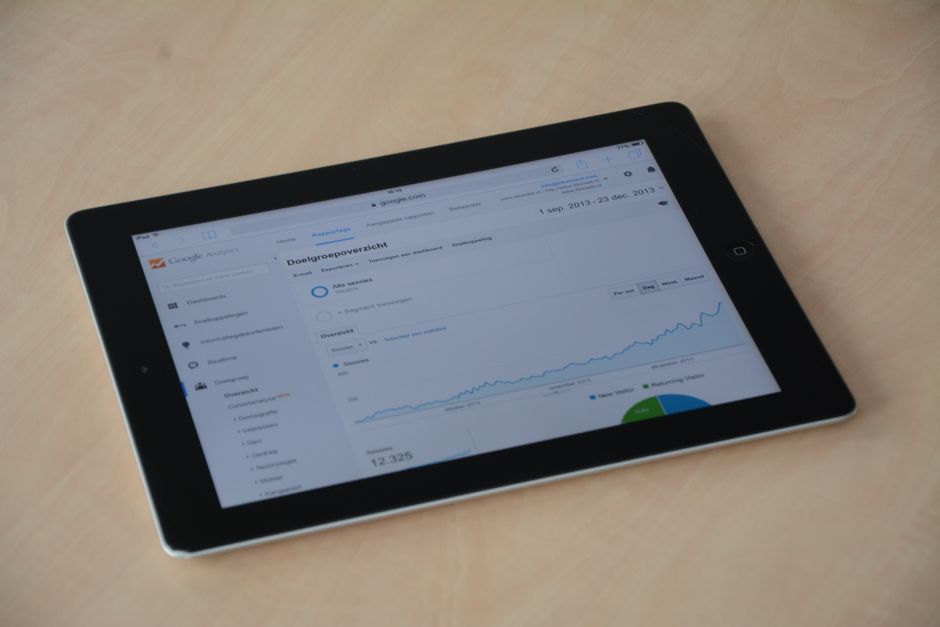
Ziyaretleri, sayfaları ve sonuçları tek bir panelde birleştiren uyarlanmış bir görünümle başlayın ki ekip üyeleri hızlıca görüntüleyebilsin. Ziyaretçileri, yolculuklarını ve müşteri etkileşimlerini günlük izlemek için temeli ayarlayın. Ham sayılar ötesinde bağlam yakalamak için önemli markalara ve deneyimlere odaklanın.
Veri toplama ve mimari pratik olmalıdır: Sayfalardan olayları toplayın, veri ambarında birleştirin ve Leadflask motoruna gerçek zamanlı kontroller için besleyin. Bu derin plan, en ilgili sinyalleri erken yüzeye çıkararak acıyı azaltır, ekibe net fayda sağlar.
Günlük kontroller ziyaret sayıları, ziyaretçiler, görüntülenen sayfalar, en üst kaynaklar, çıkma oranı, ortalama oturum süresi ve hedef tamamlamalarını içerir. Basit bir rutin son 24 saati 7 günlük ortalamayla karşılaştırır, anomalileri vurgular ve eyleme işaret eder. Bu, ekiplerin müşterilerin deneyimlerinde acı noktalarına ve fırsatlara odaklanmasına yardımcı olur. Bu gösterge paneli kritik mikro-yolculuklara odaklanır.
Uyarılar somut değişimlerde tetiklenmelidir: Ziyaretler ortalamanın 2 katı üzerinde ani artış, sayfa görüntülemelerinde ani düşüş, eşik altındaki dönüşüm oranı veya belirlenen yüzde ötesinde gelir değişikliği. Marka tarafından kullanılan bir kanala itme bildirimleri gönderin ve içgörü yolunu keskin tutmak için uyarı kelimelerini özlü tutun. Özlü olsa da, her uyarı bağlam, etkilenen sayfalar ve önerilen sonraki adımları içermelidir. Sistemi yalın tutun; başlangıç kurulumu yardımcı olsa da karmaşık bir yapılandırmadan kaçının.
En son metriklerle otomatik dolduran yeniden kullanılabilir bir rapor şablonu oluşturun, ardından paydaşlara uyarlanmış bir rapor sunun. Tutarlı bir mimari kullanın: Birkaç odaklanmış sayfa, net görseller ve kısa bir yönetici özeti. PDF olarak dışa aktarın veya güvenli bir bağlantı paylaşın, ekiplerin ham verilere erişmeden raporu görüntülemesine izin verin. Belirtilen bölümler sonuçlar, müşteri yolculukları ve marka performansını içerir, ki markalar deneyimlerin iş hedefleriyle nasıl uyumlu olduğunu görebilsin.
Dağıtımı gösterge paneline yükle → dönüştür → yükle yolunun etrafında planlayın. Ana KPI'leri vurgulayan sayfalar oluşturun, özel bir uyarı sayfası ekleyin ve paylaşılabilir rapor kütüphanesini koruyun. Bu kurulum, ekiplere markalar genelinde sayfaları incelediklerinde daha hızlı kararlar ve daha az sürtünme için güvenilir bir ritim vererek fayda sağlar.
Başlangıç gösterge panelini yalın ama ölçeklenebilir tutun: İhtiyaçlar büyüdükçe yeni sayfalarla genişleyen tek bir görünüm koruyun. Sonuç görünüm net ve deneyim farklı departmanlar için kişiselleştirilmiş kalır, ister pazarlama, ürün veya müşteri başarısı olsun. Gelecek haftalar içinde, ekipler triyajda azaltılmış acı fark edecek ve liderlik büyüme için stratejik hamlelere daha net görüş kazanacak.
Kısa bir talep gönderin
Bir teklif görüşmek için sitenizi, hedeflerinizi, kitlenizi ve bütçenizi açıklayın.


