Цифровий брендинг проти цифрового маркетингу - Ключові відмінності та чому вони важливі
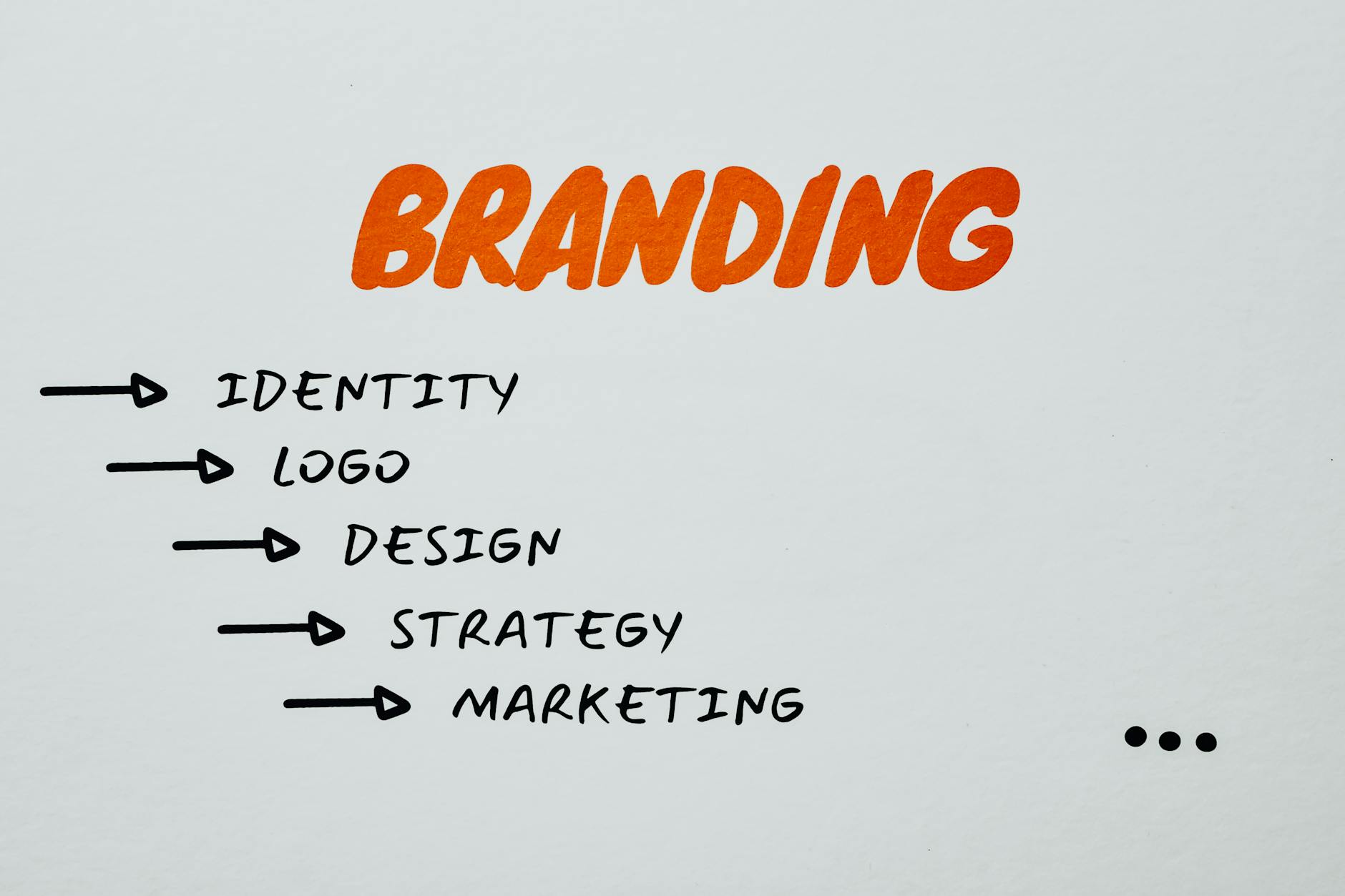

Визначте особистість бренду перед запуском будь-якої ініціативи, орієнтованої на кампанію, узгодьте просування з цією ідентичністю, і ви побачите, як ваша репутація зміцніє, а результати покращаться. Брендинг встановлює тон; маркетинг підсилює його, щоб досягти конкретних аудиторій.
Цифровий брендинг — це довгострокова гра: він включає визначення вашої особистості, побудову довіри та формування того, як клієнти сприймають вашу репутацію. Цифровий маркетинг орієнтований на кампанії, зосереджений на коротко- та середньостроковому просуванні та вимірюваних результатах через канали, такі як платна медіа, email та соціальні мережі. У 2024 році бренди, які працювали над послідовністю через точки взаємодії, побачили підвищення recall на 12–18%, тоді як кампанії, які ігнорували особистість, схильні були недопрацьовувати з аудиторіями. Чіткий крок бренду визначення допомагає платформам оптимізувати витрати на рекламу та покращувати таргетинг аудиторії.
Щоб впроваджувати ефективно, зіставте стовпи брендингу з маркетинговими кампаніями: перемістіть бюджет до ініціатив, які служать довгостроковій репутації, тоді як тести вимірюють результати. Використовуйте інфографіку, щоб ілюструвати тенденції та прогрес, що включає продукти та петлі зворотного зв’язку від клієнтів. Презентуйте чіткі дані, щоб стейкхолдери бачили, як особистість проявляється в кожній точці взаємодії та як тактики були протестовані на практиці.
Беріть дані, які ви вже збираєте — охоплення, залучення та конверсію — і зіставляйте їх з сигналами брендингу. Якщо кампанія генерує кліки, але шкодить сприйняттю, перегляньте повідомлення; якщо креатив підсилює особистість, масштабуйте його через канали. Практичний підхід — узгодити брендинг і кампанії, і, трактуючи брендинг і маркетинг як доповнення, ви можете вимірювати вплив на репутацію та довгострокові результати, а не лише негайні кліки, та тактики, які працювали на практиці.
Практичні відмінності між брендингом і маркетингом
Визначте основну обіцянку бренду та узгодьте вашу пропозицію з нею, потім дозвольте брендингу керувати кожним рішенням.
Брендинг будує довгострокове сприйняття добре через широкі мережі точок взаємодії, тоді як маркетинг генерує швидкі відповіді через різні канали, які допомагають зростанню.
Аналізуйте сигнали від продуктів, послуг та взаємодій з клієнтами; брендинг включає різні сигнали, забезпечуючи послідовний досвід через ці точки взаємодії.
Роль брендингу спирається на добре визначену ідентичність та обіцянку; брендинг базується на згуртованій системі та використовує методи, які підтримують послідовне ядро, тоді як маркетинг використовує кампанії, повідомлення та канали, щоб досягти людей.
У оптимізації доступної інформації та зменшенні тертя через точки взаємодії команди зберігають бренд впізнаваним, тоді як маркетинг тестує та адаптується швидко.
Ось проста рекомендація для застосування: базуйте ваш план на бренді, потім використовуйте маркетинг для конверсії та розширення охоплення; це важливо для успішних результатів.
Сфера брендингу: ідентичність, голос і довгострокове сприйняття

Визначте визначення вашого бренду в одному реченні та узгодьте кожну взаємодію навколо нього. Це зберігає вашу ідентичність послідовною через продукти, ваш магазин та кожну точку взаємодії в роздрібній торгівлі.
Ідентичність спирається на три стовпи: визначення, візуали та поведінку. Почніть з одної лінії заяви, яка відображає, що клієнти повинні відчувати, коли взаємодіють з вами, і дозвольте їй керувати вашим дизайном, копі та сервісом на кожному кроці. Ваше визначення повинно перекладатися в послідовний вигляд, відчуття та підхід, який добре працює як у шопінгу, так і в роздрібних середовищах.
- Визначення, що відображає ваш магазин і продукти; використовуйте його, щоб керувати креативом і копі, щоб основна обіцянка була чіткою з першого погляду.
- Візуальна послідовність через упаковку, вивіски, веб-сайт та взаємодію в магазині, щоб будувати швидке впізнавання, коли клієнти переходять між каналами.
- Стандарти поведінки та взаємодії, що узгоджуються з визначеним тоном, забезпечуючи, щоб кожна точка взаємодії відображала вашу заявлену ідентичність.
Голос і тон
- Голос визначає основний тон вашого контенту — чіткий, корисний та доступний — дозволяючи персоналізацію в рутинних взаємодіях.
- Для досвіду шопінгу та сторінок продуктів (включаючи лінії протеїнів), використовуйте конкретну, орієнтовану на користь мову, яка підтримує швидке прийняття рішень та довіру.
- У каналах як магазину, так і онлайн, зберігайте темп і ритм послідовними, щоб ваша виконавча аудиторія та повсякденні шопери сприймали єдину, згуртовану особистість.
Довгострокове сприйняття
- Довгострокове сприйняття походить від стабільної доставки: кожна взаємодія та історія продукту повинна відображати ту саму ідентичність і тон, щоб підсилювати довіру з часом.
- Розробіть план вимірювання, який відстежує recall, настрій та задоволеність після точок взаємодії; збирайте відгуки від клієнтів та виконавчих стейкхолдерів, щоб забезпечити постійне узгодження.
- Впровадьте шаблони для описів продуктів, рекомендацій щодо упаковки та повідомлень вітрини; підпишіть команди на центральний календар контенту, щоб підтримувати послідовність через канали шопінгу, магазину та роздрібної торгівлі.
Сфера маркетингу: канали, кампанії та короткострокові конверсії
Розподіліть 40% бюджету на платний пошук і 25% на email для швидкої конверсії; ця суміш прискорює короткострокові перемоги, поки ви тестуєте аудиторії перед розширенням на інші канали.
Канали для пріоритету включають платний пошук, email, соціальну рекламу та відео. Кожен канал стоїть як двигун для швидких результатів і дозволяє адаптувати активи до аудиторій, включаючи ретаргетинг. Ця суміш підсилює конкурентну позицію та відображає різні моменти купівлі, допомагаючи командам встановлювати рекомендації для крос-канального повідомлення.
Дизайнуйте кампанії з чіткими, обмеженими в часі цілями. Встановіть рекомендації, проводьте A/B-тести та включайте відео як основний елемент. Вони швидко комунікують ціннісну пропозицію та конвертують інтерес в дію. Перед запуском визначте цілі, пропозицію та заклик до дії, щоб узгодити команди.
Встановлення повторюваної рамки допомагає командам рухатися швидко та залишатися узгодженими з цілями. Вимірювання та оптимізація: визначте KPI, такі як CTR, CVR, CPA та короткостроковий ROAS. Короткі перемоги важливі; відстежуйте за каналом, щоб ідентифікувати, що конвертує найшвидше, і перерозподіляйте ресурси, коли канал виділяється. Наприклад, платний пошук може доставляти CVR 3–7% та email конверсію 4–12% через сегменти; коригуйте бюджети відповідно.
Стратегія контенту: відео — швидкий спосіб продемонструвати користі; тримайте кліпи стислими, додавайте субтитри та використовуйте повторювані шаблони, які керують аудиторіями через платформи. Все, що ви публікуєте, повинно узгоджуватися з рекомендаціями, щоб підтримувати послідовність.
Підсумок: Сфера маркетингу визначає канали, кампанії та короткострокові конверсії, які ви прагнете генерувати. Адаптуйте дії до даних, підсилюйте повідомлення через точки взаємодії та комунікуйте прогрес стейкхолдерам. Встановлення надійного двигуна для швидких перемог, балансуючи довгострокові пріоритети.
Відмінні цілі: побудова капіталу бренду проти генерації негайних продажів
Розподіліть 60% бюджету на діяльність з побудови бренду, зосереджену на репутації та досвіді, і 40% на performance-канали, які генерують негайні продажі. Цей розподіл доставляє стале значення, зберігаючи короткострокові результати.
Чи ви керуєте локальним магазином, регіональним рітейлером чи багатонаціональною компанією, підхід повинен відображати, як їхні аудиторії взаємодіють з вашим брендом через точки взаємодії. Три етапи керують діями: усвідомлення, розгляд, конверсія.
Цей підхід будує постійно зростаюче значення з часом.
Фокус на побудові бренду (60%)
- Мета: створювати тривалі враження, що підсилюють особистість, довіру та лояльність.
- Метрики: репутація, видимість, якість взаємодії, індикатори лояльності; залучення email та метрики утримання відстежують здоров’я відносин.
- Дії: інвестуйте в історії від виконавців та фронт-лайн команд; розробляйте досвіди, які клієнти можуть переказувати; узгоджуйте послуги з локальними потребами; забезпечуйте послідовність через канали.
- Процес: встановіть квартальний огляд активів брендингу, календарів контенту та партнерських програм, щоб тримати наратив згуртованим.
Фокус на performance (40%)
- Мета: генерувати негайний дохід та зменшувати вартість на придбання.
- Метрики: performance, кліки pay-per-click, рівень конверсії, ROAS, зменшення CAC, дохід на канал.
- Дії: проводьте пошукові та соціальні кампанії з чіткими пропозиціями; оптимізуйте лендінг-сторінки та сторінки продуктів; впроваджуйте email-ремаркетинг та потоки покинутого кошика; використовуйте роздрібні партнерства для онлайн-до-офлайн конверсій.
- Процес: налаштуйте тест-витримані креативи, A/B-тести для пропозицій та крос-канальну атрибуцію, щоб ідентифікувати, де походять продажі.
З перспективи управління, тримайте виконавчу команду залученою в огляд метрик здоров’я бренду поряд з дашбордами performance. Їхній внесок допомагає забезпечити, щоб інвестиції в капітал бренду узгоджувалися з корпоративними цілями та очікуваннями клієнтів.
У практичних термінах, балансуючий акт виглядає так: створіть квартальний план, що перериває витрати між категоріями, потім проводьте тритижневі тести, щоб вдосконалити креативи, пропозиції та канали. Результат: підвищена лояльність та зростання повторних покупок, зменшуючи кліки, витрачені на аудиторії, які не цінують ваші активи. Ви побачите їхній вплив як у метриках репутації, так і performance, з сигналами бренду, що стають більш видимими для клієнтів та партнерів, включаючи локальних рітейлерів та послуги.
Відмінності у вимірюванні: метрики брендингу проти метрик performance
Почніть з двоступеневої рамки: відстежуйте метрики брендингу, щоб зростати капітал бренду з часом, і моніторте метрики performance, щоб генерувати результати на найближчий термін. Узгодьте їх з вашою стратегією та забезпечте, щоб потоки даних були спільними через команди, так email, кампанії та партнерства сприяють єдиному погляду. Ця настройка дозволяє вам тісніше з’єднувати бренд і performance, щоб ви могли бачити, як інвестиції в брендинг перекладаються в бізнес-результати.
Метрики брендингу фіксують зсуви в усвідомленні, впізнаванні та ставленні, які можуть не виробляти негайних кліків. Використовуйте aided та unaided recall, scoring salience, настрій та залучення якості, щоб кількісно оцінити прогрес. Деякі бренди проводять квартальні дослідження brand lift та порівнюють проти контрольної групи, щоб виміряти, чи exposure підвищив видимість усвідомлення та сприятливе сприйняття. Залучення з контентом, перегляди відео та взаємодія з email відображають, наскільки добре ви створюєте резонанс з аудиторіями.
Метрики performance пов’язані з доходом та pipeline: рівень конверсії, якість лідів, вартість на придбання, повернення на витрати на рекламу, середнє значення замовлення та дохід на відвідувача. Відстежуйте їх з чітким двигуном, що працює через канали, включаючи платний пошук, соціальні мережі та email. Для досвідів шопінгу, додавання до кошика та завершення checkout слугують якір для оптимізації. Вони керують, як бізнеси інвестують у кампанії та створення передбачуваних сигналів попиту, що рухають пропозиціями та запусками продуктів.
Щоб узгодити брендинг і performance, визначте чітку модель атрибуції та інвестуйте в систему, що підтримує обидві метрики. Використовуйте тести incrementality та holdout експерименти, щоб довести, що exposure брендингу додає lift до конверсій. Цей підхід дозволяє вам бачити, як пов’язані сигнали бренду впливають на рішення шопінгу та залучення через канали, чи відповідають клієнти після точки взаємодії email чи після взаємодії партнерства.
Практичні кроки: визначення, що становить лід проти конверсії для кожної метрики, створення спільного дашборду та забезпечення, щоб команди погоджувалися на визначення. Визначте, що намагається досягти ваше повідомлення пропозиції, узгоджуючи контент з стратегією. Деякі компанії створюють крос-функціональний бриф, що пов’язує цілі брендингу з performance-цілями; цей підхід створює послідовність та розблоковує більш значуще залучення. Регулярні огляди та квартальні оновлення тримають вас у оптимізації двигуна та створенні передбачуваного зростання для ваших бізнесів.
Практичне узгодження: кроки для інтеграції брендингу та маркетингу в кампаніях
Почніть з складання єдиного, орієнтованого на дії брифа, що пов’язує обіцянку бренду з цілями кампанії в реальному часі даних, де б ви планували оптимізувати. Це тримає активи цілеспрямованими та зменшує переписку під час виконання.
Встановіть єдине налаштування для брендингу та маркетингу: визначте основну історію цінності, сегменти аудиторії та локальні кути, що важливі на сьогоднішніх ринках. Зіставте метрики успіху, щоб ви могли розпізнати, коли тактики узгоджуються чи розходяться.
Створіть рамку контенту, що підтримує короткоформатні відео та довгоформатні активи. Забезпечте, щоб кожен елемент виглядав і відчувався послідовно, адаптуючи тон для каналу. Фокусуйтеся на знайомості, залученні та швидкому показі значення. Для короткоформатних, хуки під 5 секунд встановлюють тон, а протеїн-щільна інформація тримає увагу.
Впровадіть карту каналів, що призначає формати цілям: що запускати в соціальних фіддах, що оптимізувати на локальних лендінг-сторінках та що надсилати через email. Це допомагає впроваджувати швидко та тримати історію згуртованою через точки взаємодії.
Дашборди в реальному часі живлять петлю: відстежуйте, що важливо, та ідентифікуйте, що релевантне, таке як залучення, lift конверсії та відносини. Якщо метрика зсувається, коригуйте заголовки, візуали та пропозиції в наступній ітерації, щоб покращити залучення та відносини.
Шукайте силу в послідовності: чіткий логотип, тон та ціннісна пропозиція підвищують знайомість та залучення. Якщо ви тестуватимете варіації, тримайте основну ідентичність недоторканою, щоб більшість оголошень виглядали та відчувалися пов’язаними. Цей підхід надає командам силу реагувати швидко.
Побудуйте легкий виробничий календар, що узгоджується з сьогоднішніми вікнами кампаній та дозволяє швидке впровадження через команди. Використовуйте шаблони для короткоформатного контенту та зберігайте готові до використання відео, які можна адаптувати локально.
Нарешті, розпізнавайте, що резонує в кожному налаштуванні. Для локальних кампаній, адаптуйте повідомлення до налаштування, зберігаючи ядро, та забезпечуйте, щоб відносини росли, коли доставлене значення накопичується.
Контактні дані
Почніть з єдиної, чіткої контактної сторінки, що відображає ідентичність вашого бренду та доставляє реальну онлайн-цінність. Опублікуйте основний email, прямий телефонний номер та AI-керовану форму контакту на тому ж домені, щоб залучати швидко. Ця настройка допомагає конвертувати запити в ліди та тримає ваш тон послідовним через точки взаємодії, роблячи ваш бренд впізнаваним в кожному з’єднанні. Це перетворює контакт на лід.
Встановіть очікування з стислою обіцянкою відповіді: відповіді протягом 1 робочого дня. Їхні повідомлення повинні відчуватися консультаційними, не роботизованими, а маршрутизація повинна базуватися на типі запиту. Для консультаційних запитів, каналізуйте їх до відданої команди та ескалуйте складні потреби, щоб забезпечити швидкий прогрес. Цей підхід тримає багато запитів ефективними та зменшує тертя в клієнтській подорожі, будуючи лояльність через надійну, підкріплену людським фактором підтримку. Він також ставить акцент на engagements з доданою цінністю, що перетворюють інтерес в дію. Цей підхід базується на даних з тисяч запитів.
Канали знаходяться важливими: багато відвідувачів починають через email, а потім переходять до live chat чи телефону за потреби. Узгодьте email, телефон, live chat та соціальні DM з тією ж ідентичністю та чіткою політикою конфіденційності. Використовуйте AI-керовану систему промптів, щоб керувати розмовами, зберігаючи послідовний тон та онлайн-присутність, базуючись на голосі вашого бренду. Ця послідовність підсилює з’єднання та робить легким для відвідувача залучатися знову і знову.
| Канал | Використання | Найкраща практика | Середній час відповіді |
|---|---|---|---|
| Загальні запити; консультаційні запити | Пряма адреса, персоналізоване привітання, SLA 24г | 1 робочий день | |
| Телефон | Пряма голосова розмова | Відповідає навчений представник; логування нотаток дзвінка | Протягом 4 годин |
| AI-керована форма контакту | Захоплення інтересу; маршрутизація до правильної команди | Авто-відповідь з чіткими наступними кроками; збір контексту | Протягом 2 годин |
| Соціальний інбокс | Публічне залучення; швидкі питання | Єдиний тон; посилання на політику та додатковий контакт | Той самий день |
Надіслати короткий запит
Укажіть сайт, цілі, аудиторію й бюджет для обговорення пропозиції.


