Як запустити бізнес з електронної комерції у 2026 році - Практичний покроковий посібник

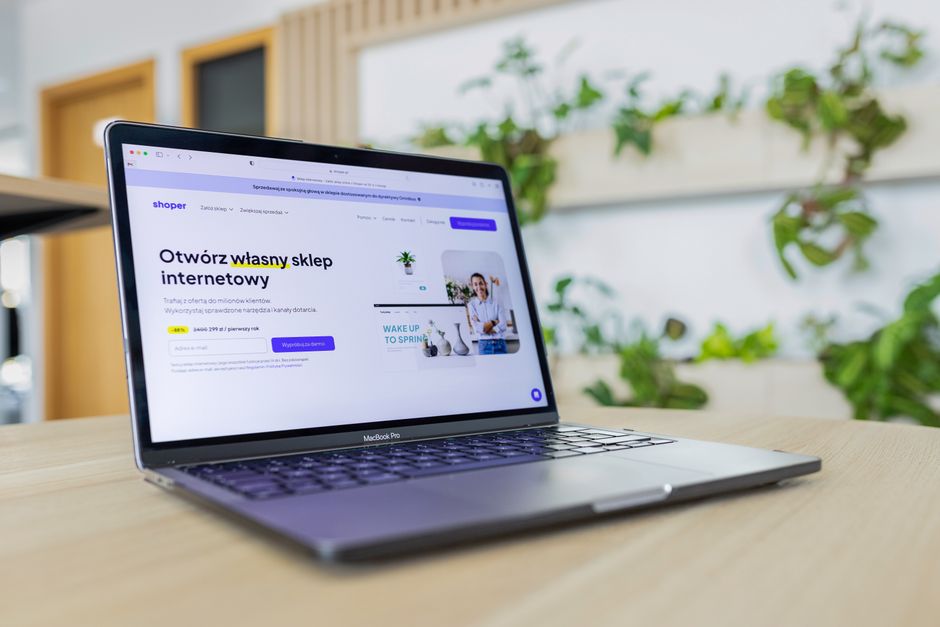
Почніть з фокусованої ніші та перевіреної концепції сьогодні. Перевірте вашу ідею за допомогою даних ubersuggest, щоб виявити товари з високим попитом товари з здоровим наміром до купівлі, та відобразіть переваги ваших цільових клієнтів. Оберіть 3–5 основних продуктів, які добре поєднуються з додатками для підвищення цінності, та сплануйте додаткову лінію, яка збільшує середню вартість замовлення. Початкове вікно купівлі повинно бути вузьким: орієнтуйтеся на сигнали купівлі в перші 4 тижні та будьте готові до зміни, якщо попит зміниться.
Розвийте мережу постачальників з партнерствами, які пропонують надійний запас, вигідні умови та брендовану упаковку. Домовтеся про MOQ, опції дроп-шипінгу та швидкі терміни постачання. Тримайте стислий каталог, щоб зменшити ризик запасів, та тестуйте попит з початковими витратами $500–$2,000, розподіленими між зразками продуктів та першими замовленнями. Ви побачите ранній прогрес, пропонуючи чудову підтримку клієнтів та прозору політику повернень.
Налаштуйте ваш магазин з надійним програмним забезпеченням, яке обробляє платежі, запаси та аналітику. Тримайте сайт швидким, дружнім до мобільних пристроїв, з чіткими описами продуктів та брендовими візуалами. Використовуйте програмне забезпечення для автоматизації маршрутизації замовлень, відгуків та повернень. Плануйте SEO та оптимізацію пошуку на сайті; будуйте масштабовану структуру, яка підтримує зростання каталогу з підвищенням попиту. Адаптуйте пропозиції для різних сегментів та сезонів.
Бумові ринки створюють величезний попит та винагороджують розумний, орієнтований на дані маркетинг. Використовуйте інсайти ubersuggest для націлювання на ключові слова та теми з високим наміром. Запустіть 90-денний план контенту та реклами, та розподіліть 60–70% початкового бюджету на канали, орієнтовані на конверсію. Створіть чудові сторінки продуктів, чіткі фото та захоплюючі набори, які відповідають перевагам клієнтів. Заохочуйте реферали від друзів з простою програмою винагород, щоб прискорити сарафанне радіо та соціальний доказ.
Масштабуйте з дисципліною: додавайте 2–3 нові товари щокварталу на основі даних продажів, тримайте валовий прибуток близько 40–60%, та утримуйте терміни доставки менше 3–5 днів для внутрішніх замовлень. Тестуйте міжнародні розширення повільно та використовуйте партнерства для розширення охоплення. Покладайтеся на побічні проекти, як набори крос-продажів та програми лояльності, щоб підвищити цінність, та плекайте брендований досвід через упаковку, email та підтримку, щоб клієнти відчували впевненість у повторних покупках.
Практичний план запуску бренду електронної комерції у 2026 році
Реєстрація вашого бізнесу та запуск магазину на shopify протягом 14 днів дає вам тестувальну платформу для перевірки попиту та швидкої ітерації.
-
Визначте ваші продукти та стратегію постачання:
- Визначте 4-6 основних товарів з 1-2 варіантами кожен, які задовольняють чітку потребу клієнта.
- Для цих товарів, відобразьте локальний попит за допомогою швидких опитувань та сигналів пошуку, потім порівняйте з подібними продуктами в конкуруючих магазинах.
- Оцініть опції вживаних товарів, де це дозволено, такі як упаковка чи відреставровані компоненти, щоб зменшити витрати.
- Встановіть цільові маржі (основні продукти повинні прагнути 40-60% валової маржі після доставки та податків).
-
Налаштуйте постачання та планування запасів:
- Джерела з 3-5 постачальників, щоб диверсифікувати ризик та домовитися про кращі умови.
- Визначте мінімальні кількості замовлень та точки перезамовлення за товаром, використовуючи простий Excel або Google Sheet.
- Встановіть чіткі вимоги до контролю якості, термінів постачання та обробки повернень.
- Плануйте невеликий буферний запас на 2-3 тижні прогнозованих продажів, щоб уникнути дефіциту.
-
Збудуйте вашу команду, офіс та операції:
- Розподіліть компактну команду: 1-2 співробітники операцій/виконання, 1 лідер маркетингу, 1 представник підтримки клієнтів, плюс 1-2 співробітники за потреби.
- Налаштуйте присвячений офіс або робочий простір в межах досяжності партнерів доставки.
- Документуйте процеси для обробки замовлень, пакування та повернень, щоб спростити ефективність.
-
Запустіть вітрину на shopify та налаштуйте платежі:
- Оберіть чистий, швидкий шаблон та оптимізуйте сторінки продуктів з чіткими фото, стислою графікою та переконливим текстом.
- Інтегруйте гаманці та методи платежів (картки, Apple Pay, Google Wallet), щоб мінімізувати тертя на касі.
- Завершіть необхідні сторінки (політика конфіденційності, умови, політика повернень) та встановіть правила доставки, податки та перевірки шахрайства.
- Підготуйте стислий чек-лист для перевірки налаштувань перед запуском, такий як URL магазину, методи платежів, аналітика та сторінки політики.
- Адаптуйте вітрину для продуктивності електронної комерції з швидким часом завантаження та дизайном, дружнім до мобільних пристроїв.
-
Спроектуйте ваш медіа-план та мікс трафіку:
- Опишіть 90-денний план з бюджетом 20-30% від очікуваного доходу першого місяця на рекламу.
- Використовуйте мікс органічних постів та платної медіа для охоплення аудиторії; створіть основні активи: фото продуктів, короткі кліпи та підказки для контенту від користувачів.
- Співпрацюйте з локальними креаторами або мікро-інфлюенсерами, щоб посилити охоплення, залишаючись економічними та відповідаючи цілям автентичності.
- Визначте можливості для співпраці з локальними партнерами, щоб розширити експозицію та диверсифікувати аудиторію.
- Відстежуйте метрики залучення та конверсії, щоб оптимізувати витрати та креативні повідомлення, використовуючи ці інсайти для ітерації.
-
Аналізуйте продуктивність та оптимізуйте:
- Встановіть KPI: ROAS, CAC, рівень конверсії, середня вартість замовлення та оборот запасів.
- Переглядайте щоденний дохід, витрати на рекламу та цикл виконання, щоб виявити вузькі місця.
- Використовуючи дані, перерозподіляйте ресурси на високопродуктивні товари та зменшуйте увагу до низькопродуктивних.
-
Плануйте бюджет, інвестуйте та масштабуйте:
- Розподіліть кошти на постійну фотографію продуктів, відео та покращення упаковки, щоб підвищити конверсії.
- Реінвестуйте частину прибутків у тестування нових товарів та розширення на нові канали.
- Тримайте на увазі гаманці та витрати на обробку платежів; домовляйтеся про кращі умови з ростом обсягів.
- Встановіть терміни для розширення ролей команди та офісного простору з збільшенням замовлень.
- Інвестуйте в графічні активи та навчання, щоб підтримати стале зростання через канали.
Ці кроки допомагають ефективно перейти від концепції до вітрини, з чітким фокусом на охоплення, продуктивність та стале зростання.
Визначте нішу, цільову аудиторію та ціннісну пропозицію
Оберіть нішу з явними, повторюваними болючими точками та маржами, які підтримують зростання. Визначте 2–3 сегменти аудиторії, які ділять ту саму потребу та готовність платити. Перевірте попит даними з пошуку google, обсягів ключових слів та ранніх реєстрацій. Орієнтуйтеся на мінімальний набір пропозицій, які демонструють відчутні результати протягом 2–4 тижнів та доводять потенціал для прийняття. Тримайте початковий обсяг стислим, щоб захистити прибутковість та дозволити швидшу ітерацію, надаючи кращу базу для зростання.
Визначте цільову аудиторію, створюючи 2–3 персони покупців з демографією, звичками покупок та тригерами рішень. Для кожної персони, відобразьте завдання, які потрібно виконати, та критерії, які запускають покупку. Це включає вибір каналів, які балансують охоплення та витрати за типом акаунту; тестуйте SEO, платний пошук, email та соціальні мережі з чіткими бюджетами. Перевірте вимоги до ліцензування для вашої категорії продуктів та підготуйте необхідні сертифікати чи дозволи. Адаптуйте інфраструктуру та навички для підтримки ранніх пілотів та забезпечте, щоб операція могла масштабуватися з попитом. Цей підхід працює для стартапів та встановлених брендів однаково.
Створіть стислу ціннісну пропозицію, яка говорить до кожної аудиторії: "Для [аудиторії], [продукт] допомагає [користь] за допомогою [причини]." Основна пропозиція повинна підкреслювати високоякісні результати, швидші результати, економію витрат та зменшення праці. Наприклад, наша послуга надає високоякісні інгредієнти та куровані опції, скорочуючи час підготовки та втому від рішень, що стимулює лояльність та повторні покупки. Зворотний інжиніринг прогалин конкурентів, щоб визначити диференціатор, який резонує з вашими клієнтами; це керує пріоритетом функцій та повідомленнями.
Щоб перевірити пропозицію, запустіть пілот з 20–50 акаунтами та відстежуйте прийняття, середню вартість замовлення та утримання протягом 8–12 тижнів. Моніторьте індикатори лояльності, такі як рівень повторних покупок та зростання акаунтів. Використовуйте відгуки від експертів, щоб вдосконалити повідомлення та дизайн продукту. Якщо результати переконливі, масштабуйте пропозицію, зберігаючи мінімальний слід інфраструктури, щоб контролювати витрати та прискорити зростання. Фокусуйтеся на оптимізації кількох SKU спочатку, щоб побудувати повторюваний план.
Монетизація та розширення: розгляньте модель комісії для маркетплейсів або опції ліцензування для партнерів; плануйте глобалізацію, націлюючись на суміжні ринки з локалізованими варіантами. Оптимізуйте ціноутворення та упаковку, щоб максимізувати маржі, залишаючись конкурентними. Пріоритизуйте високоякісні відносини з постачальниками, щоб захистити ціннісну пропозицію та прискорити зростання швидше.
Перевірте попит даними, MVP-каталогом та передзамовленнями
Запустіть 3-тижневий практичний спринт передзамовлень, щоб перевірити попит та зібрати реальні зобов'язання перед великими інвестиціями.
Збудуйте MVP-каталог з 5–12 товарів, які тестують вашу основну пропозицію; тримайте варіанти обмеженими, щоб вчитися швидко та мінімізувати початковий ризик. Використовуйте дропшип для тестування виконання для багатьох товарів без запасів.
У цьому випадку, обмежте MVP-каталог до 6–8 товарів, щоб зменшити складність, поки ви вчитеся швидко.
Аналізуйте сигнали з лендінг-пейджів, реєстрацій email та кампаній через місця, де ваша аудиторія купує. Відстежуйте конверсії, середню вартість замовлення, повторний інтерес та вартість на залучення, щоб керувати рішеннями. Ці дані вказують, де фокусувати кампанії наступними.
Встановіть чіткі пороги успіху: наприклад, ціль 2–5% конверсії лендінг-пейджів, 50–200 передзамовлень або мінімальний дохід від пілоту. Використовуйте ці конкретні числа, щоб вирішити, чи продовжувати, коригувати чи зупинити.
Встановіть прозору політику реєстрації та передзамовлень: комунікуйте терміни доставки, повернення та додаткові умови наперед, щоб бекери знали, чого очікувати.
Вдоскональте MVP-каталог на основі відгуків. Написання стислих специфікацій продуктів, опцій наборів та чітких зображень допомагає вчитися швидко; багато підприємств використовують один флагманський товар плюс 2–3 варіанти.
Плануйте глобалізацію: встановіть оцінки доставки, мита та опції валют; запускайте кампанії в кількох місцях, щоб тестувати попит за межами вашого початкового ринку. Ці дані допомагають вирішити, де масштабуватися.
Наступні кроки: якщо попит виглядає солідним, розмістіть обережний план виробництва з підтвердженнями постачальників, ціль реєстрації в ключових ринках та план для додаткових товарів чи оновлень.
Оберіть платформу, шлюз платежів та заходи безпеки
Оберіть Shopify з Stripe як основну платформу та додайте PayPal, щоб охопити ширші платежі; це налаштування надає простий чек-аут, сильну надійність та підтримує зростання в маркетплейсах та вашій власній вітрині. Просування плавного досвіду чек-ауту є ключем для раннього прогресу та заробітку довіри клієнтів.
Заходи безпеки слідують чітким рекомендаціям: увімкніть TLS/SSL, вимагайте шлюзи, сумісні з PCI DSS, впровадьте 3D Secure для платежів картками та застосовуйте правила перевірки шахрайства. Використовуйте двофакторну автентифікацію для адміністраторів та регулярно змінюйте API-ключі. Графічні панелі надають джерело істини для ризику та допомагають командам коригувати контроли через області, такі як замовлення, акаунти та платежі.
Тримайте cohesive тему через вітрини, використовуючи прості шаблони даних продуктів та матеріали упаковки, які відображають ваш бренд. Адаптуйте повідомлення продуктів з кампаніями через маркетплейси та ваш сайт, забезпечуючи, щоб конкретні переваги були чіткими. Використовуйте графічні активи та джерельні матеріали, щоб залишатися послідовними, контролюючи витрати.
Досліджуйте доступні опції для досвіду чек-ауту: хостингові рішення чи плагіни з прозорим ціноутворенням; тестуйте через ключові області, такі як потік чек-ауту, опції доставки та розрахунки податків. Це підтримує зростання, тримаючи початкові витрати передбачуваними.
Пропонуйте опції готівки, де це доречно, та встановіть чіткі очікування для термінів доставки; це може розширити ваш потенціал заробітку в конкретних регіонах. Відстежуйте, як мікс методів платежів впливає на витрати та коригуйте кампанії, щоб оптимізувати конверсії готівкою.
Експерти рекомендують починати з простої, масштабованої конфігурації та ітерувати на основі даних. Просто тримайте панелі видимими для вашої команди та адаптуйте з прозорим набором рекомендацій. Цей підхід підтримує експерименти, тести та навчання.
Для безпеки надалі, впровадьте доступ на основі ролей, регулярні резервні копії та план реагування на порушення. Просування постійної освіти з конфіденційності даних тримає команди пильними, тримаючи простий, надійний процес, який масштабується з ростом.
Моніторьте потенціал заробітку, аналізуючи вартість кошика, рівні конверсії та вплив різних повідомлень та пропозицій. Використовуйте чітку тему для промоцій та кампаній, та адаптуйте з джерельними рекомендаціями бренду, щоб підтримувати послідовність через канали.
Налаштуйте постачання, управління запасами та виконання (внутрішнє vs 3PL)

Рекомендація: Почніть з стислого внутрішнього налаштування для ваших топ-продавців та партнерствуйте з 3PL, таким як shiprocket, щоб масштабуватися. Це дає вам свободу фокусуватися на продукті, тримаючи витрати передбачуваними та швидкості доставки конкурентними. Залучайте вашу команду в процес: навчайте невелику команду володіти постачанням, прогнозуванням та пакуванням. Цільтеся на 2-3 денну внутрішню доставку для основних SKU, та використовуйте 3PL для обробки переповнення та регіональних хабів.
Постачання: Збудуйте коротку, надійну базу постачальників з оптовиками та прямими виробниками. Перевірте життєздатність, замовляючи малі зразки 5-10 SKU, тестуйте терміни постачання та перевіряйте якість. Домовтеся про MOQ та терміни дроп-шипу, щоб тримати cash flow гнучким. Розгляньте джерела з груп facebook або галузевих медіа, щоб знайти зростаючих постачальників, та використовуйте чудову мережу оптовиків для масштабу, але перевіряйте легальність та сертифікації перед підписанням.
Управління запасами: Впровадьте просту, масштабовану систему. Встановіть точки перезамовлення за SKU, використовуйте сканування штрих-кодів та проводьте квартальні циклічні підрахунки. Just-in-time поповнення зменшує ризик. Тримайте оновлення запасів у реальному часі через ваш магазин та панель 3PL, щоб ви могли перерозподіляти вибори між складами з зміною попиту. Постійно переглядайте безпечний запас на основі сезонності та кампаній.
Опції виконання: Внутрішнє дає швидкість, контроль бренду та легші повернення для основних товарів; 3PL надає охоплення кількох складів, масове пакування та нижчі витрати на доставку. Для багатьох підприємців гібридна модель працює: тримайте високошвидкісні товари внутрішньо та маршрутизуйте повільніших продавців чи міжнародні замовлення до shiprocket або іншого 3PL. Цей підхід зменшує збори та збільшує пропускну здатність.
Операційні кроки: Визначте рівні сервісу з постачальниками, відобразьте маршрути постачання та встановіть KPI для рівня заповнення, точності замовлень та днів на доставку. Адаптуйте план з потребами клієнтів, та відстежуйте вартість за одиницю та зворотну логістику, щоб постійно оцінювати мікс. Це суттєво для масштабу. Використовуйте медіа-канали, такі як facebook, для постів оновлень запасів та запусків, щоб досвіди з клієнтами залишалися узгодженими. Забезпечте відповідність легальності в кожному регіоні. Далі, впровадіть інтеграцію між вашим магазином, порталами постачальників та панеллю 3PL, потім запустіть пілот перед повним розгортанням.
Запустіть стислий маркетинг, воронки конверсій та вимірювання продуктивності
Щоб досягти імпульсу швидко, розподіліть 20% вашого маркетингового бюджету на платні канали в перші 3 місяці, щоб тестувати концепції та вчитися, що резонує з покупцями. Ці практики працюють для численних бізнесів. Результати залежать від ринку, пропозиції та виконання.
Запустіть три експерименти щотижня через google та facebook, щоб тестувати одну лінію пропозицій та повідомлень, з'ясовуючи, який формат резонує, та використовуйте reels для обізнаності, щоб оцінити вплив. Робіть 1-денну перерву щомісяця для перегляду результатів.
Визначте вашу воронку 1) обізнаність через reels та рекламу, 2) інтерес з чіткими поясненнями концепції продукту на лендінг-пейджах, включаючи коротку статтю, яка пояснює концепцію, 3) рішення, підтримане соціальним доказом та справедливим ціноутворенням, 4) дія з спрощеним чек-аутом. Це включає швидке тестування та чіткі сигнали купівлі.
Вимірюйте продуктивність з місячними цілями: CTR, CVR, CPA, ROAS, дохід та рівень повторних покупок; побудуйте просту панель для генерації щотижневих інсайтів та коригування ставок та креативів відповідно. Цей процес включає узгодження витрат з реальним доходом.
Поради дропшипу та e-бізнесу: оберіть кілька товарів з високим попитом, перевірте постачальників та доставляйте протягом 5-7 днів; адаптуйте онлайн-кампанії з локальними місцями та сусідніми магазинами для крос-промоцій, особливо для бізнесів, які прагнуть досягти локальних аудиторій.
Лояльність та утримання: після покупки, запрошуйте до програми лояльності; винагороджуйте повторних покупців та залучайте нових; відстежуйте життєвий цикл значення через когорти.
Дивлячись уперед, якщо ви прагнете рости в конкуренції, тримайте бюджети справедливими та гаманці на увазі; переслідуйте вашу мрію доходу, покладаючись на численні точки даних, коригуючи місяць за місяцем протягом кількох місяців, та обираючи концепцію дропшипу, коли витрати на запаси зростають.
📚 Більше про електронну комерцію та бізнес
- Бізнес дропшипінгу електронної комерції - Як запустити та масштабувати
- Повний чек-лист запуску продукту - Покроковий посібник для брендів електронної комерції
- 10-кроковий SEO-аудит для електронної комерції - Практичний посібник (2026)
- Почніть дропшипінг на Shopify сьогодні - Повний посібник
- SEO електронної комерції 2026 - Повний посібник зі стратегії та тенденцій
Надіслати короткий запит
Укажіть сайт, цілі, аудиторію й бюджет для обговорення пропозиції.


