Аналіз Кано - Пояснення моделі Кано

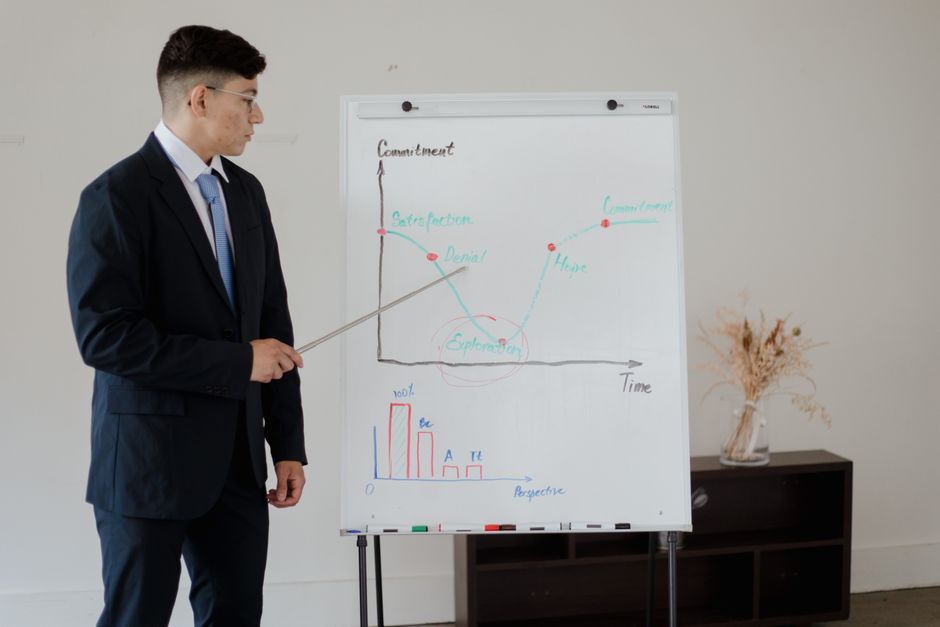
Спочатку визначте драйвери захвату та нанесіть їх на просту матрицю, щоб сформувати наступні кроки. Цей підхід допомагає командам виявляти можливості, одночасно узгоджуючи з обмеженнями ресурсів та дорожніми картами продуктів, щоб уникнути непотрібної роботи та зосередити інвестиції там, де ймовірний вплив найвищий.
Далі класифікуйте атрибути за категоріями залежно від реакції клієнтів: обов'язкові, продуктивні та захоплюючі функції. Ця класифікація визначається шляхом прослуховування клієнтів, ринкових даних та використання в польових умовах. Використовуйте цей погляд, щоб визначити, куди інвестувати в продукти та планувати міграції між наборами функцій.
Оцініть кожен атрибут за шкалою від 1 до 5 за впливом на задоволеність та оцініть, наскільки глибоко зміни змінюють попит. Коли значення розходяться між очікуваннями та продуктивністю, ви можете переприоритизувати. Це допомагає командам вирішувати наступні дії без роздування релізів.
Зосередьтеся на захоплюючих елементах, які стимулюють сарафанне радіо та лояльність, потім порівняйте варіанти в різних продуктах за допомогою матриці. Для компаній, що прагнуть зростання, визначте прогалини між поточною та ідеальною продуктивністю та узгодьте їх з ресурсами та потужностями.
На практиці ця рамка допомагає відокремити основні покращення від дратівливих прикрас, зменшуючи безлад та прискорюючи доставку, постійно узгоджуючи з очікуваннями клієнтів. Вона спрямовує команди до визначення збалансованого поєднання в родинах продуктів та підтримки чіткого, орієнтованого на дані шляху для майбутніх ітерацій.
Класифікуйте функції в категорії Must-Be, Performance та Delighter за допомогою реальних сигналів користувачів
Рекомендація: зберіть контекстуальні сигнали користувачів з п'яти ринків, потім почніть з чернетки парного порівняння, щоб відокремити функції Must-Be, Performance та Delighter.
Від сигналів до категорій
Нанесіть кожну функцію на Must-Be, Performance або Delighter на основі сигналів з різних ринків. Використовуйте парні порівняння, щоб виявити відносну цінність, покладаючись на відгуки, зворотний зв'язок каналів та дані використання для вимірювання сприйнятої корисності, легкості, надійності та емоційного впливу. Сигнали з кількох джерел – включаючи відгуки, зворотний зв'язок каналів та дані використання – вимірюють сприйняту корисність, легкість, надійність та емоційний вплив; структурований підхід до оцінювання використовує ці сигнали. Створіть чернетку класифікаційної матриці, яка поєднує функції з метриками, такими як точність, зміни рік до року та вплив на задоволеність клієнтів. Класифікація, створена з сигналів, покращує контекстне розуміння серед аудиторій; фіксуйте слабкості, виявлені сигналами, та зазначайте необхідні зміни. Інвестиції повинні бути абсолютно узгоджені з перевіреними сигналами; сигнали, які вважаються критичними командами, та пріоритизація повинна відображати ринки, канали та потреби клієнтів. Відгуки та оновлення рік до року допомагають валідувати точність, а одноразові анекдоти можна розглядати як підказки для подальшого вивчення.
Практичні поради для надійних сигналів
Використовуйте п'ять контекстуальних вимірів: різні канали, рік, сегменти клієнтів та ринки. Тримайте чернетки малими, щоб уникнути шуму; ескалуйте одноразові спостереження в структуровані відгуки. Зосередьтеся на змінах функцій, які вирішують слабкості, виявлені зворотним зв'язком, та проводьте парні тести, щоб валідувати, чи рухають зміни клієнтів від сприйнятого болю до захвату. Враховуйте витрати проти очікуваної користі при плануванні інвестицій; абсолютно забезпечте, щоб дії керувалися точністю та надійністю. Складність у плануванні дорожньої карти зменшується, коли класифікація чітко відокремлює обов'язкові необхідності від захватів, та коли розуміння змінюється з новими відгуками, інвестиціями та динамікою каналів.
Перетворіть типи Kano на кількісні бали користі та вплив на користувача
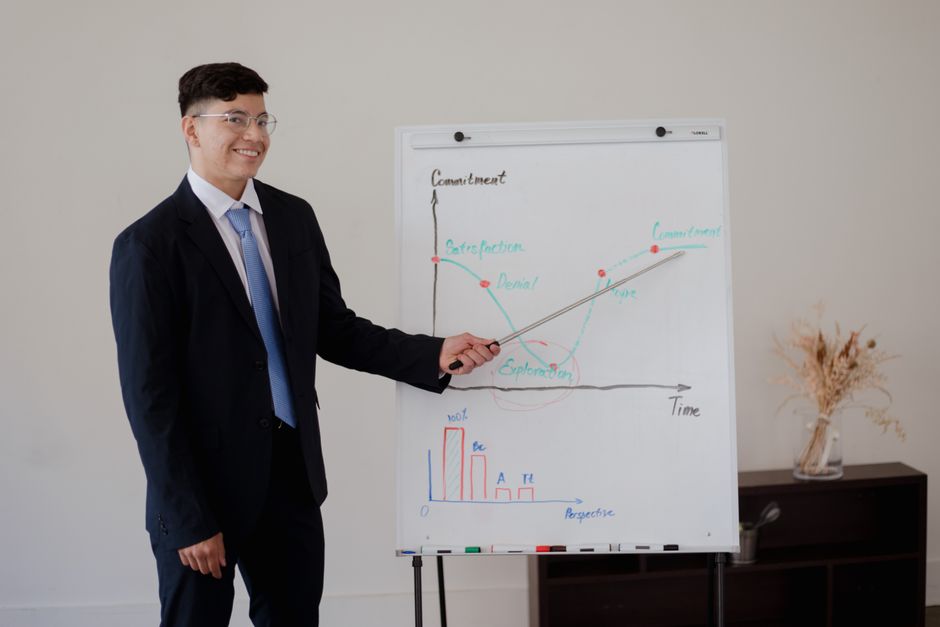
Призначте кількісні бали користі для кожної категорії функцій за допомогою 5-бальних шкал сприйнятої цінності. Це робить користь вимірюваною та підтримує пріоритизацію в потоках.
Аналіз зворотного зв'язку з даних дослідження споживачів допомагає наносити бали на вплив користувача. Зберіть вхідні дані в галузевих контекстах та перетворіть враження на шкали, які виявляють рівні сприйнятої цінності та необхідних зусиль.
Категоризуйте внески в must-have, performance та excitement області, потім застосуйте оцінювання до кожної функції. Використовуйте безкоштовний, повторюваний шаблон для запису балів, пов'яжіть їх з цілями безперервної роботи та відстежуйте потенційний вплив на задоволеність.
Пов'яжіть бали з пріоритизацією, зважуючи зусилля проти цінності; створіть матрицю, яка спрямовує, в які області інвестувати наступними та які пропозиції не потребують бюджету взагалі.
| Feature | Category | Benefit score (0-5) | User impact | Notes |
|---|---|---|---|---|
| Offline mode | reliability | 5 | High | keeps uptime stable in poor networks; strong perceived value |
| Auto-save | functions | 4 | High | reduces data loss; boosts perceived uptime |
| Notifications controls | communication | 3 | Medium | improves feedback loop; supports prioritization |
| Free upgrade trial | offers | 3 | High | drives trials; valuable for consumer study and industry benchmarks |
| Analytics dashboard | insight | 4 | High | helps prioritization of areas based on data |
Поради: застосовуйте цей підхід в сегментах споживачів та рівнях очікувань безперервної роботи; аналіз результатів допомагає зосередитися на скороченні областей та які покращення можна реалізувати безкоштовно зараз.
Оцініть витрати на розробку та зусилля для точного моделювання сторони витрат
Почніть з легкої, аудиторської рамки оцінювання витрат, яка фіксує обсяг, припущення та відстежувані джерела даних, потім розширюйте з цільовими деталями, коли з'являються інсайти.
-
Обсяг та узгодження даних – визначте всі драйвери витрат в виявленні, розробці, інтеграції, тестуванні, розгортанні, навчанні та підтримці. Забезпечте, щоб вхідні дані походили з єдиного репозиторію та були узгоджені зі стратегічними цілями, з документованими припущеннями та відстежуваними відповідно до історичних даних.
-
Категорії витрат та одиниці – розбийте на малі, вимірювані елементи: праця (на особо-годину), інструменти, хмарне хостинг, ліцензії, сторонні сервіси та непередбачені; записуйте витрати в одній валюті; використовуйте різні ставки постачальників, щоб відобразити ринкові реалії; відстежуйте зростання витрат з часом та інфляцію.
-
Підхід до оцінювання – прийміть триточковий метод (оптимістичний, найбільш ймовірний, песимістичний) та пов'яжіть драйвери з простими параметричними відносинами; кількісно оцініть невизначеність з діапазонами та плануванням сценаріїв, щоб виявити мільйони доларів потенційної варіації.
-
Вхідні дані та припущення – покладайтеся на дані, створені з минулих проектів; фіксуйте, припускаючи базові ставки; використовуйте відповідно до внутрішніх бенчмарків; підтримуйте живий глосарій, щоб виявляти патерни в витратах та використанні.
-
Ризики та непередбачені – прикріпіть ймовірнісно-зважені непередбачені до кожного драйвера; відокремте технічний борг, ризики інтеграції та кроки відповідності; додайте шар управління, який зростає з складністю обсягу; моніторте, як зміни запускають зростання витрат та зсувів графіка.
-
Слабкості та сумнівні дані – виявлення слабкостей у джерелах даних; маркуйте сумнівні цифри; плануйте пом'якшення шляхом збору нових даних, проведення малих експериментів або пере-базування з свіжими вхідними, коли потрібно.
-
Деталі оцінювання зусиль – кількісно оцініть зусилля розробки в особо-годинах; нанесіть на цільові ролі; диференціюйте між генералістами та спеціалістами; включайте тестування, огляди та інтеграцію; узгодьте швидкість з потужністю команди, щоб уточнювати оцінки по мірі прогресу роботи.
-
Зв'язок з цінністю – виявте драйвери витрат, які доставляють привабливі результати; перелічіть функції, які збільшують захват користувача; комунікуйте, як інвестиції, що підвищують захоплюючі досвіди, уникаючи надмірності; враховуйте, як технічний борг зменшує довгострокову цінність, та прагніть до захоплюючих повернень на витрати.
-
Припущення та перевірки виявлення – складіть список для перевірки якості даних; коли цифра виглядає сумнівною, позначте її та проведіть швидку валідацію; виявте критичні ланки в ланцюгу та додайте прогалини до лог ризику для швидких дій.
-
План запуску та моніторинг – створіть задокументовану базову лінію бюджету; налаштуйте панелі для відстеження фактичних проти прогнозу; коригуйте припущення, коли обсяг еволюціонує; заплануйте періодичні огляди після віх, включаючи запуск нових функцій та масштабування, де потрібно.
Створіть матрицю пріоритизації на основі Kano для керівництва компромісами між користю та витратами
Рекомендація: Створіть двовимірну таблицю, що наносить користь на витрати, оцінюючи 0–5 на обох осях. Це використовує лінзу користі-витрат для керівництва компромісами, пріоритизуючи елементи з високою корисністю за низькими витратами. Почніть з виявлення сигналів очікувань та пов'язаних атрибутів must-be; вони несуть стратегічну перевагу та повинні реалізовуватися першими, задовольняючи потреби перед захватом.
Кроки побудови матриці
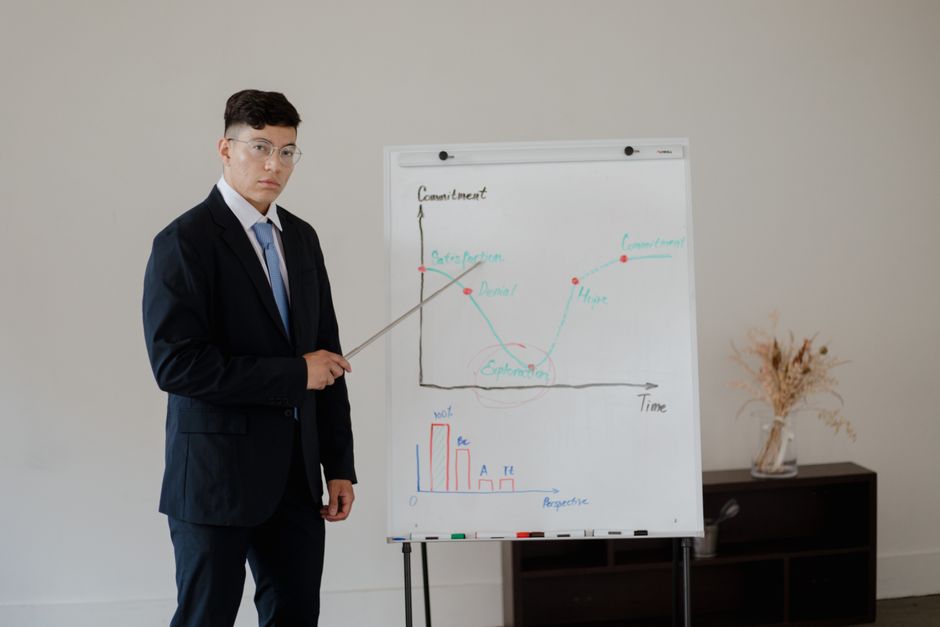
Вхідні дані походять з відгуків, інтерв'ю та логів використання для виявлення функцій та уникнення упереджень. Для кожної функції призначте бал користі (0–5) та бал витрат (0–5). Створіть просту наративну таблицю, яка показує користь проти витрат: елементи-промоутери з'являються в зоні високої користі, низьких витрат; елементи must-be показують високі витрати, але критичні мінімуми; привабливі елементи доставляють захоплюючі результати без важких витрат. Інструменти, використані в оцінюванні, підтримують глибший аналіз та адаптацію; цей підхід показав цінність у пілотних тестах та може задовольняти стратегічні цілі. Команди можуть адаптувати далі.
Результати пріоритизації спрямовують план реалізації: елементи з високою цінністю, низькими витратами реалізуються першими; помірна цінність з помірними витратами може бути запланована в пізніших релізах; проекти з низькою цінністю уникаються, якщо не існує стратегічного впливу чи ризику відповідності. Перед масштабуванням валідуйте з швидким пілотом та коригуйте пороги на основі зворотного зв'язку користувача. Залежності та пов'язані компоненти наносяться, щоб запобігти неузгодженості.
Робочий процес реалізації: призначте власників, складіть короткий список альтернатив, порівняйте варіанти через відгуки та оберіть кроки, що максимізують загальну цінність. Використовуйте легкі інструменти прийняття рішень; проведіть пілот, відстежте прийняття та ітеруйте. Коригування робляться, коли надходять нові дані, та сигнали-промоутери оновлюються, коли з'являється захоплюючий зворотний зв'язок. Ризики та залежності виявляються, щоб уникнути сюрпризів.
Ключові переваги: чіткіша мова для стейкхолдерів, покращена здатність бачити марнувану безкоштовну ресурси та сильніше узгодження між очікуваннями користувача та доставкою. Шляхи, використані для уникнення розростання обсягу, включають явні компроміси та запасні опції.
Формуйте опитування та експерименти: дизайн питань, вибірка та інтерпретація результатів
Почніть з стислого фрейму 8–12 питань, узгоджених з єдиною метою дій, пілотуйте з 50–100 респондентами та використовуйте візуальний зворотний зв'язок для уточнення формулювання перед повним розгортанням. Цей підхід фактично покращує чіткість сигналу.
Дизайн питань
Вибори фрейму повинні відокремлювати must-haves від delighters, уникаючи подвійних елементів. Використовуйте чіткі, інформовані підказки, які виявляють нелюбиме, відсутні функції та захоплюючі очікування. Включіть елементи push-pull, що вимірюють задоволеність проти продуктивності, з явними опціями, як "не є міркуванням", щоб запобігти неправильним висновкам. Використовуйте кілька форматів: шкальні рейтинги, ранжування та бінарні перевірки, щоб захопити різні сигнали. Будуйте питання для адаптації через конкурентів, включаючи неконкурентний базис та бенчмарк у стилі sogocx, дозволяючи аналітиці виявляти, які функції фактично стимулюють зростання. Створення реалістичних підказок допомагає запобігти втомі та покращує якість даних. Поєднуйте питання з візуальними помічниками, такими як слайдери та теплові карти, щоб покращити залучення респондентів, забезпечуючи високі рівні відповідей та збільшення надійності оцінювання. Швидко впроваджуйте пілотні коригування; впроваджені зміни повинні відстежуватися з версіонуванням, щоб мільйони datapoints можна було порівнювати з часом. Забезпечення розуміння респондентами мети та використання даних зменшує упереджені відповіді; надання чіткого обґрунтування для кожної опції знижує плутанину та зменшує неправильні відповіді. Пропонуйте конкурентну перевагу, представляючи прозорий шлях від інсайтів до покращень, надаючи деяку практичну перевагу учасникам.
Вибірка та інтерпретація результатів
План вибірки для відповідності профілям цільових респондентів; забезпечте, щоб розміри вибірки масштабувалися з бажною точністю. Для цільового рівня похибки на рівні 95% довіри прагніть до десятків тисяч у ключових сегментах. Використовуйте стратифіковану вибірку, щоб відобразити демографію та частоту використання. Відстежуйте рівень відповідей та пропуски; моніторте відсутні відповіді та неправильні завершення; коригуйте вагування відповідно. Використовуйте рандомізацію в порядку елементів, щоб зменшити праймінг; ігноруйте ефекти порядку при аналізі результатів. Надайте панелі з візуальною аналітикою: стовпчикові діаграми, теплові карти, візуали лійки, щоб показати оцінювання через функції. Порівняйте проти наборів функцій конкурентів, щоб виявити переваги та можливості для коригування. Впровадіть надійний план оцінювання, що пов'язує результати опитування з бізнес-метриками; створіть пайплайн від збору даних до actionable інсайтів; надайте постійні коригування дорожньої карти продукту. Забезпечте, щоб плани впровадження пов'язувалися з метриками зростання; трактуйте результати як петлі зворотного зв'язку, що інформують, а не просто спостерігають. Коли результати показують мільйони точок даних, запускайте крос-таб аналізи, щоб виявити гетерогенність через сегменти респондентів; ігнорування сегментів призводить до неправильних інтерпретацій. Респонденти повинні бути поінформовані про обмеження та очікувану точність, щоб уникнути переінтерпретації.
Надіслати короткий запит
Укажіть сайт, цілі, аудиторію й бюджет для обговорення пропозиції.


