博客
24 Budget-Friendly Marketing Ideas for Startups Under 024 Budget-Friendly Marketing Ideas for Startups Under $500">

24 Budget-Friendly Marketing Ideas for Startups Under $500

亚历山德拉-布莱克,Key-g.com
由 
亚历山德拉-布莱克,Key-g.com
15 minutes read
博客
12 月 23, 2025

Tip 1: start a customer referral loop with a concrete action and a clear reward to acquire a new customer at minimal cost; this can be full of value when you pin the payoff to the referrer, not just the brand.

Tip 2: think in small, repeatable experiments: test two micro-cunnel variants on social posts, and measure lift in engagement, clicks, and conversions to boost ongoing learning and growth.

Tip 3: consolidate social proof into a single, high-impact page with real, measurable results; use clear headlines, a short customer quote, and one concrete outcome to accelerate trust and action.

Tip 4: launch a two-week email capture with a high-value lead magnet–checklists or templates–that demonstrates value and nudges visitors toward the next action, increasing acquisition efficiency.

Tip 5: design workflows that route new leads to a friendly onboarding sequence; this keeps the funnel clear and ensures consistent touchpoints with minimal manual effort.

Tip 6: participate on quora with precise answers, linking back to a relevant resource page; treat each response as a tiny experiment in authority, traffic, and potential selling of your solution.

Tip 7: build a lightweight content library: one pillar post, three supporting pieces, and a handful of quick tips; this building block supports long-tail SEO and steady growth without heavy spend.

Tip 8: consider hiring a freelancer for a targeted 1–2 day-per-week content sprint; the right creator adds creativity that scales value without bloating fixed costs.

Tip 9: offer a limited-time, action-driven promo that rewards the least friction purchase steps; pair it with a countdown to create urgency and lift conversion rates.

Tip 10: acquire user-generated content by inviting customers to share their use cases; repurpose the best submissions into social posts and a mini-case library to extend reach at low cost.

Tip 11: start a lightweight referral program for partners: offer a shared benefit when their audience converts; this creates a low-friction path to value for both sides.

Tip 12: host a 30-minute live demo or Q&A weekly; this action creates a predictable session cadence, builds trust, and boosts the chance of a sale from curious attendees.

Tip 13: lean into micro-influencers with tight niche audiences; negotiate value-based collaborations and track value delivered, not just reach, to keep campaigns lean and effective.

Tip 14: develop a simple landing page with a single, strong CTA; use a clear value proposition and a single form field to minimize friction and maximize completion rate.

Tip 15: repurpose a high-performing blog post into a series of short social videos and an email snippet; this creativity check helps you extend impact without extra cost.

Tip 16: build partnerships with local businesses for joint demos or bundled offers; a small cross-promotion can drive growth and widen your following without heavy spend.

Tip 17: create a simple customer journey map to identify the shortest path to value; even a good map clarifies where to invest effort and what to automate in your workflow.

Tip 18: scale content creation by pairing a creator with a clear brief and outcomes; this approach keeps the process full of direction while staying within budget.

Tip 19: run a tiny, highly targeted paid test on social platforms; cap spend at a few tens of dollars and measure action rate, cost per acquisition, and lift in traffic to your core value proposition.

Tip 20: build a simple onboarding flow that sends a welcome email in two steps and asks for one action to start; this powerfully guides the user toward the first successful outcome.

Tip 21: use feedback loops with customers to iterate on your messaging; listening carefully ensures your positioning stays relevant and increases long-term growth and value.

Tip 22: curate a following of early adopters by inviting them to beta-test features; their insights form a source of high-value content and social proof.

Tip 23: keep a two-page dashboard of metrics that matter: traffic sources, lead quality, close rate, and revenue impact; this clear view helps you decide where to invest next for steady growth.

Tip 24: document every workflow and automate routine tasks; the power of consistency compounds, letting you focus on high-impact actions that compound value over time.

Startup Marketing Plan Under $500

Choose one local channel, start posting weekly, and track comment, engagement, and signups to guide next steps right away.

  1. Month 1 – Operating baseline

    Identify the local audience: a specific niche within the area. Craft 8 storytelling posts detailing the problem you solve and the value of your productsservices. Publish on two platforms, prioritizing local groups and reddit discussions. Each posting invites a comment and nudges readers to join an email list via a simple opt-in. Month 1 focuses on operating cadence and establishing a compelling local narrative. Compile 4 articles from those posts and repurpose into concise Q&A style pieces. Use sitewwwquoracom to pull relevant questions and craft responses that address real concerns. Track comment counts, posting cadence, and the conversations sparked; aim for 1,000–1,500 impressions, 50 conversations, and 25 signups by Month end. Cadence is two posts weekly. Estimated spend: content creation around 120–180 dollars, light boosts if ROI looks good, total not exceeding five hundred dollars.

  2. Month 2 – Establishing momentum

    Review Month 1 outcomes; identify the top performing platform; double down on that channel. Create two additional posts that expand on customer stories and invite conversations. Engage in comments; plan collaborations with 1–2 local shops to enable cross-promotions. Gather user-generated content and testimonials from customers. Update the articles library with 3 new posts; keep content lean, use storytelling to illustrate benefits; ensure every posting includes a concise productsservices value proposition. Invite readers to join the newsletter with a clear CTA. Run small, targeted boosts on the top platform if ROI remains positive, keeping total spend at or below three hundred fifty dollars. This approach could yield a solid baseline with minimal spend and not impossible to scale further if momentum holds. This set includes several approaches: storytelling, comment-driven engagement, and partnerships.

  3. Month 3 – Scaling and refining

    Expand reach on the top 1–2 platforms, and run a reddit AMA to spark conversations. Post two long replies to high-traffic threads and publish two new articles plus two updates drawn from customer stories. Create a Q&A style post on sitewwwquoracom that answers common questions. Measure opt-ins and engagement; invite the audience to try a limited-time offer. Keep paid boosts limited to fifty dollars. Total budget stays below five hundred dollars. This plan could double momentum; if results stay strong, you could extend reach to a broader radius next month. Right now, this approach is practical and not impossible.

Audit existing assets and map 5 cost-free channels to test first

Audit existing assets now and map 5 cost-free channels to test first; ensure assets align with brands voice, set a 14-day run with clear KPIs, then double down on the winner; keep the budget unused.

Channel 1 – Organic social: publish daily stories and posts on existing profiles; test formats such as quick tips, behind-the-scenes, and local stories, with keyword-optimized captions; schedule with hootsuite to maintain a daily cadence; measure reach, engagement, and page visits.

Channel 2 – Local and community groups: post in local networks and partner channels; stay present in both online and offline spaces; provide value, invite downloads, and collect feedback.

Channel 3 – google presence: maintain a fresh google page with updates and responses; answer questions, solicit reviews, and track impressions, clicks, and directions to your page.

Channel 4 – Website content and SEO: publish a keyword-focused landing page and a short weekly guide; optimize headings and meta tags, and monitor organic traffic, average session duration, and conversions.

Channel 5 – Email and asset download: segment your list, send personalized messages with a relevant download, and request feedback; monitor open rate, click-through rate, and downloads; keep a single, coherent plan.

Track progress in a shared dashboard and compare channels against metrics; if some channel shows traction, allocate more attention; use great creativity to adapt messages and provide access to learnings across teams, then launch updated plans in local markets over time.

Draft a 30-day budget plan: allocate up to $500 across content, tools, and promotions

Draft a 30-day budget plan: allocate up to $500 across content, tools, and promotions

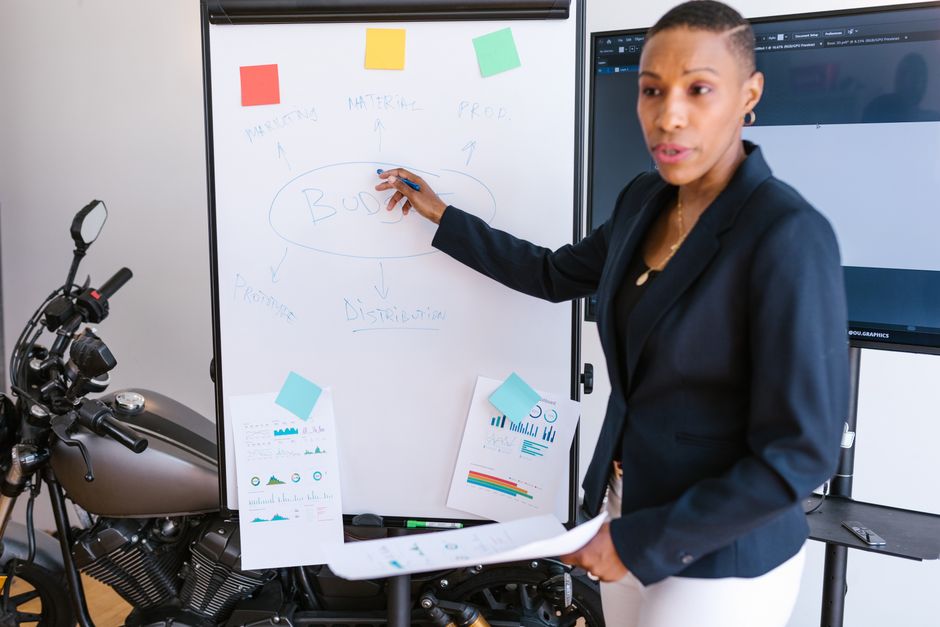
Start with a whiteboard map that moves a tiny team toward a single monthly cadence. Three lanes: content, tools, promotions. Allocate 180 to content, 120 to tools, 200 to promotions, total five hundred; starts with a clear map; founders keep momentum and avoid huge missteps.

What works is concise storytelling. Write 10 micro posts, two long articles, plus two email notes. Use an editor to polish copy; create 2 animated visuals; repurpose assets into short clips to power social reach. Monthly cadence helps customer engagement and signups. The approach keeps them engaged and helps them learn daily experiences with a consistent voice.

Tools lane: 120 budget. Pick affordable options: google Sheets maps and tracking, a lightweight editor, a design tool with templates, analytics to measure reach. Set up auto-workflows so tasks move from idea to publish without friction. theyre essential to stay organized and beat the competition. Keep deadlines visible on the board to avoid bottlenecks.

Promotions lane: 200 budget. Use low-cost channels: email signups, social posts, partnerships with micro-influencers, guest writing on relevant blogs. Build a landing page to capture signups; offer a simple incentive that accelerates early traction. Ensure access to fresh experiences for customer feedback; aim to achieve a winning edge with concise, value-driven messages that feel authentic. Track open rates, click-throughs, and signups; optimize daily to improve outcomes and stay ahead of the competition. Capture customer feedback to refine messages.

Execution and review: a 30-day cycle with daily checks and weekly maps. Over the month, adjust what works; if signups lag, lean toward promotions; if engagement rises, push content harder. dont overextend; stay affordable. Founders keep oversight, while the editor writes quick notes that translate into concrete actions and deadlines that the team follows. theyre smart adjustments reduce waste and accelerate momentum.

Build a 12-post content calendar using repurposed assets and user-generated content

Audit existing assets and assemble a 12-post calendar that repurposes them alongside user-generated content to maximize reach with minimal spend; this makes the impossible become achievable.

Use research to determine intent, then map actions into 12 plans that speak to both new and returning audiences. Keep messaging tight, track results, and adjust in real time to capture more signals.

Post 1: Customer win highlight from a real client as a short video plus testimonial image; messaging centers on how the solution solves a key pain for them; include a small reward accompanying comments and a clear link to the website.

Post 2: Turn a detailed blog post into a 60-second reel plus a carousel; include concise messaging and slide copy; add a link to the full article on the website.

Post 3: Invite customers to share how they use the product; spin these micro-stories into short tutorials and quotable cards; emphasize value in every slide.

Post 4: Run a quick poll that reveals intent and preferences; use regular prompts to collect feedback.

Post 5: Behind-the-scenes reel from product development; spin in a short clip from a forthcoming webinar to drive interest; test different approaches to engagement.

Post 6: Carousel of three use cases with outcomes; show how large businesses benefit; include a strong value proposition and a link to services.

Post 7: Mini case study video with a customer quote; highlight outcomes, and include a link to the full study on the website.

Post 8: Collaboration with micro-influencers sharing authentic experiences; document their feedback; marketer tips emphasize credibility; invite to join discussions; track performance.

Post 9: Compile customer feedback into graphic cards; invite others to share their thoughts; this supports social proof and regular engagement.

Post 10: How-to guide around product usage; emphasize practical steps and value; link to services page.

Post 11: Announce upcoming webinars, with registration link; outline topics, schedule, and the winning outcomes expected; likely strong turnout.

Post 12: Weekly recap showing how content mix compounds reach; turn readers into subscribers on the website; provide a call to action to join the list; this becomes a scalable loop.

Launch micro-influencer outreach: contact 6 micro-influencers with a concise pitch and templates

Launch micro-influencer outreach: contact 6 micro-influencers with a concise pitch and templates

Contact 6 micro-influencers whose audience matches ours using concise pitch templates below. Build a research map to double early exposure, based on niche, engagement, and audience alignment. Leverage years of data to refine a target list and form smaller groups of creators. Offer access to product samples, an animated narrative for a first post, and user-generated content options on our website. Set a 5-day deadline on replies, then select 2 partners to join the launch. Test two message variations as a quick A/B check. Track minimum engagement, quality of reviews, and rates, then optimize monthly based on results. Goal: authority, fast gains from consumers, and a bang in reach with a successful first wave. Set monthly deadlines on reviews.

Template 主题 Body
Template 1 Quick collab on [Product] aligned with your audience Hi [Name], I’m [Your Name] from [Brand]. Your content in [niche] resonates with our target audience. We propose a concise collaboration: product access, 1-2 posts, and rights to reuse results as user-generated content. In return, we offer a simple incentive and a performance-based bonus. If this aligns, reply by [date] to confirm a 2-post brief and a 2-day turnaround plan.
Template 2 5-minute script + UGC kit accompanying your next post Hey [Name], quick idea: we supply a 60-second animated narrative script plus UGC kit. You publish 1 post or 2, we share a small commission and credit on our site. We’ll provide product access, a look at analytics, and post-campaign reviews. If you’re interested, reply by [date] with preferred rates and a 2-day content plan.
Template 3 Value share: early access to [Product] and content collaboration Hello [Name], value-first pitch: early access to [Product], a quick brief, and flexible content rights. We propose 1-2 posts, cross-promotions across our channels, and a monthly update on performance metrics. You keep rights to your original caption, we gain an honest review, and you join an approved group of creators. If this matches, reply by [date] with your rates and preferred formats.
Template 4 2-step outreach: quick win with [Product] Hi [Name], short plan: product access, 1 post in your feed plus a story, plus an animated teaser on our side. We’ll provide a simple content brief and minimum guidelines. You share results, we publish a joint review with a consumer-focused narrative. If this fits, reply by [date] to lock a 3-day content window.
Template 5 Quick follow-up: potential collaboration with [Brand] Hi [Name], this is a follow-up about a potential collaboration. We aim to create high-quality content with your group. We provide a UGC kit, guidelines, early access to new features, and a cross-post plan. You can join 1-2 monthly posts, and we share reviews and audience feedback with your audience. If this aligns, reply by [date] to discuss compensation and content plan.
Template 6 Collaboration outline + 2-day content plan Hello [Name], here’s a brief outline: product access, 1-2 posts, and a 1-minute animated narrative. We use your authentic voice, give credit, and supply a clear call-to-action. We’ll track performance with a shared dashboard and monthly reviews. If this matches your pace, reply by [date] to set deadlines and next steps.

Hire a virtual social media manager: implement a 9-step screening, trial, and onboarding routine

Step 1 – start by defining ICPs and outcomes: specify target audiences, posting cadence, traffic targets, and engagement rates. These maps to icps: impressions, clicks, saves, and conversions; set a realistic month-long target to beat competition with measurable results. Use a shared word list to ensure consistent terminology. youre building a scalable system.

Step 2 – craft a screening rubric: must-have in writing, copy, and creative sense; include a 150-word sample, a direct email draft, and a 1-page brief that tests tone across channels. Use a shared word list to maintain consistency; if needed, provide an alternative sample to test flexibility.

Step 3 – collect portfolios and run short screening calls: focus on site writing, social copy, and creative sensibility. Request two references; require an alternative content plan if realities shift, ensuring the candidate can pivot quickly.

Step 4 – trial project: deliver 5 posts plus 1 flyer and a direct email sequence. Provide a 2-day deadline; include notes on posting times, hashtag strategy, and call-to-action optimization. This trial tests consistency with brand voice and the ability to meet deadlines.

Step 5 – assess outcomes with simple metrics: traffic, engagement rates, saves, and icps. Compare against baseline; note likely improvements across the month and adjust expectations accordingly.

Step 6 – live test on a small account: lasting 2 weeks, track replies by email and direct messages; test responsiveness across time zones; keep logs of response times and respect deadlines.

Step 7 – interview for communication, collaboration, and approaches: assess how they handle feedback, meetups, and cross-team coordination. Present a 1-page workflow that shows how they tackle spikes in activity and crisis messages.

Step 8 – onboarding: grant access to accounts, calendar, and a living style guide. Provide SOPs, templates for copy and visuals, a content calendar map, and a short training module; establish a weekly check-in to review progress and preserve helpful momentum.

Step 9 – decision, contract, and initial reward plan: align rates with scope, outline milestones, and tie a reward to outcomes. Offer a 30-day ramp, a renewal option, and a clear conclusion that this person becomes a core component of the growth runs, with selling opportunities and a path to scale.