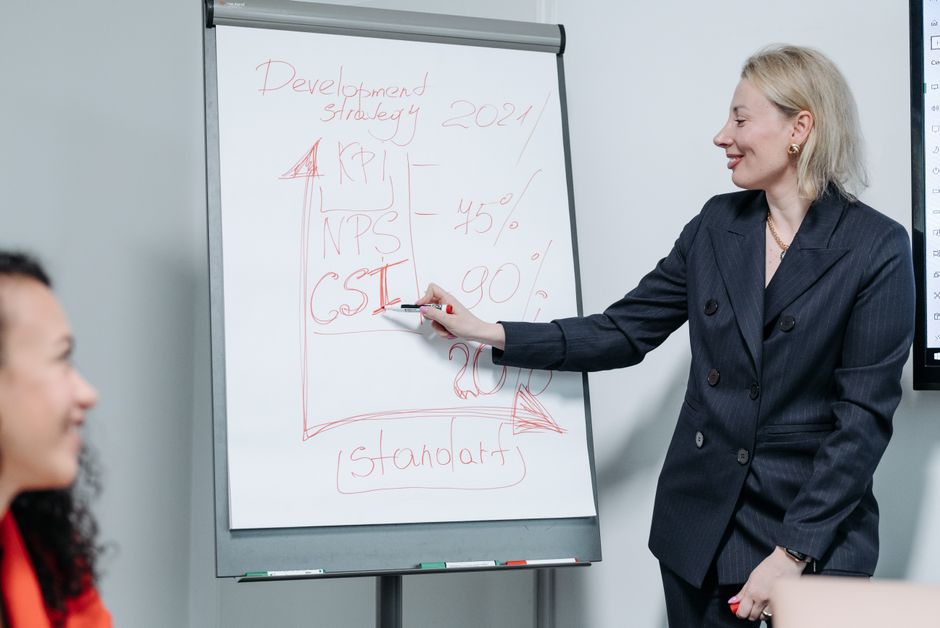
Recommendation: 使用 OKR 来设定雄心勃勃的 3-6 个月目标,并将每个目标与 2-3 个 KPI 配对,以跟踪结果。这可以简单地推动团队之间的一致性,支持周期,并在快节奏的增长世界中控制风险。在现代公司的背景下,这种优化驱动可以帮助您在保持透明和专注的同时实现增长。它平衡了定性和定量的洞察力。.
目标与关键结果 设定具有可衡量关键结果的有远大目标的定性目标,同时 KPIs 是追踪表现的定量指标。当一起使用时,, both 框架提供清晰度: OKR 回答‘我们要去哪里?’,KPI 回答‘我们如何知道我们正朝着正确的方向前进?’
实际操作:将每个周期的 OKR 限制为 3-5 个目标,每个目标限制为 2-4 个关键结果。 对于 KPI,每个职能部门保持 6-12 个指标,混合使用预测结果的领先指标和确认结果的滞后指标。 每季度审核 OKR,每月或每两周审核 KPI; 适当时,将 70% 的激励措施与 OKR 的进展挂钩,将 30% 的激励措施与 KPI 里程碑挂钩。 使用优化视角快速更换表现不佳的指标。.
选择合适的平衡需要一个可扩展的轻量级框架。在雄心和自律之间存在平衡;使用定性反馈来捕捉客户影响,并使用KPI来监控运营健康状况。确保公司内部通过共享节奏保持一致;让个人和团队参与到计划会议中,以提高主人翁意识和鼓舞团队,从而让他们保持激情并且专注。在这种设置下,风险会在盲目追求目标之前尽早显现,团队可以更快地调整方向。.
行动步骤:将此备忘单导出到您的规划周期中。定义 OKR,映射 KPI,分配负责人,以及安排评审。使用评审来促进学习、优化周期,并抛弃信息孤岛。邀请个人和团队来贡献、分享见解,并保持公司的发展势头。这种务实的方法驱动团队成长,在一个团队以结果和速度竞争的世界中。.
人力资源中的 OKR 与 KPI: 实践区别与用例

为人力资源部门设定明确的目标,并将宏伟的成果与精确的衡量标准相结合。 使用 OKR 来驱动变革,并使用 KPI 来衡量执行情况。.
- 目的和重点
-
OKRs 强调做重要的事情并实现期望的改变。它们侧重于结果,而不仅仅是活动,并且帮助决策与最重要的事情保持一致。KPIs 衡量持续的健康状况和产出,提供一个数字来表示稳定周期内的表现。.
- 节奏与规划
-
OKRs按照既定的节奏(通常是一个季度或六个月)运行,并设定雄心勃勃的目标,以推动团队不断突破。KPI持续运行或在较短的冲刺中运行,以监控针对基准的执行情况。.
- 测量方式
-
OKRs 使用与单一目标相关联的一系列关键结果;每个关键结果是一个特定的数字,用于推动结果向前发展。KPI 则依赖于较少的一组指标,这些指标可以作为数字进行观察,并跟踪其随时间变化的趋势。.
- 人力资源示例
-
- OKR 示例:目标:在第三季度前提高人才质量和文化。关键结果:1) 员工调查评分达到 85;2) 自愿离职率降低 15%;3) 关键岗位的招聘周期缩短至 25 天。.
- KPI 示例:指标:招聘时长、单次招聘成本、培训完成率、员工敬业度指数。.
- 实际用例
-
使用 OKR 来处理跨团队的变革举措:重新设计入职流程、启动新的绩效框架或实施 DEI 计划。使用 KPI 来监控日常运营:合规率、福利使用率、调查回复率和培训完成率。最好的设置是将 OKR 与您定期审查的一组重点 KPI 相关联。.
- Implementation steps
-
- 明确目标:确定对企业和员工都至关重要的成果。避免将行动与影响混淆。.
- 起草一个清晰、鼓舞人心且立足现实的目标。.
- 选择 2-4 个具体、可衡量、可实现,但具有挑战性的关键结果。.
- 选择 3-5 个能监测持续健康的 HR 关键绩效指标;使用基准来设定实际目标。.
- 建立仪表板和审查节奏;通过快速员工调查补充指标,以衡量情绪。.
- 如何避免错位
-
保持 OKR 专注于目标,而非每一个任务。让 KPI 追踪执行情况; 当 KPI 偏离时,审查决策并调整行动。 这种方法可以减少摩擦,并有助于实现更好的结果。.
HR领域中的OKR与KPI:核心定义、范围和时间范围
建议:为下个季度建立一套精简的人力资源OKR地图,将各部门的目标与更广泛的目标对齐,并建立能够量化结果的KPI。使用Asana管理任务、里程碑和待办事项,并维护一个单一的索引,显示每个团队的进展情况。.
在人力资源管理中,OKRs 和 KPIs 的作用各不相同。OKRs 规定了具有重大影响的目标,并辅以一些可衡量的关键结果;KPIs 追踪持续的绩效指标,以保持运营的透明度。例如,一个 OKR 可能针对“提升候选人体验”,并设定“筛选时间低于 7 天”和“offer 接受率高于 85%”等里程碑。诸如“招聘时长”、“90 天新员工留任率”或“员工敬业度指数”等 KPIs 则有助于实现该更广泛的目标。.
范围涵盖部门、团队以及推动发展的各项活动。 实践中,在人才、学习和人力资源运营方面确立一些跨领域目标可以使待办事项保持一致。 每个部门选择有助于关键结果的任务,确保里程碑与后续步骤保持同步,并增加团队协作的跨职能机会。.
时间范围平衡了高层次的结果与近期的监控。OKRs通常设定为下个季度或当前周期,里程碑每隔几周设置一次;KPIs按月度或季度频率运行。这种分离支持分析进展,而不会忽略跨市场和人才库的即时机会。维护一个持续的索引来监控进展,并根据需要调整优先级。.
实际执行:将每个OKR映射到2-4个KPI,分配负责人,并在Asana中将其与任务关联。使用里程碑和待办事项清单来跟踪高优先级活动,如采购、入职改进或学习计划。更广泛的监控能帮助您发现更多优化团队产品式人力资源体验的机会。保持索引更新,以便各部门的利益相关者可以一目了然地看到进展。.
当两者通过共同的节奏连接时,这两个选项都能发挥作用:将目标与可衡量的结果对齐,并确保团队专注于重要的任务。 使用HR工具中的现成模板,但保持人工参与:审查数据、讨论结果,并根据需要调整OKR和KPI,以抓住新的机会并应对不断变化的人才市场。.
免费备忘单:模板、字段和即用型条目
模板 A:OKR 核心是将活动与明确的指标联系起来;这是一种将日常工作与战略对齐并获得快速、可见进展的简洁方式。.
使用此引擎可以在灵活的框架内将数值映射到结果,从而支持您的策略。 了解数据来源、所有者和节奏有助于您保持一致并具备适应能力。.
包含模板OKR核心、KPI冲刺和价值对齐模板——每个模板都旨在灵活且易于适应您的环境。此列表可帮助您一目了然地选择模板、字段和随时可用的条目。.
你将使用的模板和字段
需捕获的字段:
目标或目标:用简洁的一句话陈述您追求的结果。.
关键结果或指标:定义一个数值或二元目标,以表明进展;包括一个目标值和一个截止日期。.
负责人:指定负责该条目的团队成员。.
数据来源:指明进度数据来自何处(CRM、产品分析、调查)。.
频率:设置节奏(每周、每两周、每月)。.
基线:捕获用于衡量变化的起始点。.
目标:数值或百分比目标。.
状态:选择未开始、进行中或已完成。.
Value/Priority: connect the effort to core values and risk considerations.
Rationale: provide the reason this objective matters and how it drives strategy.
Notes: add context, risks, or blockers that may affect the path to the target.
Indicators are your primary signal; keep them simple, reliable, and obtainable from your data sources.
Knowing the baseline and the factors that influence movement helps you adjust quickly and stay on track.
Ready-to-use entries
Entry A – Onboarding Activation: Objective: Improve onboarding activation to guide users to first value. KR1: Activate 2,000 new users by quarter end; Indicator: Activation rate; Owner: Onboarding Team; Data Source: Analytics; Frequency: Weekly; Baseline: 1,200; Target: 40%. KR2: 60% completion of core onboarding steps by Day 7; Indicator: Step completion rate; Owner: Growth; Data Source: Product analytics; Frequency: Weekly; Baseline: 35%; Target: 60%.
Entry B – Customer Retention: Objective: Increase 30-day retention among paying users. KR1: 30-day retention rises from 65% to 72% by quarter end; Indicator: 30-day retention; Owner: Retention Team; Data Source: CRM; Frequency: Weekly; Baseline: 65%; Target: 72%.
Entry C – Customer Satisfaction: Objective: Lift NPS-driven sentiment through experience improvements. KR1: NPS moves from 32 to 42; Indicator: NPS; Owner: CX Team; Data Source: Survey; Frequency: Monthly; Baseline: 32; Target: 42.
Use these entries as a starting point and tailor them to your context. This approach helps you bring activities into alignment with outcomes, store the lessons learned, and promote a positive trajectory.
Regular reviews support establishing a cadence that adapts to new factors, keeps teams flexible, and promotes positive results. Keep the process simple, knowing that what you obtain stays closer to your values and strategy.
Six HR OKR examples with measurable outcomes
Start with six HR OKRs that are truly measurable and tightly linked to business value. Define a number for each result, that creates value and reduces effort, with cross-functional owners and enough data to act quickly. This plan helps everyone in the company experience faster improvements in hiring, onboarding, and development. It uses leading indicators, speed, and maximum impact, while ensuring teams aren’t overloaded. Everyone understands how their work reduces tickets and contributes to market- and values-aligned outcomes.
| Objective | Key Results (measurable) | Owner | Timeframe | Notes |
|---|---|---|---|---|
| Improve candidate experience during hiring | Reduce time to first interview to 5 days; Increase candidate Net Promoter Score to 65; Reduce candidate-related support tickets by 40% via targeted FAQs and scheduling templates | Recruitment Team Lead | Q1 | Cross-functional with IT and Marketing; aren’t enough to rely on recruiters alone |
| Accelerate onboarding to reach productivity quickly | Time to productivity reduced from 90 to 60 days; 95% of onboarding tasks completed on time; 80% of new hires complete a 30-day feedback survey with rating >4.0 | Onboarding Manager | Q2 | Involve IT and Facilities; ensure access to tools with minimal friction |
| Grow internal skills with targeted development | 85% of employees have a personalized development plan; average training hours per employee 16 per quarter; 25% internal mobility among high-potential staff | Learning & Development Lead | Q3 | Align with values; establish cross-functional mentorship |
| Improve HR service efficiency via automation and tickets | Average HR ticket resolution time reduced from 3 days to 1 day; Self-service handles 60% of HR inquiries; 90% of tickets resolved within SLA | HR Operations Manager | Q4 | Leverage chatbots and self-service; reduce effort for employees |
| Strengthen inclusive hiring and market competitiveness | Representation of underrepresented groups in new hires to 18%; 6 targeted outreach events per quarter; 90% of hiring managers complete inclusive hiring training | DEI & Talent Acquisition Lead | Q3-Q4 | Cross-functional with Marketing to reach market; values alignment |
| Elevate employee engagement and retention through feedback loops | Engagement score increases by 6 points; 80% survey participation; 4 major action items implemented within 14 days of closing the survey; reduce voluntary turnover by 5% YoY | People & Culture Lead | 12 months | Close loops quickly to show impact; speed matters |
Aligning OKRs with HR priorities: recruitment, development, engagement, retention

Map HR priorities to 4–6 quarterly OKRs that directly connect to recruitment, development, engagement, and retention. Assign owners, set 90-day cycles, and track progress with kpis using Asana projects to keep teams aligned.
For each priority, define one objective and 2–4 key results (kpis) that answer what improves, who leads, and how speed and cycles are measured. Use different targets for positions depending on seniority and function, watching quality of hire as a leading metric and baking in onboarding improvements to accelerate ramp time.
Recruitment: Objective: shorten time-to-fill for core positions while improving candidate quality. Key results: time-to-fill for critical roles < 14 days; cost-per-hire < $4,000; offer-acceptance rate > 85%; 90-day new-hire performance score ≥ 75/100. Gauges: kpis from ATS and interview-to-offer ratios; monitor weekly; report in Asana.
Development: Objective: accelerate skill growth and internal mobility. Key results: 95% training completion; 20% increase in internal promotions; average ramp time for new roles reduced by 25%; mentor-cycle participation 3 per quarter. Gauges: LMS completions, performance ratings, and promotion counts; watch by cycle.
Engagement: Objective: deepen participation and feedback quality. Key results: engagement survey score up by 10 points; response rate above 70%; participation in learning communities up to 60%; pulse checks quarterly. Gauges: survey results, participation metrics; track in Asana.
Retention: Objective: reduce voluntary turnover and strengthen internal mobility. Key results: voluntary attrition down to single-digit; 12-month retention of high performers up by 5 points; internal moves up 15%; new-hire turnover within 6 months down to 5%. Gauges: HRIS data, onboarding feedback, exit interviews; watch monthly and adjust targets.
To implement, create one project per objective in Asana, assign owners, set a quarterly review rhythm, and link each OKR to a HR project plan. Use dashboards to display milestones, speed of delivery, and risk flags. Keep flexible targets and align them with each position type; some roles need speed, others depth; adjust measurement per project; run weekly check-ins with team leads to maintain momentum.
Data quality matters: fix inputs, prevent lies in reporting, and ensure the numbers wont mislead leaders. Validate data sources across ATS, LMS, and engagement tools; triangulate results and use cycles to make improvements and keep the focus on what matters.
Implementing HR OKRs: kickoff steps, ownership, and quarterly reviews
Kick off with a two-week sprint to define 3-5 HR OKRs tied to business outcomes, assign clear owners, and lock in a planning calendar. Assign ownership to HR business partners, line managers, and department heads. Prepare a one-page charter with the objective, key results, owner, and the data you will use to track progress. This setup keeps priorities focused and speeds up execution, helping teams align quickly.
Kickoff steps include gathering a cross-functional panel, agreeing cadence, and outlining required data sources. Create a planning timetable that includes a two-week window for the initial pass and quarterly reviews. All OKRs are reviewed by senior managers and given feedback, so every owner knows what to adjust in the next cycle. Use a simple dashboard to show status: not started, in progress, completed, or blocked.
Ownership section: designate a single owner per KR, with optional co-owners for shared initiatives. The owner is responsible for updating scores, gathering data, and representing the team during reviews. Create a lightweight RACI to clarify responsibilities, which reduces friction and accelerates decision making. The owners collectively form the planning nucleus that drives accountability. Also, require weekly updates to keep momentum.
Data-driven planning: for each KR, define measures, data sources, and update frequency. Ensure a credible baseline and target levels. Use HRIS, surveys, performance data, and pulse checks to populate the dashboard. If data is missing, document assumptions and keep them visible for review. Reclaimai can consolidate data from multiple systems to improve representation and speed.
Focus and progress: each KR focuses on a single outcome linked to a specific business metric and to people activities. Use scores to quantify progress and a narrative to explain blockers. The approach emphasizes creativity in how teams reach the target, not just a single path.
Quarterly reviews: schedule 60–90 minute sessions per department with pre-read materials two days before. Review progress against targets, decide on adjustments for off-track KRs, and capture learnings. Include employees in the discussion to boost ownership and buy-in. Make updates visible to the team and executives to improve quality of decisions.
Representation and inclusion: ensure representation across teams and roles in planning and reviews. Collect input from frontline employees and translate it into concrete actions. This practice helps managers balance workload and improves engagement and outcomes.
Measurement cadence and quality: maintain a regular rhythm so data stays current; refresh sources monthly; uphold data hygiene and avoid unnecessary noise. Plan to review measurement results and adjust as necessary; progress is not necessarily linear, but steady updates build confidence.
Launching with quick wins: implement the program within two weeks after the kickoff; publish the OKR charter; train managers on scoring, data collection, and how to run effective review conversations. Create templates and a sample OKR to help teams replicate progress. This approach boosts adoption and momentum.
Decision-ready culture: publish performance scores and celebrate improvements; maintain an ongoing feedback loop with employees and managers. The result is a data-driven system that provides clear planning, strong ownership, and better representation of people outcomes.
OKRs vs KPIs – What’s the Difference? Free Cheat Sheet">