理解增长营销 - 成为增长营销者的实用指南

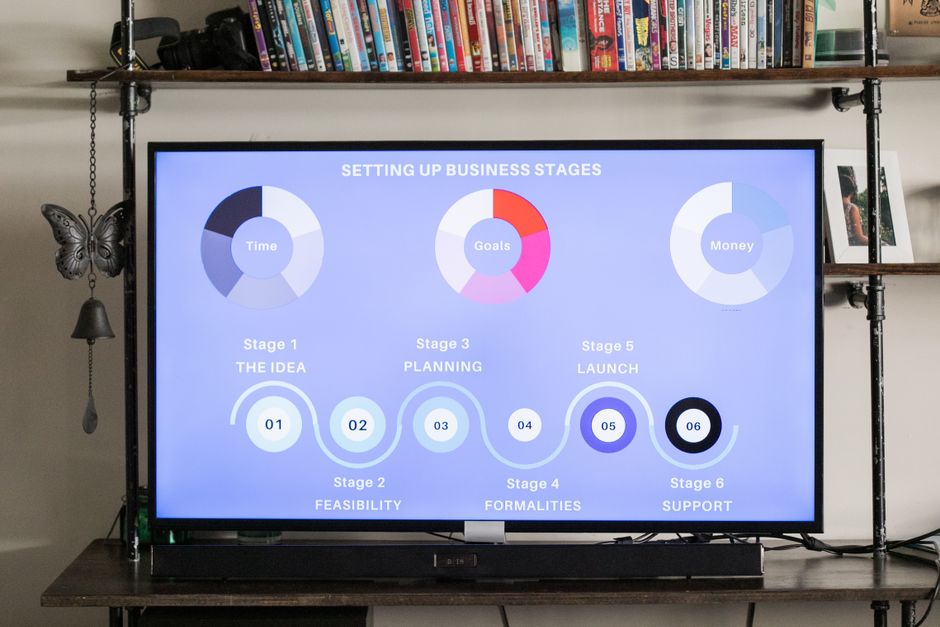
从一个单一的增长目标和30天测试计划开始,以协调团队的资金和任务。保持范围紧凑,并在Dropbox中存储资产,以便人员可以审查每个步骤。专业的方法能让你快速迭代并学习什么驱动客户。
为了展示什么有效,文案应简洁并快速测试想法。数据说明了小变化如何改变转化率并吸引更多客户。将每个实验映射到总目标,并在Dropbox中记录一切,目标是每个验证测试在主要指标上实现5-15%的提升。
发展增长能力需要跨职能团队。专家来自营销、产品和工程,以纪律运行任务:更少但更高影响的实验,你就能更快学习。每个实验应定义其成功指标以及它如何影响其漏斗。这种清晰度帮助他们有目的地行动。
计划通过推荐循环转化客户。提供简单的激励,并在Dropbox中跟踪推荐性能。如果推荐程序在90天内产生10-20%的新注册,你可以快速扩展并将更多资金分配到获胜渠道。
最后,使用轻量级仪表板衡量进度:测试结果、文案变体以及总获取客户数。增长营销需要有纪律的迭代和数据驱动决策。专业营销人员明白,发展可重复流程,而不是一次性胜利,是道路。保持能够适应;你的团队可以扩展他们的能力,你可以保持客户参与而不耗尽资金。
增长营销:成为增长营销人员的实用指南
定义你的核心指标并启动一个30天实验循环,旨在改善转化。这个基础支持使用无代码工具运行可重复的引擎来掌握增长营销。每周跟踪你的指标中位数,以量化金钱影响并快速调整以改善核心指标。专注于吸引想法,这些想法能推动指标,而不是虚荣指标。
创建2–3个人物档案来指导你的测试并映射旅程。让单词增长指导信息传递,同时根据搜索意图和渠道内容定制实验,注意付费搜索、有机搜索、电子邮件和社会之间的差异。目标是实现转化,通过清晰、可测试的计划锚定你的领先指标。
明智使用资源:你的团队、承包商和工具。无代码仪表板和着陆页减少设置时间。使用无代码意味着你可以在承诺金钱之前帮助你的团队验证想法。
从想法到实验:写一个简洁的假设,使它可测试,设置指标,运行测试,然后学习。如果结果积极,则扩展;否则,转向新想法。
响应数据很重要:你应该在几天内而不是几周内反应。使用简单框架决定下一步优化什么:什么现在表现良好,以及什么是重新分配预算的最佳渠道?记录有效的内容以推动引擎前进。你将能够快速行动并根据信号变化调整计划。
金钱和成果:运行测试以赚取收入并扩展。跟踪CAC、LTV和ROI以确保可持续增长。将转化作为每个实验的主要焦点,并将结果转化为收入预测。
基础和掌握:掌握意味着建立文档化的基础和与业务目标一致的增长日历。记录实验、假设和成果的笔记,以加速下一个周期的学习。
准备好开始吗?选择一个渠道,设置目标,构建无代码着陆页,运行3个测试,每周审查,并记录你学到的东西。这种方法让你专注于赚钱举措,并加速你响应结果的能力。
识别高影响获取渠道
在头90天优先考虑SEO和付费搜索,设置CAC目标:SEO低于$30,付费搜索$40–$120,付费社交约$20–$80每个注册。建立你拥有的清晰基线,并定义归因窗口:电子邮件30天,付费90天,有机180天。
为每个渠道衡量四个核心信号:CAC、LTV/CAC、潜在客户质量和转化速度。将客户行动映射到价值,在搜索、社交、电子邮件和推荐中构建触点网络。使用简单归因模型(首次触点、最后触点或线性),并每季度重新审视。归因数据可能嘈杂,通常在前4–6周内。有时归因模型会错误归因触点。
SEO和内容:投资支柱指南、内容创建、针对高意图关键词,并每月发布2–3个长篇资产。预期强烈的复合效应,有机增长在6–12个月内积累;监控指标如有机流量、关键词排名和着陆页转化率。
付费获取:在第一季度将60–70%的预算分配到搜索和付费社交;随着CPA稳定,每月扩展15–25%;每周运行2–3个创意测试。为了加速入职,使用Zapier将表单连接到你的CRM并触发后续行动。
合作伙伴和推荐:构建合作伙伴网络,每季度运行2–3个共同品牌活动,建立5–12%的推荐支付,跟踪转化,并展示胜利。对于人员配置,将薪资与渠道成熟度和所需专业知识对齐;小心匹配角色与成果。
学院和知识:为合作伙伴和内部团队创建学院以分享知识;举办每周20–30分钟会议;使用吸引人的模板和案例研究;领先营销人员通过展示真实结果和可行动的 playbook 而闪耀。
技术和成功:实施轻量级技术栈,包括分析、CRM和自动化;将每个渠道与可衡量的KPI绑定;围绕3–5个领先指标如CAC、ROAS、激活率和留存影响构建仪表板。这种方法可以产生显著提升。通过标签管理和干净事件定义确保数据准确性。
决策和下一步:在90天后,决定你的前2–3个高影响渠道并加倍投入。相应地重新分配预算和资源,并保持薪资和人员配置与成果一致。如果你决定扩展,则增加对所选渠道的投资并相应扩展团队。如果你准备好了,记录你的 playbook 并与团队分享以放大有效的内容。
设计数据驱动增长模型
从90天数据驱动增长冲刺开始,所有KPI的单一真相来源:映射从意识到货币化的漏斗,为每个阶段分配具体所有者,并锁定轻量级归因模型。通过比较阶段之间的转化率和驱动合格流量的关键词来识别机会。构建一个有用的实时仪表板,专家今天使用它监控进度。记住从数据开始规划你的实验。
使用将流量来源与下游指标绑定的数据驱动增长模型。构建一个从Google Analytics、广告网络、电子邮件平台和你的CRM拉取数据的界面,然后加入信号以计算每个触点的真实边际贡献。在跨渠道暴露之间,使用控制实验测试增量提升,无论你运行A/B测试还是多变量测试,并在专家可重用的高级 playbook 中记录结果。采用增长黑客心态来收紧反馈循环并推动今天快速、有用的胜利。
一次定义5–7个保留实验,每个都有清晰假设、单一可行动指标和最小样本大小。为每个测试开发清晰假设和判断成功的计划。优先考虑可扩展影响的机会:降低CAC、提升LTV或缩短回报期。跟踪提升、置信区间和结果节奏;用简洁的单词和数字摘要学习以快速决策。每周与专家审查发现并相应调整策略。用简短单词和数字记录每个结果以加速决策。
通过编纂过程发展可持续测试节奏:谁做什么、审查频率以及决策位置。使用自动化从学习中种子测试,同时保持怀疑和数据驱动。保持关注客户价值,而不是虚荣指标。在实验之间,记录策略、与利益相关者分享成果,并迭代以拓宽漏斗。为每个测试分配所有者并指导他们下一步。
使用精益评分框架优先考虑实验
根据三个标准为每个增长想法评分:对吸引客户的影响、实施难易度和数据置信度。为每个使用0-5量表,并计算总分 = 影响 + 置信度 + (5 - 努力)。针对第一冲刺总分 >= 9的想法。这种方法在你的程序跨站点、服务和网络扩展时保持引擎精益。
定义一个清晰目标的基础:在6周内将领先站点的激活率提高15%。映射实验在程序中的位置,从入职流程到站点文案和自动化。如果你资源有限,你可以依赖自动化和软件运行测试而无需招聘,并仍看到增加的信号来告知指南。
实施步骤:跨站点、网络和核心程序组装候选实验;每周评分;为第一冲刺优先考虑前3-5个;运行两周测试并衡量变化率。这种方法为企业提供强大的杠杆来移动指标,而无需大修现有服务,同时加强长期增长的基础。
使用此指南校准数据存在的地方的赌注,并准备你的团队快速行动。有纪律的节奏可以提升跨站点和程序的性能水平,将精益启动转化为耐用增长引擎。
| 标准 | 定义 | 量表 |
|---|---|---|
| 对增长的影响 | 激活、转化或收入的估计提升 | 0-5 |
| 实施难易度 | 时间、依赖性和复杂性 | 0-5 |
| 数据置信度 | 信号质量和测量计划 | 0-5 |
| 战略契合度 | 与程序目标和跨站点潜力的对齐 | 0-5 |
| 资源需求 | 工具、团队和容量 | 0-5 |
| 实验 | 影响 | 努力 | 置信度 | 总分 |
|---|---|---|---|---|
| 入职电子邮件主题行测试 | 4 | 1 | 4 | 12 |
| 顶级站点着陆页变体 | 5 | 3 | 3 | 10 |
| 软件激活自动化触发 | 4 | 2 | 5 | 12 |
执行快速A/B测试并快速学习
实施快速、2变体节奏并行运行:测试A vs B在标题/文案上,并测试两个CTA颜色。为每个变体运行7天测试,访客数量相等。保持范围紧凑:每个测试一个变量、单一主要指标,以及清晰的行动阈值。
已证明快速反馈循环在文案与关键词和现代体验对齐时提升转化。这就是为什么我们使用共享控制和每个测试单一变量来避免噪音。使用内置于你的技术栈的轻量级测试引擎,以便测试一键启动,数据流入你的分析。伴随这些测试,开发可重复方法框架:你测试什么、如何测量,以及如何将学习应用于品牌。文案是核心杠杆;测试措辞和价值主张的变体,然后如果需要添加图像或表单。开发针对每个关键词集群的文案提升每个访客的相关性。仔细选择单词以匹配意图。
- 测试想法:标题、带关键词的文案变体、CTA措辞、按钮颜色、表单长度,以及反映品牌的英雄图像。
- 测试设计:针对控制运行,保持布局恒定,并仅更改每个变体的一个元素以隔离影响。
- 指标:主要 = 目标行动的转化;次要 = 点击率、页面停留时间、跳出率和每访客收入。
- 样本大小和节奏:针对典型提升检测,每变体目标2,000–4,000访客;运行测试7天或直到达到显著性(p < 0.05),95%置信度,基于基线。
- 决策规则:如果变体显示有意义提升并通过统计阈值,则立即实施并扩展到其他页面和市场。
- rollout 计划:跨所有页面实施获胜者,然后监控稳定性和对金钱指标的影响。
为了保持势头,加入记录成果并更新主 playbook 的实践。使用洞见精炼文案、对齐市场需求,并将学习扩展到未来活动。记住,专业知识在你将每个测试视为改善体验、价值和每个访客结果的机会时增长。
跟踪和解释关键增长指标
实施紧凑仪表板,每天自动更新核心指标:CAC、转化率、激活率、ARPU、LTV、流失率和收入,跨付费、有机和自有渠道。设置目标如CAC低于$40、ARPU月环比增长8%、LTV:CAC高于3。这种设置解决了快速、基于证据的决策需求和清晰基线。使用快速反馈循环在数字漂移时在48小时内调整活动,并记录你做出的决策以供参考。这个基线让你快速开始测试。
为了解释,按队列和渠道细分数据以找到驱动改进的内容和性能下降的位置。这种方法在产品、营销和分析角色中很有用。使用漏斗分析揭示用户掉落的位置和原因。跨队列比较以发现模式并优先考虑提升激活和购买率的idea。
方法和实践:自动化关键行动的事件跟踪,如注册、加购和购买;构建简单数据字典;运行每周洞见报告,包含5个可行动idea。这种节奏保持团队胜任和响应,提升整体性能。
跨团队的角色应拥有指标、提供指导投资的策略,并构建胜任的分析实践。使用这些洞见吸引新客户并改善全球购买决策,使企业能够发现可扩展的想法。
📚 更多关于社交媒体统计的信息
发送简要咨询
请说明网站、目标、受众和预算,以便讨论提案。


