AI Prompts Best Practices for Effective Use
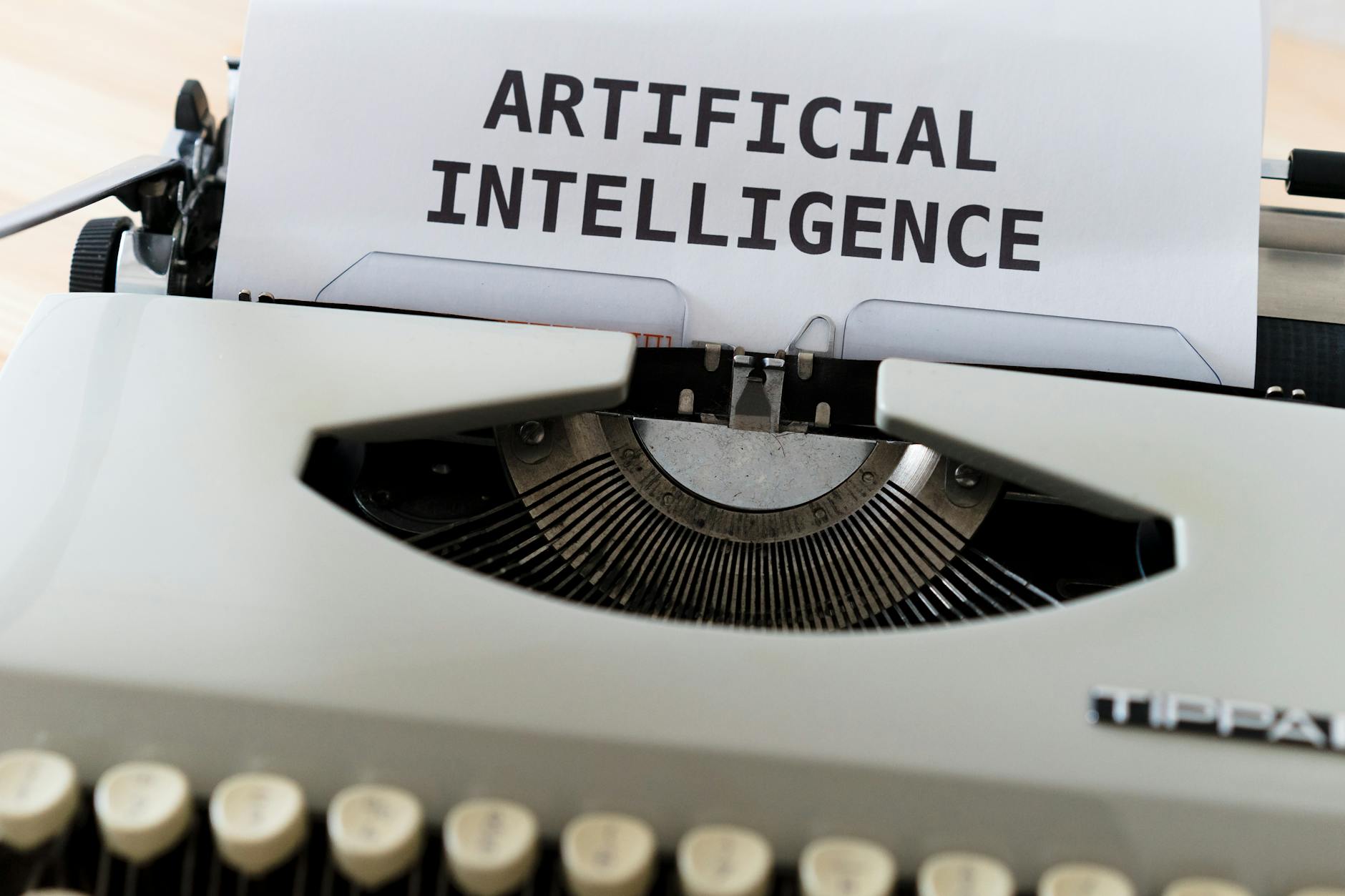
Picture this: You're leading a marketing campaign and need a product description fast. You type a quick query into ChatGPT, but the output is a rambling mess that misses key features. Frustrating, right? That scenario happens daily to professionals relying on AI tools. Yet, with sharp prompt engineering, you can turn those tools into reliable allies. This guide dives into AI prompts best practices, showing you how to create inputs that yield spot-on results from models like ChatGPT or neural networks.
Setting Clear Goals for Your AI Prompts
Every strong AI interaction begins with a defined objective. Ask yourself: What exact outcome do I need? Without this foundation, even advanced models struggle to deliver value. Professionals in the USA, UK, and EU markets often juggle tight deadlines, so precision here saves hours.
Start by outlining the task in detail. For instance, if you're generating content for a tech blog, specify: "Write a 300-word article on sustainable energy trends for business executives in the EU, using a professional tone with three real-world examples." This level of detail tells the AI the scope, audience, and style. Include the desired length to avoid overly short or endless responses. Audience matters too—tailor language for millennials seeking quick tips versus executives wanting data-driven insights.
Consider output structure next. Do you want paragraphs, bullet points, or a table? For a sales report, request: "Summarize Q1 sales data in a table with columns for region, revenue, and growth percentage, limited to 200 words." Testing shows that such specifics cut revision needs by guiding the AI directly. Add context if needed, like industry jargon or brand voice, to align outputs with your goals.
Language nuances play a role, especially in multilingual teams. Begin with English prompts, then incorporate phrases in French or German for targeted responses. This approach ensures cultural fit without overwhelming the model. Over time, you'll notice responses become more reliable, reducing the guesswork in your workflow.
Breaking Down Complex Tasks into Simple Prompts
Big projects can overwhelm AI if thrown at it all at once. Split them into bite-sized parts to maintain control and accuracy. Think of it as assembling a puzzle—each piece fits perfectly when handled separately.
Identify core elements first. What inputs do you have? For a full marketing strategy, start with: "Based on this customer data [paste segment], suggest three targeting personas in 100 words each." Then follow with: "For each persona, outline a 150-word email campaign idea." This step-by-step method prevents information overload, common in neural networks processing long queries.
Include examples to set expectations. Say: "Input: Product specs—waterproof to 50m, battery life 24 hours. Output: Bullet list of three benefits for athletes." Such demonstrations clarify format and depth. Specify if visuals like charts are required, noting: "No screenshots, just descriptive text." This keeps outputs focused and professional.
Benefits extend to team collaboration. When sharing prompts, broken-down versions make it easier for colleagues to tweak or test individually. In fast-paced agencies, this practice ensures consistent quality across deliverables, from content creation to data analysis.
Building Prompts with a Reliable Skeleton Structure
A skeleton prompt acts like a blueprint, organizing your instructions logically. It prevents scattered thoughts from leading to muddled AI responses. Seasoned writers use this to standardize their process.
Core components include the goal, inputs, rules, output format, and examples. Frame it as: "Goal: Generate a social media post. Inputs: Event details—date, location, theme. Rules: Keep under 280 characters, upbeat tone, no hashtags. Output: Single paragraph. Example: 'Join us for the annual tech summit on March 15 in London—innovate and connect!'" This structure channels the AI's focus.
Add a checklist for consistency: Does it include word limits? Is tone specified? Attach notes or mockups if visual elements are involved. For teams, this skeleton simplifies handoffs, ensuring everyone produces uniform results.
Refine as you go. After initial runs, note what needs adjustment—like adding more context for ambiguous rules. This iterative build turns basic skeletons into powerful tools, adaptable for various tasks from copywriting to research summaries.
Specifying Concrete Details to Boost Prompt Reliability
Vague instructions breed vague results. Pin down numbers and parameters to anchor the AI's output. This is crucial for professionals aiming for measurable productivity gains.
Use exact figures: "Describe the benefits of cloud computing in 75-100 words, targeting IT managers, in a neutral tone without sales pitch." Avoid open-ended requests like "tell me about it." Define data types too—request JSON for structured info or prose for narratives. Instruct to skip irrelevant details: "Focus only on security features; ignore cost."
Test rigorously. Run the prompt with varied inputs, scoring outputs on a 1-5 scale for accuracy and relevance. If a response veers off, tweak: Change "summarize" to "list key points with explanations." This hands-on refinement hones prompts over time.
For reliability across uses, document successful parameters. A prompt specifying "50 words max, active voice" for headlines consistently delivers punchy copy. In EU compliance-heavy fields, add rules like "include GDPR notes if applicable" to ensure legal alignment.
Adapting Prompts for Different Devices and Formats
Audience access varies—some read on desktops, others on mobiles. Craft prompts that produce device-friendly outputs to maximize engagement.
For smartphones, prioritize brevity: "Create a 200-word guide with short paragraphs, bullet points, and no dense blocks." Ensure formatting holds: Request line breaks and numbered lists that render well in apps. Lock sizes: "Output under 500 characters for quick scrolls."
Cross-platform consistency requires explicit steps: "Format as HTML with
tags for paragraphs and
- for lists." Test on multiple devices to verify readability. For UK professionals using tablets in meetings, add: "Include bold subheads for skimming."
This adaptation extends to formats like email versus web. Prompt for: "Mobile-optimized newsletter section: 150 words, one image description, call-to-action button text." Results stay sharp, enhancing user experience no matter the screen.
Documenting and Refining Prompts Through Logs
Track your prompts like project files. A revision log captures versions, changes, and performance to build expertise.
Log basics: Date, original prompt, output sample, ratings for clarity (e.g., 4/5), completeness, and format fit. Use checklists: "Tone matches? Length correct? No fluff?" Spot patterns—does adding examples improve scores?
Share logs in team drives for collective learning. In USA agencies, this fosters a prompt library, speeding up routine tasks. Revise based on feedback: If outputs lack depth, insert "provide evidence for claims."
Over months, patterns emerge. Prompts with strict constraints score higher. This documentation turns trial-and-error into a strategic asset, elevating your AI interactions.
Creating Reusable Prompt Templates for Team Efficiency
Once a prompt excels, templatize it. Placeholders make it versatile for repeated use, saving time in dynamic workflows.
Structure: TASK: [Describe goal]. AUDIENCE: [Who?]. LENGTH: [Words/characters]. TONE: [Style]. OUTPUT FORMAT: [List/table/etc.]. CONSTRAINTS: [Limits]. Add examples: "TASK: Blog intro. Example: Engaging hook on AI ethics, 100 words."
Define each slot clearly to avoid misuse. For EU teams handling multilingual content, include LANGUAGE: [English/French]. Fill templates per project: Swap in specifics for product launches or reports.
Benefits include consistency—teams produce aligned content faster. Train new members with these, reducing onboarding time. Evolve templates via logs, ensuring they adapt to model updates.
Structuring Role-Based Prompts for Complex Tasks
Assign roles to AI for guided responses. This simulates expert input, ideal for complex assignments.
Start with: "Act as a seasoned copywriter. Step 1: Analyze brief [details]. Step 2: Brainstorm three angles. Step 3: Draft 250-word piece in persuasive tone." Constraints: "Under 300 words, active voice, end with CTA."
Sequential steps prevent jumps. For product managers: "As PM, review features [list], prioritize top five with reasons, format as numbered list." This yields structured, actionable advice.
In professional settings, role prompts enhance outputs for strategy sessions or client pitches. Test variations to find optimal roles, refining for your niche.
Optimizing Prompts for Image Generation Tools
Image AI like DALL-E needs technical cues. Specify details to match your vision precisely.
Set basics: "Generate image at 1024x1024 resolution, square aspect, photorealistic style of a modern office in blue tones." Define composition: "Central desk with laptop, soft natural lighting from window."
Reference styles: "In the vein of minimalist Scandinavian design, no people." Control mood: "Calm and professional atmosphere." For UK ad agencies, add: "Compliant with brand guidelines—subtle logo placement."
Iterate: If first output skews dark, adjust to "bright daylight, high contrast." These prompts produce visuals ready for campaigns, saving design iterations.
Iterating Prompts Through Testing and Comparison
Evolution comes from experimentation. A/B test to uncover superior phrasings.
Create variants: Prompt A: "Explain blockchain simply." Prompt B: "As a teacher, explain blockchain in 200 words with an analogy." Run 20 tests each, compare on clarity and engagement.
Analyze: Why did questions outperform commands? Adjust: Incorporate winning elements like analogies. Share insights in team meetings to build skills.
For professionals, this method refines prompts for specific tools—ChatGPT versus Midjourney. Track metrics: Response time, user satisfaction. Continuous tweaks keep your approach sharp.
Validating AI Outputs Against Your Prompts
Don't accept first drafts blindly. Validate to ensure alignment and quality.
Checklist: All elements present? For images, check resolution, colors, style match. Text: Tone consistent? Length spot-on? Flag ambiguities: If vague, refine prompt with more examples.
Retest post-adjustment. In EU data projects, verify accuracy against sources. This step catches errors early, upholding standards.
Build validation into routines. Use tools like rubrics for objective scoring. Consistent checks yield trustworthy AI assistance.
Final Thoughts on Mastering AI Prompts
Clear prompts steer AI toward excellence. They transform vague ideas into polished deliverables. Invest in this skill for long-term gains in efficiency and output quality.
As you apply these practices, expect fewer revisions and stronger results. Whether for content, images, or analysis, precise inputs pay dividends. Keep experimenting—your next prompt could unlock even better performance.
Frequently Asked Questions
How do I measure the success of my AI prompts?
Success boils down to alignment with goals. Rate outputs on key metrics: Does it hit the word count? Match the tone? Include all requested elements? Use a simple scorecard—1 to 5—for accuracy, relevance, and usability. Track over multiple runs to spot improvements. For teams, compare against benchmarks like revision counts or time saved. Adjust based on patterns, such as adding more examples if relevance dips below 4.
Can I use the same prompt template across different AI models?
Yes, with adaptations. Core structures like goal-inputs-output work universally, but tweak for model quirks—ChatGPT handles conversational tones well, while image tools need visual specs. Test templates on each: For Stable Diffusion, emphasize style references. Define placeholders flexibly to accommodate variations. Over time, create model-specific versions in your library for seamless swaps.
What common mistakes should I avoid in prompt writing?
Top pitfalls include overload—too much info at once confuses models. Stick to focused tasks. Another: Skipping specifics, leading to generic replies. Always set lengths and tones. Ignoring audience fit results in mismatched content. Finally, not testing—run prompts iteratively. Counter these by starting simple, validating outputs, and logging changes for reference.
How often should I update my prompt templates?
Review quarterly or after major AI updates, like new ChatGPT versions. Check logs for underperformers and incorporate feedback. If project needs shift—say, more emphasis on SEO—revise placeholders accordingly. Annual deep dives ensure templates stay relevant. Quick tests post-changes confirm effectiveness before team rollout.
Send a brief enquiry
Describe your website, goals, audience and budget so we can discuss a proposal.