Sisällön linjaaminen liiketoiminnan tavoitteiden kanssa – Strateginen lähestymistapa sisältöstrategiaan


Priorisoi sisältöä, joka palvelee suoraan kolmea ydintoiminnan tulosta: tietoisuus, harkinta ja muuntaminen. Rakenna toimiva pelikirja, jossa jokaisella resurssilla on mitattava tavoite ja selkeä omistaja, ohjaten päätöksentekoa ja budjetoinnin allokointia, mukaan lukien sisällön auditoinnit, toimitukselliset kalenterit ja suorituskykyindikaattorien työpöydät. Tavoittele 20 %:n kasvua kvalifioiduissa liideissä kuuden kuukauden kuluessa.
Ankkuroi aiheet tietoon ja tietopohjaiseen tutkimukseen kohderyhmistä, sitten laajenna yli trendien jahtaamisen. Jokaisen resurssin tulisi ajaa aikomusta ratkaisemalla todellinen ongelma, auttaen päätöksentekijöitä konkreettisella datalla, tapaustutkimuksilla ja käytännön esimerkeillä, joita ihmiset voivat käyttää omassa työssään uudelleen. Suunnittele neljännesvuosittainen tutkimus vähintään 500 vastauksella parantaaksesi kohdentamista 10 %:lla sitoutumisprosentissa.
Kolme käytännön askelta toteutukseen: 1) inventoi ja kartoita sisältö tavoitteisiin, 2) laadi toimiva sisältösuunnitelma selkeillä KPI-mittareilla, hallinnolla ja omistajilla, 3) aseta rytmi päivityksille ja mittaukselle. Käytä yksinkertaista viitekehystä: sovita kolmeen ostajavaiheeseen, mittaa tiedon laatua ja jaa edistymistä sidosryhmille viikoittain. Odottele 2 viikon sykliä luonnoksesta julkaisemiseen ydinsisältöresursseille ja 4 viikon sykliä syvemmille formaateille.
Mittarit tulisi olla konkreettisia ja sidottu tulojen vaikutukseen: ml. liidin laatu, putkistoon panostus, aika-arvoon ja paljon nopeampi sykli hyväksytylle sisällölle. Rakenna työpöytiä, jotka näyttävät tiedon etenemistä, seuraavat toimivia tuloksia ja korostavat sisältöä, joka palvelee strategisia tavoitteita turhan mittareiden sijaan. Tavoittele 25 %:n nostoa muuntumisprosentissa sisällöstä ja 15 päivän keskiarvoa julkaisemiseen korkean prioriteetin resursseille.
Edistä toiminnallista yhteistyötä suunnitelmalla neljännesvuosittainen tutkimussuunnitelma, mahdollistaen tiimien tutkimisen uusia formaatteja ja kanavia säilyttäen linjauksen liiketoiminnan tavoitteisiin. Käytä löydöksiä ajaaksesi optimointia, jakamalla tietoa organisaatiossa mahdollistaen nopeamman päätöksenteon ja auttaen sidosryhmiä priorisoimaan, mihin investoida seuraavaksi. Varaa kuukausittaiset tarkistukset ja neljännesvuosittainen johtoryhmän esitys ylläpitääksesi vauhtia ja varmistaaksesi vastuullisuuden.
Arvioi tulot, jotka haluat tuottaa sisääntulevan markkinoinnin ponnisteluista
Aseta selkeä vuositavoite sisääntulevalle markkinoinnille ja sovita budjetti, henkilöstö ja sisällön luonti siihen tavoitteeseen. Rakenna täydellinen kartoitus ostajien mieltymyksistä kanavastrategioihin parantaaksesi tuottoa. Esimerkiksi tavoittele sisääntulevan markkinoinnin tuottamia tuloja 40 %:ssa kokonaistuloista 12 kuukauden kuluessa, 2x tuoton sisällön investoinnille ja 25 %:n nosto kvalifioiduissa liideissä.
Määritä mittausviitekehys ja rytmi edistymisen seuraamiseksi. Tavoitteet määräytyvät menneen suorituskyvyn ja ennusteen perusteella. Käytä neljää ensisijaista mittaria: sivukäynnit tietoisuuden proxyksi, sitoutumisprosenttia kiinnostukselle, liidin laatua harkinnalle ja tuloja, jotka liitetään sisääntuleviin kanaviin suorituskyvylle. Tarkista nämä indikaattorit säännöllisesti, ja kun kuilu ilmenee, allokoi resurssit uudelleen paremmin suoriutuviin formaatteihin ja aiheisiin parantaaksesi tuloksia.
Aseta omistajuus ja kurinalainen prosessi. Määritä omistajat kullekin aloitteelle, aseta rytmi sisällön luonnille ja räätälöi toinen resurssisarja eri kohderyhmien mieltymyksiin. Pidä sävy johdonmukaisena, mutta sovita viestintä eri segmenteille säilyttäen ydinarvolauseen.
Käytä tietoa päätöksenteon informoimiseen kampanjoiden ja tuotekokemusten yli. Läpinäkyvä, dataohjainen lähestymistapa auttaa tiimejä parantamaan kasvua, vähentämään hukkaa ja osoittamaan hyödyllistä vaikutusta sidosryhmille. Seuraa edistymistä, iteroidaan ja dokumentoi opitut opit ylläpitääksesi vauhtia tulotavoitteitasi kohti.
Käännä tulotavoitteet konkreettisiksi sisältötavoitteiksi ja formaateiksi
Aloita kääntämällä kukin tulotavoite 3 konkreettiseksi sisältötavoitteeksi ja 2-3 formaatiksi, jotka etenevät tavoitetta. Määritä omistajat ja julkaisurytmi; tämä lisää sitoutumista ja vähentää virheitä, samalla mahdollistaen jäsenet toimimaan pyrkimyksillään.
Kartoita tavoitteet sisältöulostuloon

- Analysoi tulojen oletuksia ja aseta numeeriset tavoitteet: internet-liikenne, keskiostoksen arvo, muuntumisprosentti ja tulojen vaikutus. Esimerkki: liikenne 120 000 käyntiä/kk, tavoite 150 000; keskiostoksen arvo $85:sta $110:een; muuntumisprosentti 1,8 %:sta 2,2 %:iin.
- Sovita tavoitteet näkökulmiin, joissa asiakkaat ovat tietoisuudessa, harkinnassa ja ostossa; aseta 1-2 mittaria vaihetta kohti (näyttökerrat, sitoutuminen, klikkausprosentti, muuntumiset) välttääksesi epämääräiset tavoitteet ja käsitelläksesi kaiken, mitä asiakkaat välittävät.
- Valitse tiettyjä formaatteja: postauksia, videoita, laskeutumissivuja, tapaustutkimuksia ja sähköpostisarjoja; julkaisurytmi tulee: 12 postausta kuukaudessa, 4 videota, 6 laskeutumissivua ja 3 sähköpostia viikossa.
- Määritä selkeät tehtävät tiimin jäsenille: aiheen tutkiminen, luonnostelu, editointi, julkaiseminen ja analytiikka; määritä omistajat ja realistiset määräajat niin että kaikki tietää roolinsa ja virheet havaitaan aikaisin.
- Rakenna kestävä julkaisusuunnitelma: rakenna 4 viikon backlog modulaarisista resursseista ja ikivihreästä materiaalista pitääksesi liikenteen virtaamassa ja varmistaaksesi ponnistelun kestävyyden.
- Aseta viikoittainen analyysi: seuraa internet-liikennettä, sitoutumista ja tulojen vaikutusta; käytä tietopohjaista dataa säätääksesi sisältöformaatteja ja aiheita epämääräisten arvausten sijaan, tehden prosessista vähemmän pelottavan toistettavan analyysin kautta.
Momentum säilyttämiseksi julkaise sisältöä, joka tukee pyrkimyksiä ja linjaa strategiasi kanssa. Käytä analyysin tuloksia iterointiin, mahdollistaaksesi tiimin jäsenet ja lisätäksesi tuloja ilman yleisön ylikuormittamista. Keskity konkreettisiin toimiin, vältä virheitä ja pidä julkaiseminen ennakoitavana niin että yleisösi ja liiketoimintasi kasvavat yhdessä.
Kartoita ostajapolku ja sovita kukin vaihe tuloihin ohjattuun sisältöön
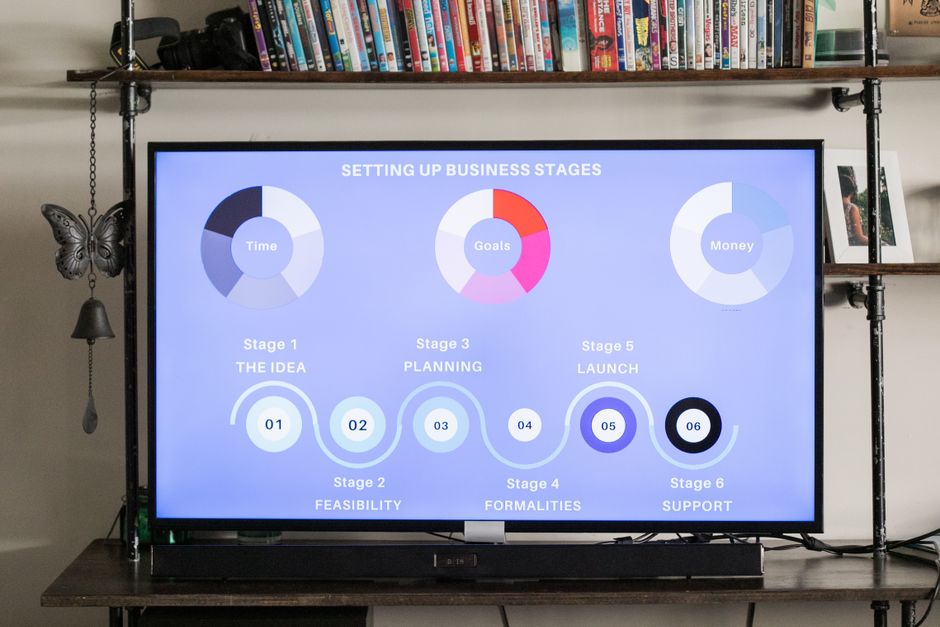
Aloita kartoittamalla ostajapolku kolmeen vaiheeseen: löytö, arviointi ja muuntuminen. Halujen ja rajoitteiden tunnistaminen kussakin vaiheessa ohjaa parhaiden sisältöpalojen tutkimusta. Tämä täytyy olla saavutettavissa ja selkeästi sidottu tulotuloksiin.
Kullekin vaiheelle määritä sisältöä, joka vastaa haluja ja voidaan toteuttaa kanavien yli. Käytä luovuutta tuottaaksesi paloja, jotka mahdollistavat käyttäjät etenevän. Löytöresurssit synkronoivat sosiaalipostausten kanssa ulottuvuuden nostamiseksi; arviointiresurssit sidotaan uskottavuuteen tapaustutkimuksilla ja vertailuilla; muuntumisresurssit toimittavat demot ja ROI-laskureita, jotka näyttävät suoraa arvoa.
Luo mittausohjainen kartoitusmatriisi, joka linkittää vaiheen, sisältötyypin ja tulojen signaalin. Käytä vakiintuneita peruslinjoja ja selkeitä KPI-mittareita; aseta saavutettavia tavoitteita ja aikatauluja. Tarkista tulokset neljännesvuosittain myynti- ja markkinointijäsenten kanssa nostamaan linjausta, arvoa ja saavuttamaan korkeampia voittoprosentteja, käyttäen suorituskykydataa muutosten ohjaamiseksi.
Jatka käytäntöä tutkimalla trendejä, päivittämällä kartoitusta ja mahdollistaaksesi tiimit toimimaan löydöillä. Jatkamme iterointia käyttäjäpalautteen perusteella ja tarjoamme selkeän yhteenvedon edistymisestä.
Ota tämä lähestymistapa käyttöön nostaaksesi linjausta markkinoinnin, myynnin ja asiakaspalvelun yli. Kun sisältö on kartoitettu vaiheisiin ja sidottu tulojen signaaleihin, tiimit pysyvät synkronoituina, palaset vahvistavat toisiaan ja organisaatio tulee ketterämmäksi, toimittaen mitattavaa arvoa sekä käyttäjille että liiketoiminnalle. Jokaisen sisältöpalasen tulisi käsitellä ostajan tarpeen aspektia vaiheessaan varmistaen relevanssin ja uskottavuuden. Nopea tarkistus auttaa hiomaan polkua.
Inventoi ja merkitse olemassa oleva sisältö potentiaalisella tulojen vaikutuksella
Aloita inventoimalla kaikki sisältöresurssit ja merkitse ne tulopotentiaalilla käyttäen yksinkertaista taksonomiaa, joka linjaa ylittävien liiketoimintatavoitteidesi kanssa. Jokaisen merkin tulisi heijastaa, miten pala etenee asiakasta suppilon läpi ja edistää rahaa, myyntiä ja kasvua, kuten tapaustutkimukset ja tuoteoppaat, jotka selkeästi näyttävät ROI:n. Tämä merkintä auttaa saavuttamaan selkeämmän kuvan relevanssista ja mihin keskittyä.
Luo kolme käytännön merkintätasoa: Korkea, Keskitaso ja Matala, plus mikro-merkit kuten Promo, Tapaustutkimus, Ohjeistus ja UKK siepätäksesi asioita, joita voit hyödyntää. Varmista relevanssi synkronoimalla merkit ostajapolun ja kanavan kanssa, jossa sisältö palvelee eniten, ja etene linjausta tiimien yli niin että sisältö ja sähköpostit pysyvät synkronoituina. Tämä merkintä auttaa näkemään, mitkä resurssit ajavat käyttäytymismuutosta, mitä promota sähköposteissa ja mitä karsia, jos se ei enää palvele liiketoimintaa. Se myös auttaa seuraajiasi näkemään johdonmukaisen viestin ja pysymään sitoutuneina.
Toteuta seurantasuunnitelma on olennainen. Linkitä kukin resurssi tiettyihin tuloksiin: sivunäkymät, sähköpostikontaktit, lataukset, konsultit tai suoraan tulot. Käytä yhtä totuuden lähdettä luettelolle ja mittaa lyhyen aikavälin voittoja pidemmän aikavälin vaikutuksia silmällä pitäen. Käytännön lähestymistapa pysyy kevyenä; tämä antaa tiimeille selkeyttä mihin investoida ja mitä poistaa. Pidä elävä luettelo ajan tasalla tukemaan kasvua ja muutosta kanavien yli, ja aseta työpöytiä, jotka näyttävät, miten sisältö ajaa myyntiä ja seuraajia.
Seuraavaksi on kartoittaa luettelo sisältötuotantoon ja myyntiresursseihin. Sovita otsikot ja kopio merkkien kanssa niin relevanssi pysyy johdonmukaisena kosketuspisteiden yli. Merkittäessä harkitse asiakaskäyttäytymistä – mitä johtaa heidät tietoisuudesta harkintaan, mitkä toimet korreloivat myynnin kanssa – ja säädä sisältöbacklogia sen mukaan. Tämä siirto auttaa pysymään linjassa, ja se myös tukee sähköpostikampanjoita, jotka ajavat tuloja ja vauhtia suppilon yli.
| Resurssi | Potentiaali tulojen vaikutus | Merkintäluokka | Seuranta-mittarit | Suositeltu toiminta |
|---|---|---|---|---|
| Tuovertailuopas | Korkea | Promo/Korkean-vaikutuksen | Klikkaukset kassaan, tulojen nosto, lisäkoriin-prosentti | Promotoi sähköpostikampanjoissa; synkronoi tuotesivujen kanssa; päivitä kuukausittain |
| Tapaustutkimus: ratkaisun ROI | Korkea | Tapaustutkimus | Lataukset, lomake-täytöt, aikataulutetut konsultit, post-klikkaus-tulot | Ota esille laskeutumissivuilla ja hoivavirroissa; merkitse CRM-liidit |
| Alan trendiblogi | Keskitaso | Ajattelujohtajuus | Sivunäkymät, aika sivulla, uutiskirje-kontaktit | Päivitä neljännesvuosittain; lisää sähköpostin hoivisarjaan |
| UKK-sivu | Matala | Tuki | Poistumisprosentti, viipymisaika, tukipyynnöt | Paranna tiiviillä vastauksilla; linkitä tuotesivuihin |
| Promo-laskeutumissivu | Korkea | Promo | Promokoodin käyttö, lisäys-tulot, CAC | Aja A/B-testejä; koordinoi sähköpostipommitusten kanssa |
Määritä kanava- ja resurssitasoiset KPI-mittarit, jotka heijastavat tulojen panostusta
Ensin määritä kanava-KPI-mittarit, jotka heijastavat lisäys-tuloja, kuten ROAS, tulot per kanava ja takaisinmaksuaika. Rakenna kausaalinen linkki kulutuksen ja tulojen välille käyttäen satunnaisen otannan kampanjoista havainnollistaaksesi johdonmukaisuutta markkinasegmenttien yli. Käytä korkealaatuista dataa CRM:stä ja analytiikasta välttääksesi turhan mittareita. Tällaiset KPI-mittarit ajavat toteutusta ja palvelulinjausta tiimien yli.
Resurssitasoiset KPI-mittarit tulisi olla perusteellisia ja yksityiskohtaisia; määritä tulot per resurssi, resurssitasoinen muuntumisprosentti ja lisäys-tulot per resurssi kampanjoiden yli. Käytä sitoutumissignaaleja sitoutuneista yleisöistä ennustaaksesi tulojen vaikutusta ja havainnollistaaksesi, mitkä formaatit – video, artikkeli tai ladattava resurssi – ajavat eniten arvoa. Seuraa samalla tavalla kampanjoiden ja markkinoiden yli varmistaaksesi vertailtavuuden, rakentaen selkeän instanssi-pohjaisen arvioinnin, joka informoi optimointia.
Toteuta perusteellinen arviointiviitekehys: käytä holdout-kokeita eristääksesi vaikutuksen, määritä tulojen nosto sisällölle ja laske ROAS, CLV-nosto ja takaisinmaksu kanava- ja resurssitasolla. Aloita tavoitteilla peruslinjasi perusteella: tavoittele ROAS:ia 3x–5x maksetuille kanaville, takaisinmaksuikkunaa 60–90 päivää ja resurssitasoista muuntumisprosentin nostoa 20–40 % optimoinnin jälkeen. Käytä liittyvää kysymysjoukkoa ohjaamaan tulkintaa ja pidä sitoutuneet sidosryhmät linjassa, jakaen selkeitä tietoja kampanjoiden ja luovien tiimien kanssa.
Aloittaen datakartoituksella, sovita kanava- ja resurssi-KPI-mittarit neljänneksen tulotavoitteisiin. Rakenna työpöytiä, jotka näyttävät tulojen panostusta kanava- ja resurssitasolla, porautuen resurssityypin ja kampanjan mukaan. Varaa säännölliset tarkistukset mallien päivittämiseen, vastaaaksesi kysymyksiin myynnistä ja markkinoinnista sekä kääntääksesi tietoja toimiin, jotka parantavat sisältöstrategiaa. Tämä lähestymistapa sopii markkinakulttuuriin, joka arvostaa läpinäkyvyyttä ja vastuullisuutta, ja se tulee jatkuvan parannuksen lähtökohdaksi.
Luo budjetti- ja resurssisuunnitelma, joka priorisoi korkean tulon aiheita
Allokoi 60 % kokonaissisältöbudjetista korkean tulon aiheisiin, jotka ovat sidottu ostajaintentioon ja markkinakysyntään. Tämä keskittymisen lisäys kiihdyttää myyntitavoitteiden saavuttamista ja vahvistaa tulojen kasvua.
Käytä määriteltyä pisteytysrubriikkia aiheiden valintaan. Rubriikin tulisi olla dokumentoitu ja sovellettu johdonmukaisesti backlogin yli, punniten tulopotentiaalia, relevanssia tuotteisiin, markkinakokoa ja jakeluvipuvaikutusta.
Budjettiviitekehys
- Sisällön luonti ydinaisteille: 60 % sisältöbudjetista
- Jakelu ja vahvistus (sosiaalinen, sähköposti, maksettu): 25 %
- Kokeilu ja automaatio (A/B-testit, uudet formaatit, päivitykset): 15 %
Resurssisuunnitelma (tiimi ja roolit)
- Sisältöstrategi: määrittelee aiheet, linjaa markkinatavoitteiden kanssa ja koordinoi aloitteet
- Kirjoittajat ja editorit: tuottavat tietopohjaista, inhimillistä ja toimivaa sisältöä
- SEO-asiantuntija: varmistaa relevanssin ja avainsanan näkyvyyden korkean tulon aiheille
- Suunnittelija: luo visuaaleja, jotka resonoivat yleisön kanssa ja tukevat viestintää
- Markkinointiautomaatioinsinööri: toteuttaa automaation toimitukseen, hoivaukseen ja datankeruuseen
- Data-analyytikko: seuraa KPI-mittareita, raportoi tuloksia ja informoi säätöjä
- Sosiaalinen ja vieraskirjoitusten ohjelmapäällikkö: ajaa vieraskirjoituksia ja sosiaalista jakelua
Toiminnallinen rytmi
- Kahden viikon sisältöblokit suunnitelmalla, tavoitteilla ja omistaja-määrittelyillä
- Viikoittaiset edistymistarkistukset keskittyen sitoutumiseen, toimitukseen ja suoraan vaikutukseen tavoitteisiin
- Kuukausittainen suorituskykytarkistus ja säätö liidistä-myyntiin-muuntumisten ja ROI:n perusteella
- Neljännesvuosittainen uudelleenpriorisoiminen uusien trendien, markkinasignaalien ja kehittyvän relevanssidatan perusteella
Aloitteet sitouttamiseen ja ulottuvuuden laajentamiseen
- Aloitteet ostajien sitouttamiseen sisältävät vieraskirjoituksia alan ääniltä ja yhteistyösosiaalikampanjoita
- Hyödynnä sosiaalisia kanavia korkean tulon aiheiden jakeluun ja suoran liikenteen ajamiseen
- Toteuta automaatio jakeluun, remarketingiin ja seuranta-viestintään
- Jatkuvasti hioma viestintää resonoimaan erillisten ostajasegmenttien ja markkinaprioriteettien kanssa
Mittarit ja vastuullisuus
- Tulot per aihe ja panostus myyntitavoitteisiin
- Liidin laatu, muuntumisprosentti ja aika-arvo sisältöön ohjatuille ponnisteluille
- Sitoutuminen ja sosiaalisen jakamisen prosentit keskeisillä alustoilla
- Sisällön relevanssipisteet ja trendilinjaus jatkuvalle priorisoinnille
- Suorat sisältöön ohjatut toimitukset ja ROI automaatiot aloitteista
Perusta mittaussilmukka tulojen attribuointiin ja strategian optimointiin
Toteuta suljettu silmukka attribuointijärjestelmä, joka sitoo jokaisen ostoksen tai liidin sisältökosketuspisteisiin, jotka vaikuttivat siihen, sitten käytä tuloksia strategiasi optimointiin. Määritä tulotapahtumakartta ja yksi totuuden lähde datalinjaukselle välttääksesi väärinlukemia tiimien yli. Pidä läpinäkyvänä oletuksia niin koko tiimi voi toimia samoilla faktoilla.
Tietyiden lähestymistapojen arvioiminen auttaa määrittämään, mikä polku sopii parhaiten kanavillesi. Silmukan osa sisältää mallin valinnan (monikosketus, asema-pohjainen tai dataohjainen), sitten simuloimalla, miten krediitit virtaavat kosketuspisteiden yli. Samoin aseta kiinteä taaksepäin-ikkuna (esimerkiksi 90 päivää) varmistaaksesi ostovaikutuksen sieppaamisen ilman myöhäisvaiheen vaikutusten paisuttamista. Arvioimalla, miten tulokset muuttuvat ikkunan kiristämisessä tai löysäämisessä, pidät prosessin käytännöllisenä ja toistettavana.
Toteuta merkintä ja dataintegraatio: yhdistä CRM, web-analytiikka, mainosalustat ja e-kauppa jaetulla datakerroksella. Käytä UTM-parametreja kullekin kampanjalle ja tee datalaadun tarkistuksia viikoittain, arvioiden säännöllisesti datan eheyttä pitääksesi numerot merkityksellisinä. Seuraa kustannuksia, varmista puhdas attribuointi ja vältä tuplalaskentaa säilyttääksesi luottamuksen tuloksiin. Tämä linjaus pysyy käytännöllisenä ja auttaa tekemään päätöksiä nopeammin täydellisen datasetin odottamisen sijaan.
Mittaussilmukka vaatii selkeän rytmin: tee viikoittaisia suorituskykytarkistuksia, sieppaa säätöjä ja priorisoi aiheita, jotka etenevät tuloja. Käytä asema-pohjaista attribuointia paljastaaksesi, mitkä sisältöosat edistävät ostosta. Pilottikokeessa Miamissa sisältö, joka koulutti ostajia tuotteen spekseistä, näytti 23 % korkeampia avustettuja muuntumisia kuin geneeriset postaukset. Kun tiedot tulevat, tiimit säätävät suunnitelmiaan heijastamaan, mikä todella etenee ostajia.
Käytännön askeleet toteutukseen
Kartoita tulotapahtumat sisältökosketuspisteisiin ja aseta peruslinjan nosto, jonka tavoittelet saavuttaa, sitten dokumentoi datalähteet ja omistajat. Valitse attribuointilähestymistapa, joka linjaa suppilosi kanssa ja kirjaa vaaditut datakentät sen tukemiseksi. Toteuta merkintä, rakenna dataputki ja luo työpöytiä, jotka paljastavat avainmittarit kuten ostosprosentti, hankinta-kustannus ja ylemmän suppilon sitoutuminen. Pidä prosessi riittävän yksinkertaisena ylläpitääksesi ja tarkkana ohjataksesi toimintaa.
Aja 6–8 viikon testi kontrolloiduilla säätöillä vähintään kahdelle aihelle, kahdelle sosiaaliselle kanavalle ja kahdelle ostovaiheelle. Arvioi tuloksia marginaalisen noston perusteella tuloissa ja harkitse, miten säätää sisältökalenteria. Allokoi budjetti uudelleen korkeammille aiheille ja sosiaalisille formaateille kiihdyttääksesi ostovauhtia ilman kustannusten paisuttamista. Raportoi löydökset sidosryhmille selkeillä seuraavilla askeleilla ja sitoudu toiseen säätöjen sykliin kohdentamisesi ja viestintäsi hiomiseksi.
Ready to leverage AI for your business?
Book a free strategy call — no strings attached.


