Топ-7 навыков диджитал-маркетинга на 2026 год | Аналитика от IIM Skills

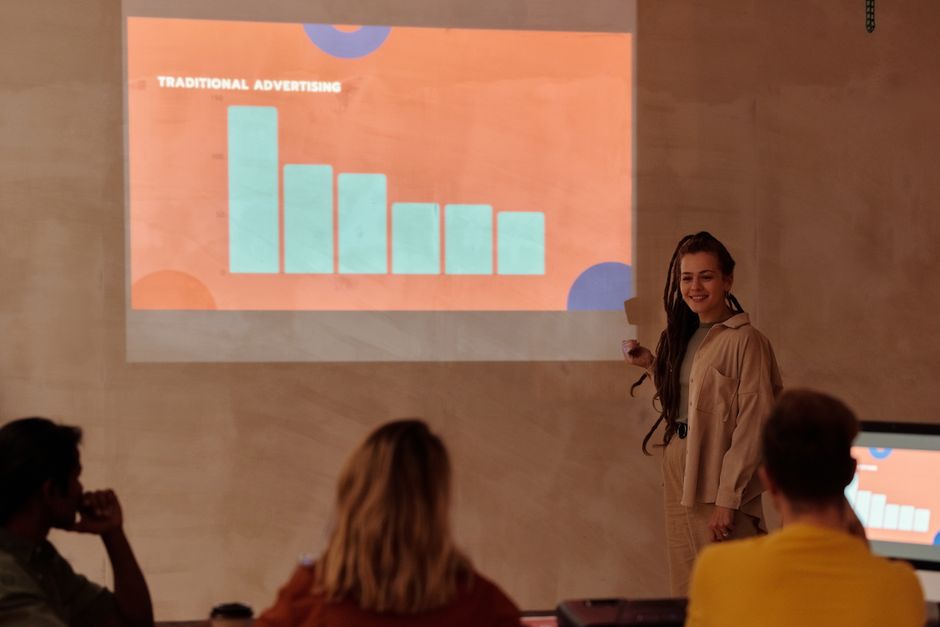
Рекомендация: сделайте упор на семь навыков, которые принесут реальные результаты к 2026 году. Студенты, которые будут ежедневно практиковаться, обретут уверенность в реальных проектах всего за несколько дней. Никогда не полагайтесь на догадки – создайте структуру для понимания потребностей аудитории с помощью данных в реальном времени.
Сосредоточьтесь на семи столпах: аналитика в реальном времени для понимания тенденций; создание убедительного контента в разных форматах; стратегия брендов; SEO/SEM для видимости; использование социальных каналов с акцентом на Instagram; посещение живых брифингов и ведение заметок с командой бренда для повышения понимания; и использование автоматизации и CRM для повышения эффективности.
В первые 30 дней установите панель мониторинга в режиме реального времени, задокументируйте три практических проекта и создайте портфолио, демонстрирующее влияние. В дни 31–60 запустите две небольшие кампании, измерьте результаты и соберите информацию (инсайты) о том, что нашло отклик у аудитории. В дни 61–90 подготовьтесь к заметкам с интервью, представив свои результаты, основанные на данных, и правду о том, что сработало, подкрепленную Evidence.
Примите образ мышления разработчика: тестируйте идеи, измеряйте результаты и итерируйте. Эта привычка поддерживает ваши знания в реальном и действенном состоянии и помогает вам представлять четкие выводы во время собеседований о результатах живых кампаний для брендов.
Посещение отраслевых вебинаров и семинаров по брендингу познакомит вас с реальными сценариями, помогая превратить знания в сообщения, которые находят отклик. Выработайте привычку ежемесячно публиковать выводы и обобщать результаты для собеседований с группами, которые демонстрируют ваше влияние на бренды и потенциальных работодателей.
Топ-7 навыков цифрового маркетинга на 2026 год – IIM Skills Insights; Новые вакансии в 2026 году
Рекомендация: начните создавать свой ai-интегрированный инструментарий маркетинга, управляемый данными, сегодня, чтобы уловить возможности 2026 года и соответствовать ролям, сочетающим в себе технологии, контент и эмпатию к аудитории.
Стратегия, управляемая данными и интегрированная с искусственным интеллектом, объединяет данные первой стороны с файлами cookie для информирования сегментации, проверки гипотез и оптимизации расходов в режиме реального времени. Начните с четких KPI для каждого сегмента аудитории, проводите автоматизированные эксперименты и преобразуйте результаты в повторяемые инструкции. Получите сертификаты scdl, чтобы подтвердить свои навыки и продемонстрировать результаты в целевом портфолио; у вас все получится, когда вы свяжете insights с влиянием на бизнес и представите убедительное повествование данных.
Владение коротким контентом обеспечивает быстрое взаимодействие на различных платформах за счет предоставления четких зацепок, заголовков и визуальных эффектов. Создайте масштабируемую систему, которая преобразует идеи в лаконичный контента, протестируйте форматы с помощью таких советов, как последовательность зацепок и призывов к действию, и измерьте эффективность по охвату, времени просмотра и сохранениям в ваших сегментах аудитории. Соблюдайте дисциплину в отношении перепрофилирования основных концепций в несколько форматов, чтобы максимизировать эффективность, сохраняя при этом оригинальность и тон.
Иммерсивный опыт поднимает рассказывание историй с помощью интерактивных медиа, элементов AR/VR и форматов на 360 градусов. Создавайте повествования, которые приглашают пользователей к участию, а затем закрепляйте знания с помощью плавных переходов между виртуальными точками соприкосновения. Планируйте вместе с творческими и техническими командами, чтобы иммерсивные моменты соответствовали голосу бренда и сигналам данных, усиливая удержание и возможность обмена.
Персонализация и создание, ориентированное на аудиторию, сосредоточено на создании индивидуальных путей при масштабировании до сегментов. Используйте данные пользователя, сигналы поведения и согласованные предпочтения для адаптации контента, рекомендаций и предложений. Ставьте во главу угла человеческий тон, уважайте потребности в конфиденциальности и используйте персонализацию в качестве соединительной ткани, которая укрепляет лояльность аудитории без ущерба для эффективности или соблюдения требований.
Технические основы и конфиденциальность закрепляют кампании в надежных аналитических, теговых и измерительных фреймворках. Освойте отслеживание событий, модели атрибуции и управление данными; преобразуйте технические показатели в действенные оптимизации. Поддерживайте ритм виртуального сотрудничества с межфункциональными командами для обеспечения качества данных, прозрачности и быстрой итерации по каналам.
Брендинг и готовое к собеседованию личное присутствие укрепляют доверие благодаря убедительному повествованию, связному портфолио и готовым делиться примерам из практики. Подготовьтесь к собеседованиям с конкретными результатами, продемонстрируйте решение проблем с помощью данных и покажите разнообразную работу – от коротких роликов до экспериментальных проектов. Выделите сертификаты, включая scdl, и представьте лаконичную кривую обучения, которая доказывает, что вы можете приносить пользу в реальных сценариях; у вас есть инструменты, чтобы выделиться.
Обучение и непрерывное повышение квалификации позволяет вам оставаться на шаг впереди, разрабатывая четкий план учебного путешествия, выбирая целевые сертификаты и планируя последовательную практику. Рассматривайте повышение квалификации как необходимость, а не как контрольный ящик, и документируйте прогресс с помощью измеримых этапов. Выработайте привычку еженедельно заниматься исследованиями, сохраняйте любопытство сегодня и сотрудничайте с коллегами, чтобы ускорить рост и обмениваться практическими исходами, подкрепленными данными, между командами.
Действенный фреймворк навыков для маркетологов
Запустите 30-дневный тестовый спринт, чтобы откалибровать контент в соответствии с голосом вашего бренда и стимулировать подлинное взаимодействие. Определите три основные контентные зоны – образовательную, ориентированную на бренд и ориентированную на продукт – и убедитесь, что каждый пост, видео или интерактивный актив служит одной четкой потребительской потребности. Отслеживайте эффективность ежедневно в своей ленте и отделяйте сигналы от платных кампаний, чтобы увидеть, где потребители больше всего взаимодействуют.
Фреймворк опирается на четыре столпа: контентную стратегию, определяющую темы и форматы, системы, объединяющие данные и рабочий процесс, отображение сигналов аудитории для адаптации сообщений для других и измерение, которое связывает действия с результатами. Создайте центральный контентный календарь, который связывает посты и видео с приоритетами бренда, и перейдите от общих постов к персонализированным впечатлениям, отражающим интересы потребителей. Поддерживайте активную каденцию и перераспределяйте ресурсы на более эффективные форматы в ленте.
1) Оптимизация контента: аудит существующего контента на соответствие голосу; классифицировать по темам и форматам; установить цели публикации 3 постов в день и 2 видео в неделю, соблюдая баланс между каналами. Если у вас ограниченные ресурсы, начните с целевого набора форматов и масштабируйтесь. 2) Персонализация: сегментируйте аудиторию на четыре Persona; доставляйте персонализированные сообщения через баннеры на сайте, электронную почту и ретаргетинг; протестируйте динамические блоки контента, чтобы увеличить количество кликов на 15-20% в течение 6-8 недель. 3) Тестирование: внедрите быстрые A/B-тесты для заголовков, визуальных эффектов и призывов к действию; поддерживайте 72-часовой цикл обратной связи и применяйте знания к последующим активам, чтобы улучшить взаимодействие как минимум на 10% ежемесячно.
4) Системы и согласование с платными ресурсами: разверните единый источник достоверной информации для аудитории и результатов; подключите аналитику, CRM и рекламные платформы для проведения атрибуции по платным и органическим точкам взаимодействия. Используйте опыт аналитических и креативных команд для оптимизации использования системы и перераспределения бюджетов в пользу высокодоходных форматов, обеспечивая согласованность обмена сообщениями между каналами.
5) Интерактивные форматы: инвестируйте в опросы, викторины, короткие видео, карусели и сеансы вопросов и ответов в прямом эфире, которые приглашают к участию и побуждают потребителей к действию. Независимо от того, предпочитают ли потребители быстрые советы или более подробные руководства, адаптируйте голос для поддержания интереса и достижения результатов.
6) Метрики и оптимизация: определите ключевые показатели эффективности для каждого актива: частота вовлечения, завершение просмотра видео, сохранения и обмены для постов, рейтинг кликов и конверсии по платным и органическим путям. Еженедельно просматривайте результаты, корректируйте контентный календарь и масштабируйте то, что работает, по каналам.
Иерархия приоритетов: какие из семи навыков изучать в первую очередь для готовности к работе
Начните с анализа данных и измерений в качестве основного направления. Создайте измеримое портфолио, которое доказывает влияние с помощью реальных цифр. Используйте GA4, UTM-тегирование, панели мониторинга и регулярную отчетность для предоставления подтверждения эффективности. Эта необходимость – правда, которую рекрутеры используют для оценки готовности; вы должны показать измеримые результаты, а не просто эмоции. Применяйте глобальный взгляд: отслеживайте результаты actual-кампаний на разных рынках и документируйте то, что работает.
Затем выберите контентную стратегию и SEO в качестве второго навыка, который нужно закрепить. Изучите исследование ключевых слов, оптимизацию на странице, календари контента и распространение контента. Создайте простые измеримые рабочие процессы; добавить примеры из практики из стажировок в свое портфолио, чтобы продемонстрировать Impact. Задокументируйте такие показатели, как органический трафик, время пребывания и коэффициент конверсии. LinkedIn может разместить вашу работу; делитесь сообщениями, добавляйте ссылки на активы и приглашайте к обратной связи, чтобы укрепить свой профиль.
Затем расставьте приоритеты социального взаимодействия (social engagement): LinkedIn, группы и взаимодействие. Создайте сильный личный бренд (personal brand) с устойчивой лентой и регулярными постами, демонстрирующими знание предметной области. Превратите взаимодействия в возможности, отслеживая конверсию во взаимодействие с подключением; публикуйте лаконичные видео и учебные пособия для повышения доверия. Это особенно актуально в быстрорастущих цифровых сценах типа индии, где местные брифы соответствуют глобальным тенденциям.
Затем масштабируйте с помощью платных медиа и автоматизации: разрабатывайте ограниченные тесты, отслеживайте ROAS и оптимизируйте целевые страницы для конверсии. Этот навык поворота помогает вам перейти от теории к результатам; выберите несколько кампаний и оптимизируйте их в соответствии с измеримым KPI. Поддерживайте небольшие, но значимые бюджеты, чтобы быстро раскрыть обучение на быстро развивающемся рынке.
Затем освойте маркетинг по электронной почте и автоматизацию: последовательности воспитания, сегментация и A/B-тесты. Покажите реальный подъем открытых и кликабельных показателей и, по возможности, фактическое влияние на доход. Добавьте доказательства, связав события активации со ценностью для клиента; это простой и масштабируемый способ продемонстрировать ценность в Интернете.
Наконец, инвестируйте во иммерсивные видео и мета-понимание: создавайте короткие, эффектные видео, интерактивные форматы и многоканальные впечатления, которые подкрепляют ваше сообщение. Используйте платформы, отражающие глобальный охват, такие как LinkedIn и другие сети, чтобы расширить свой охват; отслеживайте метрики вовлеченности и конверсии, чтобы доказать рост. Этот этап развивается быстро и вознаграждает тех, кто адаптируется к реальным результатам.
Вот иерархия, которой вы можете следовать, чтобы перейти от статуса обучающегося к практикующему, готовому к работе: сопоставьте каждый навык с 6-8-недельным проектом, прикрепите измеримый KPI, опубликуйте результаты в LinkedIn и запросите обратную связь в группах. Поддерживайте простую и сильную новостную ленту (feed) с еженедельными видео и краткими примерами из практики; добавить Evidence по мере продвижения.
Стратегия контента с поддержкой ИИ: интеграция подсказок, рабочих процессов и управления
Примите централизованную библиотеку подсказок ИИ в сочетании с облегченным советом по управлению и автоматизированными рабочими процессами для предоставления последовательного, брендового контента в масштабе. Свяжите подсказки с явными аудиториями, форматами и каналами – блогами, целевыми страницами, instagram и сообщениями e-crm – и подключите результаты к аналитике в режиме реального времени, чтобы продемонстрировать результаты. Полагайтесь на опытных редакторов для исключений, в то время как система обрабатывает рутинные части, позволяя личным историям, не жертвуя качеством.
- Архитектура подсказок
- Основные подсказки охватывают шесть типов активов (блоги, целевые страницы, электронные письма, сообщения в социальных сетях, баннеры и видео) с шаблонами для тона, длины и призыва к действию
- Теги аудитории и сигналы взаимодействия определяют персонализацию, сохраняя при этом голос бренда
- добавить систему контроля версий и тегирование для отслеживания изменений с журналом изменений в стиле SCdl для возможности аудита
- Канальные подсказки для instagram, целевых страниц и сообщений e-crm для обеспечения соответствующего каналу форматирования
- Рабочие процессы и автоматизация
- Активация генерации и подсказок: события из данных в реальном времени определяют выбор темы
- Составление и QA: автоматизированное составление текста с последующей структурированной проверкой человеком, сокращающей перекрещивающиеся связи
- Планирование и распространение: автоматизированные окна публикации, согласованные с моделями взаимодействия
- Цикл обратной связи по производительности: показатели после выпуска передаются обратно в подсказки и шаблоны
- Управление и роли
- Регулярные совещания с небольшим советом по управлению: владельцы контента, редакторы, юристы/соблюдение нормативных требований
- Четкие пути эскалации и шлюзы утверждения для управления рисками, не замедляя динамику
- Панели мониторинга в режиме реального времени для контроля качества, происхождения и повторного использования между командами
- Политика использования, охватывающая конфиденциальность данных и интеллектуальную собственность, с периодическими аудитами
- Playbook каналов и персонализация
- Целевые страницы и веб-сайты: активы в длинной форме, подсказки SEO и хуки A/B-тестирования
- Instagram: шаблоны заголовков, подсказки для начала обсуждения и подсказки для визуального выравнивания
- Электронная CRM: персонализированные сообщения на основе сегментов клиентов и этапов жизненного цикла
- Сигналы построения сетей и охват рекрутеров: адаптированные сообщения, которые балансируют автоматизацию с человеческим прикосновением
- Измерение и оптимизация
- Информационные панели в режиме реального времени отслеживают вовлеченность, коэффициент конверсии и скорость контента
- Ключевые показатели включают время публикации, среднее количество раундов пересмотра и снижение часов ручного редактирования
- ROI, связанный с ростом карьеры и перспективами заработной платы, путем отслеживания влияния контента на входящие запросы и квалифицированных потенциальных клиентов
- Индикаторы риска оттока проявляются, когда подсказки дают повторяющиеся результаты; развивайте подсказки для сохранения свежести
- Риски и гарантии
- Флаги качества контента и автоматизированные проверки безопасности перед публикацией
- Контроль утечки данных при извлечении из электронной CRM или данных CRM; изолируйте подсказки обучения от конфиденциальных полей
- Интеграция Scdl для контроля версий и отслеживания выходных данных
- Дорожная карта реализации
- Раннее обнаружение: сопоставление каналов, сбор заинтересованных сторон и определение показателей успеха
- Построение библиотеки подсказок и канальных шаблонов; пилотирование с двумя командами для тестирования итераций
- Запуск автоматизированных конвейеров и встреч по управлению; расширение на дополнительные типы контента
- Масштабирование и уточнение: включение сигналов роста карьеры, сообщений, связанных с заработной платой, и межфункциональной обратной связи
- Практические советы
- Держите подсказки компактными и модульными, чтобы обеспечить быстрое воссоединение в разных форматах
- Сочетайте автоматическую генерацию с проверкой человека в критические моменты для защиты тона и точности
- Используйте данные в режиме реального времени для корректировки тем, углов и каденции публикаций, не перегружая команды
- Поощряйте межфункциональное сотрудничество для укрепления связей с рекрутерами и потенциальными партнерами
- Документируйте извлеченные уроки для развития библиотеки подсказок и правил управления
- Сделайте систему удобной для виртуального использования: осуществляйте совместную работу асинхронно в разных часовых поясах, сохраняя при этом подотчетность
Сосредоточение внимания на результатах: интегрированный подход сокращает рабочую нагрузку для команды, улучшает качество взаимодействия с аудиторией и ускоряет карьерный рост участников, предоставляя измеримые возможности careergrowth. Связывая подсказки, рабочие процессы и управление, ваш контент остается связным между каналами, адаптируется к развивающимся сигналам и поддерживает личный контакт, который находит отклик как у аудитории, так и у рекрутеров. Мониторинг в режиме реального времени делает прогресс видимым, в то время как управление поддерживает соблюдение требований и масштабируемость выходных данных, обеспечивая непрерывную эволюцию, а не статичное соответствие.
Информационная грамотность и аналитика: создание информационных панелей, показателей и процедур отчетности
Определите пять точных показателей, согласованных с вашими бизнес-целями, и внедрите еженедельную процедуру информационной панели, которая автоматически обновляется из собранных источников данных. Это создает повторяющийся, управляемый данными ритм, который снижает количество догадок и ускоряет принятие решений в командах.
Расставьте приоритеты для необходимости очистки данных путем сопоставления источников: веб-аналитика, CRM, реклама и автономные входные данные. Установите проверки проверки для полноты и последовательности, зарегистрируйте проблемы с качеством данных и устраните основные причины в течение нескольких дней. Ведите каталог данных, в котором указывается, откуда берется каждый показатель, как он вычисляется и кто им владеет, чтобы каждый мог доверять цифрам, полученным за годы.
Создавайте информационные панели, которые являются гибкими для аудитории на разных уровнях. Создайте представление руководителя с трендами KPI на высоком уровне, маркетинговое представление, показывающее прогресс воронки и CPA, и представление продукта с внедрением функций. Используйте соединители для поддержания актуальности информационных панелей и избегайте ручной экспорта; частота обновления должна отражать ритм принятия решений каждой аудиторией. Соединение повествования с цифрами помогает брендам рассказывать более четкие истории своей аудитории.
Используйте Jasper и другие инструменты отчетности для автоматизации повествовательных сводок наряду с числовыми информационными панелями. Создайте стандартный шаблон для еженедельных отчетов, в котором выделены исключения, действия и владельцы. Если вы получаете диплом или сертификаты по анализу данных, примените эти знания для ужесточения управления и улучшения повествования, потому что Professionaldevelopment окупается в более быстрой и точной отчетности.
Привлекайте наставников для кодификации передовых методов и масштабирования аналитики между отделами. Для mncs и растущих организаций создайте центр передового опыта, который кодифицирует определения, формулы и правила обработки данных. Их руководство снижает неоднозначность и ускоряет адаптацию для новых пользователей, позволяя каждому вносить свой вклад. Поддерживайте согласованность владельцев данных со своими обязанностями, от сбора данных до интерпретации, чтобы ценность оставалась неизменной на протяжении многих лет.
Определите процедуры, которые становятся привычками, а не разовыми задачами. Запланируйте ночные проверки свежести данных, еженедельные сводки для руководства и ежемесячные углубленные проверки для переоценки показателей. Задокументируйте точные шаги для каждой процедуры: извлечение данных, преобразование, проверка, агрегирование и визуализация, а также цикл обзора, где отзывы аудитории влияют на корректировки. Это формирование привычек поддерживает добровольное участие команд, поскольку пользователи видят конкретные выгоды от своих входных данных, и информационные панели становятся частью их рабочего процесса.
Поощряйте культуру, в которой креативность информирует аналитику. Поощряйте команды экспериментировать с альтернативными визуализациями, добавлять контекст с данными сравнительного анализа и тестировать гипотезы с использованием контролируемых сегментов. Этот подход укрепляет качество их информации и способствует межфункциональному сотрудничеству, связывая данные с реальными решениями по брендам и линейкам продуктов.
Чтобы масштабировать Impact, опубликуйте минимально жизнеспособный фреймворк отчетности – четкие показатели, определенные владельцы, частота обновления и облегченный словарь данных. Сделайте информационные панели доступными для всех, но адаптируйте разрешения, чтобы аудитория видела только то, что актуально. Со временем вы переопределите показатели успеха по мере смены рынков, и информационные панели будут отражать эти изменения, не нарушая существующих рабочих процессов. Пользователи могут вносить свой вклад на добровольной основе, отправляя insights или исправляя данные там, где это необходимо, расширяя право собственности за пределы одной команды.
Организация омниканальных кампаний: автоматизация, инструменты и управление жизненным циклом (Lifecycle Management)
Начните с унифицированного представления клиента и 90-дневного пилотного проекта по электронной почте, SMS и платным социальным сетям, чтобы проверить триггеры и измерить подъем. Создайте свою основную сегментацию на основе данных первой стороны и настроек файлов cookie и привяжите каждую точку соприкосновения к одному профилю, который обновляется в режиме реального времени. Это не сольная задача для одного канала; она охватывает команды и каналы и требует четкой карты собственности. Для студентов и специалистов на начальном этапе карьеры этот подход создает практический путь к готовым к карьере навыкам, которые ценят бренды.
- Основа данных: создайте платформу клиентских данных (или централизованный уровень данных), где сходятся данные о событиях, покупки, записи CRM и взаимодействия на сайте. Нормализуйте метаданные, такие как сегмент, стадия жизненного цикла и предпочтительные каналы. Внедрите элементы управления конфиденциальностью и надежную модель согласия на использование файлов cookie, которая уважает сигналы согласия на получение информации/отмены использования информации в точках взаимодействия. Убедитесь, что каждая точка передачи данных передает чистые сигналы в правила оркестрации.
- Стек автоматизации: выберите платформу автоматизации, которая поддерживает рабочие процессы, управляемые событиями, и интеграцию API. Используйте модули для приветствия, после покупки, возврата и повторного вовлечения. Включите интеллектуальную персонализацию с помощью сегментов на основе правил и прогностических баллов; убедитесь, что стек удобен для разработчиков, чтобы вы могли создавать собственные соединители и защищать настройку от будущих изменений с помощью мышления, ориентированного на API. Хорошо структурированный стек помогает брендам работать быстрее и поддерживает согласованность разработчиков с бизнес-целями.
- Управление жизненным циклом: сопоставьте четыре основных потока: привлечение (acquisition), активация, удержание и повторная активация. Активируйте триггеры из поведения на сайте (отказы от корзины), взаимодействий по электронной почте и push-уведомлений, а также платных кампаний. Измеряйте эффективность на каждом этапе и повторяйте еженедельно; назначьте четкую собственность менеджеру или владельцу для каждого рабочего процесса, чтобы обеспечить подотчетность и скорость.
- Инструменты и интеграция: объедините CDP с ESP и картой MAP (примерами являются Braze, HubSpot, Salesforce Marketing Cloud) и подключите аналитику (GA4) и рекламные платформы (Meta, Google Ads). Используйте сигналы на основе файлов cookie и события «сервер-сервер» (server-to-server) для гармонизации данных между каналами и брендами. Поддерживайте согласованные модели данных и схемы событий между командами, чтобы уменьшить количество осечек между каналами и повысить производительность. Это выравнивание сохраняет кампании между каналами чистыми и предсказуемыми, помогая брендам оставаться на шаг впереди.
- Производительность и управление: определите наборы KPI по каналам: коэффициент открываемости электронной почты, коэффициент кликабельности и коэффициент конверсии; платный социальный CTR и CPA; метрики вовлеченности на месте. Целевые диапазоны: открытие электронной почты 15–25%, CTR 2–5%, просмотр push-уведомления к клику 8–12%, межканальный ROAS 3–5x. Отслеживайте атрибуцию по модели с несколькими касаниями и представляйте результаты на одной информационной панели, удобной для руководителей. Внедрите правила хранения данных, элементы управления доступом и ежеквартальные проверки качества для обеспечения надежности и соответствия данных.
- Практические проекты для команд: разработайте четырехнедельный проект, который строит межканальную кампанию для реального или смоделированного бренда. Результатами являются модель данных, три автоматизированных рабочих процесса, креативный календарь и отчет о результатах. В каждом проекте используются модули, охватывающие данные, автоматизацию, креатив и измерение, что дает работающим профессионалам конкретные навыки, защищенные от будущих изменений. Проекты должны завершиться презентацией, которая демонстрирует влияние на каналы и бренды, с рекомендациями по оптимизации.
- Навыки и роли для разработчиков и менеджеров: опишите четкий путь от должности на начальном этапе карьеры до руководящей должности. Разработчик создает Соединители и пользовательские правила; менеджер по маркетингу контролирует стратегию и управление; руководитель отдела брендинга обеспечивает последовательное взаимодействие по каналам. Наиболее эффективные команды сочетают интеллектуальную автоматизацию с практическим экспериментированием, делая каждую точку взаимодействия умнее, чем последняя. Сертифицированное обучение и практические сертификаты ускоряют продвижение по карьерной лестнице и поддерживают согласованность команд между бизнес-результатами.
Ключевые советы по реализации сейчас: начните с минимально жизнеспособного набора сигналов, а затем постепенно добавляйте файлы cookie и данные о согласии для улучшения персонализации, не замедляя доставку. Используйте единую информационную панель для сравнения производительности каналов и выявления взаимозависимостей между касаниями. Создайте культуру, в которой обновления, а не оправдания, способствуют достижению результатов, и где каждая кампания добавляет измеримую ценность для качества обслуживания клиентов и прибыли бренда.
Составление карты карьеры на 2026 год: целевые роли, необходимые портфолио и пути повышения квалификации

Начните с сопоставления двух-трех целевых ролей на 2026 год: менеджер по маркетингу роста, руководитель цифровой кампании и ориентированный на аналитику стратег по социальным сетям. Создайте структурированную стратегию, которая связывает ваши текущие навыки с этими ролями, и обновляйте ее ежеквартально. Полагайтесь на данные, полученные из Market insights и ваших собственных результатов, чтобы направлять решения. Определите свой план с четкими этапами, следующими шагами и гибкостью для перехода к новым возможностям по мере их возникновения.
Понимание себя помогает установить реалистичный путь. Начните с лаконичного личного профиля, затем подстройте свое портфолио под каждую целевую роль. Позиционируйте себя как межфункционального стратега, который может стимулировать рост за счет кампаний в instagram и других каналах. Последнее слово за текущими лучшими практиками, поэтому инвестируйте в построение сетей и создавайте лаконичные сообщения, которые демонстрируют Impact. Принимайте меры каждую неделю: улучшайте свое резюме, опубликуйте мини-кейс и запросите обратную связь от наставников.
Необходимые портфолио: для каждой роли соберите 2-3 демонстрационных образца, которые доказывают Impact. Включите брифы кампаний, панели мониторинга производительности, креативные тесты, Landing-page эксперименты и отчеты аналитики. Для социальных ролей включите instagram performance metrics, календари контента и данные вовлеченности. Для ролей аналитики, пожалуйста, представьте конвейеры данных и анализ атрибуции. Ваше портфолио должно демонстрировать ваше понимание таргетинга аудитории, тестирование обмена сообщениями и результаты, которые вы можете количественно оценить. Сгенерируйте четкие повествования из чисел, чтобы помочь интервьюерам реализовать ваши взносы.
Пути повышения квалификации: Создайте структурированный план обучения с короткими модулями. Сосредоточьтесь на обновлении навыков в основах машинного обучения для маркетинга, визуализации данных и технических аспектах настройки кампании. Начните с основополагающих тем, затем перейдите к расширенной аналитике, моделированию атрибуции и автоматизации. Рассмотрите сертифицированные программы и попрактикуйтесь на реальных брифах. План на шесть-двенадцать недель позволяет измерить рост. Подтвержденные учетные данные, такие как CDMP или платформа specific Certificates, повышают доверие. Полагайтесь на руководство (guide) и подталкивайте себя к обучению, с постоянной обратной связью, чтобы помочь себе совершенствоваться.
Начиная с этого момента, реализуйте ежеквартальный план действий: одно новое тематическое исследование, одно тренировочное собеседование и один межканальный эксперимент. Регулярно обновляйте портфолио каждые четыре недели и сосредотачивайтесь на следующих этапах. Сохраняйте привычку обновлять свою сеть через краткие сообщения, которые обмениваются знаниями и результатами. Используйте приведенную ниже таблицу в качестве структурированного руководства для отслеживания прогресса и приведения в соответствие с вашим общим карьерным ростом.
| Роль | Требуемый портфель | Путь повышения квалификации | Сертификаты/Доказательства | Следующие шаги |
|---|---|---|---|---|
| Менеджер по маркетингу роста | 2-3 тематических исследования; план межканальной кампании; панели мониторинга производительности; тесты целевой страницы; результаты кампании в instagram | Структурированное обучение отображению воронки; разработка экспериментов; практические проекты; 2–3 брифа, основанных на Impact | Сертифицированный специалист по цифровому маркетингу (CDMP); сертификация Google Ads; Мета Blueprint | Опубликуйте 2 тематических исследования через 12 недель; проведите смоделированную многоканальную кампанию; представьте результаты Peer group |
| Руководитель цифровой кампании | Медиапланы; распределение бюджета; креативные брифы; оптимизация целевой страницы; сводки межканальной производительности | Расширенное PPC; атрибуция на основе данных; основы машинного обучения для оптимизации | Сертификация Google Ads; Мета Blueprint; Analytics IQ | Запустите две кампании, оптимизированные по бюджету; создайте отчет о кампании после ее проведения с извлеченными уроками |
| Стратег по социальным медиа | Календарь контента; аналитика вовлеченности; журналы сотрудничества с влиятельными лицами; показатели роста в instagram; Community metrics | Визуализация данных; Основы SQL для маркетинга; Основы ML для Forecasting; автоматизация отчетности | Facebook Blueprint; Интеллект Google Analytics IQ; Сертификаты Tableau/Power BI | Разработайте 6-недельный план социальных тестов; предоставьте заинтересованным сторонам брифинг о Отправить краткий бриф Укажите сайт, цели, аудиторию и бюджет, чтобы обсудить предложение. Related Articles |


