Best ChatGPT Prompts for Writing Articles

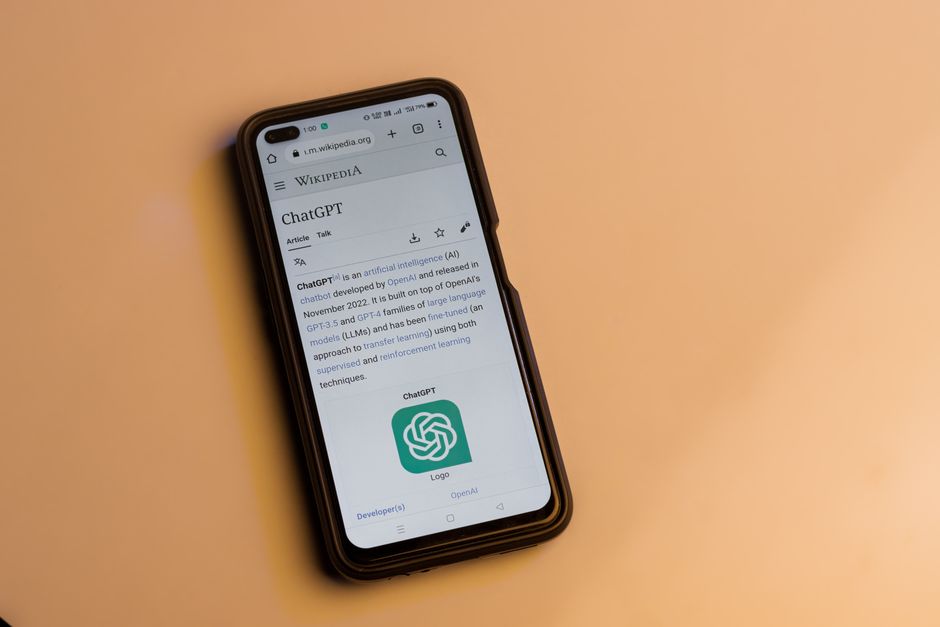
Begin with a concrete prompt: "Outline an article with a sharp thesis, three sections, and a concise conclusion." This provides a clear plan and keeps the draft tight. For testing, run the same prompt on gpt-35 and on a smaller model to compare outputs and observe how neural networks respond to precise instructions. In practice, clear prompts cut waste and speed up publishing.
Next, impose a two-stage workflow: before drafting each section, output an outline; then fill with concrete data and explanation of the choices. For different topics, tailor tone, length, and examples; this separation helps keep arguments tight and examples relevant.
Example prompt: Write a 600–900 word article on prompts for writers. The hero is a mentor who guides a neural network through a complex task. Start with an answer to the key question: what distinguishes an effective prompt. Include a brief explanation of the methods, how to use prompts for different topics, and a short vignette about a book project. End with a pre-publication checklist.
For legal readers, tailor prompts to precision, require citations, and add a risk note about misinterpretation. Set constraints on tone and length, and demand concrete data and examples that show what distinguishes between approaches. When prompts tackle complex problems, include a brief explanation and a practical checklist that readers can apply immediately.
Finally, keep prompts actionable: include ready-to-use templates and a quick audit step to verify clarity. Use checklists and examples to guide writers, and note what neural networks learned from the process. This approach links the article's opening to a structured, repeatable drafting routine for diverse topics and audiences, with a habit of evaluating answers clearly.
Generate a targeted article outline with thesis, sections, and key takeaways
Recommendation: define a tight thesis first, then sketch a four-section outline with vivid examples, each section ending with a clear takeaway. Use gpt-4 and python to draft the sections and verify answers against a trusted source. Write with details that reveal the author's voice, and spend now a little time on framing to speed up faster drafts later. Ensure smooth transitions from problem to solution, so readers grasp the path today. This approach improves quality and reduces inaccuracies when you push to publish. If you rely on subscription data, ensure the source is up to date and accessible for reference. Focus on tasks and arguments that support the core thesis.
Thesis
Thesis: A targeted outline anchored by a precise thesis boosts article quality by aligning tasks, arguments, and vivid examples, making the author's voice clear and the reader's path evident. Present the main claim in one sentence and back it with concrete criteria: scope, clarity, and actionable takeaways; describe how each section serves the thesis and how the reader will use the information now, and in future tasks. Include details from reliable sources to reduce inaccuracies and show benefit to the reader right now.
Outline and Key Takeaways
Outline: Section 1 – Introduction and Context: frame the problem, state the thesis, and set audience expectations. Key takeaways: readers know the scope, author voice is clear, and the heroes are the tasks the reader will tackle now. Section 2 – Arguments and Evidence: present 3–4 core arguments with vivid examples, cite source, and acknowledge counterpoints. Key takeaways: connections between claims are visible, and quality stays high. Section 3 – Practical Application: translate theory into concrete steps the reader can implement now; reference simple python examples as runnable clues without distracting code blocks. Key takeaways: readers can reproduce tasks, adjust parameters, and minimize inaccuracies. Section 4 – Conclusion and Next Steps: summarize findings, note available subscription options, and propose paths for expansion. Key takeaways: readers finish with a clear action plan, new idea for future work, and a concise narrative that keeps the volume focused and approachable. The hero remains the reader's capability to act, supported by a robust source and sharp arguments.
Draft SEO-optimized titles and a meta description for search visibility
Draft two SEO-optimized titles and a meta description that target the main keyword and user intent. Keep titles under 60 characters, put the keyword at the front, and use active language to invite clicks. For the meta description, aim for 150–160 characters, clearly state the benefit, and include a concise CTA. Use prompts to structure the draft, and keep the tone simple yet precise, with a focus on words that matter. Incorporate dialogues to reflect reader questions, to drive motivation and engagement, and ensure the description leads toward real results. In niches like law, verify accuracy against research and cite sources. Include image alt-text that describes visuals and supports the language of the article, and align the version with the article's writing style and language development.
Crafting the title variants
Identify the core keyword and craft two variants: one direct, one with a hook. Place the keyword at the front and stay concise (under 60 characters). Use active phrasing and a value proposition that clearly signals benefit. Example: "Topic SEO Prompts: Draft Titles for Better Visibility" and "Topic SEO Prompts: Quick Titles to Boost CTR." Build each version with the essential words your audience cares about, then test against 3–5 related search queries to see which drives better clicks. For a programmer audience, tailor phrases to complex tasks and show practical outcomes, not vague ambitions. Consider dialogues in the phrasing to mirror reader questions and guide the writing process, as in research-driven narrative style.
Meta description blueprint
Write a single meta description of roughly 150–160 characters that summarizes content, includes the main keyword, and ends with a clear CTA. Use a
Create a compelling hook and opening paragraph tailored to a specific audience
Begin with a targeted hook that speaks to your audience: name a concrete problem, pose a question, and promise measurable results the reader can trust. Use questions that tease the answer, apply logic to the problem, and keep the opening paragraph crisp–no fluff. The reader should feel seen and ready to dive in.
To tailor the opening, identify the reader's persona and the outcome they crave. For bloggers and marketers, reference cost and credits of AI tools, and explain how you can optimize spend without overwhelming setup. Describe a simple path that you can implement by code to automate the task and demonstrate how prompts translate into actionable results. Mention GPT-generated images as a concrete asset that can visualize ideas within the story.
In the lower section of your piece, maintain momentum by pairing a factual claim with a quick CTA. Use literature to back a claim, include a couple of pointed questions, so the reader stays inside the narrative, and stress that spending time on fluff yields complex insights; instead, opt for simple steps that push toward results.
Practical hook templates
Template A: If you are a [audience], you want [outcome], and you can achieve [method] in [time]. Example: "For indie authors, you want steady readership, and a three-step outline speeds up ideas and boosts engagement in under 10 minutes."
Template B: Name a problem, promise a win, and reveal a scope you can deliver now. Example: "If your reader struggles with structure, this two-paragraph hook will guide them from confusion to clarity in a single sitting."
Develop body sections with evidence, examples, and counterpoints
Start each body section with a single, debatable claim and back it with 2–4 concrete data points. Create a simple prompt to guide your research, and maintain a small library of prompts for different topics. Then translate findings into a vivid narrative that speaks to the audience. Use a straightforward structure: claim, evidence, example, counterpoint. Keep words tight and focus on substance, using a simple approach so readers can follow easily, without filler.
Evidence and examples
Gather evidence in three forms: quantitative data (numbers, percentages, margins), qualitative quotes from users or experts, and concrete case snapshots with timestamps. Tie each item to the claim and prefer sources that are public and verifiable. Present numbers with units (for example, 12%, 3x ROI) and add a brief inline citation. Use a simple prompt to keep research focused, and ensure the syntax remains readable. In student contexts, adapt examples to the audience; in business contexts, show ROI. Trim unnecessary words and keep the narrative alive by avoiding overly long sentences.
Counterpoints and transitions
Introduce counterpoints transparently: summarize the opposing view, name credible sources if possible, then challenge the view with data and logic. Use engagement strategies to weave each counterpoint back to the main claim and keep the form coherent. When relevant, reference legal or policy context to ground the discussion, but keep it concise. For student writing, this exercise trains critical thinking and creates a more trustworthy and engaging storyline that invites readers to continue.
Craft seamless transitions and signposts to improve article flow
Begin with a clear signpost that ties the current paragraph to the preceding idea and tells readers what comes next. This boosts memory for users, keeps the reader oriented, and reduces guesswork in the narrative flow. Although signposts may seem small, they help users retain memory and provide answers to the reader's questions.
Use transitions at the sentence level to show logical connections. First outline the aim, then connect to the next idea with a bridge sentence. Signposts act like letters to the reader, guiding memory and making text blocks easier to scan. If a paragraph presents a complex argument, use a simple bridge that recaps a key point before you move on to examples or literature. In practice, this helps readers respond to questions and stay with you.
Key transition patterns
Adopt a small set of patterns that work across topics. In the first draft, map the flow with a quick sketch of the drawing of the argument. Then insert a bridge sentence before each shift; this creates a song rhythm that readers anticipate. For complex sections, place the signpost at the lower level to restate the connection. In blocks that show code, signpost the transitions to guide readers through steps, and this helps memory and your answer when you discuss theses, studies, or questions.
Concrete usage
| Signpost | Purpose | Example usage |
|---|---|---|
| First (first) | Opens a new idea and ties to the prior point | First, we outline the goal of this section to set expectations for users. |
| Then (then) | Bridges to the next step | Then, we summarize the impact of the prior step and pivot to details. |
| Next (next) | Moves the narrative forward | Next, we examine a related example or data point. |
| For example (for example) | Illustrates with concrete evidence | For example, literature sources show a 15% improvement in clarity. |
| In practice (in practice) | Brings theory to action | In practice, insert a signpost before a complex idea to clarify the path. |
Prepare a verification checklist for facts, sources, and author voice
Run a two independent sources fact check, and document the exact words used in each claim. Then, compare findings against the originals (data) and note any discrepancy with a brief, concrete explanation. Include part of your process that records sources, version, and author intent as part of your evaluation. Use model gpt-4 for the primary pass, then test o4mini to confirm faster results. Create mini version (mini) for quick reviews and keep short variations to speed iteration.
- Facts and data validation
- For each assertion, verify against two independent sources; capture the exact words used and align numbers, dates, names, and places with the original data.
- Tag each data point with a quality assessment; if any value is uncertain, mark as unclear and document the gap with concise details.
- Use questions to challenge context, scope, and potential bias, ensuring the fact stays within its proper boundaries.
- Sources and citations
- List sources with URL, author, publication date, and source role (primary vs secondary); record the credibility level for each source.
- Verify verbatim quotes by matching exact words; store quotes and ensure citations support claim without distortion.
- Cross-check consistency of data across sources (data alignment) and mark any conflicts for resolution.
- Author voice and consistency
- Define the author voice and tone for your target audience; keep it consistent across sections and paragraphs.
- Map narrator roles and ensure pronoun usage, formality, and terminology fit the stylistic context and readers' expectations.
- Describe how voice adapts for stylistic variations while preserving a coherent identity and message clarity.
- Workflow, tooling, and outputs
- Run the initial pass with model gpt-4, then compare outputs using o4mini to detect discrepancies faster.
- Produce a mini version for quick circulation and a full version for publication, documenting changes and rationales in each step.
- Record verification results as part of your governance (part of the quality process); if a claim cannot be substantiated, rewrite it with caveats or remove it.
This checklist supports your process, accelerates the author's work, and preserves understanding of the topic through accurate data, reliable sources and consistent style. If needed, adjust prompts by model and add additional questions for specific course tasks.
Design quiz-style prompts to assess reader comprehension after reading
Recommendation: Use a 5-question quiz right after the article to measure comprehension and reinforce key points. You can provide quick feedback for each option, and tailor explanations to the audience.
Prompt 1: Which option best demonstrates the logical progression from the inciting incident to the climax, considering the plot and the hero's choices within the conflict? (A) The hero follows the clues, (B) The conflict escalates despite hints, (C) The plot shifts to a secondary character, (D) The resolution contradicts earlier setup.
Prompt 2: Which option most clearly reveals the hero's motivation and its impact on the conflict, and how would you explain it to the audience in the contextual frame of the text? (A) Fear-driven, (B) Ambition-driven, (C) Duty-driven, (D) Coincidence-driven.
Prompt 3: Review two examples inside the text where the themes appear, and identify which sentence most strongly signals the thematic link through diction and imagery. (A) Opening line, (B) Midpoint description, (C) Final reflection, (D) Dialogue pivot.
Prompt 4: Which option shows how the author builds the conflict to propel the plot within the narrative, and which sentences within the text best support reader comprehension of this relationship? (A) Early setup vs. late reversal, (B) Isolated scene with no consequence, (C) Conflicting motives resolved too quickly, (D) Monologue that reiterates the same idea.
Prompt 5: For concrete examples, craft a follow-up prompt a model like gpt-35 or neural networks could use to test comprehension among millions of readers; specify the contextual frame, target the audience, and outline the expected type of response (brief rationale or example). (A) Compare two scenes and justify, (B) Rephrase the core argument in 2 sentences, (C) Identify a missed connection and propose a fix, (D) Create an alternative ending consistent with the themes.
Implementation tips: Keep total quiz time under 3–4 minutes. Use four distractors per question and assign 1 point per correct answer. After each item, provide a concise explanation that reframes misconceptions in plain language. If you automate this, feed prompts to a model like gpt-35 to generate tailored feedback for the audience based on contextual data from the article.
Notes on usage: Present the prompts inline after the article, and offer a downloadable rubric in the same section. Use short, concrete explanations and avoid filler in explanations to maximize learning outcomes for diverse readers and skill levels. Incorporate the Russian terms sparingly to emphasize key concepts without disrupting clarity.
📚 More on AI Generation & Prompts
- How to Use Neural Networks - Writing ChatGPT Prompts for Programming and Creativity
- 37 Best ChatGPT SEO Prompts to Use in 2026 for Higher Rankings
- 12 Must-Try ChatGPT Prompts for Creative Ideas in 2026
- Suggested Prompt - A Practical Guide to Writing Effective AI Prompts
- ChatGPT Prompts for Account Based Marketing - A Practical ABM Guide
Ready to leverage AI for your business?
Book a free strategy call — no strings attached.