Updating Your Platform Terms of Service for DSA Compliance
Let’s be honest — nobody wakes up excited to rewrite legal disclaimers. But under the DSA, updating your Terms of Service (ToS) isn’t just good hygiene; it’s the law. More than that, it’s an opportunity to create transparency, build trust, and protect your business.
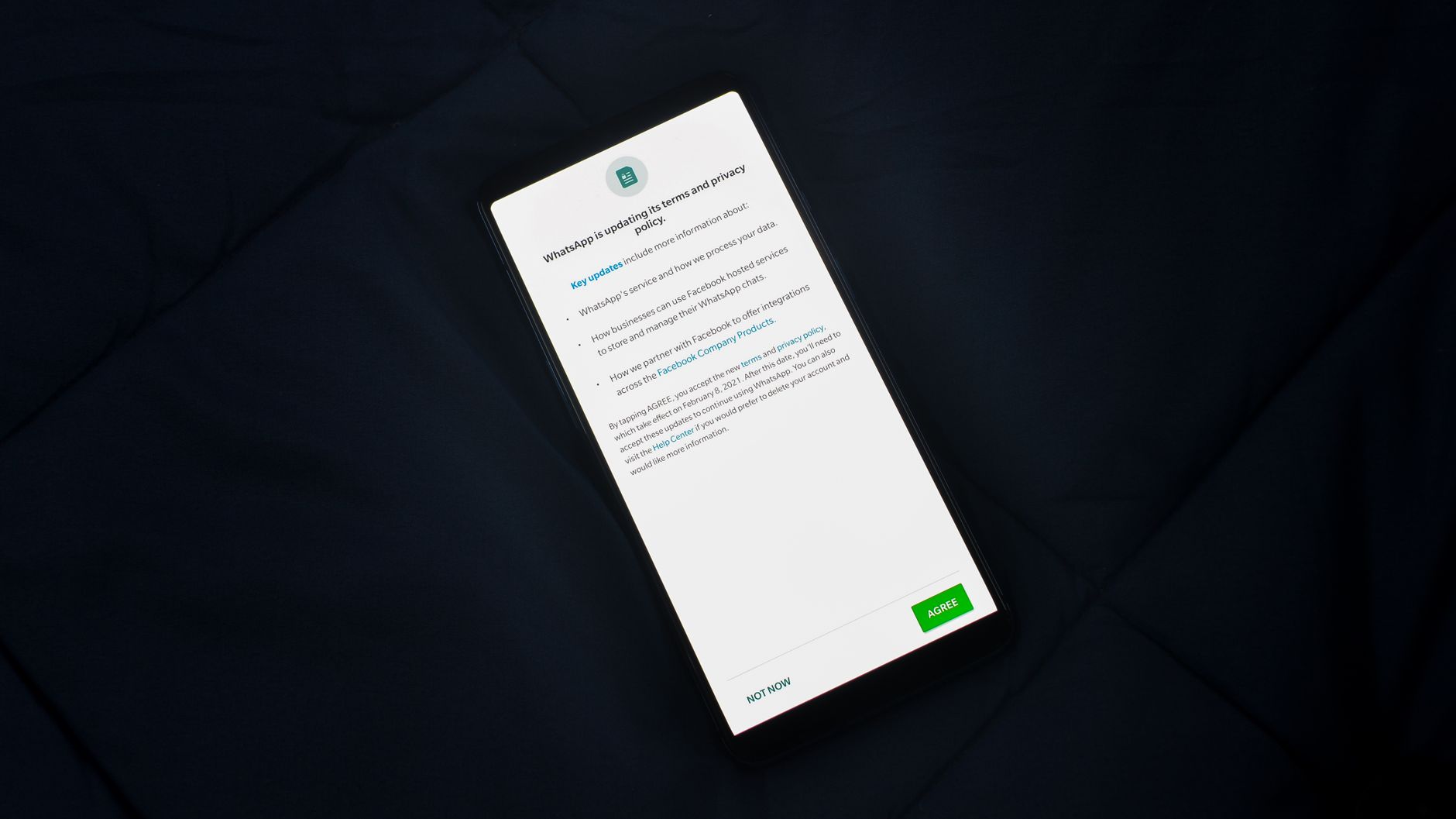
The European Union has spoken, and its message is loud, clear, and backed by some serious regulatory muscle: online platforms need to clean up their legal act. The Digital Services Act (DSA) is now in force, and if your platform’s Terms of Service still read like they were last updated during the MySpace era, it’s time to roll up your sleeves.
Let’s be honest — nobody wakes up excited to rewrite legal disclaimers. But under the DSA, updating your Terms of Service (ToS) isn’t just good hygiene; it’s the law. More than that, it’s an opportunity to create transparency, build trust, and protect your business.
This article will walk you through how to align your ToS with the DSA — practically, legally, and with a splash of wit to keep things digestible.
Why Update Your Terms of Service Now?
Because under the DSA, your ToS isn’t just a formality. It’s a legal contract that must meet clear standards for:
- Transparency
- Accessibility
- Clarity of content moderation policies
- Explanation of algorithmic systems
- User rights and complaint mechanisms
And regulators aren’t bluffing: failure to comply can mean fines of up to 6% of global annual turnover.
📌 TL;DR: A confusing or outdated ToS is now a liability, not just a punchline.
What the DSA Expects in Your Terms of Service
Here’s a breakdown of the key elements your updated ToS must cover:
1. Content Moderation Policies
Clearly describe:
- What content is allowed and what’s prohibited
- How content is flagged, reviewed, and removed
- The role of automation vs. human moderation
No more vague “we reserve the right to remove content at our sole discretion.” You need specifics.
2. Explanation of Algorithmic Systems
If your platform uses algorithmic recommendations (feeds, search, rankings), you must:
- Explain how these systems work
- Describe the criteria used (e.g., relevance, popularity, paid promotions)
- Allow users to opt out of personalized recommendations, where applicable
Tip: Think “algorithm 101 for humans,” not “PhD dissertation.”
3. User Account Suspension and Termination Rules
You must lay out:
- What triggers account suspension or termination
- How users will be notified
- Appeal mechanisms and complaint procedures
Don’t just say “violations of community guidelines.” Be specific and provide examples.
4. User Rights and Redress Mechanisms
Include:
- Right to contest moderation decisions
- Right to lodge complaints internally
- Access to out-of-court dispute settlement where required
Bonus: Provide timelines and a contact point for complaints.
5. Language and Accessibility
The DSA requires that your ToS be:
- Plain, concise, and easily understandable
- Translated into appropriate EU languages if you operate in multiple member states
If your ToS reads like a spell from a Tolkien novel, time to simplify.
Structural Tips: How to Write ToS That Won’t Put People to Sleep
- Use headers, bullet points, and short paragraphs
- Provide real-world examples of how moderation or algorithms are applied
- Link to policies like privacy, cookies, and appeals instead of stuffing them into one giant scroll
Bonus: Create a “summary version” or FAQ alongside the formal document. Think of it as the “director’s commentary” for your legal blockbuster.
Key DSA Compliance Traps to Avoid
1. Vague Legalese
“We reserve the right to take any action we deem necessary.”
No. Be precise. Define “action,” explain “necessary,” and list examples.
2. No User Redress Options
“All decisions are final.”
Not anymore. Under the DSA, users must be able to appeal and complain.
3. Inaccessible Formats
Tiny fonts, PDFs, or lawyer-only language.
DSA says: use accessible formats, and avoid legal jargon when plain speech will do.
Updating Your Platform Terms of Service for DSA Compliance
The European Union has spoken, and its message is loud, clear, and backed by some serious regulatory muscle: online platforms need to clean up their legal act. The Digital Services Act (DSA) is now in force, and if your platform’s Terms of Service still read like they were last updated during the MySpace era, it’s time to roll up your sleeves.
Let’s be honest — nobody wakes up excited to rewrite legal disclaimers. But under the DSA, updating your Terms of Service (ToS) isn’t just good hygiene; it’s the law. More than that, it’s an opportunity to create transparency, build trust, and protect your business.
This article will walk you through how to align your ToS with the DSA — practically, legally, and with a splash of wit to keep things digestible.
Why Update Your Terms of Service Now?
Because under the DSA, your ToS isn’t just a formality. It’s a legal contract that must meet clear standards for:
- Transparency
- Accessibility
- Clarity of content moderation policies
- Explanation of algorithmic systems
- User rights and complaint mechanisms
And regulators aren’t bluffing: failure to comply can mean fines of up to 6% of global annual turnover.
TL;DR: A confusing or outdated ToS is now a liability, not just a punchline.
What the DSA Expects in Your Terms of Service
Here’s a breakdown of the key elements your updated ToS must cover:
1. Content Moderation Policies
Clearly describe:
- What content is allowed and what’s prohibited
- How content is flagged, reviewed, and removed
- The role of automation vs. human moderation
No more vague “we reserve the right to remove content at our sole discretion.” You need specifics.
2. Explanation of Algorithmic Systems
If your platform uses algorithmic recommendations (feeds, search, rankings), you must:
- Explain how these systems work
- Describe the criteria used (e.g., relevance, popularity, paid promotions)
- Allow users to opt out of personalized recommendations, where applicable
Tip: Think “algorithm 101 for humans,” not “PhD dissertation.”
3. User Account Suspension and Termination Rules
You must lay out:
- What triggers account suspension or termination
- How users will be notified
- Appeal mechanisms and complaint procedures
Don’t just say “violations of community guidelines.” Be specific and provide examples.
4. User Rights and Redress Mechanisms
Include:
- Right to contest moderation decisions
- Right to lodge complaints internally
- Access to out-of-court dispute settlement where required
Bonus: Provide timelines and a contact point for complaints.
5. Language and Accessibility
The DSA requires that your ToS be:
- Plain, concise, and easily understandable
- Translated into appropriate EU languages if you operate in multiple member states
If your ToS reads like a spell from a Tolkien novel, time to simplify.
Structural Tips: How to Write ToS That Won’t Put People to Sleep
- Use headers, bullet points, and short paragraphs
- Provide real-world examples of how moderation or algorithms are applied
- Link to policies like privacy, cookies, and appeals instead of stuffing them into one giant scroll
Bonus: Create a “summary version” or FAQ alongside the formal document. Think of it as the “director’s commentary” for your legal blockbuster.
Key DSA Compliance Traps to Avoid
1. Vague Legalese
“We reserve the right to take any action we deem necessary.”
No. Be precise. Define “action,” explain “necessary,” and list examples.
2. No User Redress Options
“All decisions are final.”
Not anymore. Under the DSA, users must be able to appeal and complain.
3. Inaccessible Formats
Tiny fonts, PDFs, or lawyer-only language.
DSA says: use accessible formats, and avoid legal jargon when plain speech will do.
Updating Terms: Practical Steps for Platforms
- Audit your existing ToS: What’s missing? What’s unclear?
- Consult legal counsel: Preferably one who doesn’t speak only Latin.
- Work with product and UX teams: Make the document fit real-world user flows.
- Create a version control system: Keep track of changes and communicate them.
- Notify users properly: Use in-platform messaging or email to inform users of updated terms.
Reminder: If your platform is a Very Large Online Platform (VLOP), these obligations are even more stringent. Time to level up.
Final Thoughts: Don’t Treat Your ToS Like Fine Print
In a world of growing digital regulation, your Terms of Service aren’t just a dusty relic in the footer of your website. They’re a legal front door — and a trust-building tool.
By aligning your ToS with the DSA:
- You avoid fines
- You enhance user trust
- You demonstrate operational maturity
So yes, updating your ToS might not be as exciting as launching a new feature — but it’s a whole lot cheaper than explaining yourself to a European regulator.
Grab your keyboard, call your lawyer, and rewrite responsibly. Your platform’s future depends on it.
Updating Terms: Practical Steps for Platforms
- Audit your existing ToS: What’s missing? What’s unclear?
- Consult legal counsel: Preferably one who doesn’t speak only Latin.
- Work with product and UX teams: Make the document fit real-world user flows.
- Create a version control system: Keep track of changes and communicate them.
- Notify users properly: Use in-platform messaging or email to inform users of updated terms.
Reminder: If your platform is a Very Large Online Platform (VLOP), these obligations are even more stringent. Time to level up.
Final Thoughts: Don’t Treat Your ToS Like Fine Print
In a world of growing digital regulation, your Terms of Service aren’t just a dusty relic in the footer of your website. They’re a legal front door — and a trust-building tool.
By aligning your ToS with the DSA:
- You avoid fines
- You enhance user trust
- You demonstrate operational maturity
So yes, updating your ToS might not be as exciting as launching a new feature — but it’s a whole lot cheaper than explaining yourself to a European regulator.
Grab your keyboard, call your lawyer, and rewrite responsibly. Your platform’s future depends on it.
📚 More on EU Digital Law
- Joint Controllership in Online Marketplaces: A GDPR Compliance Challenge
- How the GDPR Defines Profiling and What It Means for Platform Operators
- DSA's Impact on Platform Litigation in 2024
- The E-Commerce Directive vs. the Digital Services Act: What's Changing for Platform Liability?
- The New Era of Platform Fines: DSA and DMA Penalty Structures Explained
Ready to leverage AI for your business?
Book a free strategy call — no strings attached.