What is the Direct-to-Consumer (D2C) Business Model? Definition, Benefits, and Examples
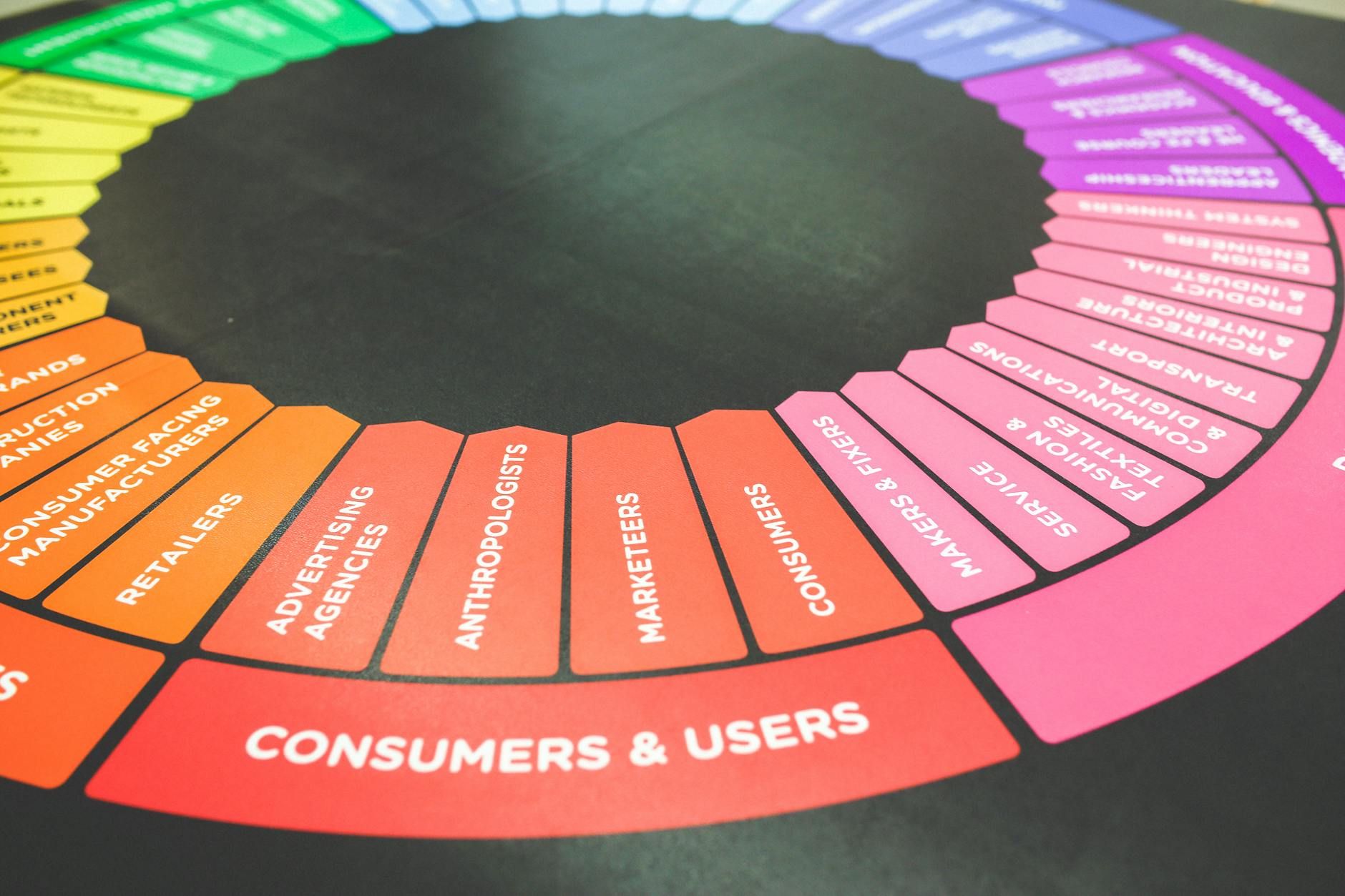

Recommendation: Build a focused D2C plan that lets the brand own the customer experience, test offers on your own storefront, and reach buyers through networks. This setup provides the necessary data and enables adjust pricing, assortment, and messaging to match the market. Teams themselves will work together to implement access to feedback, keeping the number of touchpoints manageable. The guide will outline just a few high-impact tests to validate the model and guide operations.
Definition and scope: Direct-to-Consumer (D2C) means brands sell directly to end customers through brand-owned channels–website, app, or flagship stores–bypassing wholesale and marketplaces. The approach provides higher margins and access to first-party data, enabling faster feedback loops. In practice, brands will use a mix of storefronts and networks to reach the market, starting with a lean number SKUs and expanding as demand grows. A concise document will help align leadership and teams across functions, while through continuous testing, marketing, and product decisions become more cohesive.
Benefits and metrics: D2C puts the brand in control of pricing, product mix, and promotions, leading to higher gross margins (roughly 40–60% in early stages) and stronger preference for personalized experiences. Brands through direct data can map customer paths, improve conversion, and lift repeat purchases. Expect CAC payback in the 6–12 month window for well-executed campaigns, and a rising number of loyal customers when you offer seamless post-purchase support and access to feedback through your own channels.
Examples and practical approach: Companies that started with D2C include Warby Parker, Glossier, Gymshark, and Allbirds. They would use brand-owned sites and networks to nurture audiences and test products. Their teams led to stronger brand control and consistent pricing while reducing reliance on wholesalers. For teams starting now, focus on 2–3 exclusive drops per quarter, integrate a CRM, and measure conversion by channel, source, and through social ads. This document provides a compact reference for steps to launch and scale quickly.
Concrete steps to start: 1) Audit current distribution and identify wholesale dependency. 2) Build a minimal branded checkout and a single-view customer profile. 3) Launch 2 exclusive drops and a retention signal (email/push) within the first quarter. 4) Set up dashboards to track gross margin, CAC, LTV, and churn, focusing on number of repeat buyers. 5) Create guidance for teams to align on messaging and product roadmaps. The goal is to have a self-contained D2C loop that will become a core revenue driver for brands over time.
Practical framework for D2C: Definition, Benefits, and Real-World Examples
Start with a protected, one-line D2C value proposition and establish a 5-step chain of interactions with audiences; then implement an electronic storefront and a scalable application to manage each touchpoint with customers and to control prices.
Definition
Direct-to-Consumer (D2C) is a model where brands sell directly to customers via owned channels, bypassing traditional wholesale intermediaries. It centralizes product, fulfillment, and first-party data in a single stack, which gives the brand control over marketing, communications, pricing, and product assortment. Each interaction–website, application, checkout, and support–fits into a chain that enables protected data handling and a consistent customer experience. The approach works across categories, including electronics and fashion, by keeping the audience at the center and providing a repeatable, scalable process for each client, which is responsible for results.
Benefits
- Higher margins and pricing control by eliminating wholesale middlemen; you can optimize prices in real time.
- Rich, first-party data from supported interactions with audiences, enabling personalized marketing and better product iterations, while maintaining protected data.
- Faster feedback loops for complex product changes, reducing cycle times from idea to launch, and improving marketing strategies and communications.
- Stronger customer relationships through a dedicated application and native support, increasing customer lifetime value and reducing churn.
- Operational efficiency at scale: a unified chain of commerce, logistics, and service improves volume and scale, making it easier to predict revenue and manage costs.
Real-World Examples Allure Skin (Beauty): built a D2C storefront
Real-World Examples
- Allure Skin (Beauty): built a D2C storefront plus a mobile app, leveraging a loyal audience and one-to-one communications. By consolidating data in a protected, private environment, they stabilized pricing and promotions, achieving higher repeat purchases and higher margins compared with wholesale channels.
- NovaTech Audio (Electronics): launched an own-site store and app to sell directly to consumers, using dynamic pricing tests and a tight logistics chain. Result: faster time-to-ship, improved gross margins, and a higher NPS from direct customer service.
- Northline Apparel (Fashion): focused on limited drops and direct orders via website and app, building a community through content and direct communications. The model shortened the supply chain, increased inventory turns, and boosted average order value by delivering tailored offers to the audience.
Define D2C: direct sales, data ownership, and bypassing intermediaries
Begin with a focused D2C pilot for a flagship SKU to prove the model: sell directly to customers, own the first-party data, and bypass intermediaries. This approach clarifies value for buyers and accelerates learning on product fit, pricing, and delivery–customers gain faster access to innovations and more transparent offers.
Own data from every interaction. Collect consented signals across web, mobile, and offline touchpoints, then build a unified profile that informs product decisions, merchandising, and communications. With first-party data, you can answer questions like which segments prefer certain features, or which promotions convert best, without relying on third parties–customer insights become a direct source of improvement. This aligns with the principles of privacy, trust, and relevance, so companies must actively manage personal data responsibly.
Direct sales cut friction, improve margins, and shorten the cycle from insight to execution. By bypassing retail partners, you set the price, assortment, and messaging with precision–the point where margins are better and velocity is higher. You also reduce channel conflict and can react quickly to market signals, helping answer questions about demand and supply in near real time, without losing control over the customer experience.
Adopt omnichannel workflows to deliver a cohesive experience. An omnichannel approach keeps buyers moving between digital and physical touchpoints, while you establish consistency in pricing, stock visibility, and returns. Track purchases across channels, unify fulfillment, and ensure returns are processed smoothly. This enables smoother communication with customers and supports long-term branding without disconnects across touchpoints.
Nike demonstrates how a strong D2C focus complements wholesale. By growing direct sales, Nike enhances brand control, accelerates feedback loops, and expands access to testing new innovations. The result is a healthier commercialization pipeline: richer reviews, faster iterations, and better alignment with consumer needs.
To implement effectively, define a clear roadmap: coordinated selection of segments, configure pricing architecture, and build a data governance model. You should set measurable goals for CAC, LTV, and gross margins, then monitor progression in weekly sprints. Invest in a simplified Fulfillment stack, integrate with ERP and inventory systems, and continuously refine product assortments–similar offerings should be tested side by side to validate what resonates. In practice, the plan trains the team: actively gather feedback, configure cross-functional processes, and quickly move from insight to action, driving growth of commercialization.
Benefits for brands and customers: margins, control, and experience

Launch a direct online storefront to capture higher margins and tighten control over the buyer journey. This strategy provides a clear path to improving online presence and to talk directly with customers, bypassing intermediaries and reducing the cost of each interaction. You can align the whole business around customers and the product, not third parties. With a practical strategy, you can harness technology to sharpen the experience and build trust among consumers.
Margin uplift: Direct sales cut intermediaries, lifting gross
- Margin uplift: Direct sales cut intermediaries, lifting gross margins by roughly 10–25 percentage points depending on category, scale, and logistics. This additional margin can fund product improvements, packaging, and a stronger brand experience.
- Data control and experience: Own first-party data provides deep insights into consumer behavior, enabling personalized messaging and offers for customers, and reducing reliance on platforms. This strengthens trust and conversion across online channels.
- Pricing and promotions control: You manage pricing, bundles, and loyalty programs to optimize lifetime value and cost of acquisition, then reinvest in growth. targeted promotions can support commercialization across market segments.
- Logistics and fulfillment efficiency: Invest in logistics to shorten delivery windows, reduce returns, and improve customer satisfaction. A tighter supply chain lowers cost per delivered order and increases repeat purchases.
- Commercialization and new products: Use direct channels to test new products with fast feedback loops; apply sciences of consumer behavior to refine messaging, packaging, and positioning for market segments you serve. This helps manufacturers scale more confidently.
- Customer experience and post-sale: Simplified checkout, transparent shipping, easy returns, and proactive support create a better consumer experience and higher lifetime value. More touchpoints also strengthen online presence.
All told, these benefits touch margins, control, and experience across online and offline touchpoints, delivering value that scales beyond a single channel. You can start by mapping critical moments in the customer lifecycle and prioritizing changes that reduce cost while boosting satisfaction and conversion.
D2C vs. traditional retail: core differences in marketing, logistics, and support
Recommendation: launch a focused D2C pilot to capture direct feedback from your audience, test pricing and offers, and iterate monthly on social content. Build D2C models around a lean product set, a frictionless checkout, and strong post-purchase support. Nike actively builds D2C experiences via apps and flagship stores to extend reach beyond traditional channels, demonstrating how direct relationships can enhance sales and brand engagement.
Marketing differences: D2C gives brands control of all touchpoints–from website and app to emails and social content–allowing faster testing of strategies and messages. You can run quick A/B tests on headlines, visuals, and offers and learn from real shopper behavior, shaping personalization and recommendations. Traditional retail relies on retailer-driven promotions, co-op budgets, and in-store displays, which slow down learning and reduce visibility into customer data. For teams focused on owned channels, direct data enables more precise segmentation and more effective campaigns that can scale on demand.
Logistics differences: D2C requires building a direct supply chain from factory to consumer, owning delivery, fulfillment, and last-mile options. You set shipping speeds, packaging standards, and clear returns policies, rigorously tracking metrics like on-time delivery and order accuracy monthly. Traditional wholesale moves stock to distributors and stores, with shelf space and point-of-sale planning dictated by retailers, making inventory planning and cross-channel synchronization more complex at the point of sale.
Support differences: D2C supports a direct post-purchase loop, turning customer feedback into product and service improvements. Automated order updates, proactive content flows, and loyalty programs deepen customer relationships and reduce churn. Retail partnerships still handle certain service aspects, but visibility into individual customer needs is narrower, which can slow responsiveness and adaptation for brands and companies.
Implementation steps: define KPI and target audience, map customer flows and content touchpoints, build a lean D2C platform (website/app) with a simple checkout, align logistics (supply) and returns, craft a monthly updated content plan in channels, establish a rule to reallocate budget if CAC exceeds LTV, and set up cross-functional processes for regular evaluation of data and adjustments. Look to examples and articles from brands to inform building practices, while keeping the focus on D2C models and collaboration with retailers where appropriate.
3 engagement channels: selecting, integrating, and optimizing social, email, and on-site experiences

Recommendation: establish a single source of truth for customer data that binds social, e-mail, and on-site actions to individual profiles, enabling consistent experiences across brands. Now, run 2–3 pilots across the core channels–social, e-mail, and on-site–to determine where customers respond best. Track monthly metrics: e-mail open rate (20–28%), e-mail CTR (2–5%), social engagement (1–3%), and on-site conversion (3–8%). After 90 days, reallocate budget to top performers and align next strategies for scale, using feedback from customers to inform iterations.
Selecting channels: start with a criteria matrix that weighs audience fit, data access, and cost efficiency. Choose 2–3 channels per segment, then map content goals to each: social for discovery and buzz, e-mail for retention and repeat purchases, and on-site for conversion and cross-sell. Use input from manufacturers and industry platforms to assess capabilities, and run tests with multiple creative variants to reduce risk. Define the source of truth for each touchpoint and ensure copy and visuals align with the brand voice, while keeping questions ready to refine targeting. For the next cycle, apply brief studies to understand how different cohorts respond, and adjust budgets by times of day and days of week to maximize impact.
Integrating channels: connect social, e-mail, and on-site data into a unified stack that supports a single customer view. Candidate vendors should offer open integrations with your CRM and a robust API for custom fields, while respecting data access across departments. Create unified segments that work across channels and ensure on-site experiences reflect the same offers as e-mail and social posts. Use source data to automate cross-channel triggers (e.g., cart reminders on e-mail after a social visit) and track attribution across touchpoints to avoid double counting. Periodically audit data quality, cleanse duplicates, and verify that consent signals stay in sync with each opt-out. After implementation, document how the data flows, including sources from manufacturers and partners, and prepare notes for internal copy briefs to keep teams aligned.
Optimizing experiences: run continuous A/B tests on creative, copy, cadence, and offers to uncover what works for customers. Test different messaging styles (informational, educational, and promotional) and adjust cadence monthly to avoid fatigue. Use on-site personalization to tailor banners, product recommendations, and landing copy based on recent interactions; measure uplift in conversion and average order value, then scale what shows strong results. Use scientific methods to iteration, and document learnings as part of the ongoing development efforts. Align testing with documented questions and bring into focus the next set of innovative ideas to the team, ensuring that data access remains secure for all user groups. Consistency across channels is critical, and the ability to adapt quickly to changing consumer needs–now is the time to refine how each touchpoint reinforces the core value proposition for your brand, while keeping the customer experience seamless and cohesive.
Launch playbook: 30-day plan, pilots, and measurable outcomes
Recommendation: Launch two pilots in parallel–Pilot A on your e-commerce channel and Pilot B in a selected channel partner–and lock a single dashboard to track purchases, CAC, CTR, and ROAS. Run a 14-day review cadence to decide on go/no-go for broader market rollout; align with market needs and set a clear path for commercialization.
Identify the key elements in the first week: product items, pricing, offers, content, and flow of purchases. Tie traffic to source data, and define which elements most tightly drive conversions. This framing helps you compare performance across channels and prepare for the transition to more scalable models.
During the 30 days, track measurable outcomes across four stages: setup, execution, optimization, and commercialization readiness. Capture learnings from a variety of sources, including articles and internal data, and map which products and which offers add value to the market. Focus on what the market needs, what clusters of buyers respond to, and how producers adjust their offers to fit channel realities. This cadence keeps the flow of experimentation tight and actionable.
Delivery at day 30: a clear go-to-market decision, including a refined commercialization plan, a brand and design–driven presentation for leadership, and a resource plan for scale. The decision hinges on whether the pilot results show a sustainable uplift in purchases, a favorable CAC/ROAS trajectory, and a reproducible process for other brands and products in e-commerce.
| Days | Focus | Owner | KPIs | Outputs / Decision |
|---|---|---|---|---|
| Days 1–7 | Pilot setup, data integration, baseline metrics; define market segments and elements; establish channels and sources | Growth Lead / owner | Data completeness; number of candidate items loaded; baseline CTR/CVR; early purchases | Pilot plan finalized; channel selections; go/no-go criteria defined |
| Days 8–14 | Execute pilots; collect feedback on products, pricing, and content; monitor first purchases and channel flow | Brand Managers / Design Managers | PURCHASES, CTR, CVR by channel; early ROAS; pilot run rate | Initial learnings; iteration plan for offers; refine segments and propositions |
| Days 15–21 | Optimize offers; A/B test messaging, visuals, and price points; tighten e-commerce flow | Brand Managers / Design Team | A/B test results; uplift in CTR/CVR; adjusted CAC | Updated product pivots; revised commercialization assumptions |
| Days 22–30 | Commercialization readiness; finalize go-to-market plan; align resource needs | Product Lead / Executives | Conversion uplift; CAC/ROAS trajectory; readiness indicators for scaling | Go/No-Go decision; detailed commercialization plan; resource and expansion plan segments |
Send a brief enquiry
Describe your website, goals, audience and budget so we can discuss a proposal.


