Marketing de Performanță vs SEO - Înțelegerea Diferențelor Cheie

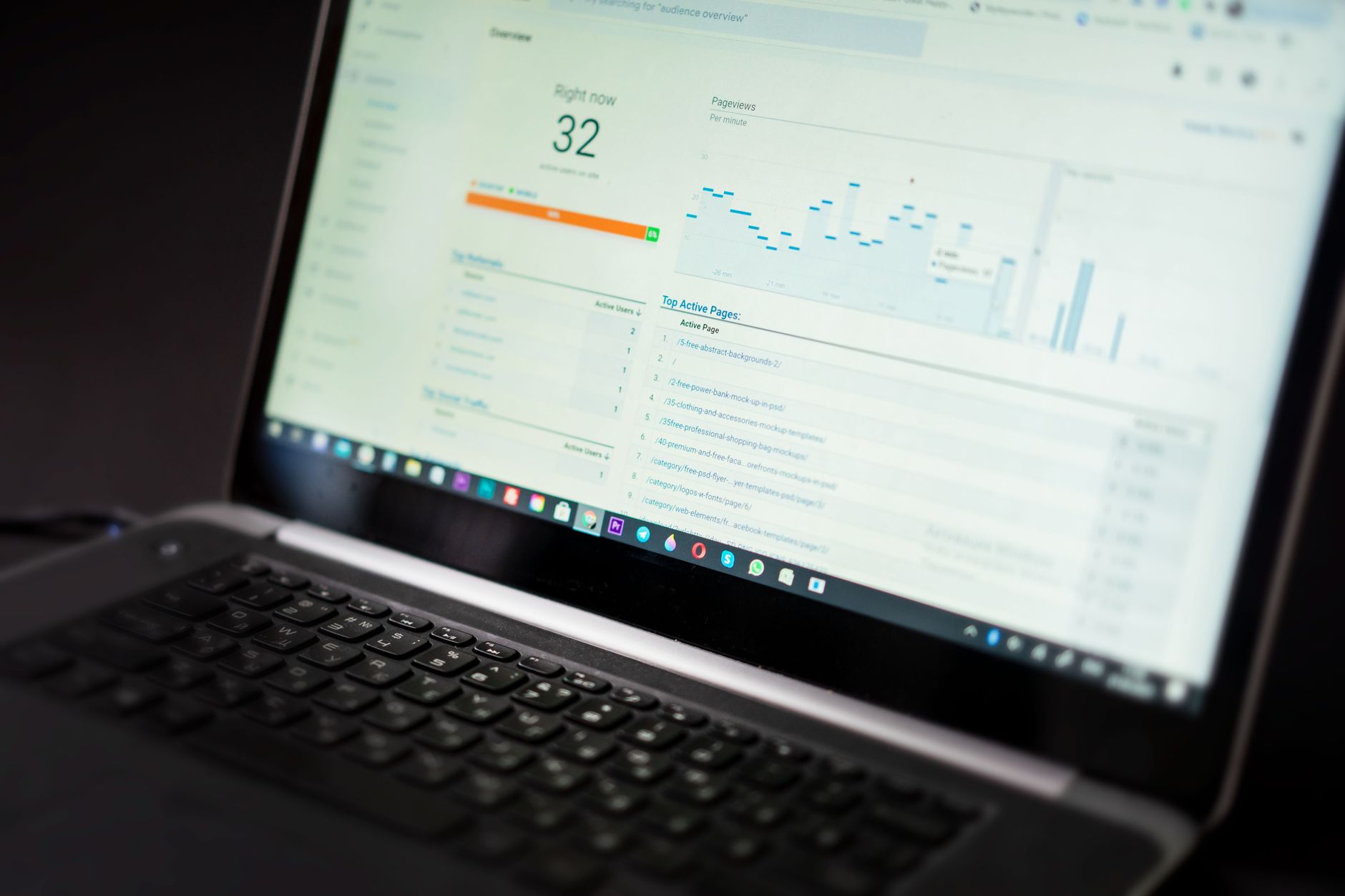
Investiția într-un mix echilibrat de plasamente plătite și optimizare de lungă durată oferă o reach mai rapidă în timp ce construiește valoare durabilă.
Fiecare piață se comportă diferit. Odată ce mapați segmentele de audiență, abordările variază în funcție de canal și de categoria de produs; practica contează la fel de mult ca bugetul. Aliniați experimente mici cu un plan clar pentru a include câștiguri rapide din plasamente și creștere pe termen lung prin optimizare.
Concentrați-vă pe vizitatori de calitate cu impact măsurabil. Urmăriți costul pe vizitator, rata de conversie și vizitele repetate. Folosiți sprinturi scurte pentru a învăța ce rezonează, apoi scalați acele modele câștigătoare. Această practică ajută fiecare campanie să construiască valoare mai rapid, bine aliniată cu dinamica pieței.
Pentru echipe mici investind în creștere, un mix pragmatic funcționează: alocați majoritatea către canale care oferă vizibilitate rapidă și ajustați pe baza reach-ului măsurat; ceea ce este necesar pentru a echilibra viteza și profunzimea. Asigurați scalabilitatea proceselor astfel încât câștigurile să depășească o piață sau un produs. Includeți blocuri de conținut, teste de pagini de aterizare și rafinări de plasamente pentru a crea beneficii persistente cu număr crescând de vizitatori.
Cadenza recomandată: începeți cu un plan de 90 de zile, setați 3 metrici de bază, revizuiți săptămânal, reîmprospătați creativul la fiecare două sprinturi. Prin concentrarea pe valoarea utilizatorului, rezultatele se acumulează, creând impact de lungă durată în multe campanii.
Canale de marketing de performanță și flux de lucru de optimizare

Alegeți un mix diversificat de canale susținut de date și implementați un flux de lucru de optimizare strict. Astăzi, planificați un pilot de șase până la douăsprezece săptămâni, dedicați 20–25% din cheltuieli explorării și setați ținte concrete pentru CPA, ROAS și reach. Folosiți metodologii de testare bazate pe cercetare și iterați rapid pentru a valida tacticile care valorifică investiția în segmentele de piață. Această abordare impulsionează câștiguri pe termen scurt în timp ce construiește relații de lungă durată cu clienții prin optimizare on-page și oferte convingătoare. Lucruri precum viteza paginii de aterizare, lungimea formularului și semnalele de încredere contează pentru răspuns; măsurați costurile și ROI pentru a înțelege care canale oferă avantaje pentru afacerea dvs. Performanța lor depinde atât de explorare, cât și de optimizare disciplinată, care informează strategia de creștere și nevoile de training.
- Campanii de căutare: termeni cu intenție ridicată; structurați campaniile pe zone de produs; pagini de aterizare optimizate pentru conversie; elemente on-page optimizate; costuri per click variază; țintiți obiective CPA și cheltuieli eficiente.
- Campanii sociale: formate creative testate frecvent; micro-țintire folosind lookalike-uri; măsurați reach, CTR, rata de conversie și ROAS; ajustați cheltuielile săptămânal; creștere pe termen lung din semnale de brand plus răspuns pe termen scurt.
- Programe de afiliere: recrutați parteneri de încredere; oferiți tracking; asigurați cote de venituri; expansiunea depinde de răspuns; monitorizați riscul de fraudă; mențineți avantaje prin training.
- Email și CRM: fluxuri de lifecycle; segmentare; re-angajare; experiență de aterizare on-page; trimiteri frecvente; măsurați venitul per email; asigurați conformitatea cu consimțământul.
- Display/video programatic: reach piață largă; scalați cheltuielile; urmăriți vizibilitatea; măsurați răspunsul incremental; rulați experimente pentru a identifica care plasamente performează cel mai bine; mențineți flux de lucru optim.
- Focus pe optimizare on-page: viteză, UX mobil, formulare clare, dovadă socială și semnale de încredere; rulați teste A/B; lucruri care influențează rata de conversie; îmbunătățiri de lungă durată din schimbări iterative; antrenați echipa să ruleze teste.
Configurarea canalului și testarea inițială
- Definiți bugetul total; alocați 6–12 săptămâni pentru pilot; atribuiți ținte: CPA, ROAS, reach; setați milepietre; documentați ipotezele.
- Rulați teste paralele în canale; rotiți creativul săptămânal; adunați date; calculați ROI; decideți care tactică să continuați.
Măsurare, iterație și scalare
- Integrați surse de date; aplicați atribuire; identificați semnale de răspuns; eliminați tacticile subperformante; realocați cheltuielile către câștigători.
- Îmbunătățiți elementele on-page; ajustați paginile de aterizare; adăugați dovadă socială; scalați cheltuielile pe tacticile câștigătoare; mențineți cadența de lungă durată a experimentelor.
Activități SEO: factori on-page, tehnici și de conținut
Începeți cu un audit on-page continuu concentrat pe alinierea intenției, etichete title clare, descrieri meta precise, anteturi semantice, URL-uri curate, timpuri de încărcare rapide și link-uri interne puternice; asigurați-vă că fiecare pagină țintește o interogare anume în timp ce mesajele de la utilizatori se aliniază cu semnalele de căutare; optimizați snippet-urile pentru vizibilitate maximă peste motoare.
Factori tehnici: reparați crawlability, asigurați robots.txt robust, mențineți sitemap-uri XML precise, aplicați etichete canonical, gestionați redirectări 301, impuneți HTTPS, ajustați performanța (minificați, compresie, lazy loading), activați randare mobile-first, implementați markup schema.org, adăugați date structurate pentru articole, produse, FAQ-uri; concentrați-vă pe eficiența crawl-ului, stabilitatea indexării și experiența utilizatorului lină pe dispozitive. Aliniați bugetele pentru tehnici cu randament ridicat peste alte pagini.
Factori de conținut: construiți conținut continuu, de valoare ridicată precum ghiduri lungi, how-to-uri practice și comparații; reîmprospătați active mai vechi și abordați alte lacune în subiecte; dezvoltați clustere de subiecte pentru a impulsiona vizibilitatea; publicați pentru intenții țintite; optimizați în jurul mesajelor și semnalelor utilizatorului; limitați cheltuielile pe formate cu impact scăzut cu practică disciplinată; întăriți încrederea prin surse credibile și semnale de expertiză a autorului; diversificați formatele cu video, infografice și postări de afiliere unde este relevant; urmăriți rezultatele pentru a informa bugetele.
Cronologii: când să vă așteptați rezultate de la PPC versus SEO
Începeți PPC acum pentru rezultate vizibile instantaneu; SEO durează luni pentru a ranka și a acumula trafic sustenabil, deci alegerea unui plan hibrid care construiește fundația în timp ce oferă semnale imediate are sens.
Cronologia PPC se bazează pe buget, semnale de audiență și calitate ad. Rezultatele apar în ore până la zile după lansare; pe baza țintirii, monitorizați impresiile și conversiile continuu. Aceasta impulsionează trafic real în timp ce testați mesageria și optimizați paginile de aterizare. Odată ce campaniile se stabilizează, puteți recupera insights din dashboard-urile de azi; dashboard-urile de azi afișează ROI și permit optimizare rapidă. Pentru multe echipe, PPC oferă parte din fundație pentru momentum inițial.
Cronologia SEO: urcare constantă în rankings peste săptămâni; depinde de competiție, calitate site, profunzime conținut, calitate backlink-uri și eforturi de optimizare on-page. Săptămânile inițiale oferă date de crawlability și indexare, cu îmbunătățiri graduale în rankings și trafic organic pe măsură ce conținutul câștigă relevanță. Câștiguri reale vin pe măsură ce semnalele de încredere se acumulează, stabilind poziții durabile peste interogări de bază. Așteptați săptămâni până la luni înainte de schimbări vizibile în rankings și mai mult înainte ca conversiile să reflecte îmbunătățiri de calitate peste pagini.
Alegerea PPC pentru impact instantaneu în timp ce SEO construiește fundația rămâne comună. Monitorizați cost-per-acțiune, rata de click-through și scorul de calitate pentru a verifica avantajele. După faza inițială, realocați bugetul către campanii cu performanță ridicată, optimizați paginile de aterizare și extindeți împotriva cuvintelor cheie înrudite. Implicarea agenției poate accelera învățăturile, cu benchmark-uri clare și baseline-uri folosite pentru a ghida deciziile.
Piața de azi necesită alegerea unei strategii care combină drive rapid cu câștiguri de calitate durabile, ducând la un ROI mai bun pe măsură ce campaniile maturează.
Bugetare: CPC/CPA vs conținut, link-uri și îmbunătățiri tehnice
Recomandare: împărțiți bugetul 60/40: 60% pentru experimente CPC/CPA; 40% pentru crearea de conținut, construirea de link-uri și îmbunătățiri tehnice. Acest mix oferă un ritm de achiziție mai rapid în timp ce construiește treptat o prezență mai stabilă peste domenii.
Calea CPC/CPA oferă semnale mai rapide despre preferințele audienței. Începeți cu bugete mici, rulați teste controlate și monitorizați costul per rezultat, CPC, CTR și rata de conversie. Creșteți cheltuielile doar după ce semnalele rămân consistente peste zile; această practică menține controlul strâns în timp ce testele se scalează gradual, oferind o tactică clară pentru validare timpurie.
Conținutul, link-urile și upgrade-urile tehnice ridică tracțiunea organică peste timp. Investiți în conținut de calitate ridicată, link-ing intern robust, viteză site, utilizabilitate mobilă, date structurate și optimizare crawl. Efectele combinate impulsionează vizite organice, timp de ședere și indexabilitate pe multiple site-uri, care rulează peste piețe, creând touchpoints de audiență durabile.
Strategia combinată oferă câștiguri puternice: câștiguri rapide din căi plătite plus creștere susținută din îmbunătățiri on-site. Privind înainte, mențineți bugete mici la început, apoi lărgiți scopul pe măsură ce metricile devin stabile; rezultatele pot scala rapid când semnalele se mențin. Acest blend combină disciplina tradițională a testării cu iterația modernă rapidă; se concentrează pe alinierea obiectivelor, investind în ambele părți și monitorizând semnalele îndeaproape, ceea ce valorifică insights de audiență și evită supradăltuirea.
| Canal/Strategie | Partaj buget | Beneficiu principal | Metrici cheie |
|---|---|---|---|
| Experimente CPC/CPA | 60% | semnale de achiziție rapidă, scalabile cu teste | CPC, CPA, ROAS, volum teste |
| Conținut, link-uri, upgrade-uri tehnice | 40% | prezență pe termen lung, încredere îmbunătățită | trafic organic, timp de ședere, viteză pagină, indexabilitate |
Alinierea strategiilor: pași practici pentru a integra PPC și SEO pentru creștere
Începeți cu strategie comună: setați obiectiv de creștere partajat și sincronizați licitațiile PPC cu prioritățile de conținut de optimizare pentru motoare de căutare. Creați un singur dashboard și calendar care arată cum rankings-urile organice și plasamentele plătite influențează rezultatele. Această aliniere se bazează pe date reale, permițând câștiguri pe termen scurt în timp ce construiește credibilitate peste piețe mondiale. Această aliniere se extinde peste canale majore.
în timp ce paginile organice cresc cu relevanța și profunzimea, datele PPC evidențiază termeni cu intenție ridicată care impulsionează click-through imediat și conversii. valorifică insights din căutare plătită pentru a umple lacune de conținut și a prioritiza pagini pe baza intenției, susținând creșterea peste ambele canale. Unele experimente arată că semnalele plătite aduc rezultate mai rapid decât semnalele organice. Țintind un echilibru perfect între reacții rapide și creștere pe termen lung.
Colaborare bazată pe plasament: aliniați plasamentul cu paginile de aterizare și paginile de produs pentru a menține mesageria consistentă; asigurați-vă că experiențele se reflectă reciproc. Aceasta deschide multe moduri de a combina semnale. Creați propuneri de valoare atractive atât în reclame plătite, cât și în conținut on-page.
Măsurare și control costuri: urmăriți cost per click, cost per achiziție și ROAS pe un dashboard partajat; comparați împotriva obiectivelor, apoi ajustați bugetele peste timp. Abordați ineficiențele cele mai mari prin echilibrarea cheltuielilor peste plasamente pentru a maximiza reach-ul. Afacerile vor creștere previzibilă și rulări PPC care oferă rezultate mai mult decât semnale organice. Această secțiune adaugă la creștere prin monitorizarea metricilor potrivite și asigurarea alinierii bugetelor cu obiectivele.
Pași practici pentru agenții și afaceri
Atribuiți proprietari comuni: echipele agenției și echipele interne ar trebui să co-dețină decizii de buget, testare creativă și analize. Construiți un pachet de evidențe lunar care arată cum input-ul din eforturi plătite și organice ridică creșterea, crește click-through și construiește credibilitate. Dezvoltați abilități pentru a interpreta semnale și a ridica performanța peste campanii. Această practică ajută multe echipe să îmbunătățească volumul de click-uri și ratele de conversie.
📚 Mai mult despre SEO & Marketing Digital
- Content Marketing vs Digital Marketing - Diferențe și potrivirea potrivită
- Content Marketing vs Digital Marketing - Diferențele cheie explicate
- Content Marketing vs Digital Marketing - Diferențe cheie
- AEO vs SEO - Diferențe cheie și de ce contează în marketing digital
- Top agenții B2B de marketing de performanță pentru Enterprise & Corporate 2026 - Clasament agenții
Trimite o solicitare scurtă
Descrie site-ul, obiectivele, publicul și bugetul pentru o propunere.


