ChatGPT for Business - Effective Prompts and Case Studies

Start with a clear role and a concrete success metric. Define who responds, the task, and how you will measure impact. For a project launch, provide a краткое, actionable prompt: Act as a product marketing analyst and создайте a go‑to‑market outline for проекта with five concise steps, target ROI, and a plan to validate assumptions. Specify the output format and constraints, so команды can move quickly without unnecessary back‑and‑forth. смотрите результаты и адаптируйте prompts по мере получения данных.
Develop a reusable prompts library for core business functions: sales outreach, support, and product briefs. Each prompt should clearly state the role, the task, the output format, and success criteria. Use вводных details to ground the AI in your проект, and require ответах that are structured and ready for reuse. When data is needed, craft prompts that rely on искa data sources and guide помогать teams through a удобно workflow using prompts and templates.
Case studies demonstrate tangible impact. In a sales pilot, prompts that specify audience, offer a clear CTA, и provide a короткий summary reduced response time by 28–34% and increased qualified leads by 12–18%. In customer support, prompts that require a concrete next step and a suggested message cut average handle time by 17–23% while preserving satisfaction. For developing продукта, prompts that создайте user stories and acceptance criteria improved alignment across команды, менеджеры, and stakeholders, with measurable gains in delivery speed and clarity in ответах.
Practical steps to implement now: 1) define the project goals and вводных context; 2) build templates for the most used prompts; 3) run a brief test with 3–5 prompts and collect feedback; 4) assess сообщении quality and adjust language for clarity; 5) track impact on speed, conversion, and collaboration. Encourage teams to попросите the assistant to deliver a краткое status update after each run and store results in a shared repository for дальнейшее использование, making it удобнее to scale.
Вынесенная идея: prompt‑engineering для бизнеса это не редкое умение, а ежедневная практика. С каждым проектом вы расширяете возможности и становитесь увереннее в том, как помогать коллегам достигать целей. Используйте эти подходы свою структуру и просматривайте кейсы, чтобы увидеть, как задачи превращаются в результаты через эффективные prompts и регулярную обратную связь.
ChatGPT for Business: Prompts and Case Studies; Litigation Readiness
Build a litigation readiness prompt kit with five core prompts: evidence collection, contract review, risk assessment, cost projection, and escalation routing. Use them to surface вопроса and ключевых facts, and to capture задолженность and оплаты data before filings. Align prompts with поддержку from legal and finance and set targets for turnaround time, data completeness, and auditability. Highlight преимущества such as clearer documentation and stronger доказательства. Include a directive to перечисли supporting documents and reference качество of evidence wherever possible (contracts, invoices, emails). Document outputs using the термином "Litigation Readiness" to ensure consistency across teams. In addition, prompts should задать вопрос about the most critical exposure and address самых важных questions early.
How to Design Prompts for Courtroom-Ready Legal Summaries
Begin with a fixed output spec: всего 180 слов max, neutral tone, no fluff, and a clearly labeled body with Facts, Issues, Analysis, and Conclusion. The prompt should привести a courtroom-ready summary that is concise and verifiable, readable for стороной суда. Use a template that enforces objectivity and avoids opinion.
Design prompts for аудиторию: judges, clerks, and counsel. Use plain language, define legal terms when needed, and include exact quotes from statutes or records. This действительно reduces ambiguity and supports accurate review in чата-based workflows, so feedback loops stay fast and constructive.
Provide a reusable template with clear markers: Facts: [вставляем факты], Issues: [list], Analysis: [analysis], Conclusion: [conclusion]. Keep prompts tight by removing filler and guiding attention to what matters in делах. Include instructions to insert material precisely where indicated, so промпты yield consistent outputs every time.
Implement a lightweight validation step: расчет word count against the cap, verify all four sections appear, and check tone for neutrality. Run a quick cross-check against the case record to avoid misrepresentations. Track clarity and completeness to ensure ready-for-court quality in real-world use when the work is reviewed by a аудиторию.
For collaboration and governance, rely on аутсорсинга for independent QA and keep библиотеки of standard blocks for common дела and issues. Use prompts that reference имен of the case to maintain consistency, and encourage пробуйте разные варианты промптов to improve coverage and speed across the team and распределение задач без задержек и distractions.
Data Sanitization for Prompting: Protecting Privilege and Privacy
Limit prompt payloads to the minimum necessary and mask PII before prompting to protect privilege and privacy.
When handling аутсорсинга, enforce a strict data-sanitization standard across all transfers, backed by a formal data-processing agreement and clear data-flow diagrams that identify what is shared with external teams.
Define which fields are unsafe to feed to the model and implement redaction rules. Never скармливаем вашего PII; substitute with placeholders and validate masking with automated checks before every run.
Adopt a templated approach to промптов: формулировать prompts with context-appropriate abstractions, ensuring that you never embed full messages or личные данные in templates used broadly, and run a separate scrub step for general-use prompts as a safety net. Include тестов in the validation suite to verify masking accuracy across input variants.
Conduct a юридический risk review and align with законаправила; limit data used for tailoring and training, and define retention windows. For your организации, embed these controls into the governance policy and assign ownership to the compliance team, with periodic reviews and documented decisions.
Data classification should tag ключевых data categories, and access controls should enforce least privilege. Use tokenization for identifiers, and maintain a data map that records where each data piece originates and where it is used. Each data owner должен enforce the rules on access and retention, and provide a clear escalation path for any deviations.
When формулировать prompts, avoid asking for confidential information in common prompts and keep responses within the allowed scope. Use separate staging prompts that scrub details and route any sensitive inputs to a secure preprocessor. Maintain a centralized glossary for термины to ensure consistent phrasing across команды и проектов.
Maintain общих guidelines for письма that are part of workflow messages; ensure that the content of your письма does not leak sensitive information when forwarded by external teams. Смотрите примеры в разделе управления данными и следуйте инструкции в вашем руководстве, чтобы избежать случайных утечек и сохранить выпусковую чистоту данных вашего портфеля.
To экономить time and compute, monitor промптов usage with отчетности; implement a lightweight audit log that records who started a prompt, what data was included, and the result. This enables you to предпринять corrective actions within seconds by your команды искусственного интеллекта and maintains traceability for regulatory reviews.
Case Study: A Firm’s Use of ChatGPT to Draft Depositions and Exhibits
Launch a structured library of prompts (промптами) to draft depositions and exhibits, with clear task boundaries, versioning, and human-in-the-loop checks. Each prompt links to a knowledge base (знание) and to a библиотеки знаний for precedent. The outputs become качественнее when cross-checked by a reviewer, and this reduces rework in later stages.
The firm tracked цифры across five matters, noting a drop in drafting time: deposition outlines fell from a median of 2.5 hours to 1.2 hours, and the number of exhibits drafted per matter rose by 40%. The обработки pipeline–fact extraction, cross-checks, and exhibit metadata–was encoded in prompts and automated checks to boost reliability.
The prompts help the legal team to meet юридическим needs: they помочь lawyers использовать templates to maintain consistency across depositions and exhibits, and to surface конкретики such as names, dates, statutes, and exhibit IDs. The model понимает jurisdictional nuances and can flag uncertain areas for human review, reducing ambiguity and accelerating approval cycles.
The guardrails include a built-in отказ protocol: when the model cannot verify a claim, it returns a flagged note for human review, preventing действиябездействия and potential misstatements. The log records guide updates to the промптами library and the knowledge base, creating a feedback loop that sharpens accuracy over time.
In the debt-collection sphere, prompts align deposition content with the client’s position and supporting exhibits. The system helps generate materials for продажам that stay compliant with court rules, while preserving confidentiality and privilege boundaries. Drafts include explicit references to the creditor’s claims and contractual terms, assembled with precise citations and exhibit indexing.
To validate the approach, the firm ran A/B тестов comparing two prompt variants for exhibit summaries. Variant B reduced review cycles by 28% and cut citation corrections by 15%. The team documented a расчет of time savings and pinned the better variant into the shared library, with notes for continuous improvement and future tests.
Key takeaways for other firms: build a cross-team library of prompts; connect prompts to a knowledge base and a robust библиотеки; monitor внимание to red flags and maintain a cycle of тестов to uphold quality. Ensure training for юридическим staff so they understand how prompts map to facts, and maintain a process to address действиябездействия while expanding use cases to продажи and other legal workflows. The result is a scalable, auditable workflow that strengthens выбор данных, improves accuracy, and informs smarter рассчетов for case strategy.
Building a Reusable Prompt Library for Witness Preparation and Evidence Summaries
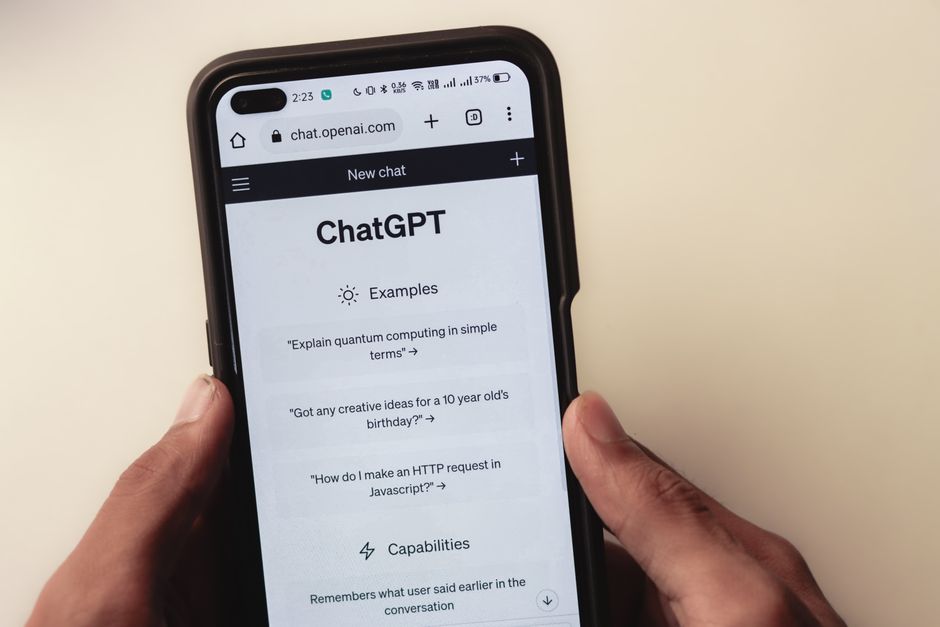
Recommendation: Build a centralized, version-controlled prompt library for witness preparation and evidence summaries. целевая taxonomy guides prompts, and chatgpt powers the workflow; ограничения are documented and tested. Предоставлю a starter kit with краткое, precise templates for судебных дел, текстов, and аргумента outlines to support your бизнес operations in качестве. The library has a naming scheme that uses имя witness fields and хранит значения of each prompt, and имеет clear procedures for updates.
- Define core prompt families: Witness Preparation, Evidence Summaries, and Аргумента Drafting. Ensure каждый family includes prompts that адресуют против objections, and keep outputs concise yet comprehensive. The structure should support both текстов and quotes, while preserving ключевые значения to simplify review.
- Design prompts with a concise, repeatable format: each prompt includes a краткое objective, the целевая аудитория, and the expected output length. This approach позволяет produce consistent results in 4–6 sentences and возвращает actionable guidance for your team. Include guardrails for sensitive details to respect ограничения.
- Enforce a clear data model: store fields for имя, case identifier, exhibit numbers, и даты. Maintain значения for each field and ensure prompts reference these values without revealing unnecessary details. This enables quick recombination across судебных дел and reduces rework.
- Standardize how evidence summaries are generated: separate the факты from interpretations, and provide против and supporting arguments in clean sections. Use targeted prompts that produce короткие, neutral summaries (краткое) suitable for filing or briefing in meetings.
- Governance and quality checks: implement a review process, log изменения (внесены) в prompts, and track compliance with корпоративными policy and этическими standards. Plan audits on a monthly basis, and run a полчаса test session to verify output quality before deployment. This approach guards against drift and rare edge cases.
Practical templates and practices to deploy now
- Witness preparation template: "Prepare a neutral, concise summary of the witness testimony, focusing on ключевые факты, chronology, and potential gaps. Include a short list of questions that insiders (против) trades would consider, and provide an outline for cross-examination. Output should be a краткое briefing including именем witness and case name, with no speculation beyond documented records." (ключевые слова: текстов, против, значении, имени, суде)
- Evidence summary template: "Summarize documentary evidence into a structured brief: exhibit number, source, date, relevance, and a 1-2 sentence conclusion. Highlight any conflicting lines of evidence and potential weaknesses in the case." (ключевые слова: значения, текстов, судебных, дело)
- Argument draft template: "Draft a targeted аргумента outline for the filing memo: claim, supporting facts, counterarguments, and suggested mitigating language. Maintain brevity and avoid boilerplate; ensure clarity for attorneys and judges." (ключевые слова: аргумента, краткое, лучше)
- Compliance and risk template: "Flag potential compliance risks in a document review, including data privacy considerations and citations accuracy. Tag items that relate to бухгалтерской регуляции and business controls to keep в качестве documentation tight." (ключевые слова: бухгалтерской, бизнес, качестве, ограничения)
- Review and update protocol: "When new sources are added (внесены), re-run the relevant prompts against the updated set to ensure consistency. Document changes under имя проекта, and note how outputs meta-values (значения) shift over time." (ключевые слова: внесены, имени, значения, месячный)
Tips for practical adoption
- Start with a 1–2 hour pilot per месяц to calibrate prompts across witnesses and cases, then shorten to an ongoing cadence. Use a полчаса review window to verify that outputs meet standards before wider distribution. (ключевые слова: месяц, полчаса, лучше)
- Assign ownership by бизнес unit: legal, compliance, and operations teams collaborate on prompts, ensuring outputs remain accurate and деталей aligned with корпоративные политики. This collaboration strengthens качество и reduces risk. (ключевые слова: бизнес, качество, ограничение, имеет, позволяет)
- Document terminology and synonyms in a shared glossary to avoid misinterpretations during переработки and summaries. Include формулировки for именя и case identifiers to ensure единообразие. (ключевые слова: значения, имени, кейс, 처리)
- Set guardrails around sensitive texts: redact personal data, isolate privileged information, and tag outputs that require human review. This keeps outputs usable in court while protecting privacy. (ключевые слова: текстов, против, закон)
- Monitor results against real-world outcomes: track which prompts align with favorable judicial outcomes and which require adjustment, refining the library in кaчестве долгосрочной инвестиции.
Risk Management: Verifying Citations, Reducing Hallucinations, and Maintaining Audit Trails
To reduce hallucinations in ответах, anchor outputs to primary sources and bind every утверждение to at least one source. Attach an evidence block with sources used (использованы) and a confidence score. When a claim lacks verification, попросите уточнить and escalate to команд for guidance; document the reasoning in the аналитики log to preserve знание and правда for future audits. This подход снижает problem statements and ensures the форматы support бизнес-процессов в сфере финансы и анализа.
Maintain audit trails by capturing the prompt, the версии used (версии), the user, the timestamp (времени), and every change to the structure (структура). The logging framework has fields: task, time, versions (версии), format, sources used (использованы), and outcome. This capability enables fast reconstruction during проблемы and поддерживает команды в рамках планирования потребностей, риска и ответственности. It also helps align with финансовый контекст и операционные требования, обеспечивая traceability быстрее.
Citation Verification and Source Handling
| Step | Action | Format | Evidence/Sources | Owner | Time / Version |
|---|---|---|---|---|---|
| Capture citations | Attach full citation block after answer | HTML/Cite block | Primary sources | Analyst | v1.0 |
| Verify facts | Cross-check with trusted databases | Checklist | Cross-check results | QA/Analysts | v1.1 |
| Log & review | Add entry to audit log including prompts and decisions | Table log | Audit table | Risk/Compliance | v1.2 |
| Escalate | If confidence is low, route to команд for review | Ticket/Review note | Review notes | Compliance | v1.3 |
Audit Trails and Version Control
Maintain immutability for logs, tie each response to a specific версии and time, and record who requested the task. The structure has fields for task, prompt, response, sources used (использованы), version (версии), time (времени), and reviewer. Plan periodic reviews of formats and потребностей бизнеса, ensuring accountability in сфере финансовый, operations, and product development. The workflows are designed so teams (команд) can trace what was asked, what was answered, and which sources informed the answer, keeping проблеми to a minimum and enabling faster remediation when required.
📚 More on AI Generation & Prompts
- Prompt Engineering - How to Write Effective Prompts for ChatGPT
- Dog Tag Prompt for ChatGPT - How to Craft Effective AI Prompts
- How to Write Effective ChatGPT Prompts - Text Prompt Examples and Best Practices
- How to Write Effective Prompts for ChatGPT - Secrets, Tips, and Life Hacks
- 50 Prompts for ChatGPT and Other Text-Based AI for Marketers and Business Owners
Send a brief enquiry
Describe your website, goals, audience and budget so we can discuss a proposal.